
One of the great joys of pop music is when bizarre songs somehow become hits. Over the years, the charts have been invaded by avant-garde weirdness, dreadful novelty singles and cringe-worthy, what-were-they-thinking moments.
Here’s our pick of the strangest songs to reach the Top 10.
The 13 weirdest top 10 singles ever
13. Japan – 'Ghosts' (No 5, UK, 1982)
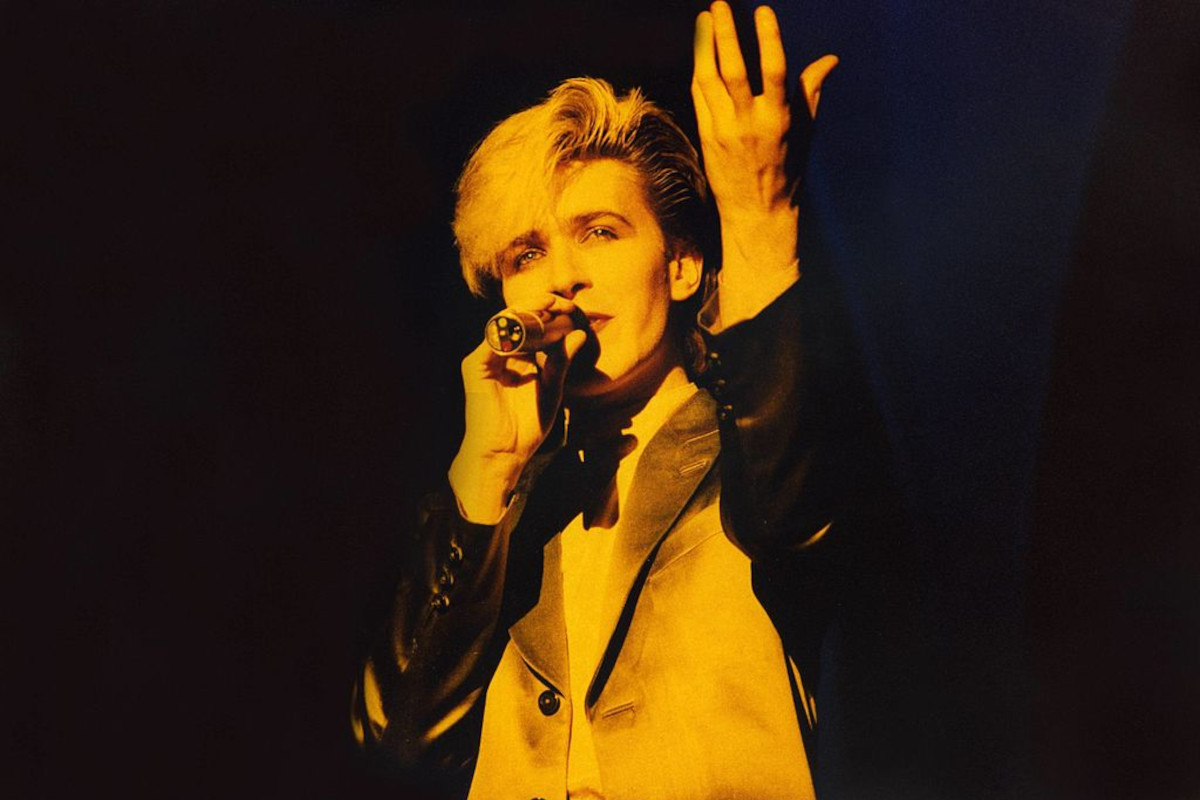
Take a cup of experimental composer Karlheinz Stockhausen, a tablespoon of Akiko Yano’s 1981 album, Tadaima (produced by Ryuichi Sakamoto), and a pinch of early Roxy Music, add deeply personal lyrics and a haunted delivery and you’ll get something like Japan’s ‘Ghosts’. It’s a beautiful and brilliantly off-kilter song, but few people’s idea of a hit single.
Yet, somehow, the UK latched on to the song on its 1982 release, leading to a memorable performance of the track on Top Of The Pops, in which singer David Sylvian mimed the song directly into the camera and dramatically lit while his bandmates sat behind banks of synths and electronic percussion. The track’s success didn’t shock its writer.
"I had immense faith in that track from the beginning," Sylvian later recalled, "and urged Virgin to release it as a single, so it didn’t come as a complete surprise to me that it was as successful as it was. Very gratifying all the same of course."
12. Fleetwood Mac – 'Tusk' (No 6, UK, 1979)
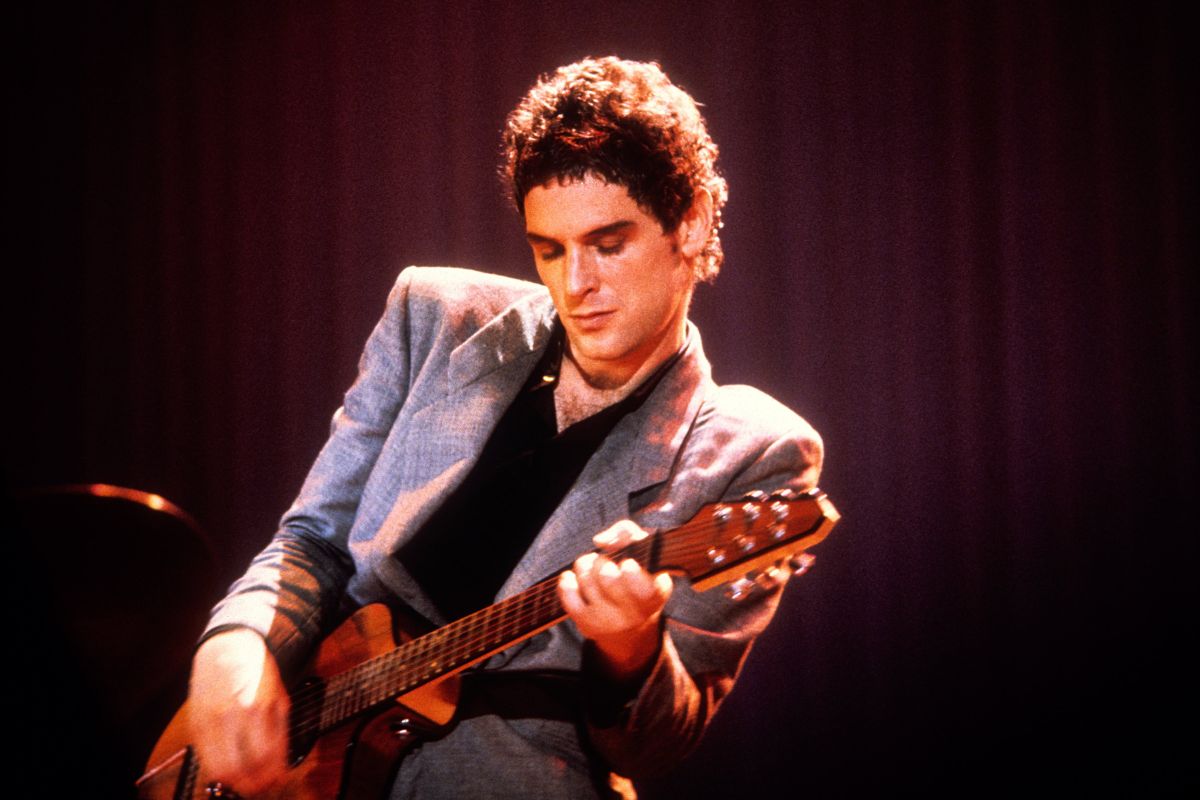
Whatever the millions who’d bought Fleetwood Mac’s Rumours expected from its follow-up, the title track and lead single of Tusk was almost certainly not it. Despite being a percussion-heavy track with eerie melodies that sounded more like the soundtrack to an arcane ritual than a radio smash, the single quickly reached the Top 10 in both the UK and US.
The song was indicative of Lindsey Buckingham’s desire to push the envelope – infamously, he and Mick Fleetwood overdubbed layers of unconventional percussion, including hitting lamb chops and a Kleenex box, and even recruited the University Of Southern California’s Trojan Marching Band to provide extra heft (as documented in the single’s video). Somehow it all worked on one of the most unusual, daring and infectious Fleetwood Mac songs.
11. Napoleon XIV – 'They’re Coming To Take Me Away, Ha-Haaa!' (No 3, US, April 1966)
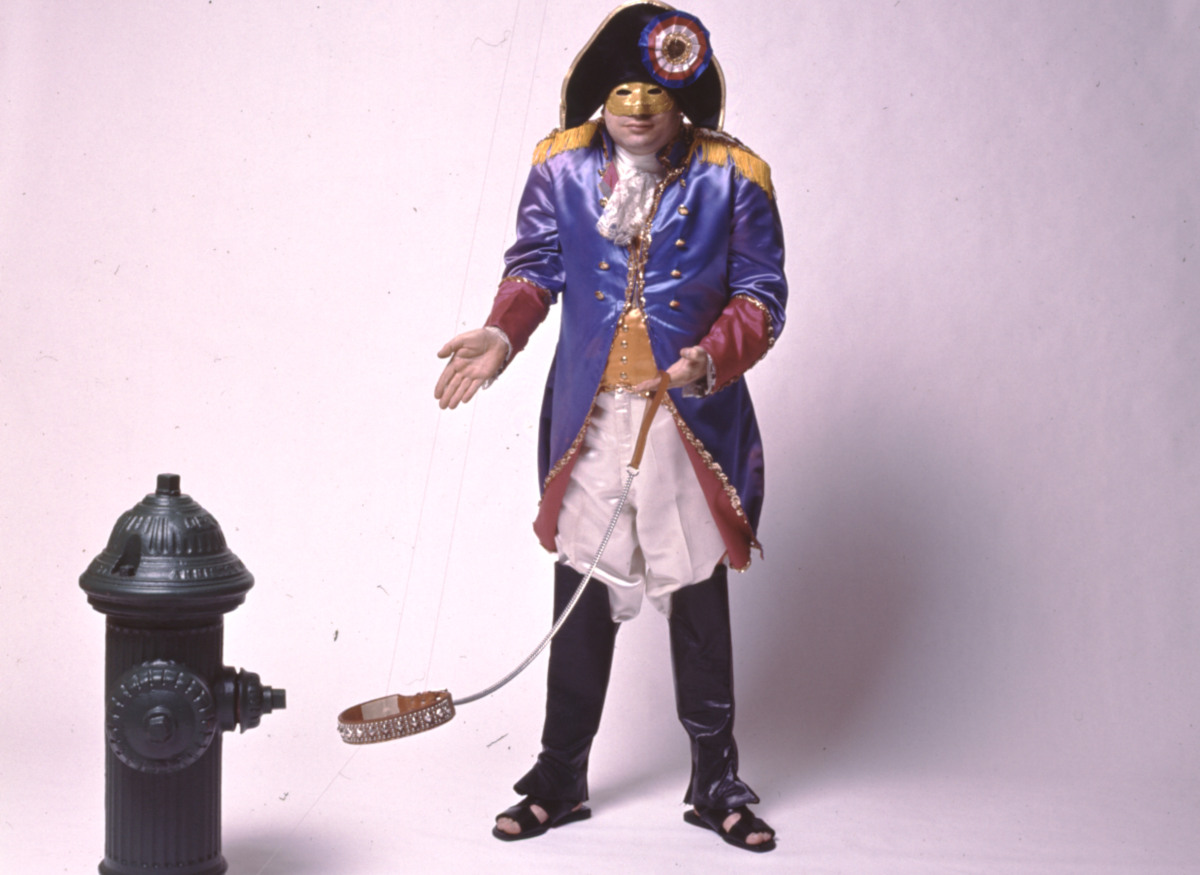
One of the oddest hit singles of the 1960s, ‘They’re Coming To Take Me Away, Ha-Haa!’ was recorded and performed by studio engineer Jerry Samuels, who created the unhinged character of Napoleon XIV to release it. Samuels put the song together using nothing more than his voice (gradually speeded up using a variable frequency oscillator), snare drum, tambourine and claps.
He used the rhythm of the old Scots tune ‘The Campbells Are Coming’, while the lyrics seem to be from the perspective of a spurned lover. But there’s a twist – the final verse reveals that Samuels is actually addressing a dog.
Still, the song is so tone-deaf when it comes to mental illness that radio stations across the country banned the song – though it reached No 3 and sold a million copies in the US alone before the public saw sense.
10. Randy Newman – 'Short People' (No 2, US, 1977)
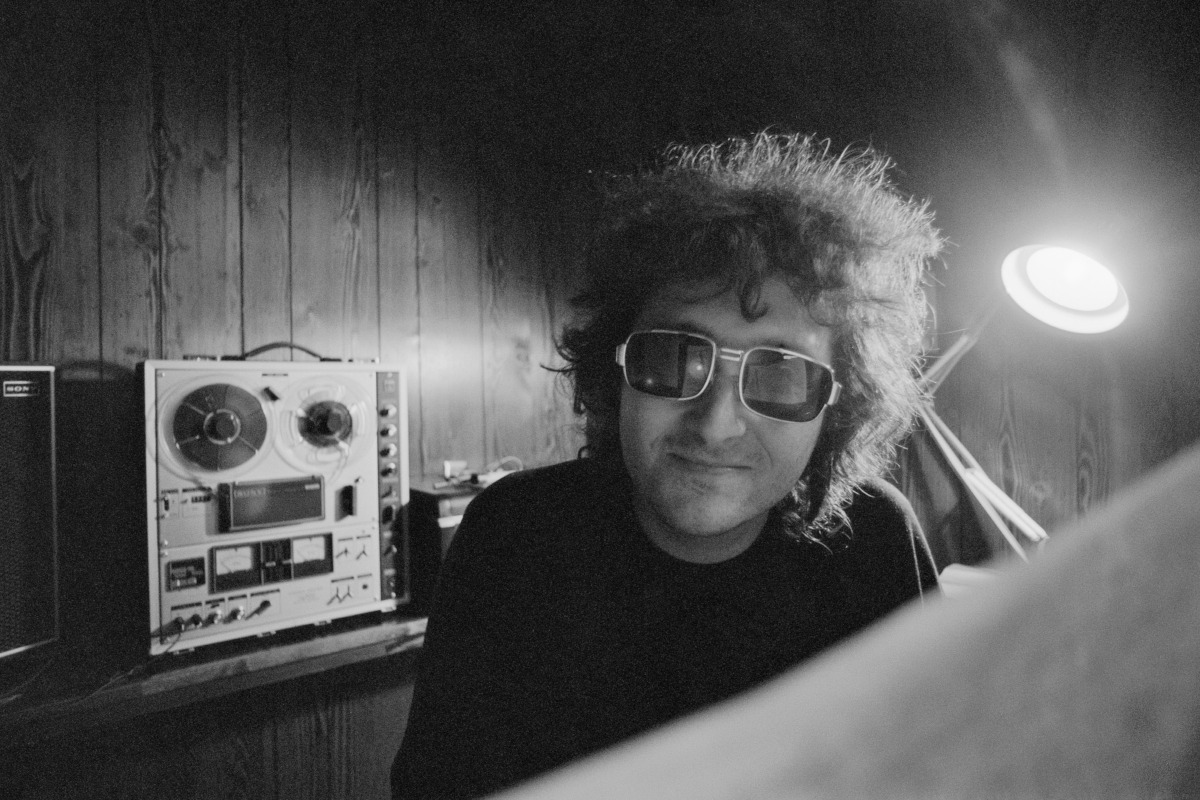
Singer-songwriter Randy Newman’s biggest chart hit was also his most controversial. Sung from the perspective of a character with such disdain towards the diminutive that he thinks they are grotesque ("Short people got no reason to live"), ‘Short People’ was clearly a satire of prejudice.
Newman explained the song to the Chicago Tribune: "I would never write a song just to make fun of someone or something… What I’m making fun of is people’s callousness and insensitivity, and often that callousness is exaggerated to the point where it’s funny."
Newman’s fans understood the songwriter’s intentions, but when ‘Short People’ became a massive hit – the single hit No 2 on the Billboard Hot 100 and sold 1.5 million copies in the US alone – the underlying meaning was lost and Newman was heavily criticised, even receiving death threats. He still performs the song live to this day.
9. Doop – 'Doop' (No 1, UK, 1994)
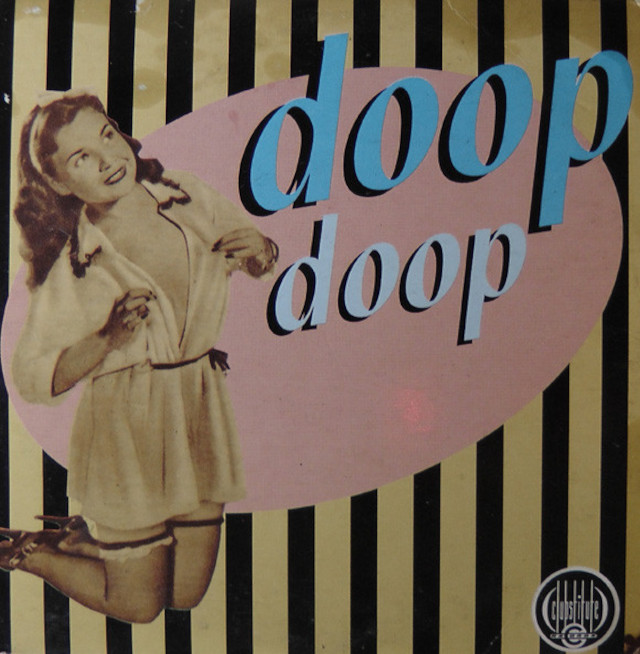
The mid-90s were an especially strange time for the charts, with all manner of bizarre novelty singles giving their makers – usually European pop acts old enough to know better – their time in the sun. But ‘Doop’ by, err, Doop has to be one of the weirdest on paper – basically a fusion of techno and ragtime inspired as much by the 1920s dance craze the Charleston as what was happening in the clubs.
Doop were Ferry Ridderhof and Peter Garnefski, two keyboardists and producers from the Netherlands who met at school and studied at the Royal Conservatory in The Hague. "We started to experiment with the Charleston and big bands," Ridderhof told MOJO in 2021.
"Then we added my vocal. Everybody liked the track, it changed mood when it was played. It was obviously new. England embraced the record." It all sounds like good clean fun but doesn’t explain how teeth-rattlingly annoying the track was.
Somehow it sold nearly half a million copies in the UK alone and was No 1 for three weeks, it also reached No 2 in the US. Strange days indeed.
8. Paul Hardcastle – '19' (No 1, UK, 1985)
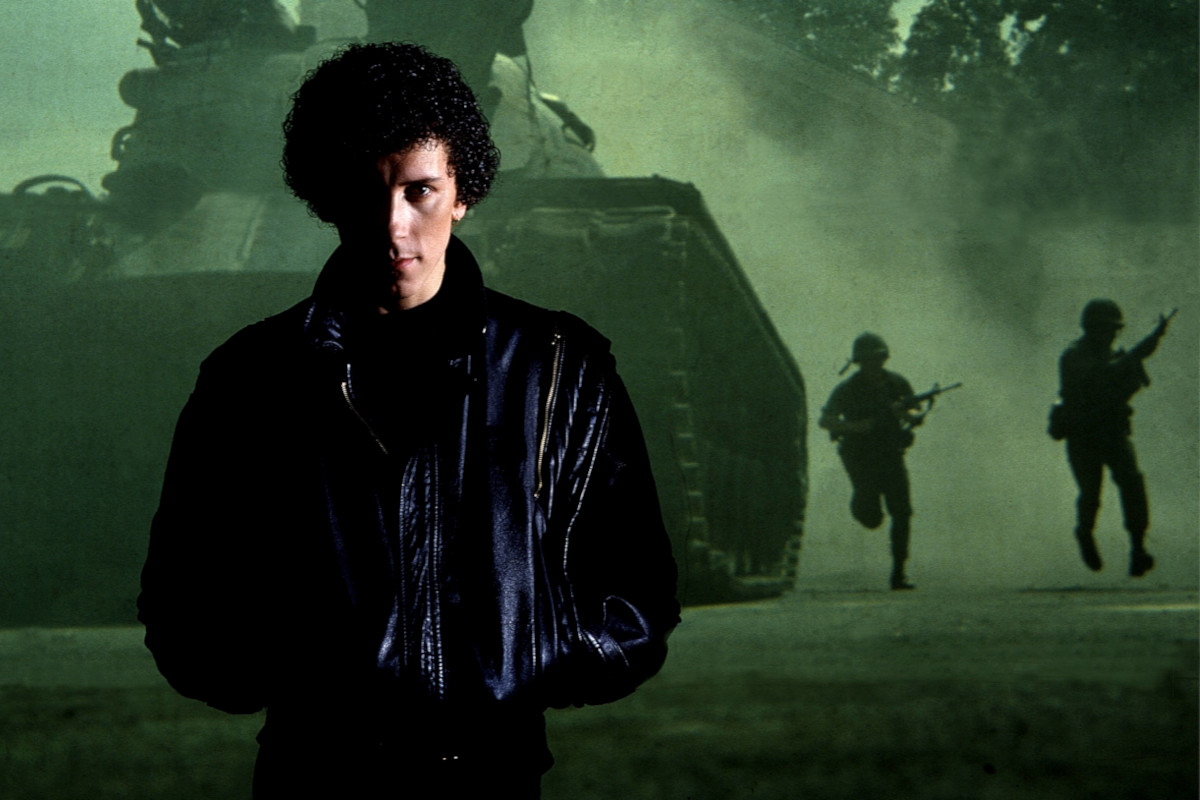
After five singles which failed to break into the UK Top 40, electronic musician Paul Hardcastle needed a break. It came when he was channel flicking one evening, "I happened to tape a documentary – it was ABC's Vietnam Requiem – about the war," Hardcastle told The Guardian.
"When I watched it back, what struck me was how young the soldiers were: the documentary said their average age was 19. I was out having fun in pubs and clubs when I was 19, not being shoved into jungles and shot at." Hardcastle put together a spoken-word narrative based on the documentary, using a stuttering "N-n-n-nineteen" as a hook and set it to a stark electro backing.
Despite the bleak subject matter, the alien sound of the song hit a nerve and it raced to No 1 in the UK. But the message wasn’t lost on some listeners, "I had tons of letters from Vietnam vets thanking me for doing something for them," said Hardcastle.
7. The Edgar Winter Group – 'Frankenstein' (No 1, UK, 1972)
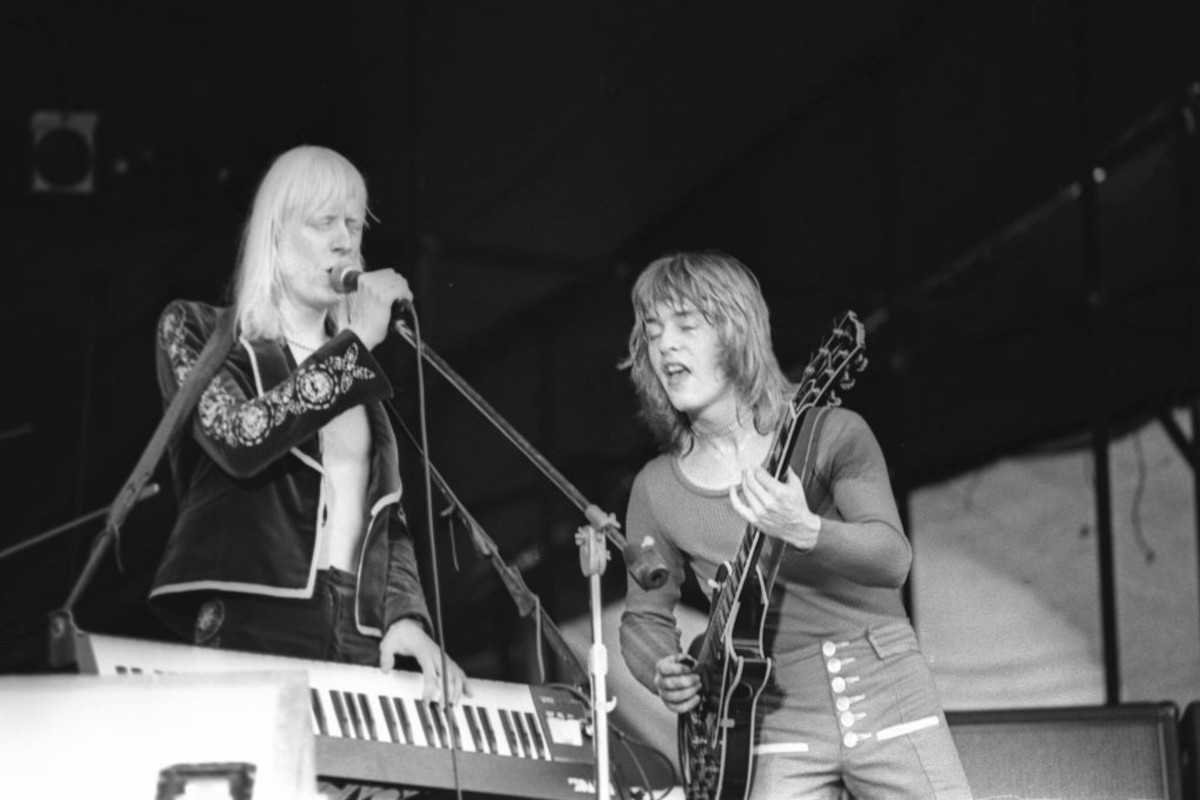
To begin with, ‘Frankenstein’ sounds like a conventional 70s rocker, all swaggering riffs and wild solos. But then it gets weird – vocals don’t kick in when you expect them, there’s a drum solo around the two-and-a-half-minute mark followed by what sounds like some serious synthesizer abuse and it ends with a funereal organ part.
- 1972 was a perfect storm in rock history. Here are its 25 greatest albums
- Under the radar: 15 obscure, extraordinary 1970s albums you should hear
Frontman Edgar Winter initially wrote the track off, "I had no intention of recording it," he later revealed, "'Frankenstein' was this big opus that was 15 or 20 minutes and had all of these parts… I was talking to Rick Derringer about it and Rick said, 'Maybe we could edit that instrumental into something that would be usable.' And I thought, Wow, that’s kind of a crazy idea. But I like crazy ideas." Crazy maybe, but it was certainly one of the better ideas of Winter’s career.
6. Baz Luhrmann – 'Everybody's Free (To Wear Sunscreen)' (No 1, UK, 1999)
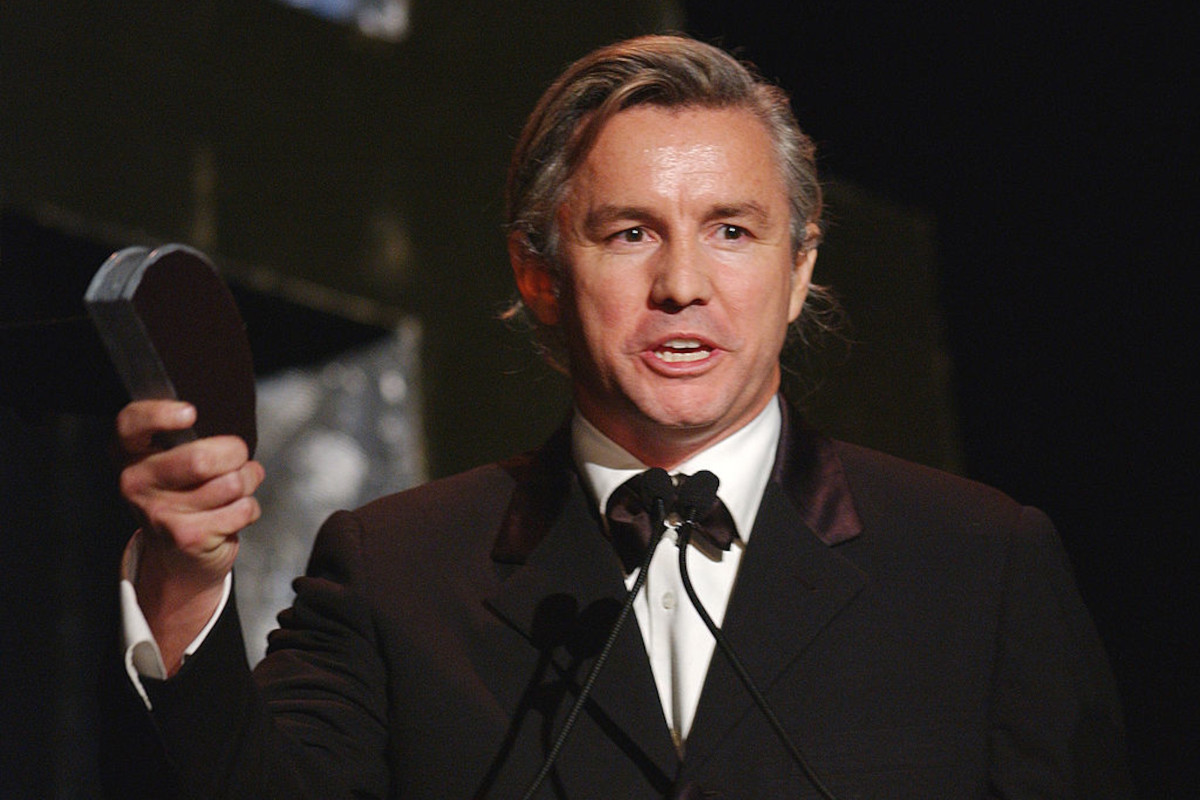
In 1999, Australian film director was one of the hottest names in cinema thanks to hits Strictly Ballroom and Romeo + Juliet, but even he must’ve been surprised when a spoken word song he’d recorded two years previously reached the top of the UK chart. ‘Everybody’s Free (To Wear Sunscreen)’ came about when Luhrmann and his music supervisor were working on a remix of Rozalla’s rave track ‘Everybody’s Free (To Feel Good)’ for a charity album of remixes of songs from his movies.
At the time, a mock commencement speech by Chicago Tribune columnist Mary Schmich had gone viral. When Luhrmann saw Schmich’s article he thought it would make a great spoken word song, secured her permission and found a voice artist named Lee Perry (not the Jamaican dub producer) to read her words on the track.
Luhrmann appeared on an Australian late night arts radio show and persuaded them to play it, "Two minutes into the track," he told The Guardian, "the guy in the booth was tapping on the glass pointing because, literally like a movie, the lights on the switchboard were going crazy. The next day, it was the biggest record in Australia."
It repeated the trick in the UK, becoming one of the strangest No 1 singles of the 90s.
5. Clive Dunn – 'Grandad' (No 1, UK, 1971)
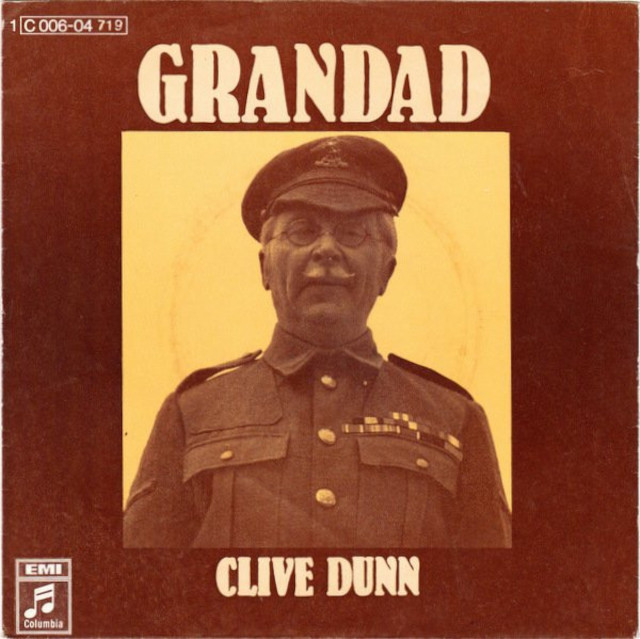
Bassist Herbie Flowers had an unbelievable career, playing on records by stars including Paul McCartney, David Bowie, George Harrison, Elton John, Cat Stevens and Harry Nilsson. You know that era-defining, unimpeachably cool bassline on Lou Reed’s ‘Walk On The Wild Side’? That’s Herbie. But any cool points that Flowers might’ve clocked up were rendered moot by the fact that he co-wrote one of the naffest UK No 1s of all time – ‘Grandad’ by Clive Dunn.
Presumably a nation of kids were guilt-tripped by their dear old grandads to buy them the single – how else to explain its amazing success? The titular old timer was played by actor Clive Dunn, who’d been passing as a seventy-something since starring in Dad’s Army in the late 60s.
When he sang ‘Grandad’, Dunn was just 51, which beggars belief when you see the footage of Dunn performing the track on Top Of The Pops surrounded by a cloying children’s choir – either the BBC props department were doing a fine job in ageing him up or Dunn had a particularly tough paper round.
Not that he cared, "It sold 90,000 in one day," Dunn told The Guardian in 2002. "I bought a house with it. D'you know what replaced me at number one? 'My Sweet Lord'. See, George Harrison had to get in touch with heaven to knock me off the top."
4. Queen – 'Bohemian Rhapsody' (No 1, UK, 1975 and 1991)
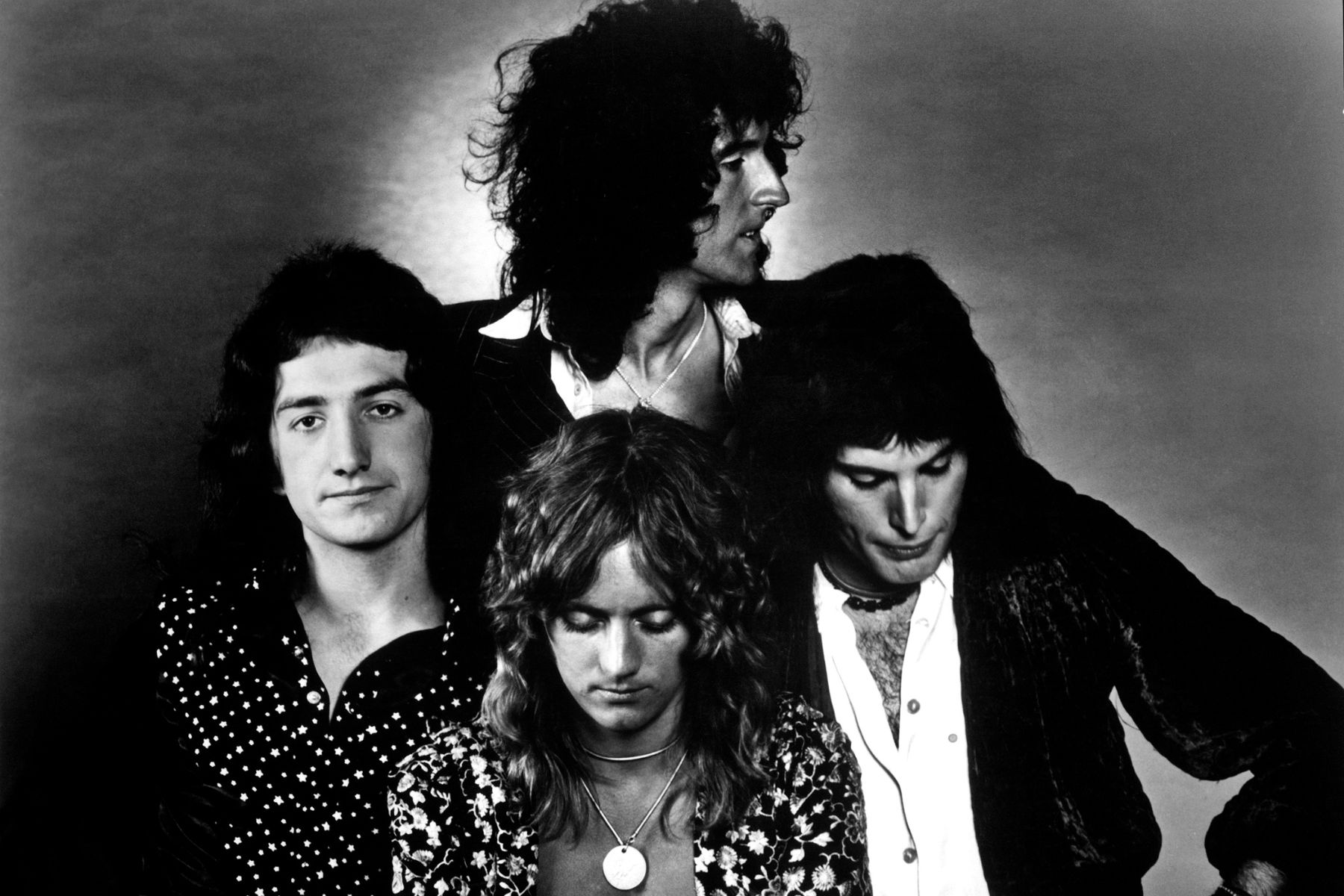
‘Bohemian Rhapsody’ is a great example of a song that has become so ubiquitous that it’s easy to forget that it’s a deeply weird piece of music – a six-minute-plus epic that encompasses a dramatic ballad, heroic guitar solos, choral pastiche, heavy-riffing hard rock and a proggy ending.
But frontman and ‘Bohemian Rhapsody’ songwriter Freddie Mercury was never afraid to stand apart from the crowd – as he showed when standing up to the band’s record label, "We came across certain barriers because it was six minutes long and there were numerous rows," Mercury said. "The recording company wanted to edit it, but we thought 'there's no point, you either hear it in its entirety, or you pick another song."
Queen held firm and were vindicated when ‘Bohemian Rhapsody’ spent nine weeks as the UK No 1 in 1975. Not only that, but it spent a further five weeks at the top when it was reissued in 1991 and went on to become the third biggest selling single in UK history. Now, if we could only figure out what Mercury meant by "Scaramouch, scaramouch will you do the fandango"…
3. Laurie Anderson – 'O Superman' (No 2, UK, 1981)

"I was a performance artist with no interest in the pop world," Laurie Anderson told The Guardian in 2016. Her hugely unexpected hit single ‘O Superman’ changed that. The song was inspired by the US’ failed April 1980 military mission to rescue 52 American hostages from the US Embassy in Tehran following the Iranian revolution of 4 November 1979.
"I thought I’d write about all that and the failure of technology," Anderson told The Guardian, "The lyrics are a one-sided conversation, like a prayer to God. It sounds sinister – but it is sinister talking to power." The music itself is sparse – a looped, pulsing sample of Anderson singing "ha, ha, ha" through a vocoder provides the backing with layers of synth – giving a sense of unease and alienation accentuated by Anderson’s vocals.
Anderson pressed 1,000 copies of the single, which she individually wrapped and posted. One of those copies got into the hands of DJ John Peel, who began playing it on his BBC Radio 1 show – the rest is history.
2. Cliff Richard – 'The Millennium Prayer' (No 1, UK, 1999)
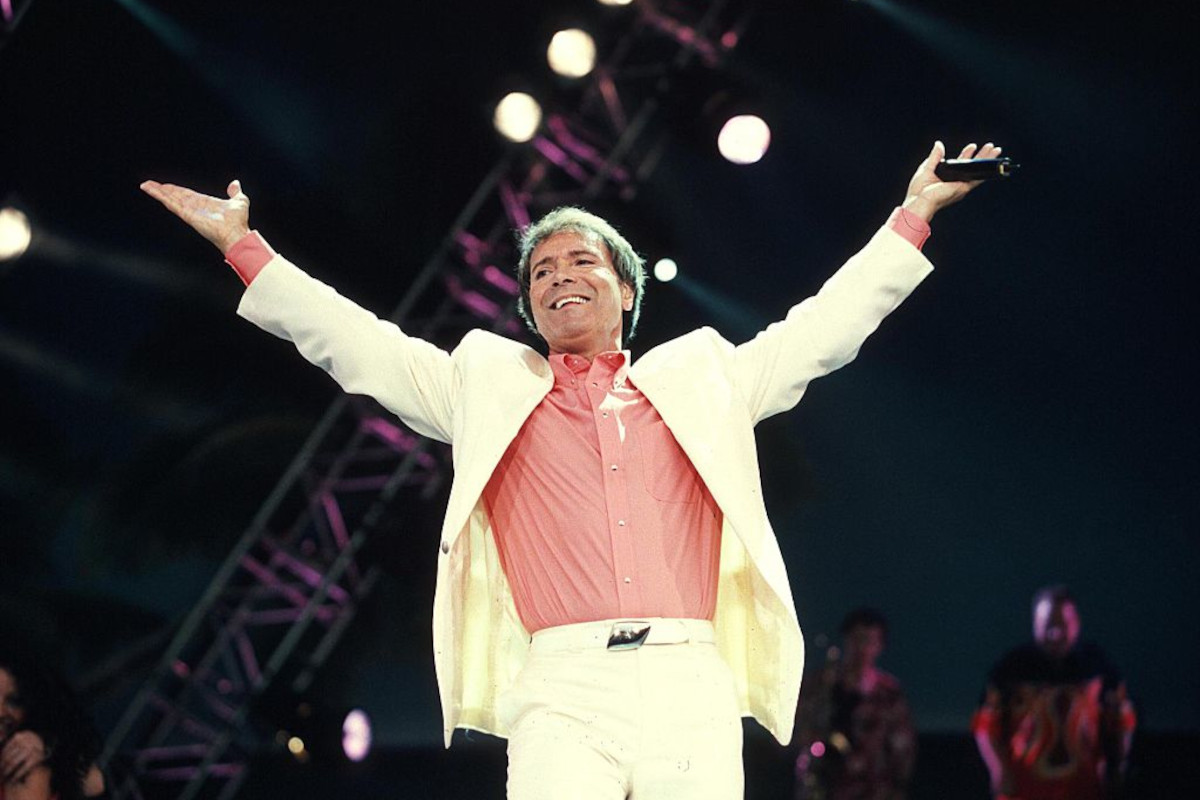
"If someone said to you there was the Lord's Prayer set to ‘Auld Lang Syne’ you'd want to puke," Cliff Richard said of his November 1999 hit single ‘The Millenium Prayer’, "But when I heard it, I thought that the most simple ideas are strokes of genius when they work, and this to me is a stroke of genius."
Perhaps pop’s Mr Nice had got stuck into the Christmas sherry early, as he went on to say, "I find myself more and more convinced that I’m the only radical pop star I know."
Cliff’s record label of 40 years, EMI, were less keen when they heard the single and so he ended up releasing it on a new label, Chrysalis, and donating the proceeds to the charity Children’s Promise. But while it’s hard to fault his act of charity, we can definitely take issue with the track itself – a chintzy, clunky and plain weird mash-up that simply doesn’t work.
1. David Bowie – 'The Laughing Gnome' (No 6, UK, 1973)
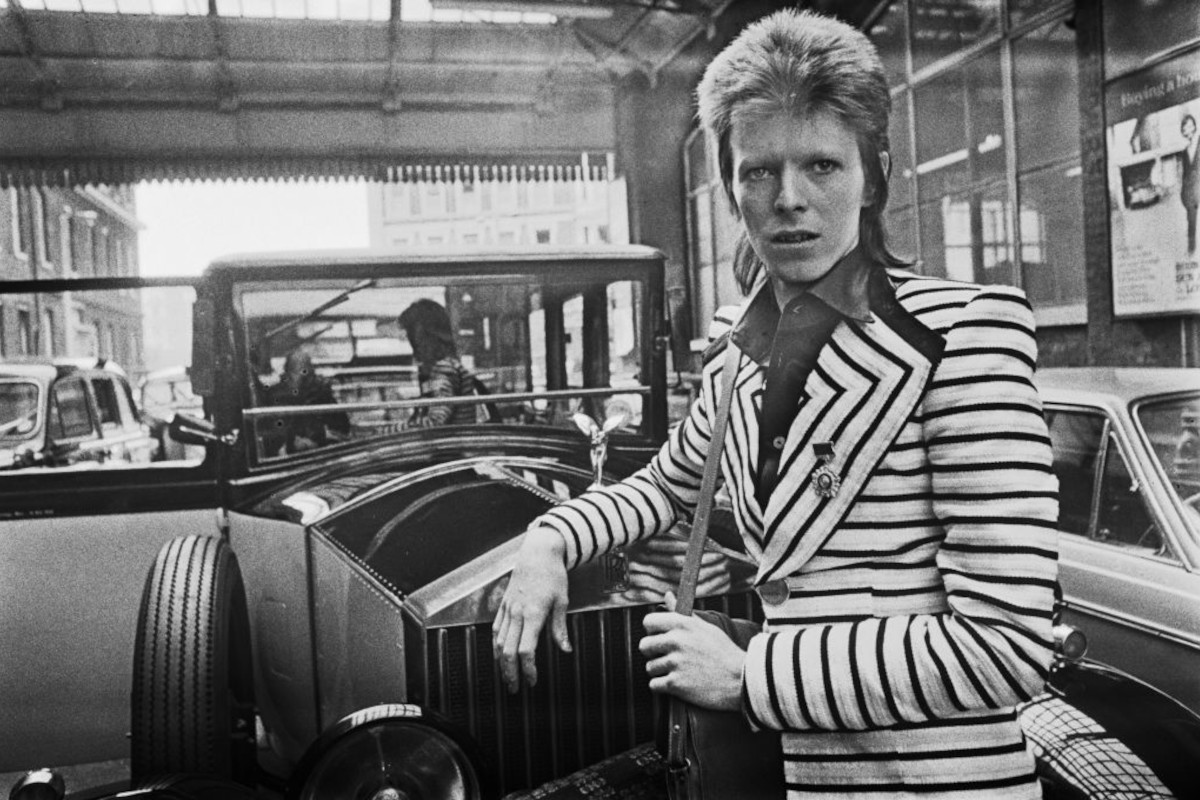
He’d go on to become the last word in cool, but back in the 60s David Bowie was still figuring out who he wanted to be. Which led to some bizarre choices, from his embrace of mime to his 1967 single ‘The Laughing Gnome’. The single was a jaunty knees-up that told of being followed home by a pun-happy gnome, complete with sped-up vocals from Bowie and producer Gus Dudgeon.
Unsurprisingly, it failed to chart, but when Bowie hit the big time in the early ’70s it was reissued and somehow reached No 6 in the UK chart. The song became notorious as the biggest misstep of Bowie’s career – and this is a man who released albums such as Tonight and Never Let Me Go – and even in later years, it returned to haunt him.
In 1990, Bowie announced that the setlist for his 'Sound + Vision world tour' would be decided by telephone vote, at which point NME began a campaign to get ‘The Laughing Gnome’ on the setlist.
"I’ll tell you what," Bowie told Melody Maker when he discovered the ruse, "I was thinking of doing ‘Laughing Gnome’ and was wondering how to do it, maybe in the style of the Velvets or something, until I found out that all the voting had been a scam or something, perpetuated by another music paper. I mean, that was an end to it. I can’t pander to the press now, can I?"
By 2000, Bowie had clearly made peace with him past, joking with NME: "I really think I should have done more for gnomes. I always feel a bit guilty that I just put my feet into the water, and never sort of dived into the deep end.
"I really could have produced a new sensibility for the garden gnome in Britain. Gnomes should have been explored more deeply. The hats. I should have worn the hat more. I tried the beard in the early ’90s, but because I’m blond it didn’t really take off."
Photos in article Getty Images. Single covers Discogs. Top image Laurie Anderson, 1982


