Everyone loves a canon.
After all, it gives us something concrete to hold on to, that collective wisdom that means we all know what makes the best of the best. These are the albums that we’re supposed to love.
But sometimes these sacred cows aren’t quite the career-defining works that we’ve always been led to believe. This isn’t reinventing the past, it’s not revisionism, it’s just recognising that, with the perspective that only the passing of the years can offer, we may have been – collectively – a little hasty in our assertions.
So here, we took 15 of the undisputed greats of the rock and pop world and asked the question – is that really their best work?
1. The Rolling Stones
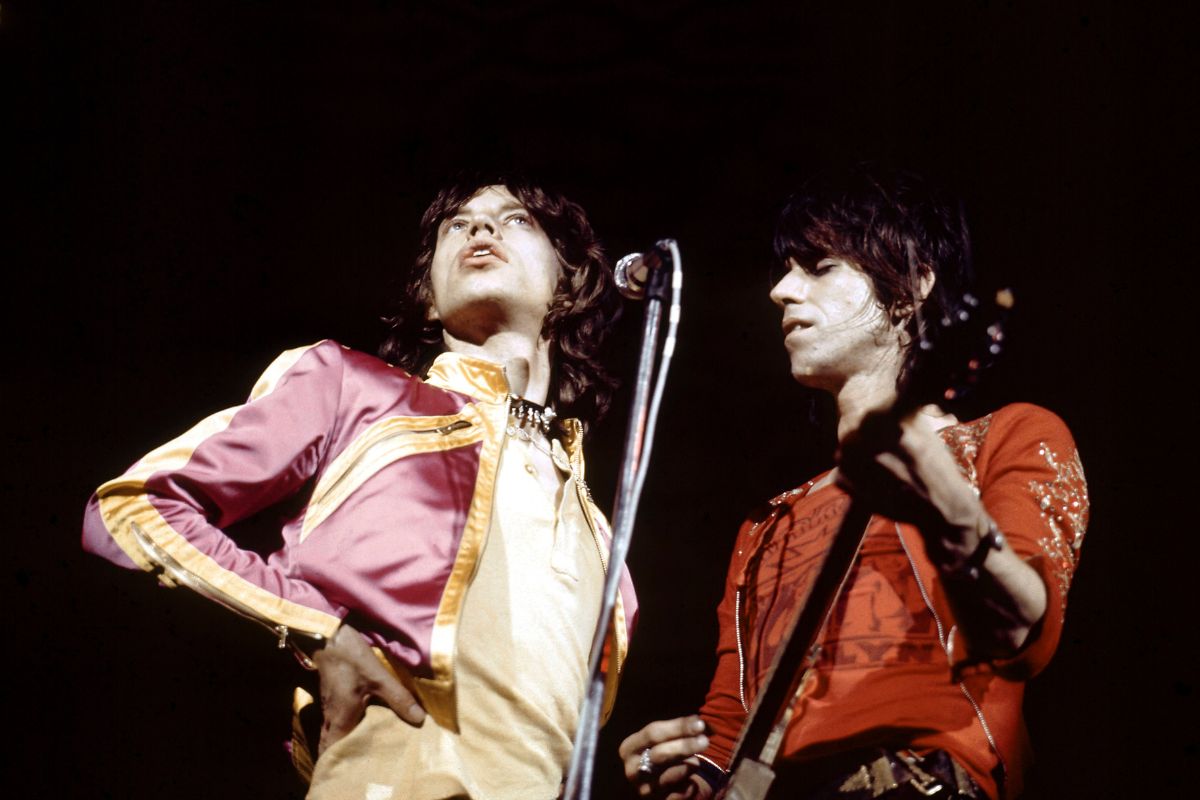
The classic album: Exile On Main Street (1972)
The better album: Sticky Fingers (1971)
The rationale: The legend of its creation precedes Exile On Main Street, mythologising this magnificent expanse of some of the finest rock ever cut to wax. And yet, for all its glories, there’s something about Sticky Fingers that distils all the rambling splendour of Exile and delivers it in a punchier, more direct package that, bang for buck, offers more hooks, tighter grooves and more memorable riffs.
There’s greater variety too – 'Wild Horses' is one of the finest pieces of country rock ever recorded; 'I Got The Blues' is pure Memphis soul; 'Brown Sugar' still fills dancefloors decades later; and 'Sister Morphine' fathoms hell like nothing on its successor.
2. Stevie Wonder
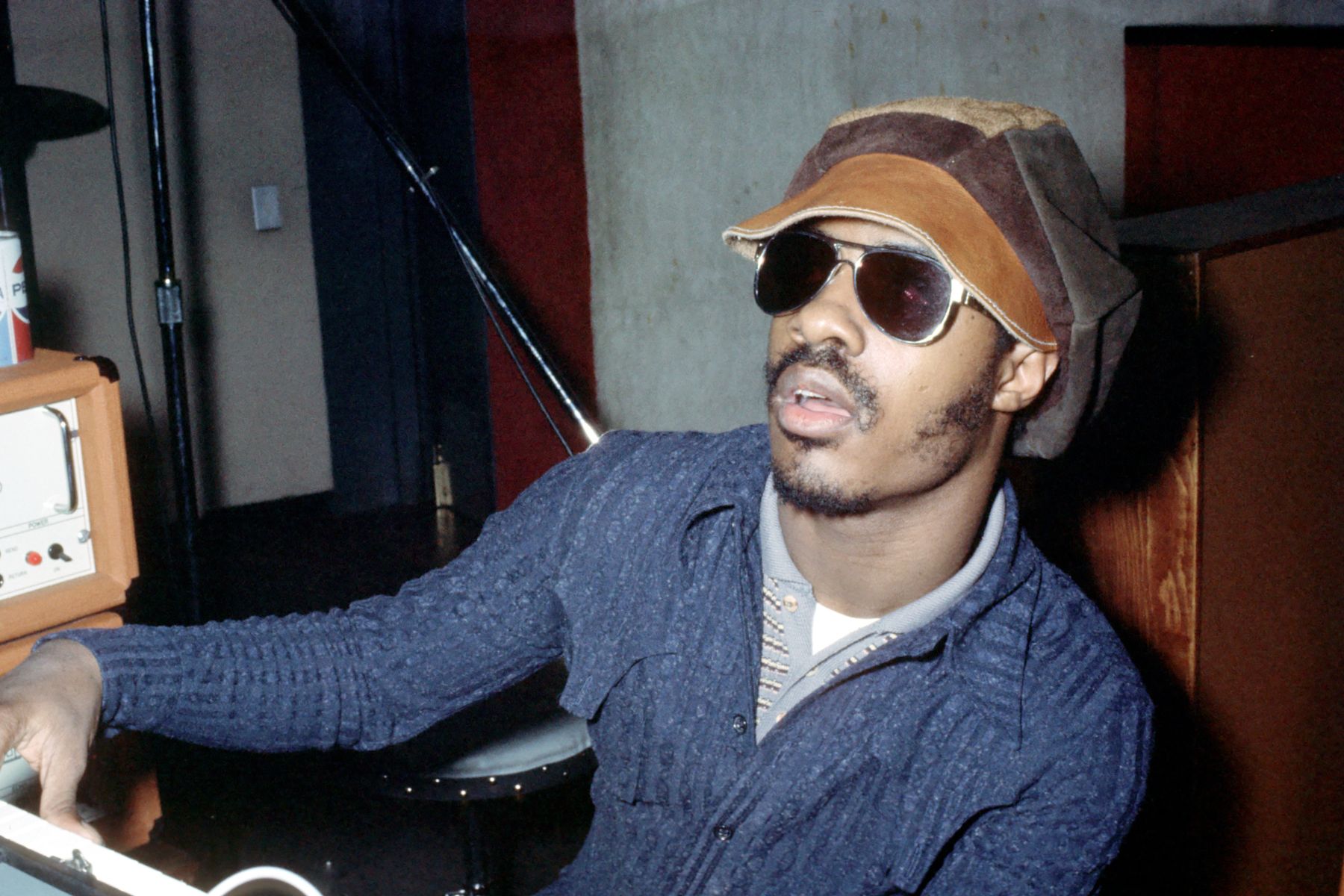
The classic album: Songs In The Key Of Life (1976)
The better album: Talking Book (1972)
The rationale: There was a time in the 1970s where it seemed that Stevie Wonder could do no wrong – everything he released from 1970’s Signed, Sealed & Delivered onwards is dazzling, but the trilogy of Music of My Mind, Talking Book and Innervisions is one of the finest runs in pop music history. Which is why it seems so out of step for Songs In The Key Of Life to be seen as his masterpiece.
Sure, it’s a great album, but it sprawls, and at its worst (such as on the interminable ‘Isn’t She Lovely’), it begins to grate. A sign of worse that was to come, perhaps? We picked Talking Book today, but on another day we’d have gone for Music Of My Mind or Innervisions. There are no wrong answers.
3. Bob Dylan
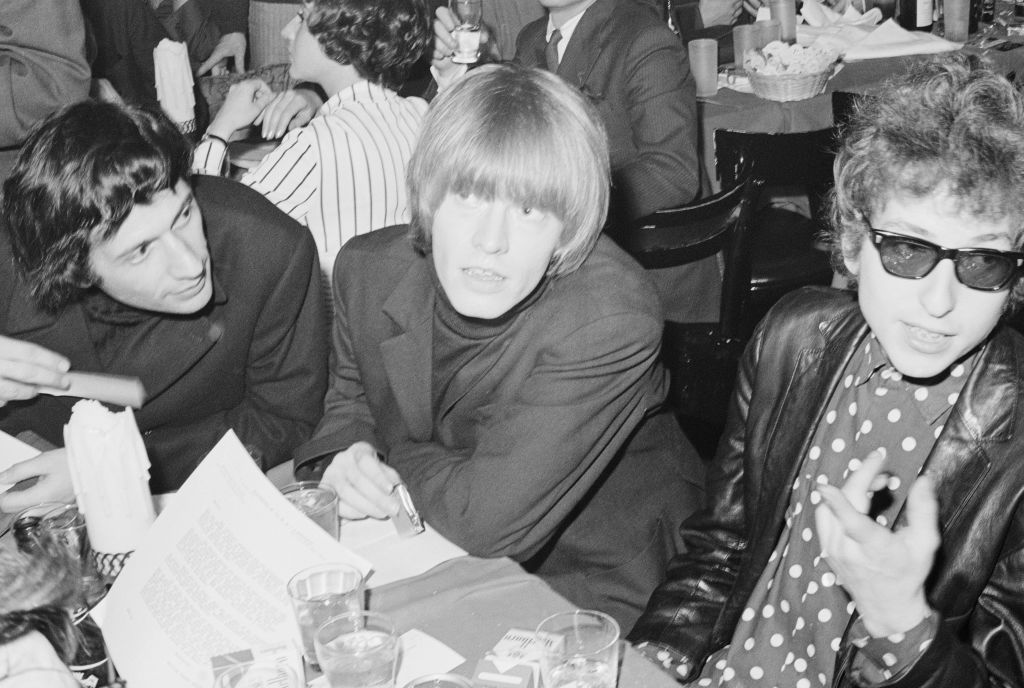
The classic album: Blonde On Blonde (1966)
The better album: Bringing It All Back Home (1965)
The rationale: Invariably, the top Dylan entries on lists of the greatest albums of all time will rotate between Blonde On Blonde, Highway 61 Revisited and Blood On The Tracks – all of them stellar choices. But what about Bringing It All Back Home, the 1965 album that changed everything?
From the kick off, ‘Subterranean Homesick Blues’ is a song unlike anything anybody else made before (or since, for that matter). ‘Maggie’s Farm’ is a visceral 4 minutes, while ‘Mr Tambourine Man’ is one of the popular songs of the century.
But it’s the final three songs that sound like a revolution, an apocalypse and the big bang all at the same time. ‘Gates of Eden’, ‘It’s Alright Ma (I’m Only Bleeding)’ and ‘It’s All Over Now Baby Blue’ are in turns the most devastating song you ever heard, one after the other. If that’s not a classic album then we don’t know what is.
4. The Beatles
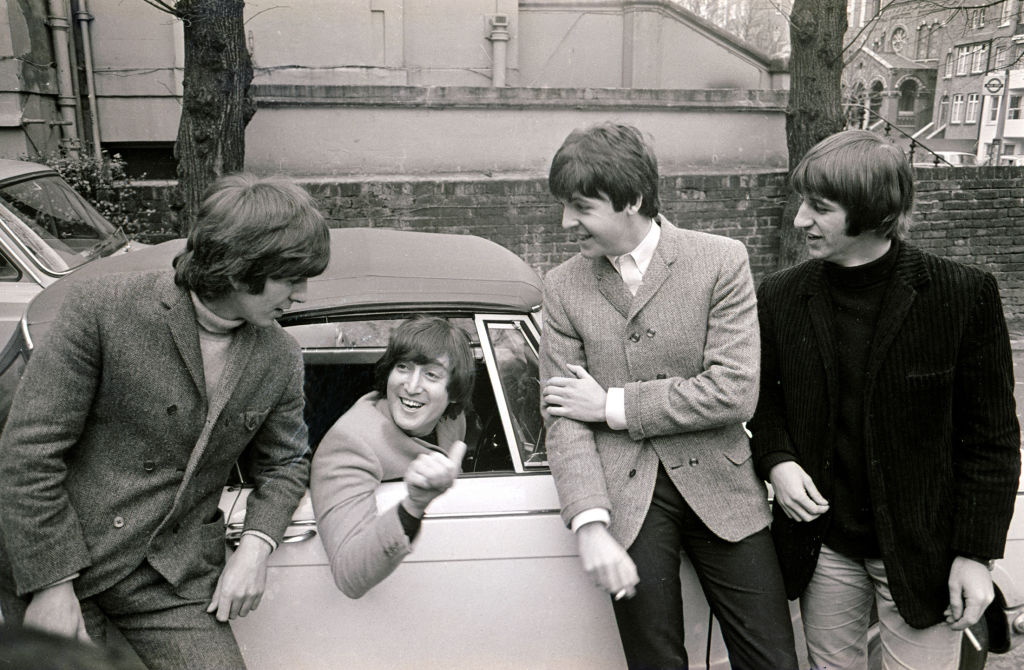
The classic album: Abbey Road (1969)
The better album: Rubber Soul (1965)
The rationale: In the top 50 of Rolling Stone’s list ‘The 500 Greatest Albums of All Time', The Beatles unsurprisingly feature more than any other artist (Abbey Road, Revolver, Sgt Pepper’s Lonely Hearts Club Band and the White Album). But what about Rubber Soul, in which the Beatles immerse themselves in a pot haze, Bob Dylan, Stax and Motown (‘Drive My Car’, ‘The Word’) and, crucially, each other?
This is their first album not to include any rock’n’roll numbers. Instead, it introduces a vast buffet of textures from around the world, be that folk rock, Indian instrumentation, or their own blend of subtle percussion, tight harmonies, fuzz bass, scorching electric and folksy acoustic guitars (‘Think For Yourself’, ‘Wait’, ‘You Won’t See Me’).
It’s as introspective and existential (‘Nowhere Man’, ‘In My Life’) as it is accessible and beautiful (‘Girl’, ‘Michelle)’. This is a band that knows they’re at the top of their game, and they’re going to enjoy it.
5. Queen
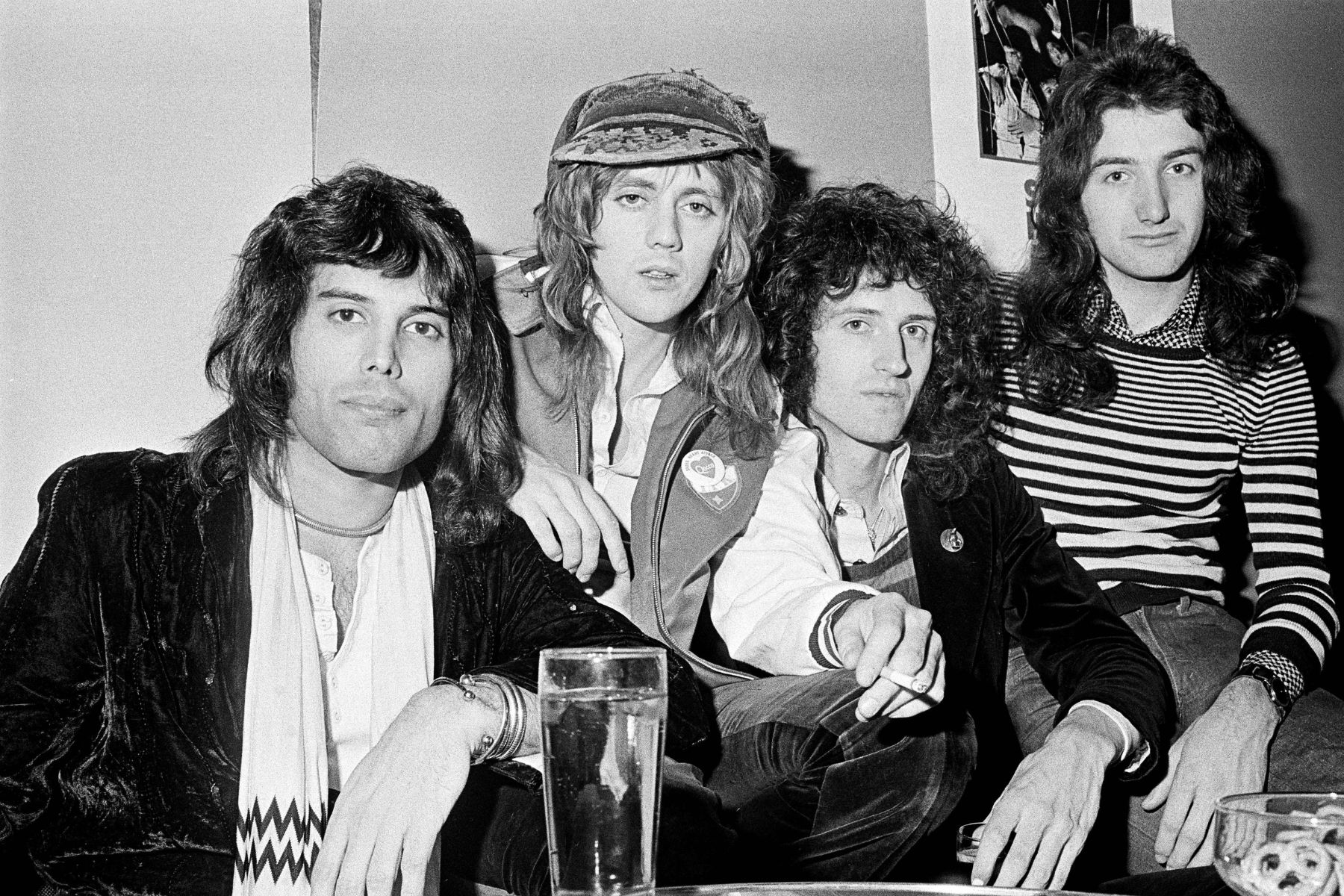
The classic album: A Night At The Opera (1975)
The better album: Sheer Heart Attack (1974)
The rationale: Any album that includes ‘Bohemian Rhapsody’ is going to sit near the very top of the rock tree – and rightly so. But when you pair it with, say, ‘I’m In Love With My Car’ (sample lyric: ‘Told my girl I'll have to forget her/Rather buy me a new carburettor’), 1975's A Night at the Opera starts to feel more like an album of peaks and troughs.
Sheer Heart Attack, on the other hand, is a blistering album from start to finish. This was the album where Queen finally found their feet, from the balls-out ‘Brighton Rock’ and ‘Now I’m Here’, ‘Killer Queen’’s pomp pop perfection, the tender ‘Lily Of The Valley’ and the anthemic ‘In the Lap of the Gods...Revisited’.
6. Led Zeppelin
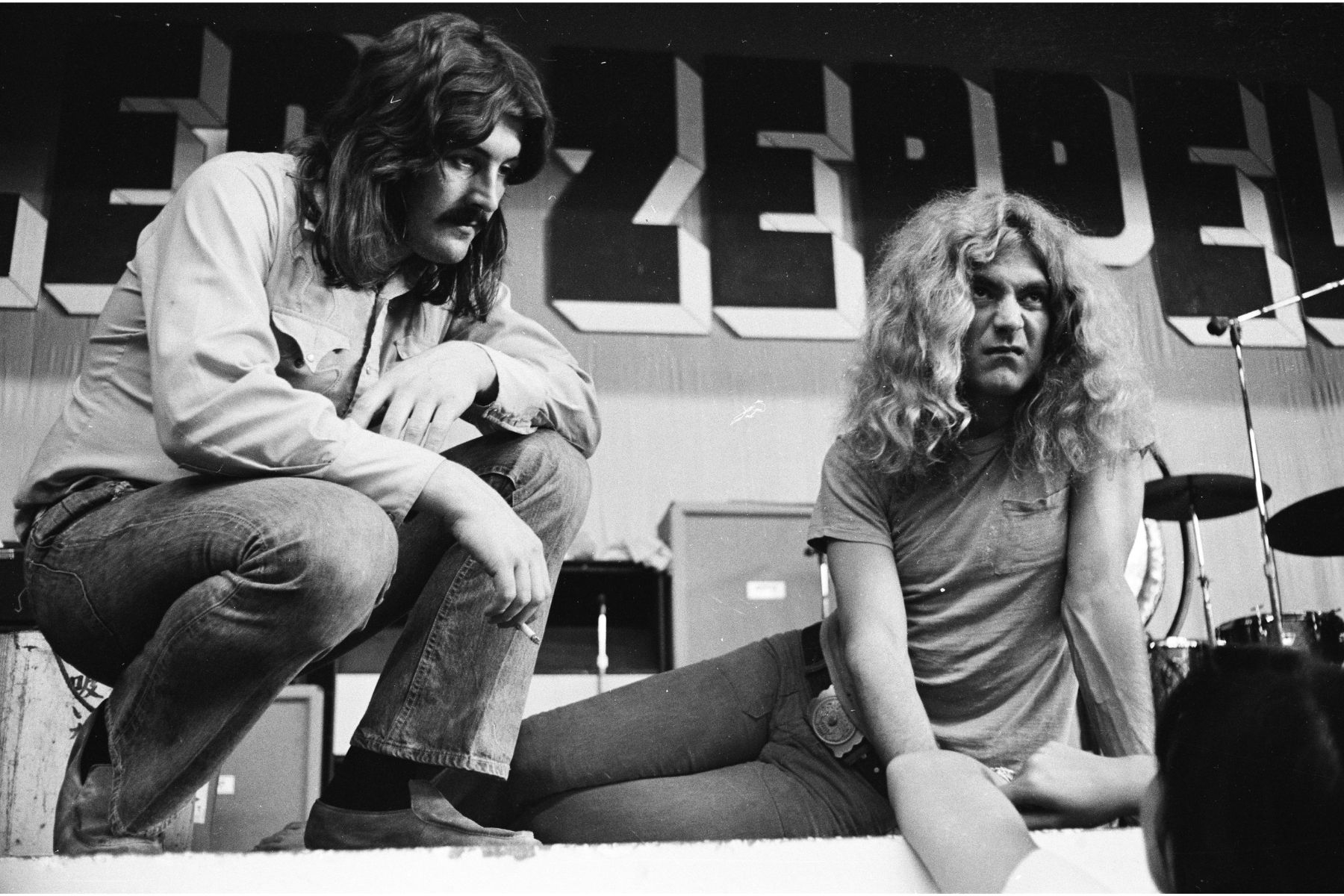
The classic album: Led Zeppelin IV (1971)
The better album: Physical Graffiti (1975)
The rationale: You might argue that selecting the best Led Zep album is a little like trying to define categorically which is the best flavour of ice cream: ultimately, it’s all a matter of taste. And yet, what Physical Graffiti does over two monumental slabs of vinyl is to set out Led Zep’s stall completely.
It covers everything they do – blues, folk, hard rock, acoustic explorations – expertly, as though they were trying to demonstrate just how good they were at all of these things. Led Zep IV is packed with iconic moments, but for its sheer scope (not to mention the truly epic ‘Kashmir’), we felt PG was the supergroup’s high point.
7. Neil Young
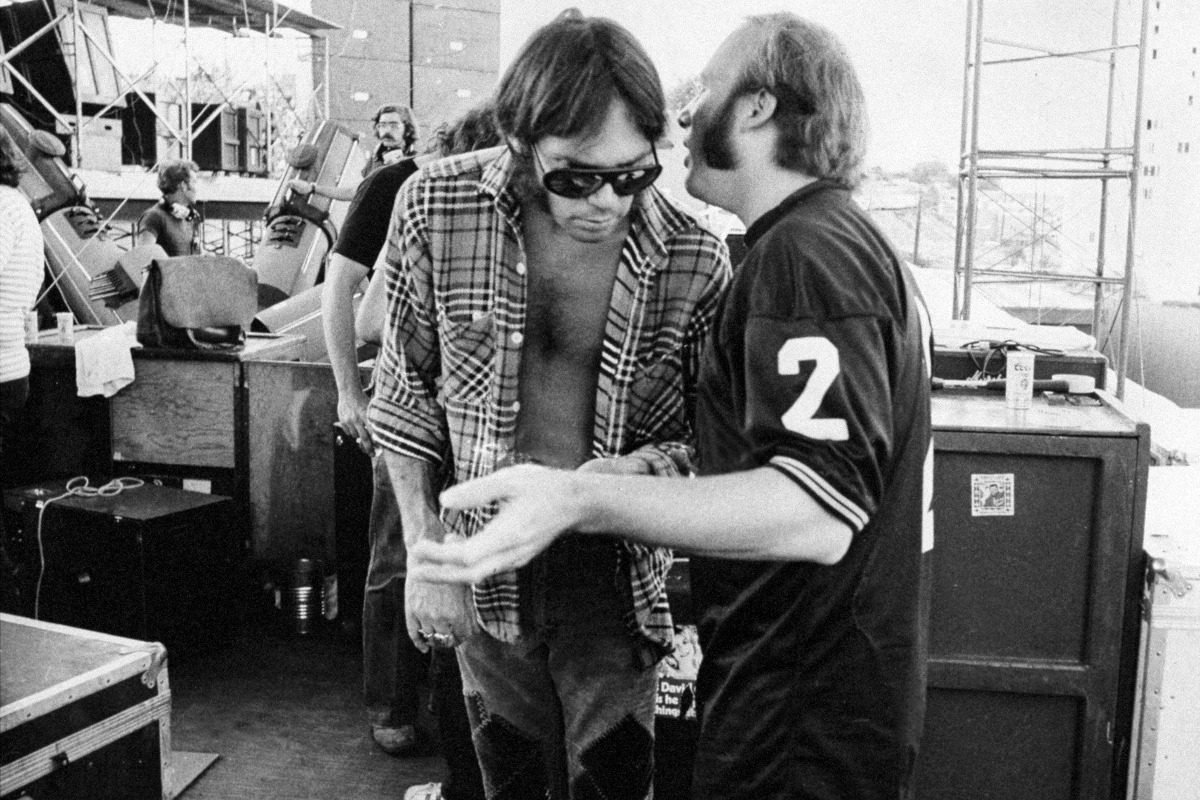
The classic album: After The Gold Rush (1970)
The better album: On The Beach (1974)
The rationale: There’s something in the way that On The Beach’s emotional weight is carried across the whole album that brings it together, creating a unified – if somewhat stark – listening experience that elevates it. By immersing the listener deep into these unflinching songs of disillusionment, unease and the fag end of the Sixties dream, in 1974 Young somehow surpasses even After The Gold Rush, despite the earlier album's many soaring highs.
8. Michael Jackson
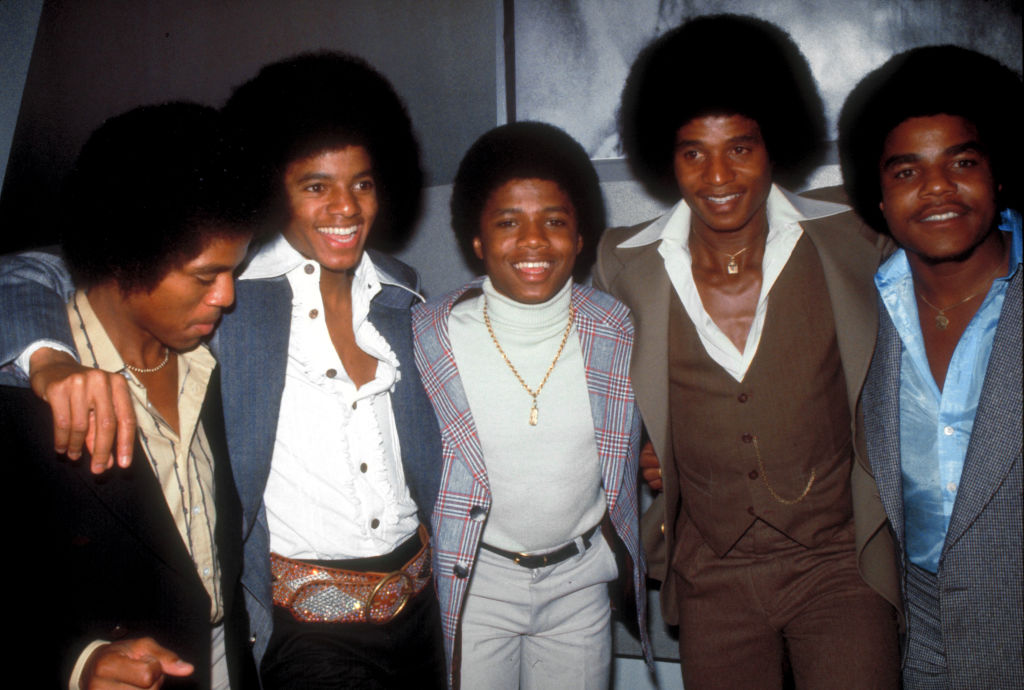
The classic album: Thriller (1982)
The better album: Off The Wall (1979)
The rationale: Thriller is rightly lauded as one of the greatest albums of the 80s, packed as it is with hit after hit. Yet while its commercial credentials are undeniable, there’s something somehow more complete about 1979's Off The Wall.
Sure, there’s less spectacle, but there’s way more groove – some of the rhythm tracks on Off The Wall are funkier than a mosquito’s tweeter, and there are more than enough hooks to go around. And, unlike Thriller, there’s not a weak track in sight (for Jacko/Macca collabs, ‘Girlfriend' trumps 'The Girl Is Mine' every time).
9. Fleetwood Mac
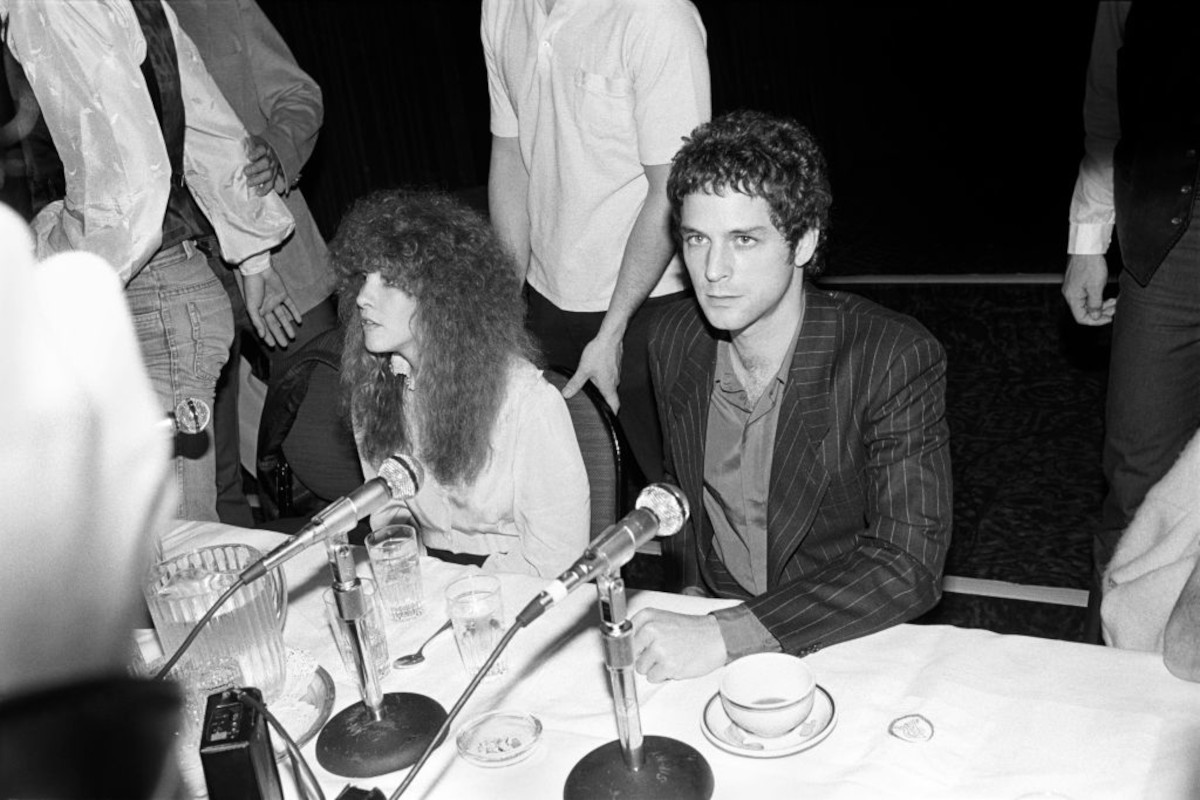
The classic album: Rumours (1977)
The better album: Tusk (1979)
The rationale: Fleetwood Mac's world-conquering Rumours (1977) is perhaps too perfect an album, with its polished production, tight harmonies and accessible songwriting. But Tusk is just more interesting. It takes more risks, it pushes boundaries and embraces greater variety. Lindsey Buckingham’s production gives each track room to develop its own identity, which makes the album less predictable and a more rewarding listen.
10. David Bowie
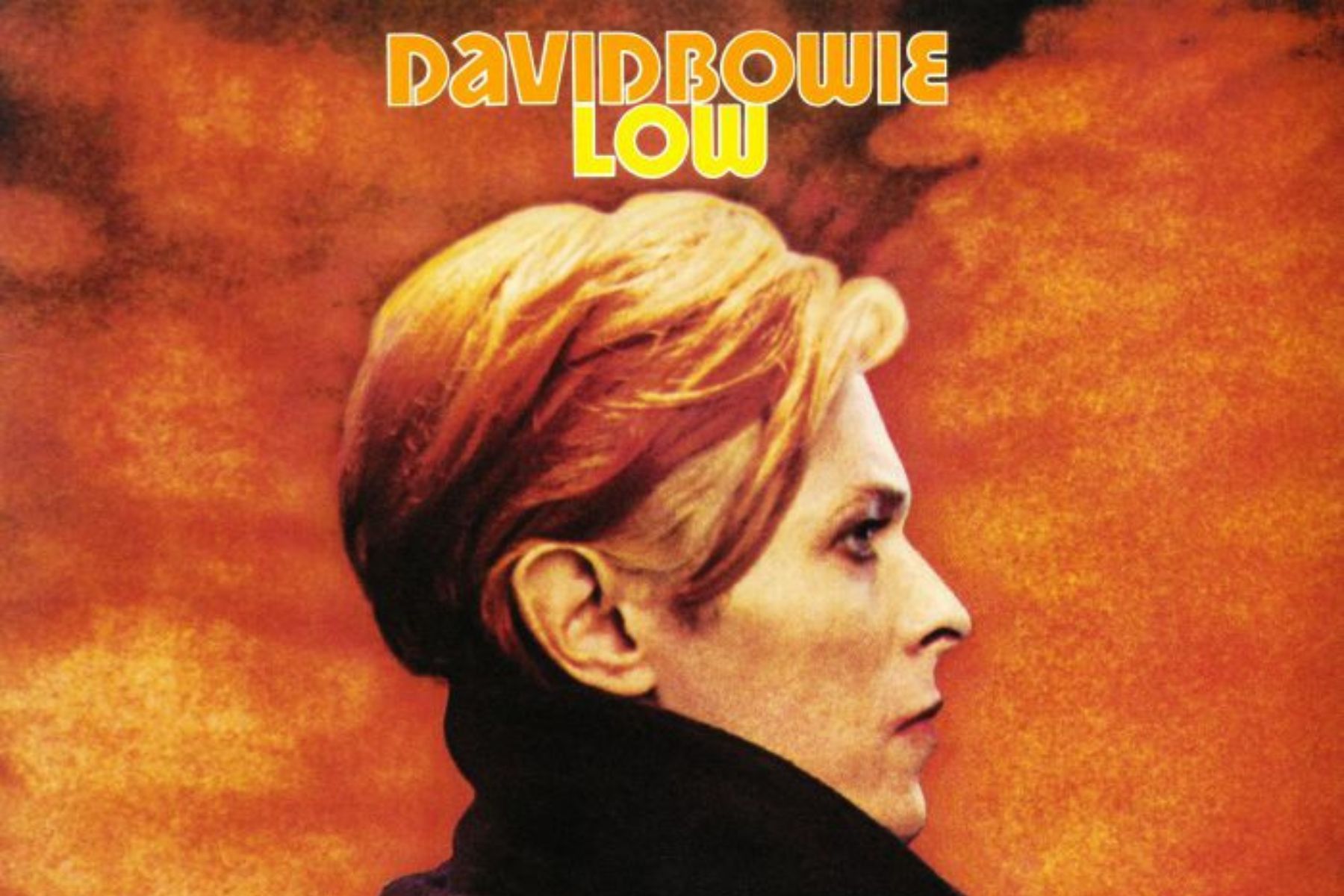
The classic album: Ziggy Stardust (1972)
The better album: Low (1977)
The rationale: Ziggy is a dazzling album full of theatre, flamboyance and great narrative flare. But by five years later, Bowie had developed unrecognisably as a songwriter, musician and visionary. There’s something so much more substantial about Low, that it’s like comparing a cartoon to a magnificent sculpture.
And there’s a place for both, of course, but when it comes to artistic endeavour, emotional depth and sonic landscapes, Low wins every time.
11. Joni MItchell

The classic album: Blue (1972)
The better album: Hejira (1976)
The rationale: While 1972's Blue is a flawless map of youthful heartbreak, Hejira is the sound of a woman who has finally found herself in the vastness of the world. By 1976, Joni Mitchell had traded the folk-pop structures of her early career for a restless, panoramic jazz-fusion.
Hejira replaces the sharp but intimately personal pain of Blue with something much more widescreen: a profound, travel-worn philosophy, anchored by Jaco Pastorius’s fretless bass, which breathes like a living organism beneath her open-tuned guitar. It is a more demanding listen, eschewing easy hooks for long-form poetic meditations on independence and the 'refuge of the road'. Hejira is Mitchell’s true sophisticated peak.
12. Pink Floyd
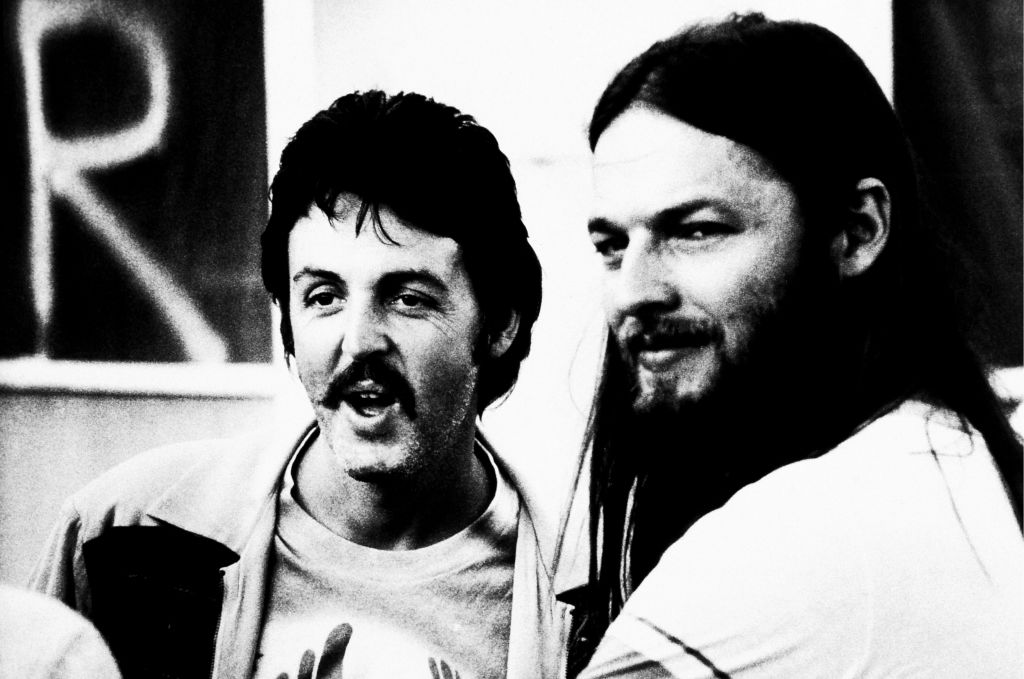
The classic album: The Dark Side Of The Moon (1973)
The better album: Animals (1977)
The rationale: In many ways, these two are companion pieces. Animals goes beyond the earlier album, though, by exploring many of the same themes – but in a sharper, meaner and more cohesive manner.
The polished production and approach of The Dark Side Of The Moon means that it becomes a more universal listen, and yet by 1977 the grittier Animals creates a more challenging – and in turn more rewarding – experience. It explores Orwellian themes with a raw intensity that is more disturbing, and so more authentic.
13. The Smiths
The classic album: The Queen is Dead (1986)
The better album: Strangeways, Here We Come (1987)
The rationale: When The Queen Is Dead came out in 1986, it felt like The Smiths just kept getting better and better. And yet with the release just a year later of Strangeways, Here We Come came the news that they’d split, with rumours of acrimony and in-fighting, which left a more sour taste in the mouth and the newer record never stood a chance.
Now, with the distance of time, the band's swan-song LP demonstrates more mature songwriting, depth and tonal range. The arrangements are richer, the balance between wit and weakness bang on and fundamentally, it sounds like a band that can do no wrong. Apart from split.
Pics Getty Images