The history of popular music is littered with those vital artists who took a risk and tried something new. After all, without the innovators, we’d be left with endless pale imitations.
Every once in a while, a major artist has pushed the boundaries so far that they’ve turned in something that will be either unrecognisable to their fans, the opposite of what they’ve become famed for, or that turns the music business on its head.
Here, we’ve selected 12 albums from the last 70 years that have done exactly that – mostly, but not always, it has turned out well…
12 completely unexpected albums
1. Little Richard – Pray Along With Little Richard (1960)
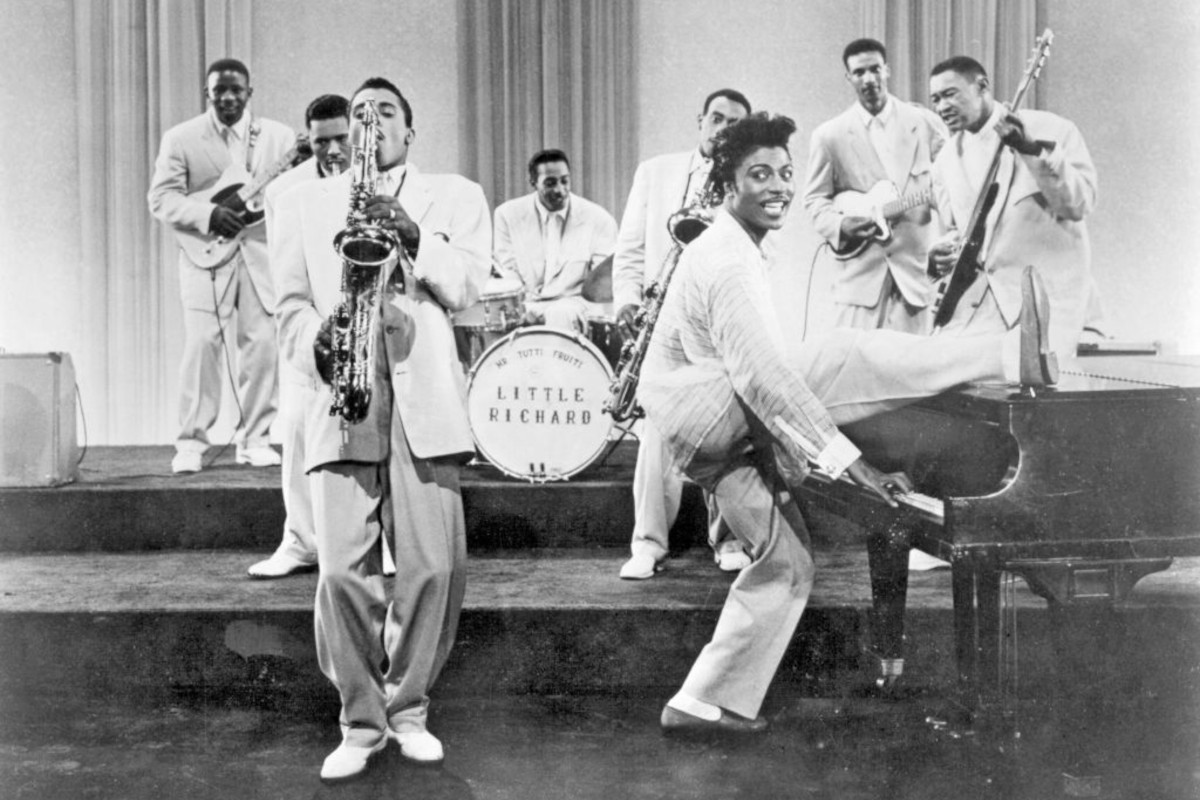
Richard Wayne Penniman was a contrary fellow in so many ways. As Little Richard, he emerged with the first wave of rock’n’roll as the wildest, most outrageous rocker of them all, with long hair piled high on his head in a pompadour, and make-up slapped on his face. His ambiguous sexuality and Devil-may-care attitude was all part of his wild-man image, with hits like ‘Tutti Frutti’, ‘Long Tall Sally’ and ‘Lucille’ driving audiences wild.
So his 1960 gospel album Pray Along With Little Richard came as quite the shock. But in 1957, Richard was born again, renounced rock’n’roll as the Devil’s work, and enrolled at an Alabama Seventh Day Adventist college to study theology.
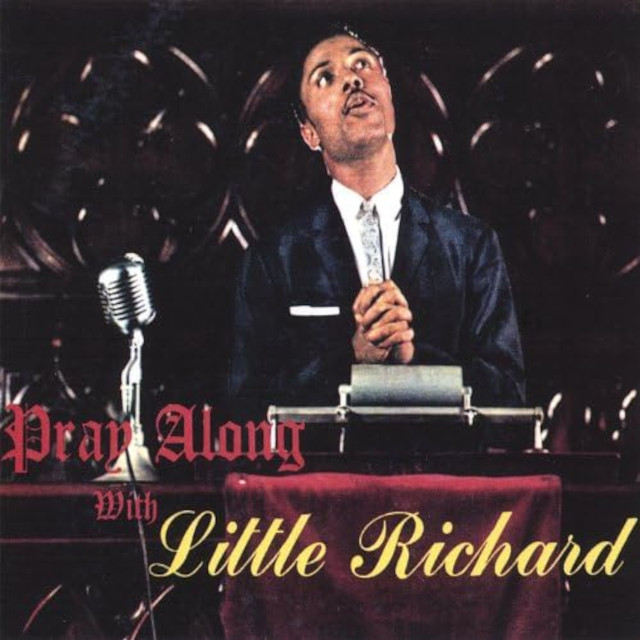
Little Richard Is Back (And There's a Whole Lotta Shakin' Goin' On!) in 1964 announced his return to rock’n’roll, and he would confusingly veer between the church and rock’n’roll for decades to come.
2. The Beach Boys – Smiley Smile (1967)
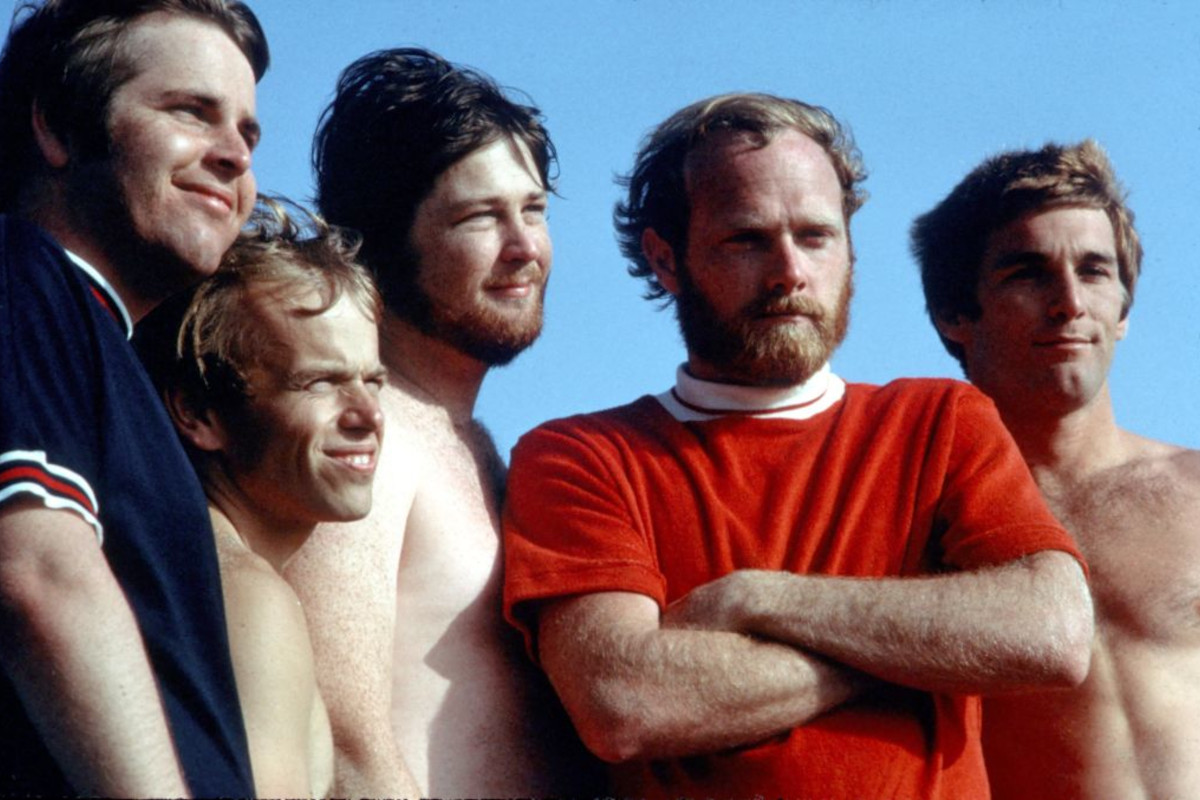
As if the response to Pet Sounds (1966) wasn’t disappointing enough for the feel-good Californian purveyors of pop songs about girls, cars and the beach, they followed it with a cut-and-paste job, chopping up half-finished songs and experiments taken from their abandoned Smile project.
Despite two monumental singles in ‘Good Vibrations’ and ‘Heroes & Villains’, the album served mainly to confuse fans who, hoping for the next ‘Help Me Rhonda’ or ‘California Girls’ instead were served up a song about munching carrots while debating favourite vegetables, and ‘She’s Goin’ Bald’, a song about exactly what the title suggests. The refrain "You're too late mama, ain't nothing upside your head" is met by the response "No hair, no hair…"
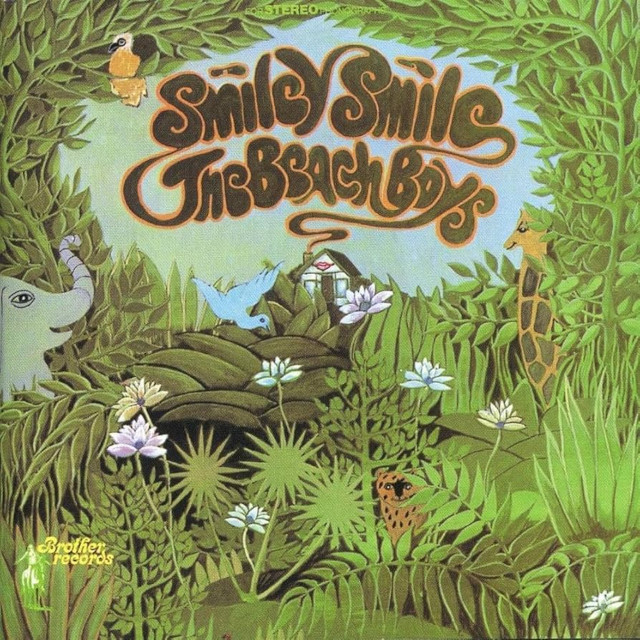
Today, fans love it, and it’s rightly considered one of the most enjoyable experiments of the time, but in 1967 it accelerated their return to obscurity.
3. John Lennon and Yoko Ono – Unfinished Music No. 1: Two Virgins (1968)
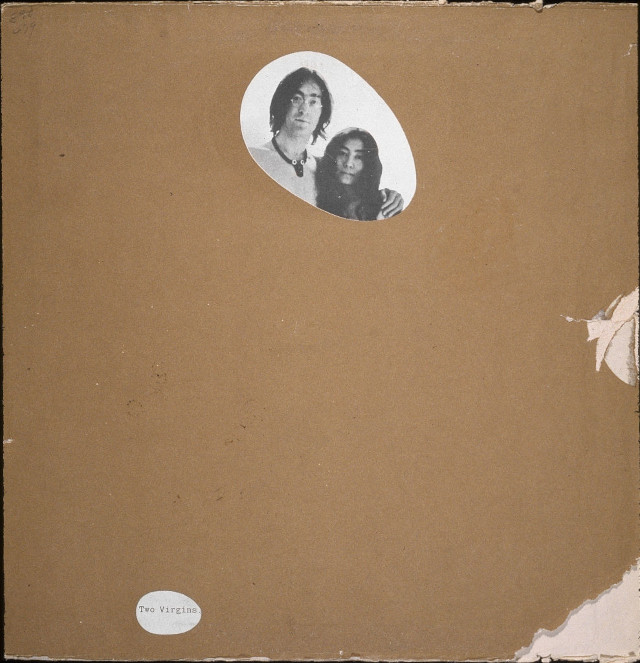
By 1968, the public had come to expect the unexpected from The Beatles (1967’s Boxing Day movie Magical Mystery Tour had dumfounded critics and viewers alike), but even still, an album from their witty one-time leader entitled Two Virgins, that came with a cover full-frontal nude portrait of Lennon with Japanese girlfriend Yoko Ono (the back, amusingly, featured a similar photo shot from behind) was a step too far.
The content, too, left the listening public united in its displeasure. Far closer to Ono’s avant garde art than anything recognisable to the listening public as music, the content was recorded at Lennon’s mock-Todor home in Surrey while his wife, Cynthia, was away.
It’s largely made up of tape loops, sound effects, whistles, various instruments played unconventionally and Ono wailing. Unlike many of the albums on this list, it hasn’t aged well and is largely considered an odd footnote to Lennon’s career.
4. Bob Dylan – Self Portrait (1970)
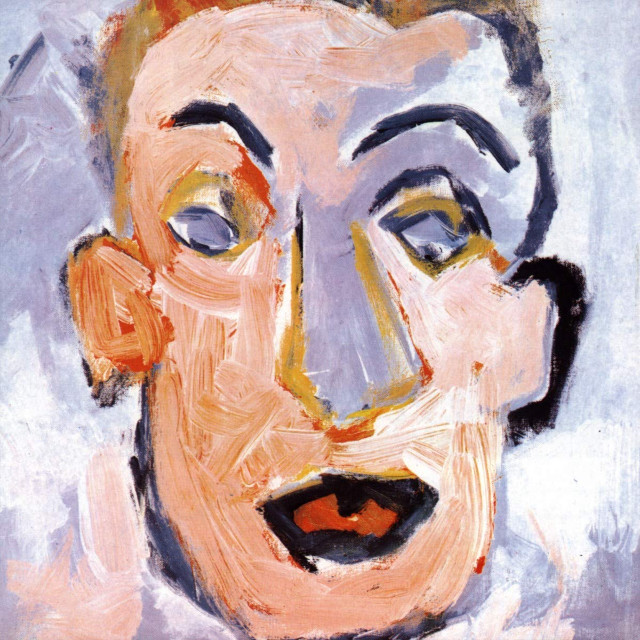
By the end of the sixties, Dylan was seen in some quarters as a kind of messiah, with fans not just hanging on his every word, but hanging out on his doorstep, going through his bins and, in Dylan’s eyes, leeching off him. His solution? To release a sprawling double album of such questionable material and quality that it would destroy his myth and force people to move onto the next idol.
Few of the songs included were new Dylan originals, and even those that were baffled listeners – not least opener ‘All The Tired Horses’, which featured a female choir instead of Dylan singing, and simply repeated the obscure question "All the tired horses in the sun/How'm I s'posed to get any ridin' done?"
The rest was largely covers of questionable quality – ‘The Boxer’, ‘Blue Moon’ and ‘Let It Be Me’ would have all been fine played in the backyard with friends but didn’t warrant inclusion on an expensive double album.
The only snag was that it didn’t work. Sure, fans and critics alike hated the record, but this only made them angry with their hero. A few months later, he seemed to cave, releasing an excellent return to form, in New Morning (also 1970).
5. Lou Reed – Metal Machine Music (1975)
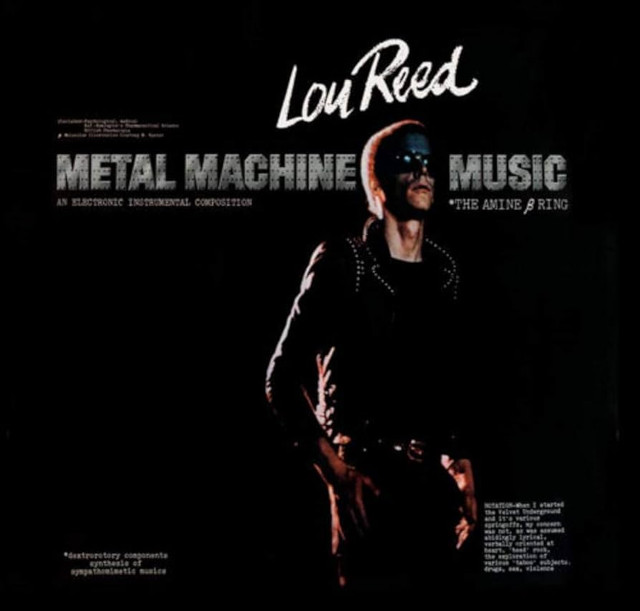
With his innovative work in the Velvet Underground followed up by visionary solo outings – notably 1972’s Transformer – Lou Reed fans knew to expect the unexpected. But despite a tendency towards being open-minded, they returned 1975's Metal Machine Music in their droves, with a huge percentage of the 100,000 copies sold on release taken back for refunds.
The problem was a complete lack of songs. In fact, worse than that, the double album was entirely made of modulated feedback and guitar effects, played at varying speeds. Even Reed said of it, "Anyone who gets to side four is dumber than I am." Within three weeks, RCA were forced to remove it from sale altogether.
6. David Bowie – Low (1977)
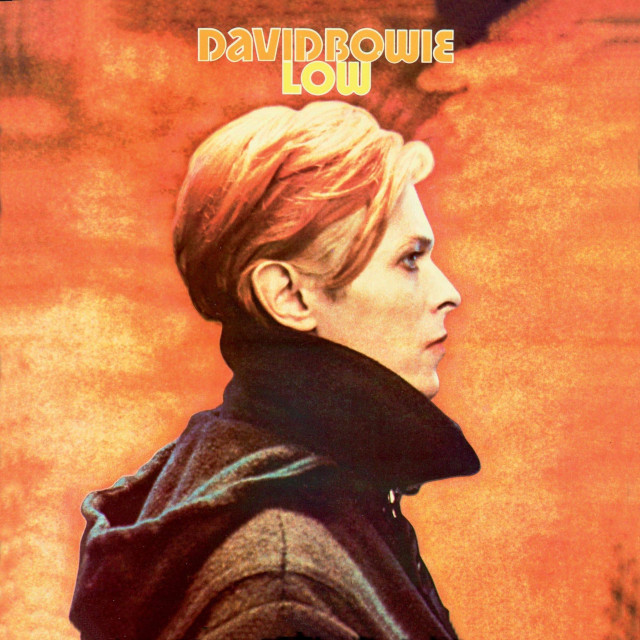
Looking back on David Bowie’s career today, we can see that he was the king of reinvention. But in 1976, his record label, RCA, were so disappointed when they heard his new album that they refused to even release it, advising him to make another album in the same vein as Station To Station or Young Americans – a guaranteed commercial success, in other words.
By contrast with his previous records, Low comprised one side of fragmented avant-pop songs with sparse lyrics, while side two is largely instrumental, exploring the influences of ambient music and Krautrock on Bowie’s sonic visions of Europe.
Eventually, RCA caved in and, on its release, Low was loved by critics and many fans, with it staying on the UK albums chart for 30 weeks and, in ‘Sound And Vision’, delivering at top 3 hit single. Bowie put the RCA rejection letter on his wall.
7. Fleetwood Mac – Tusk (1977)
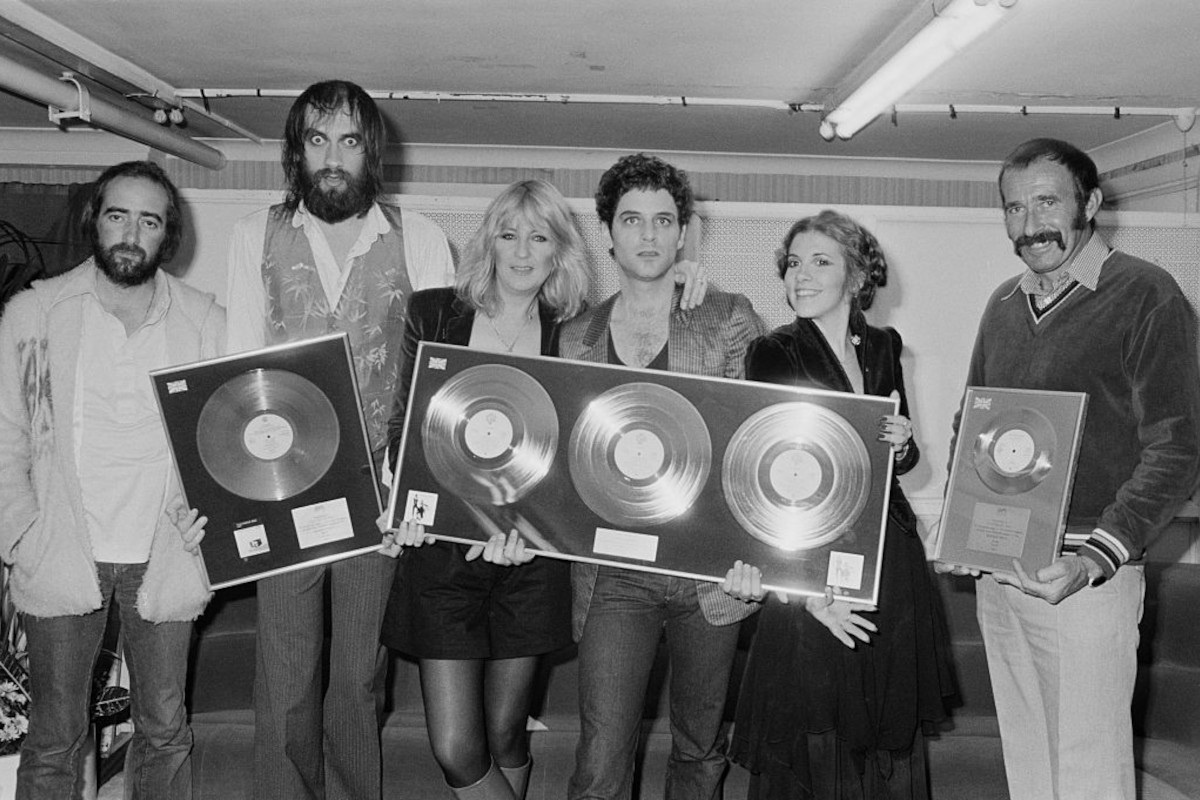
Rumours (1977) was one of the best-selling albums of all time, with a polished and radio-friendly sound that delivered a stack of top 10 hits. The follow-up, Tusk, was quite the opposite, and fans awaiting Rumours part II were disappointed. But their disappointment was short lived.
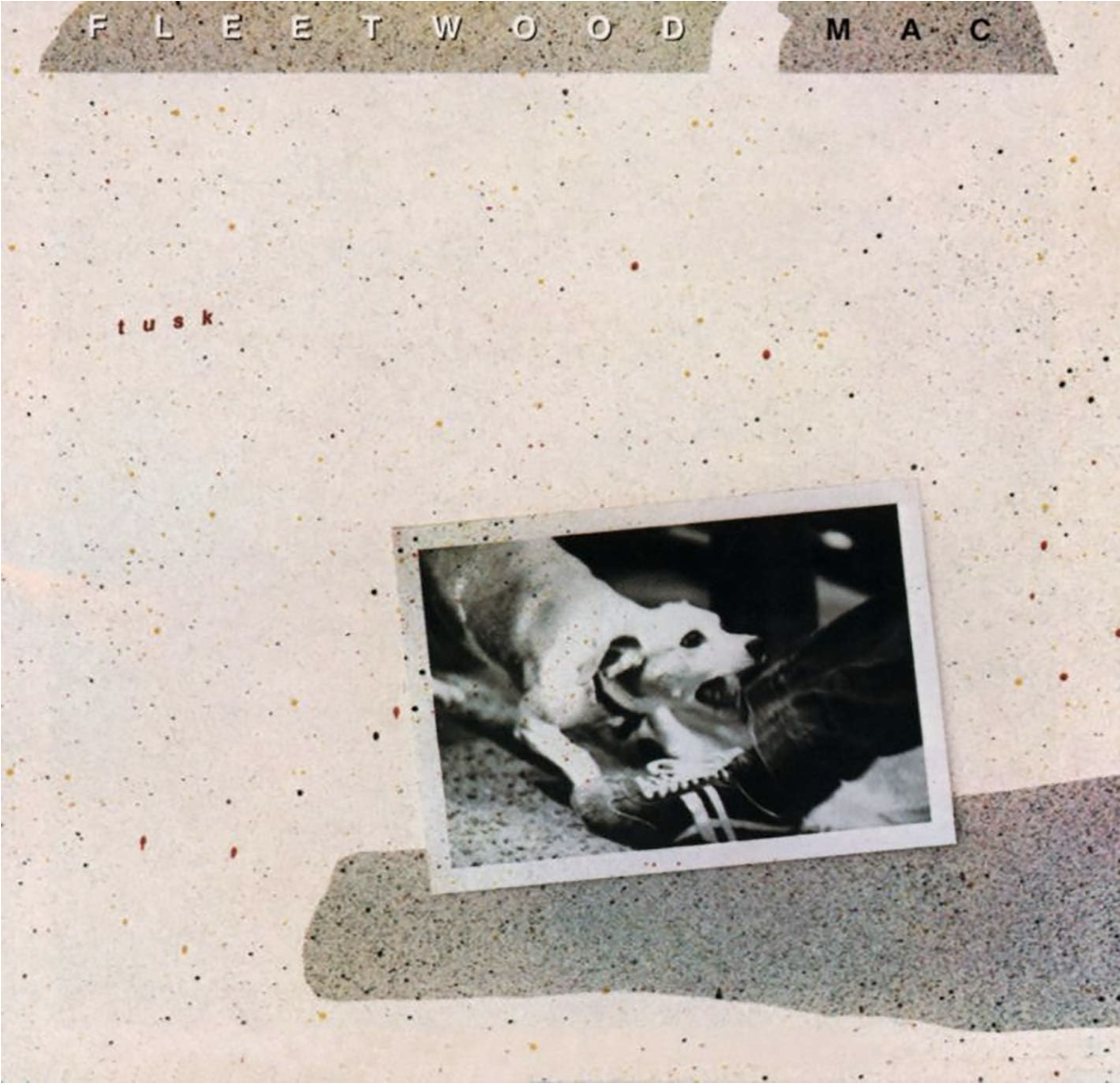
A relatively lo-fi production, Tusk was their White Album – unconventional song structures and a sprawling stylistic approach met with widespread praise for its originality and experimentation.
8. Public Image Limited – Metal Box (1979)
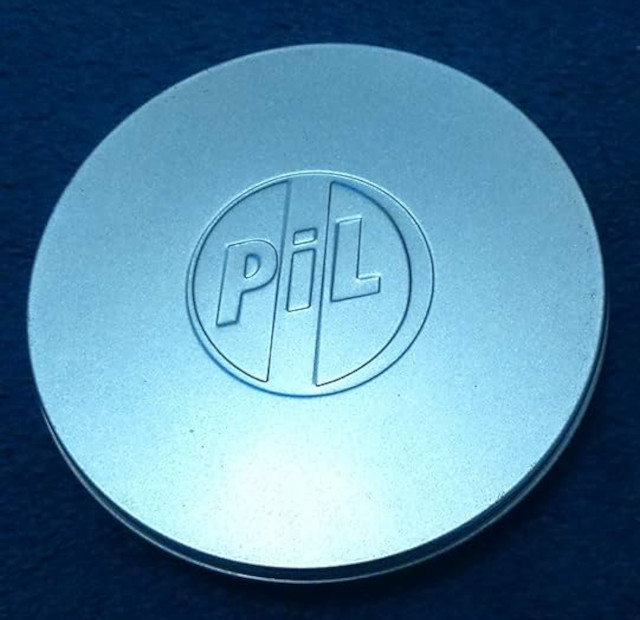
So-named for the simple reason that it came not in a card sleeve but a circular metal box, Public Image Ltd’s 1979 album was shocking to punk fans expecting lead singer Johnny Rotten to pick up where he had left off with the Sex Pistols. But Metal Box does anything but.
Jah Wobble’s towering dub-influenced bass lines underpinning an album that feels both expansive and claustrophobic. If critics of punk dismissed Johnny Rotten for lack of substance, Metal Box showed that there was as much art as aggro about him.
9. Queen – Hot Space (1982)
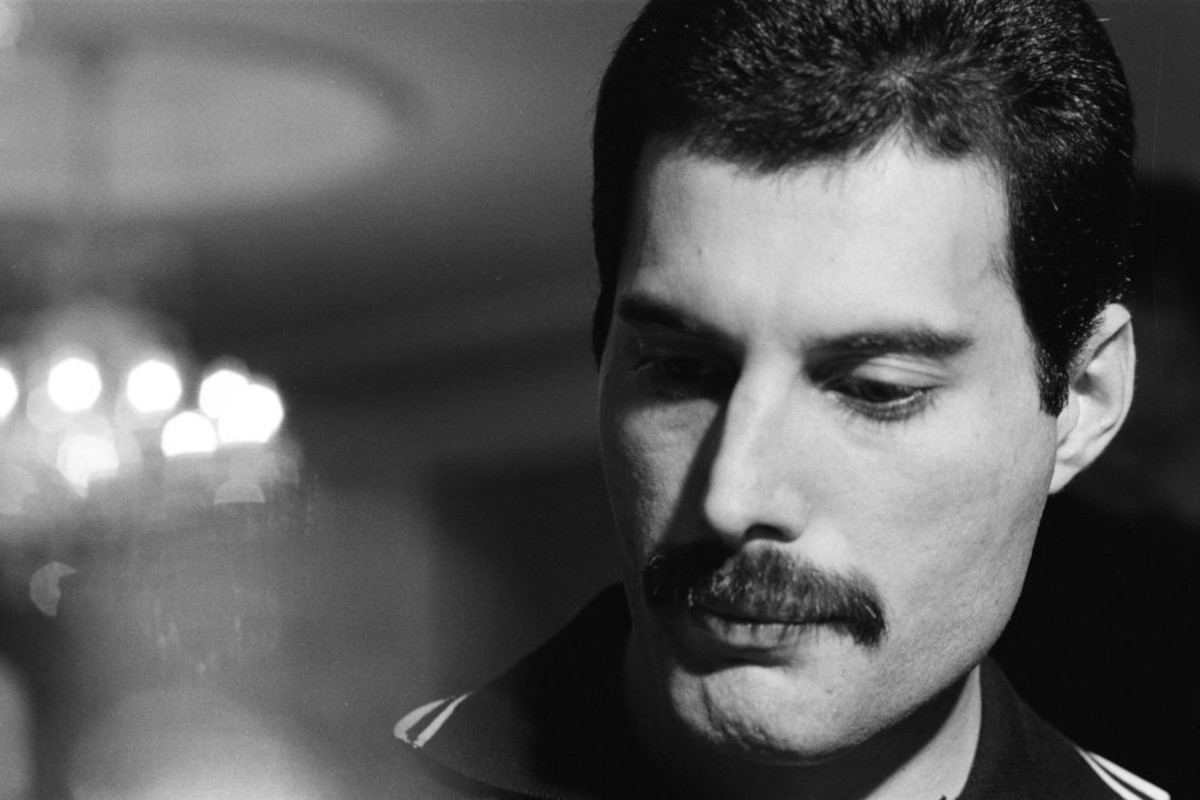
As a band known for proudly declaring that no synthesizers were used on their records, English rockers Queen did what to many of their fans was unthinkable when, in 1982, they released an album that not only featured synths and drum machines, but was clearly embracing electro-funk, disco and R&B – traditionally styles that were the polar opposite of the heavy rock their fans loved.
And while it would be lovely to say that they lapped it up, they didn’t. And with the benefit of hindsight, it’s not so much the new styles, instrumentation and production but the lack of good songs that proved to be Hot Space’s downfall.
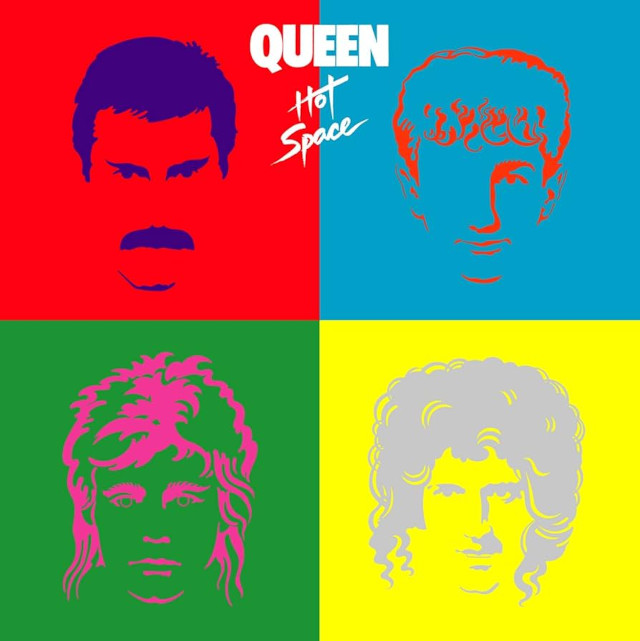
With the obvious exception of the imperious ‘Under Pressure’, Hot Space is largely made up of half-baked ideas presumably made up while tinkering with unfamiliar equipment.
10. The Cure – Japanese Whispers (1983)
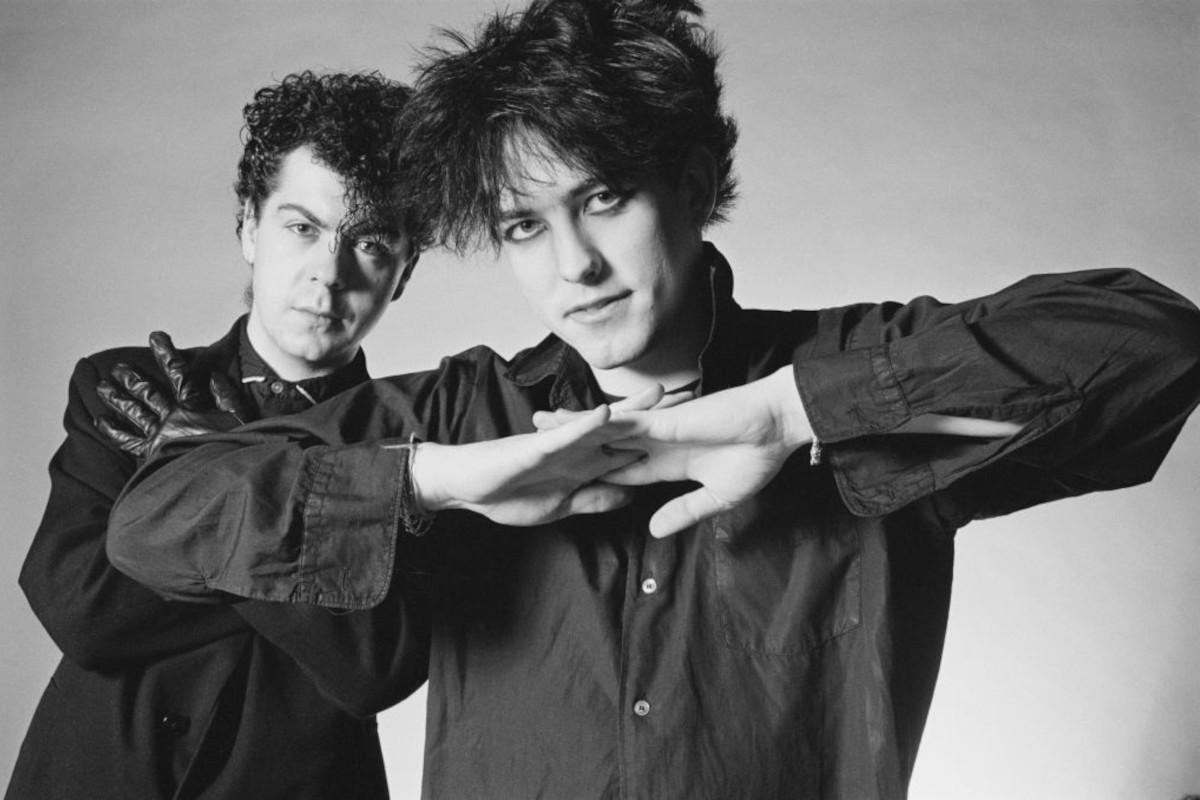
England’s finest post-punk band had been getting steadily gloomier and darker by the album, with the bleak Seventeen Seconds followed in turn by the funereal Faith and then the dark-as-can-be Pornography (opening line: "It doesn’t matter if we all die"). It was hard to imagine where they could go from here, but nobody had their money on disco-influenced synth-pop.
When he took lead single ‘Let’s Go To Bed’ to his label they warned him that the group’s fans would hate it. "I understood that, but I wanted to get rid of all that," explained singer Robert Smith. "I didn’t want that side of life anymore; I wanted to do something that’s really kind of cheerful."
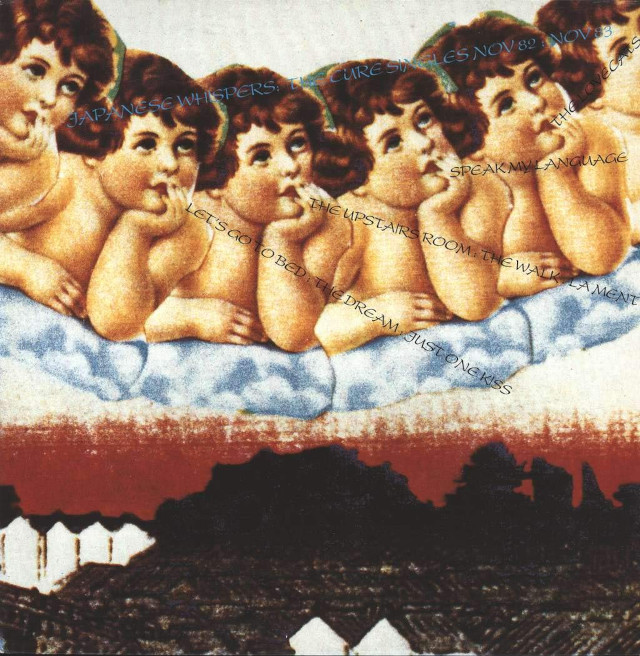
‘Let’s Go To Bed’ was followed by ‘The Walk’ and ‘The Love Cats’, all three accompanied by entertaining and amusing videos, and the band’s metamorphosis was complete.
11. Radiohead – Kid A (2000)
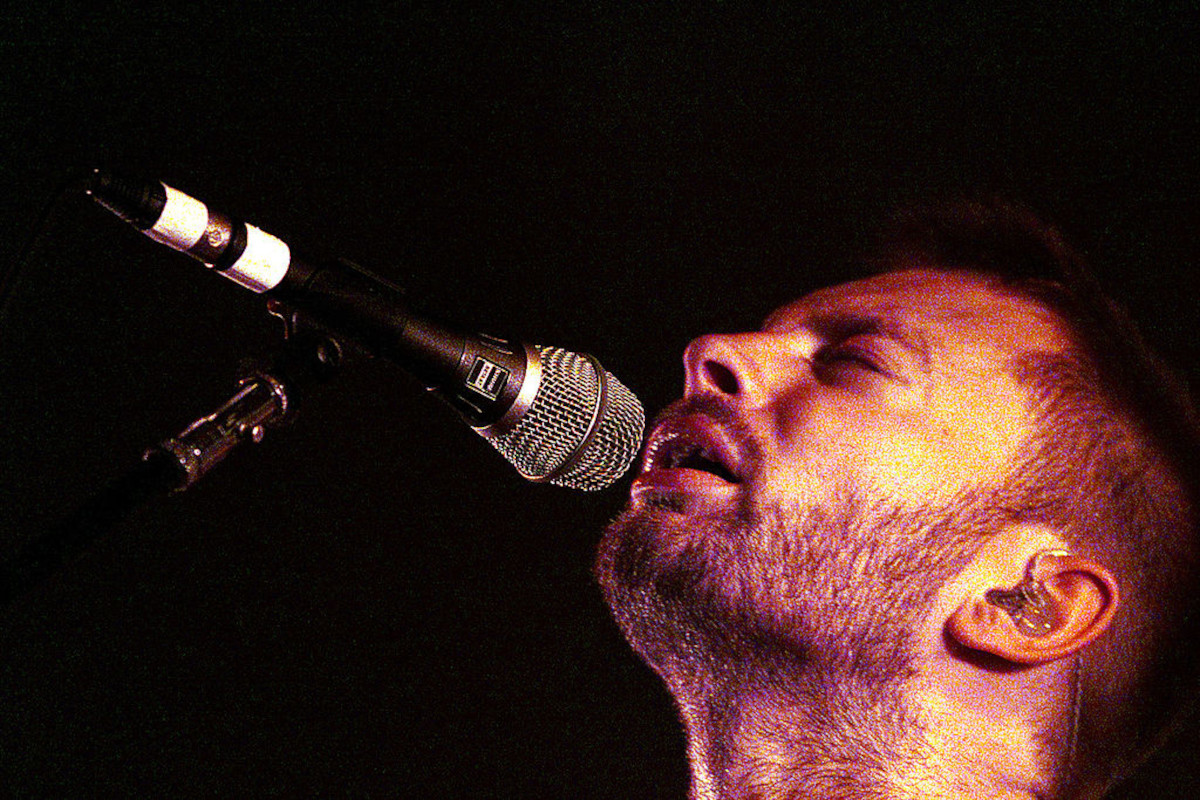
The phenomenal commercial and critical success of OK Computer (1997) was a double-edged sword for Oxford’s alt-rockers Radiohead. The touring and media attention led to burnout, with singer Thom Yorke complaining of writer’s block, as well as becoming disillusioned with guitar-based music.
It was into this environment that they made Kid A, eschewing pop songs and melody in favour of electronics, rhythm and the abstract. Suffice to say, the resulting album alienated many of their fans, and things weren’t helped by the band’s refusal to rejoin the press merry-go-round.
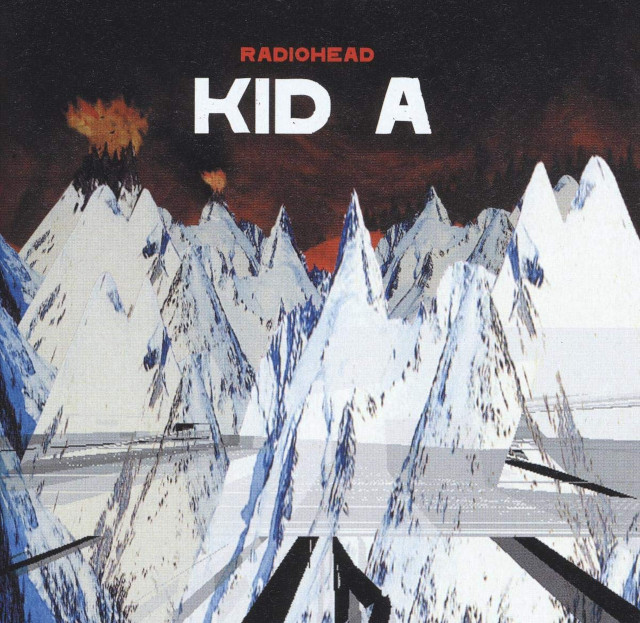
And while they may have committed commercial suicide, many critics and fans loved it, with their new approach earning them perhaps as many fans as they lost. Today, it’s considered one of the high points of a career that continues to keep fans guessing.
12. Beyoncé – Beyoncé (2013)
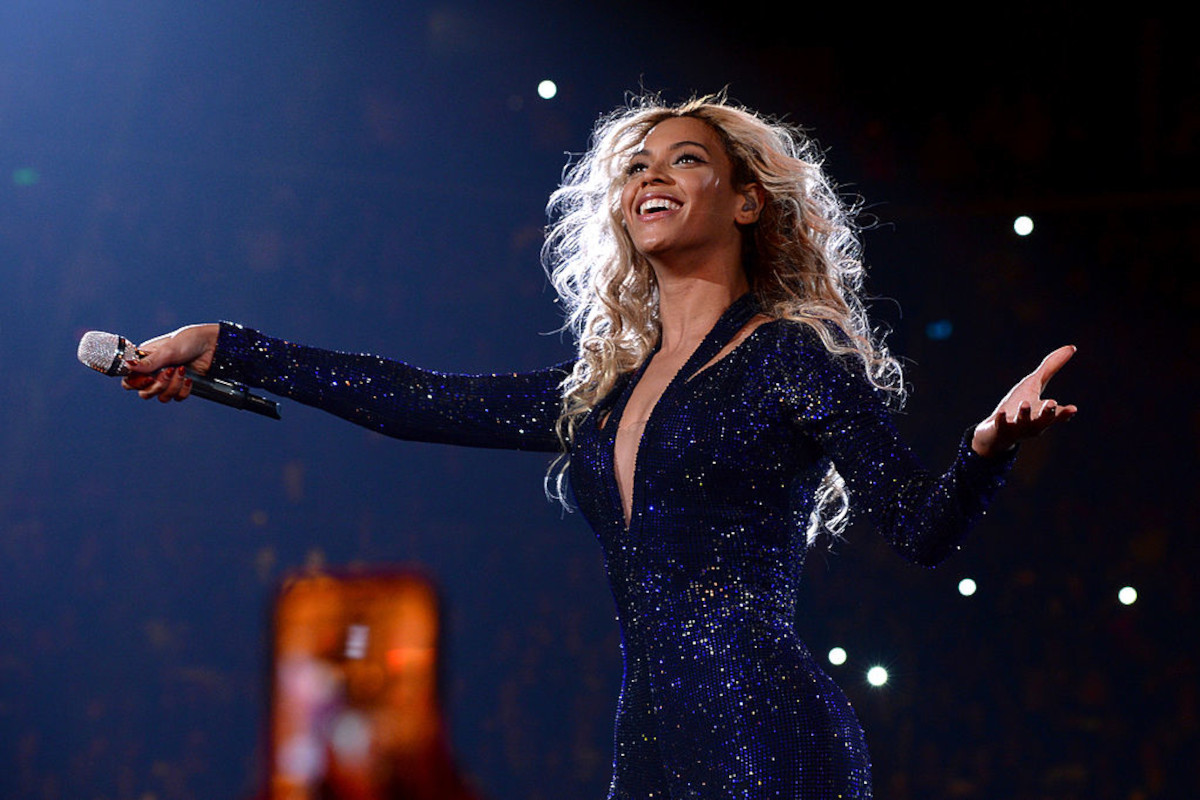
On 13 December 2013, Beyoncé’s eponymous album appeared out of the blue on streaming services with no advance warning, no promotion and no marketing campaign. Recorded in secret, collaborators had been invited to stay at her mansion while they made the album.
And it wasn’t just the lack of fanfare that made it an unexpected release. The content was a huge step forward for the American singer-songwriter.
More mature, more personal and using a much broader range of styles and sounds, Beyoncé sang about issues affecting her and other modern women from a feminist perspective.
It was an instant hit, and received a bucket load of praise and awards, and remains one of her greatest works.
All photos Getty Images / Album covers Amazon
Top image David Bowie poses for a portrait in 1976