
While any musician would love to go out in a blaze of glory with a classic final album, life rarely works out quite that way. In some cases, inspiration has run its course and later work lacks the indefinable magic of the music they made when they were young and hungry.
In other instances, a band breaks up or is dropped by their record label after an underperforming album. And in many tragic cases, an act’s career is cut short before they reach their full potential.
But there are also many great final albums – some by bands who knew they were splitting up, others by artists who knew they didn’t have long to live and seized the moment.
Here’s our pick of 11 great albums that turned out to be an artist’s last.
11 unforgettable final albums
11. Queen, Innuendo (1991)
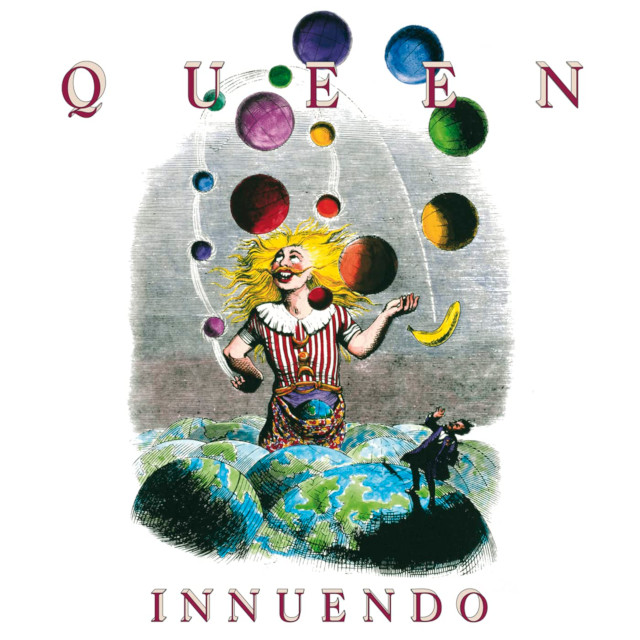
Though Queen frontman Freddie Mercury was diagnosed with AIDS in the spring of 1987, he kept his illness private until 23 November 1991, when he issued a statement following intense media speculation about his health – he died the day after.
His condition had meant that Queen’s 14th and final album, Innuendo, had been delayed until February that year – but despite his poor health during the recording of the album, Mercury rallied for an album that is a fitting farewell from a unique talent.
Mercury’s own ‘I’m Going Slightly Mad’ dealt with mortality and mental deterioration with fitting humour and drummer Roger Taylor’s ‘These Are The Days Of Our Lives’ provided a touching hit of nostalgia, but it was ‘The Show Must Go On’, written by guitarist Brian May, which gave Mercury his brilliantly theatrical send-off.
Key track: 'The Show Must Go On'
10. Fugazi, The Argument (2001)
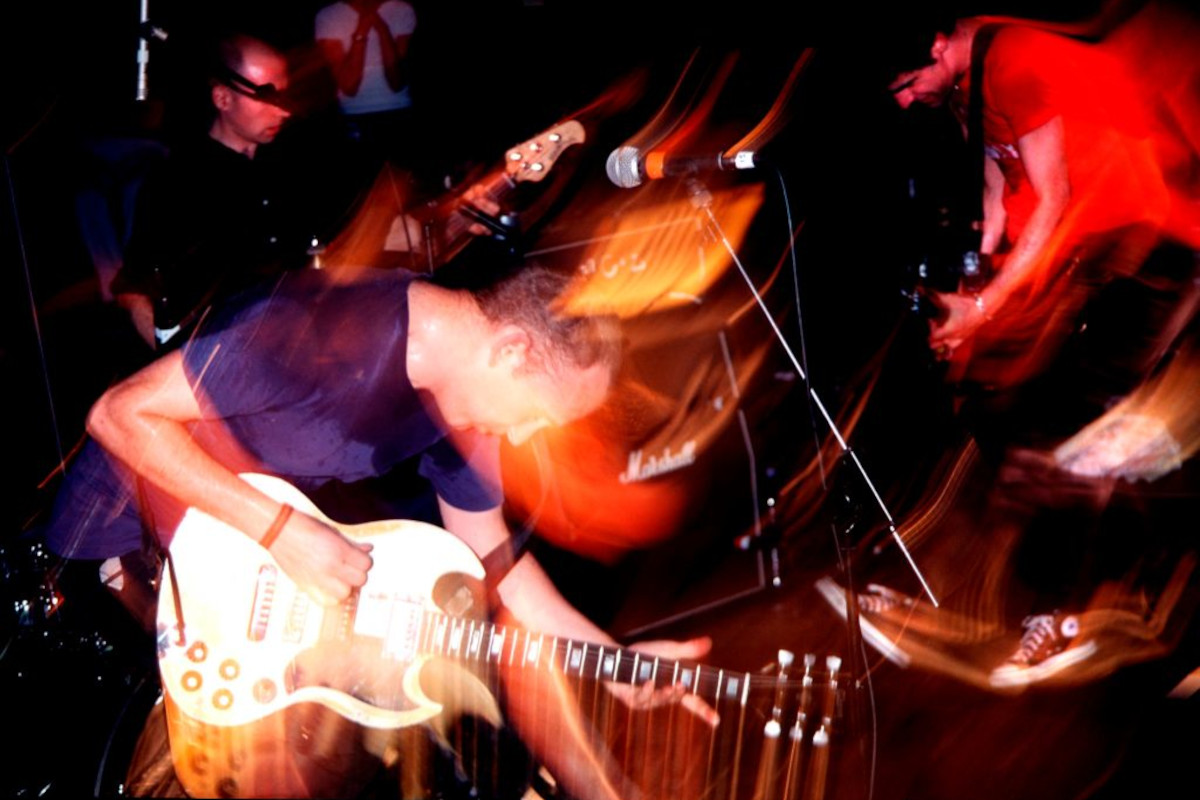
While US hardcore trailblazers Fugazi are technically on hiatus, it’s been two decades since their last album, The Argument. It’s a fitting finale – a collection that feels like the culmination of everything the group had been working towards their entire career.
The propulsive riffs and hammering percussion of the likes of ‘Full Disclosure’ and ‘Epic Problem’ are matched by the furious-as-ever lyrics. But on tracks such as ‘Cashout’ and ‘Nightshop’ they show how far they’ve come from their hardcore roots, with moments of subtle experimentation.
And if they prove us wrong and release another album? We’ll gladly consider ourselves corrected.
Key track: 'Epic Problem'
9. Cream, Goodbye (1969)
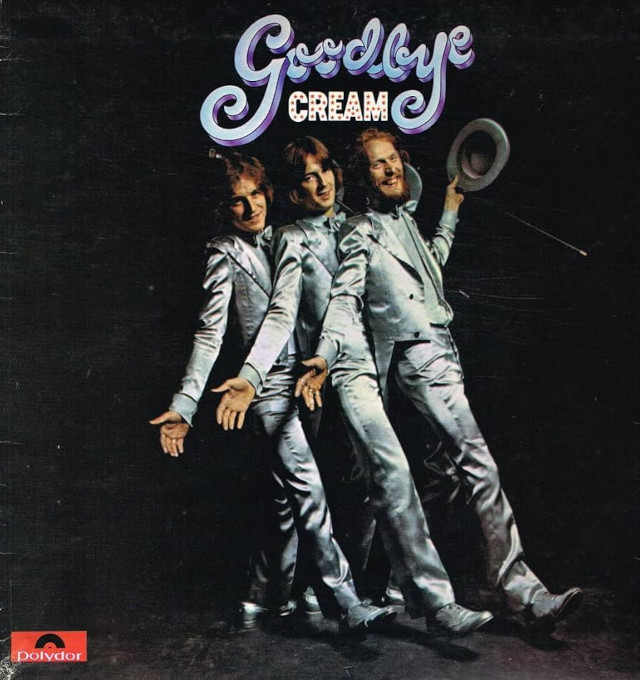
Blues-rock supergroup Cream take the prize for most literal title and cover for a farewell album with their fourth and final album, Goodbye, released in February 1969. The front cover showed the three members – Ginger Baker, Jack Bruce and Eric Clapton – wearing matching silver suits and top suits and doing a none-more-showbiz soft shuffle.
While goodbyes can often be sad affairs, each of the group – famous for their explosive bust-ups – all look utterly delighted at the prospect of going their separate ways. Goodbye was split into live tracks – recorded at The Forum, Los Angeles, on 19 October 1968 – and studio recordings, recorded in Los Angeles just before their final show, at the Royal Albert Hall on 26 November ’68.
Pick of the bunch was the chunky rocker ‘Badge’, co-written by Clapton and George Harrison. Cream reformed for some ecstatically received shows in 2005, but – true to the last album’s word – they never recorded another album together.
Key track: 'Badge'
8. Johnny Cash, American IV: The Man Comes Around (2002)
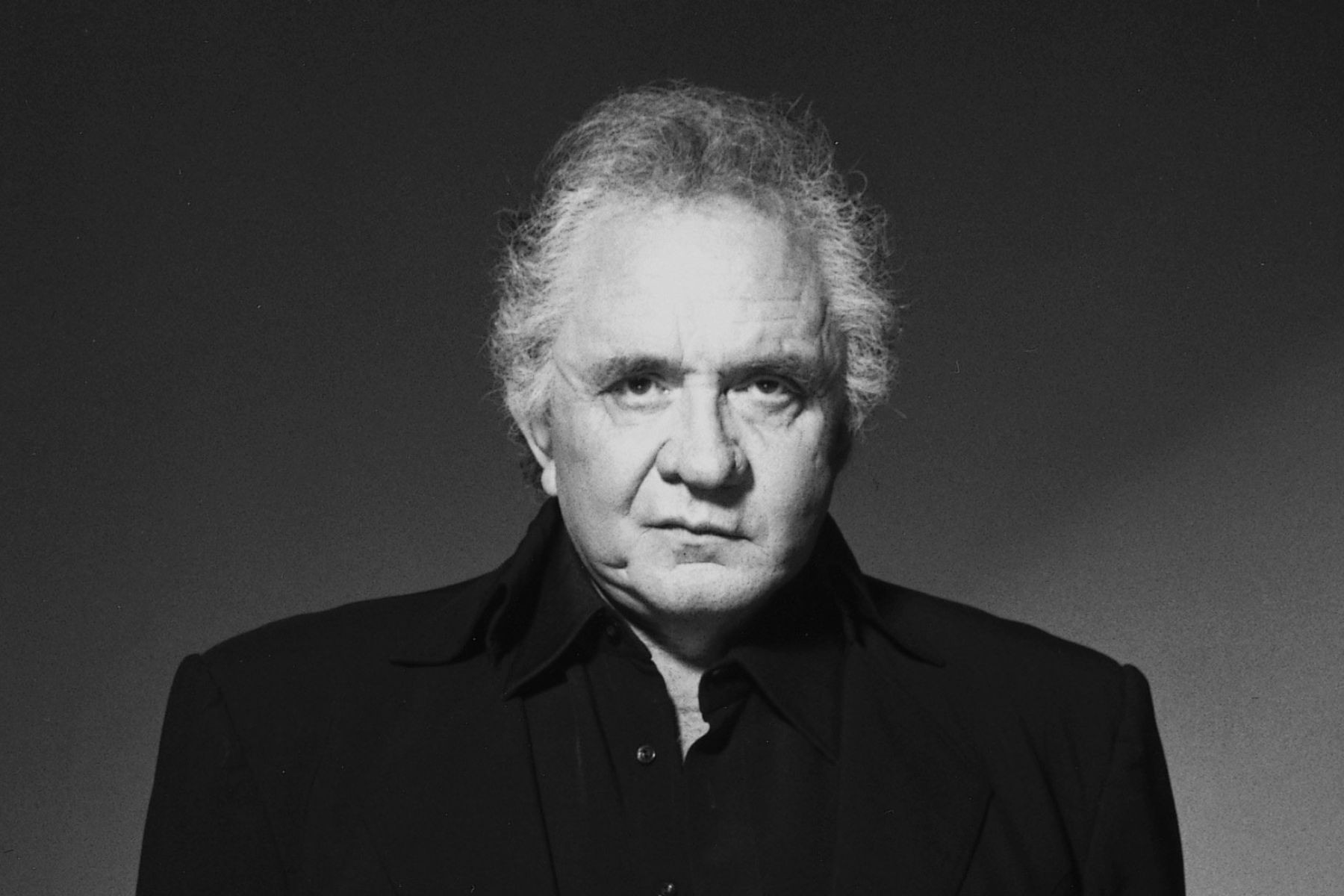
The final album by Johnny Cash lived up to his status as a giant of American music. The fourth album in the stripped-back ‘American’ series of albums produced by Rick Rubin found Cash taking on songs by an eclectic bunch of songwriters including Trent Reznor of Nine Inch Nails (‘Hurt’), Paul Simon (‘Bridge Over Troubled Water’), Martin Gore of Depeche Mode (‘Personal Jesus’) and John Lennon (‘In My Life’).
As with his previous Rubin-produced albums, Cash brought the full weight of his experience to his vocals, imbuing them with decades’ worth of living. Most significant though, was the righteous title track, one of three Cash originals on the album – alongside ‘Give My Love To Rose’ and ‘Tear Stained Letter’ – and his last great song.
Key track: 'The Man Comes Around'
7. Simon and Garfunkel, Bridge Over Troubled Water (1970)
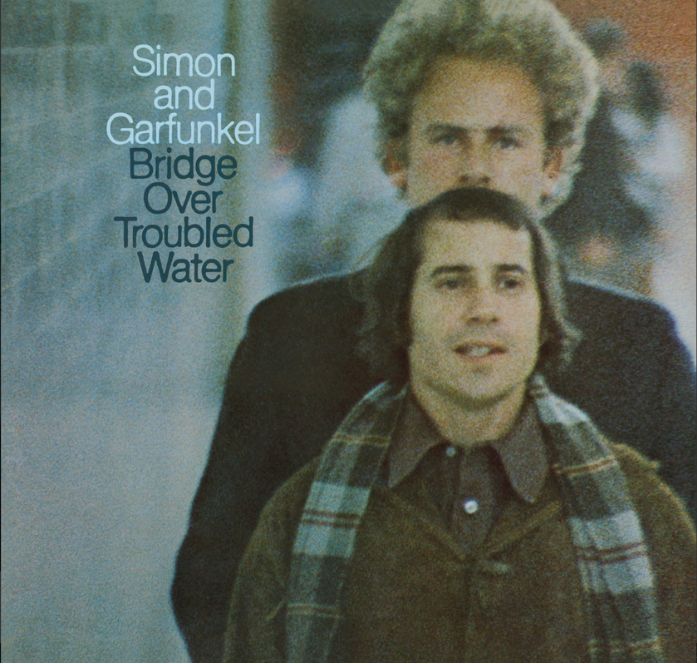
Paul Simon and Art Garfunkel chose to break up their partnership at their absolute peak. Released in January 1970, Bridge Over Troubled Water was a phenomenon, selling over 25 million albums worldwide, sweeping the board at the Grammys and topping charts everywhere off the back off songs of the quality of the secular hymn of a title track, melancholy marvels such as ‘The Boxer’ and ‘The Only Living Boy In New York’ and up-tempo gems ‘Cecilia' and ‘Keep The Customer Satisfied’.
But creative and personal tensions between the pair meant that they parted ways by July 1970. Despite their problems, the pair have reunited on several occasions for concerts – most famously a free show in Central Park, New York, in 1981 which attracted a crowd of half a million. The success of that show led to a world tour and the pair returned to the studio with the intention of making an album, to be called Think Too Much.
Though a bunch of songs were recorded, Simon had a change of heart, Garfunkel’s vocals and released the material in 1983 as a solo album, Hearts And Bones. So Bridge Over Troubled Water remains their last hoorah, unless the old frenemies can patch it up one last time?
Key track: 'Only Living Boy In New York'
6. The Smiths, Strangeways, Here We Come (1987)
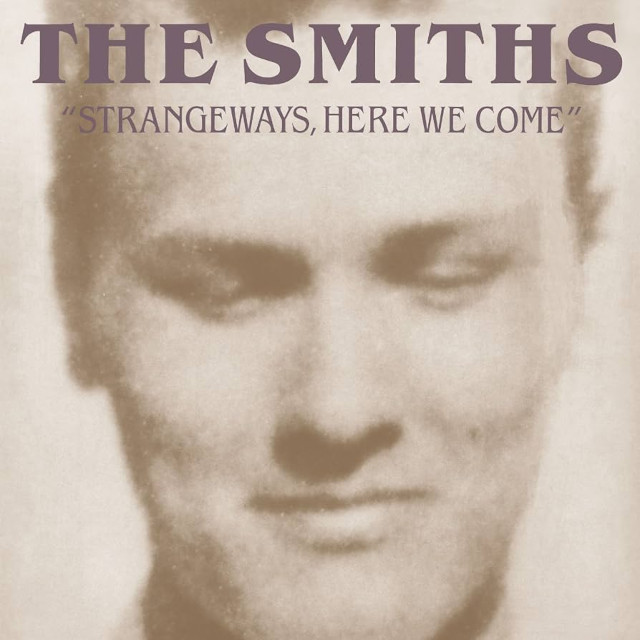
The fourth and final album by indie heroes The Smiths was released on 28 September 1987, roughly three-and-a-half years after their self-titled debut album. During that time, they won the hearts of troubled teens all over the globe, but as their fame grew, so did the cracks in the relationship between the band’s principal creative forces, singer Morrissey and guitarist Johnny Marr.
A relentless recording and touring schedule only exacerbated the situation, along with musical differences and the fact that Marr had taken on the burden of handling the group’s business affairs. "It’s what split the band up," Marr told NME in 2016. "To this day I haven’t met anyone who thinks a major rock group should be managed by the 23-year-old guitar player."
And yet, Strangeways was a triumph – perhaps even the band’s greatest album – from the stirring ‘A Rush And A Push And The Land Is Ours’ to the heartbreaking closer ‘I Won’t Share You’, rumoured to be a message from Morrissey to Marr.
Key track: 'I Won't Share You'
5. Leonard Cohen, You Want It Darker (2016)
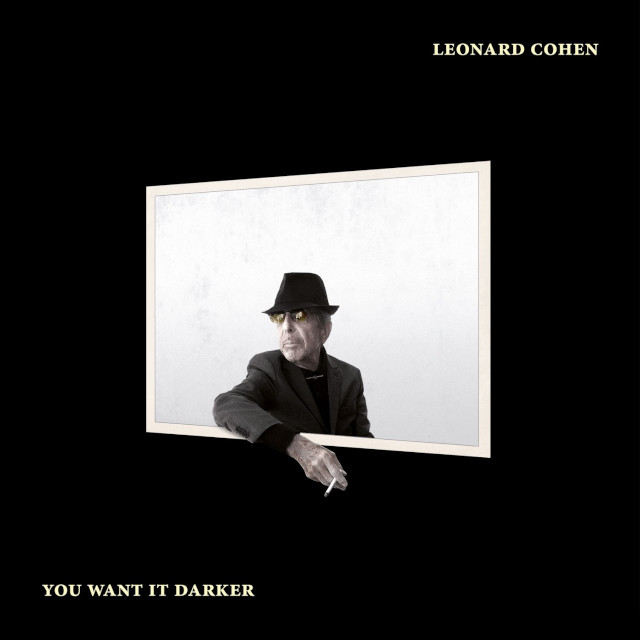
"I am ready to die," Said Leonard Cohen an interview with the New Yorker to promote his 14th studio album, You Want It Darker, "I hope it’s not too uncomfortable. That’s about it for me."
You Want It Darker was released on 21 October 2016; Cohen died in his sleep 17 days after following a fall. The album is the work of a man coming to terms with his imminent passing and weighing up the big questions – mortality, religion, love, humanity’s flaws – laced with his trademark dark humour.
The title track sums it up, over a drily funky groove, Cohen growls, “If you are the dealer, I’m out of the game”, going on to declare "Hineni, hineni [‘Here I am’ in Hebrew], I’m ready, my Lord."
Key track: 'You Want It Darker'
4. Amy Winehouse, Back To Black (2006)
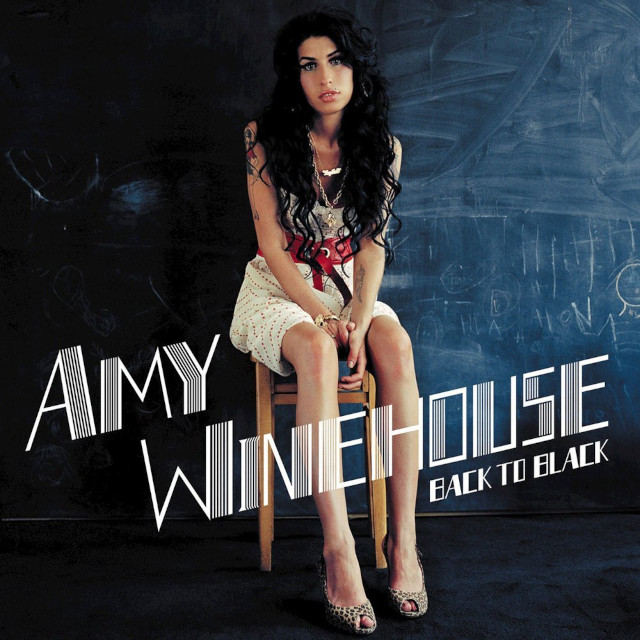
While Amy Winehouse’s 2003 debut album Frank was a modest hit, nothing could’ve prepared her for the stratospheric success of her follow-up Back To Black. Tragically, it would also be the last album Winehouse made.
Drawing upon the fall-out of a tempestuous relationship and inspired by her partnership with producer Mark Ronson, Back To Black combined Winehouse’s unflinchingly honest, down-to-earth lyrics, her love of ’60s girl groups, hip-hop and modern R&B and her unique, jazz-tinged delivery.
Songs such as ‘Rehab’, ‘Back To Black’, ‘You Know I’m No Good’ and ‘Tears Dry On Their Own’ were instant classics, but their starkly autobiographical lyrics – pounced upon by the tabloid press who hounded her – turned out to be heartbreakingly prescient and Winehouse died of alcohol poisoning in 2011 aged just 27.
Key track: 'Back To Black'
3. Nirvana, In Utero (1993)
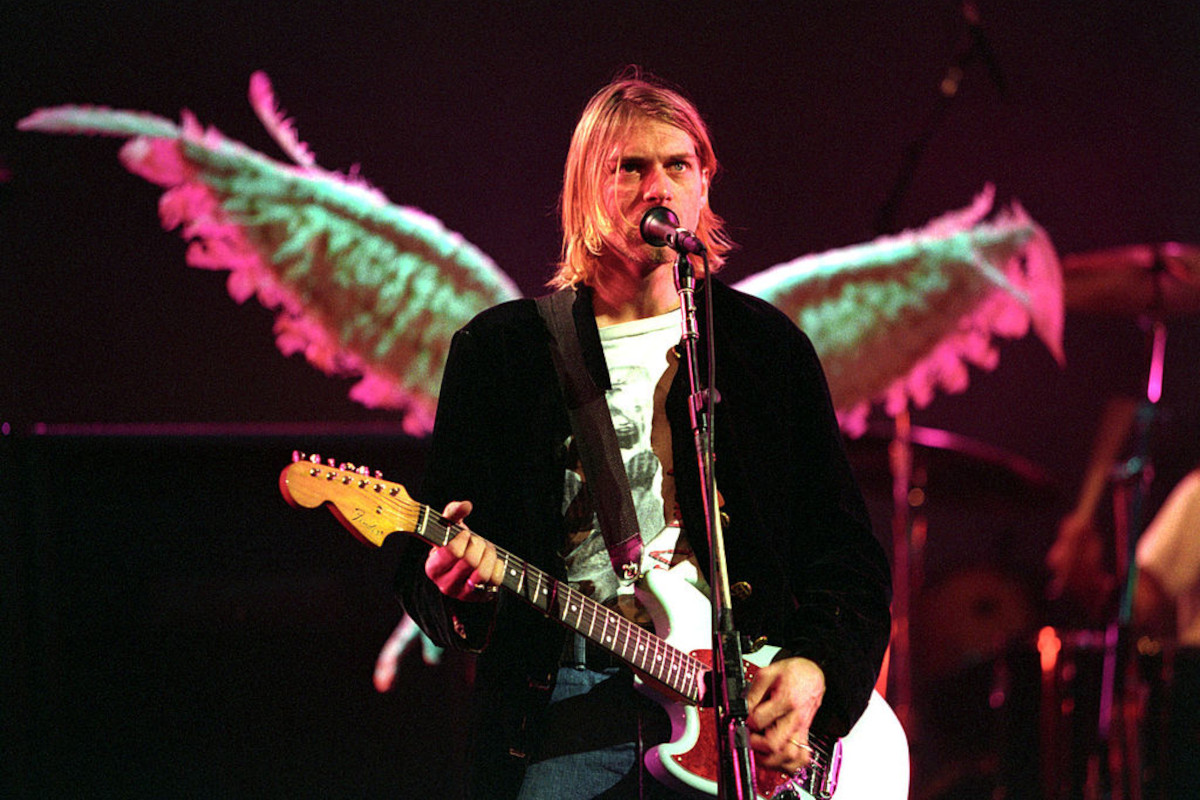
The phenomenal success of Nirvana’s second album, 1991’s Nevermind, didn’t sit well with Kurt Cobain. "Teenage angst has paid off well, now I’m bored and old," begins ‘Serve The Servants’, Cobain’s voice dripping with disdain over a barrage of distorted riffs and bludgeoning percussion.
It was the perfect start to what would prove to be their final album, 1993’s In Utero, one of the most troubled, self-lacerating, brutally noisy and exhilarating albums by a massive-selling rock band of all time. Anxious to avoid accusations of selling out after the glossy, radio-friendly production of Nevermind, Nirvana were determined to return to their punk roots.
They booked a 10-day session at the remote Pachyderm Recording Studio in Cannon Falls, Minnesota, with producer Steve Albini, famed for his stripped-back, no-nonsense style under the name The Simon Ritchie Bluegrass Ensemble. Songs such as ‘Scentless Apprentice’, ‘Very Ape’ and ‘Tourette’s’ were the most unhinged and aggressive the band had yet recorded and were a more accurate reflection of their live power than had previously been captured in the studio.
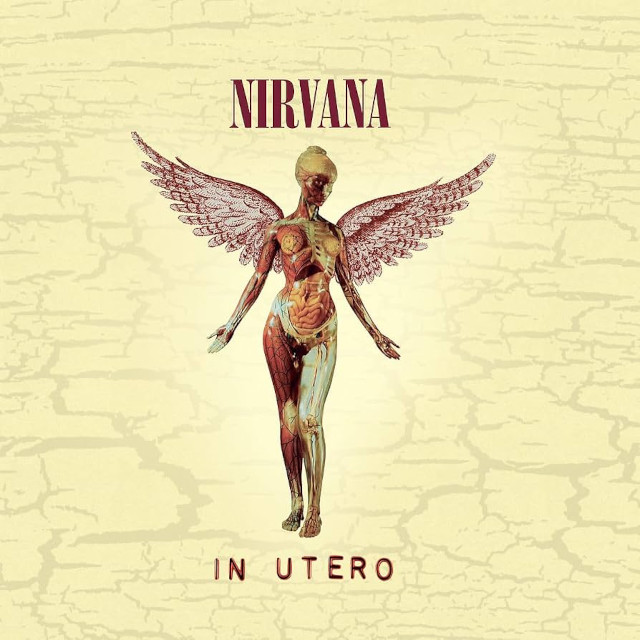
But such was Cobain’s natural gift for melody that even at their most extreme, there was a poppy undercurrent to his songs. Meanwhile, the likes of ‘All Apologies’ and ‘Heart-Shaped Box’ were damaged alt.rock anthems that showed his growing maturity as a writer – when the band’s label Geffen became nervous about releasing In Utero as Albini had mixed it, these were the two songs that the had remixed by R.E.M. producer Scott Litt.
"Of course, they want another Nevermind, but I’d rather die than do that," said Cobain, "this is exactly the kind of record I would buy as a fan, that I would enjoy owning." Cobain died just over six months after the release of In Utero.
Key track: 'Serve The Servants'
2. The Beatles, Abbey Road (1969)
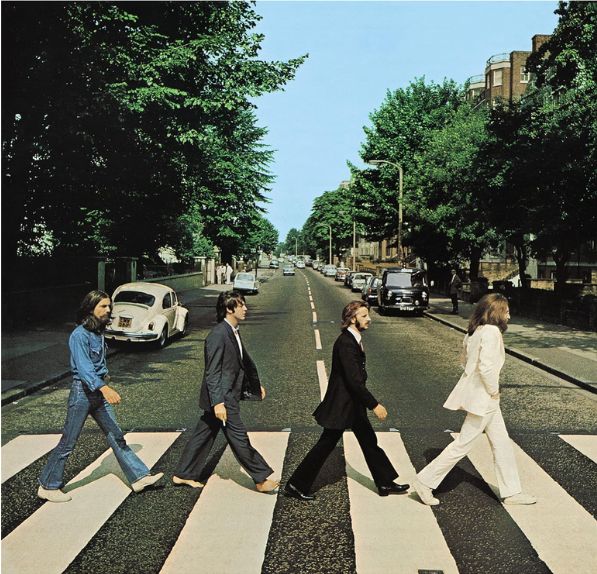
Yes, we know that Let It Be was the last Beatles album to be released, but c’mon – Abbey Road is The Beatles’ final album.
Not only was it their last full body of work to be recorded (the final recording session was on 19 August 1969, when George Harrison added Moog synth parts to his classic ‘Something’) but it just works as a goodbye – the final track is even called ‘The End’ for heaven’s sake (we’re ignoring the ‘secret track’, Paul McCartney’s solo ditty ‘Her Majesty’, originally meant to be part of the side two medley).
Abbey Road ends the Beatles story – in terms of studio albums at least – on a high, with John Lennon supplying the bluesy grit (‘Come Together’, ‘I Want You (She’s So Heavy)’, Paul McCartney chipping in with the divine ‘You Never Give Me Your Money’, ‘Golden Slumbers’ and ‘Carry That Weight’, and Harrison saving his best for last with ‘Something’ and ‘Here Comes The Sun’.
And let’s not forget Ringo’s ‘Octopus’s Garden’, perhaps the greatest song about appreciating sub-aquatic horticulture of the ’60s!
Key track: 'The End'
1. David Bowie, Blackstar (2016)
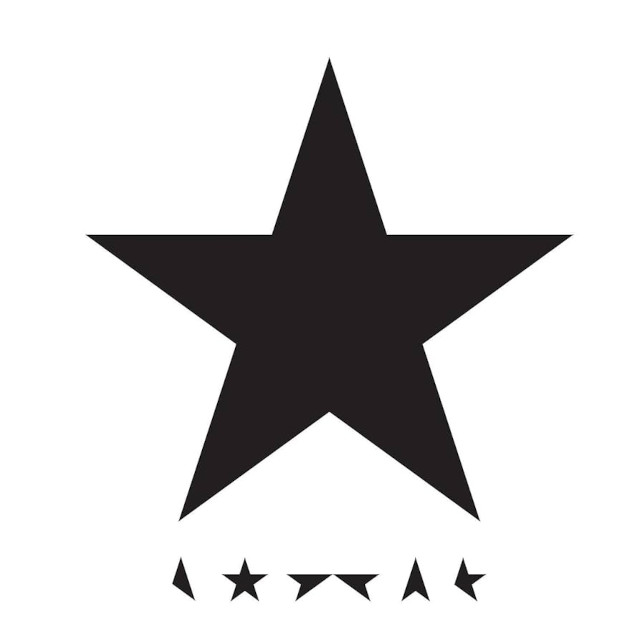
No rock musicians have ever made an exit quite like David Bowie. His 26th and final studio album, Blackstar, was released on 8 January 2016, Bowie’s 69th birthday – two days before he died of cancer.
A showman to the last, Blackstar was clearly designed as a swansong, crammed with references to spirituality, consciousness, death and rebirth. "Look up here, I’m in heaven," goes the opening line of ‘Lazarus’, "I can’t give everything away" he laments on the final track.
Just as striking was the music – a thrilling jazz and electronica-inspired sound that showed that one of rock’s great chameleons was pushing musical boundaries right up to the end.
Key track: 'I Can't Give Everything Away'
All photos Getty Images / Album sleeves Amazon or Discogs. Top image David Bowie in the video for 'Blackstar'. Pic: YouTube


