
There are many ways to create a signature guitar sound. For some it’s simply the way they play, for others it’s the unique combination of the equipment they use.
In rare examples the sound originates magically from a flaw in the neck of the guitar (Peter Green), or even a self-inflicted pencil stab wound to the amp (Link Wray). Some are due to the homemade nature of the guitar itself (Brian May & Eddie Van Halen). In even more curious circumstances, the guitar sound is linked to the acidic sweat of the guitarist (Rory Gallagher), and that’s before even mentioning the loss of a couple fingertips in an industrial accident (Tony Iommi).
In this article we list 15 great rock guitarists with instantly recognisable sounds. For good measure, we have also included a key track to point you in the right direction. Blindfolds optional!
15 rock guitarists with instantly recognisable sounds
15. Steve Jones (Sex Pistols)
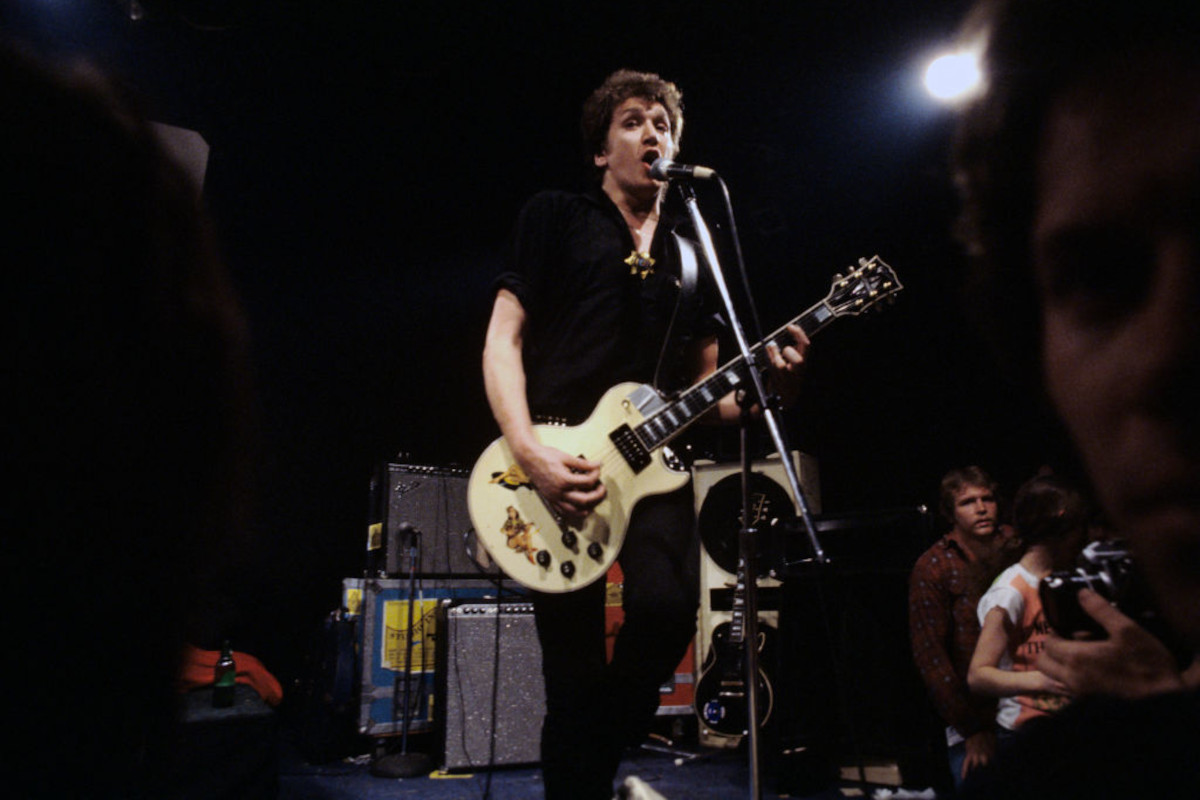
Never Mind The Bollocks is one of the great guitar albums of the 1970s, with Steve Jones’ multi-layered wall of sound the backing track to the entire punk movement.
During his early teens, Steve Jones was more likely to be stealing guitars than playing them. A self-taught guitarist he had only been playing for a couple of months before the Sex Pistols' first gig. He was known for playing a cream coloured Gibson Les Paul Custom that his manager Malcolm McLaren had obtained from Sylvain Sylvain from The New York Dolls.
Peak of powers: 'God Save The Queen' from Never Mind The Bollocks (1979)
14. Jan Akkerman (Focus)
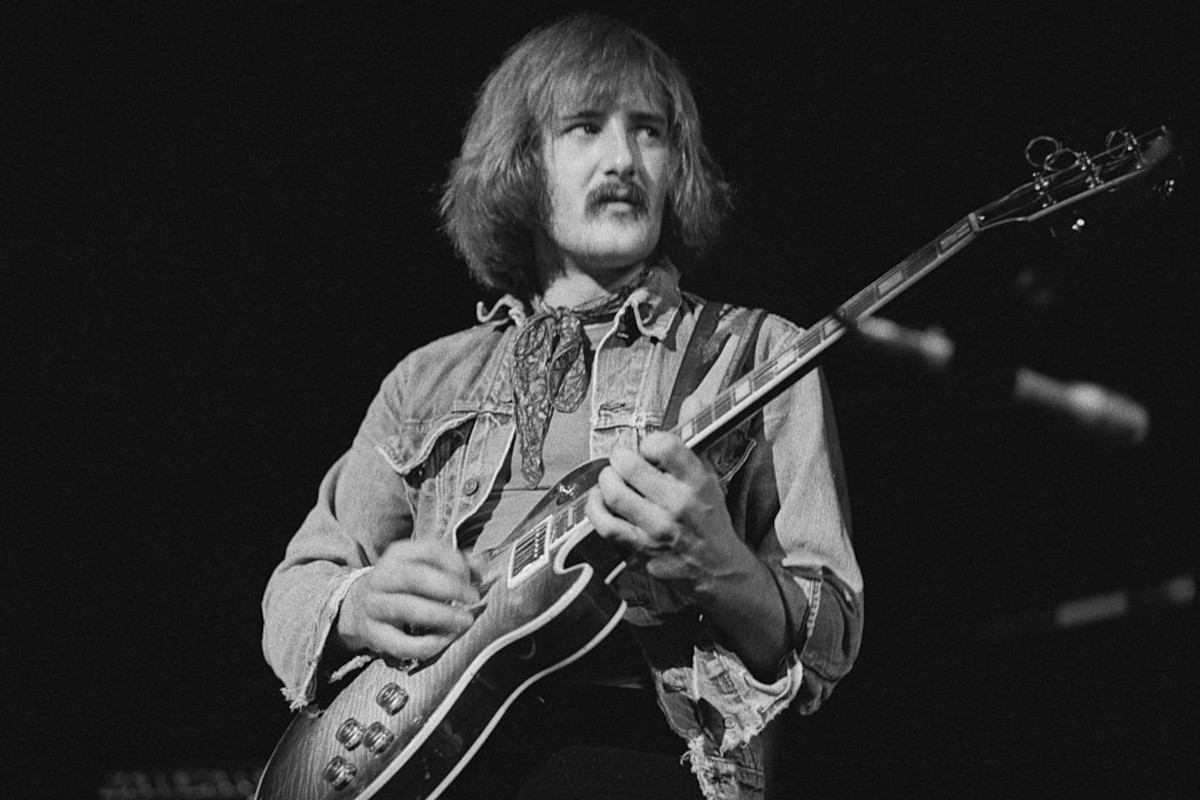
The Dutch guitarist first found success with Focus, whose intriguing approach to prog rock garnered them a number of hits in the early 70s, such as ‘Hocus Pocus’ and ‘Sylvia’. A technical player and a versatile all-rounder, Akkerman’s easily recognisable signature tone relied on his mastery of different styles, such as classical, jazz and heavy rock.
In 1973 Akkerman was voted Best Guitarist in a prestigious annual poll beating off competition from Jimmy Page and Richie Blackmore.
Peak of powers: 'Hocus Pocus' from Moving Waves (1971)
13. Link Wray
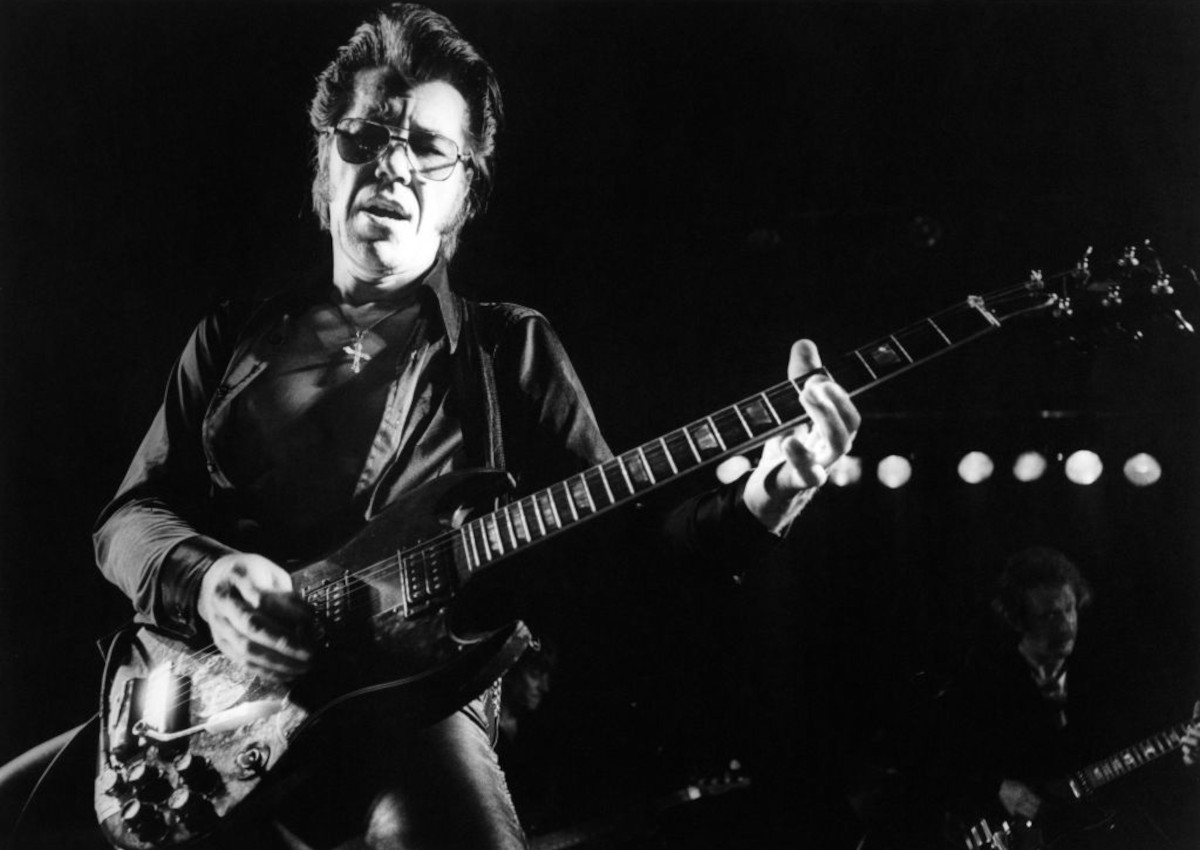
A true guitar innovator, as the creator of the power chord Link Wray’s influence has been felt far and wide across any number of rock’s numerous subgenres. His iconic instrumental hit ‘Rumble’ was a huge inspiration to would-be guitar heroes and acknowledged by Jimmy Page and Pete Townshend as an early touchstone.
The pioneering guitarist was also known for his fuzzy live sound. An effect he achieved by stabbing holes in the speaker cones with a pencil. His later in life self-titled album Link Wray (1971) comes highly recommended.
Peak of powers: 'Rumble', 45-only (1958)
12. Andy Gill (Gang of Four)
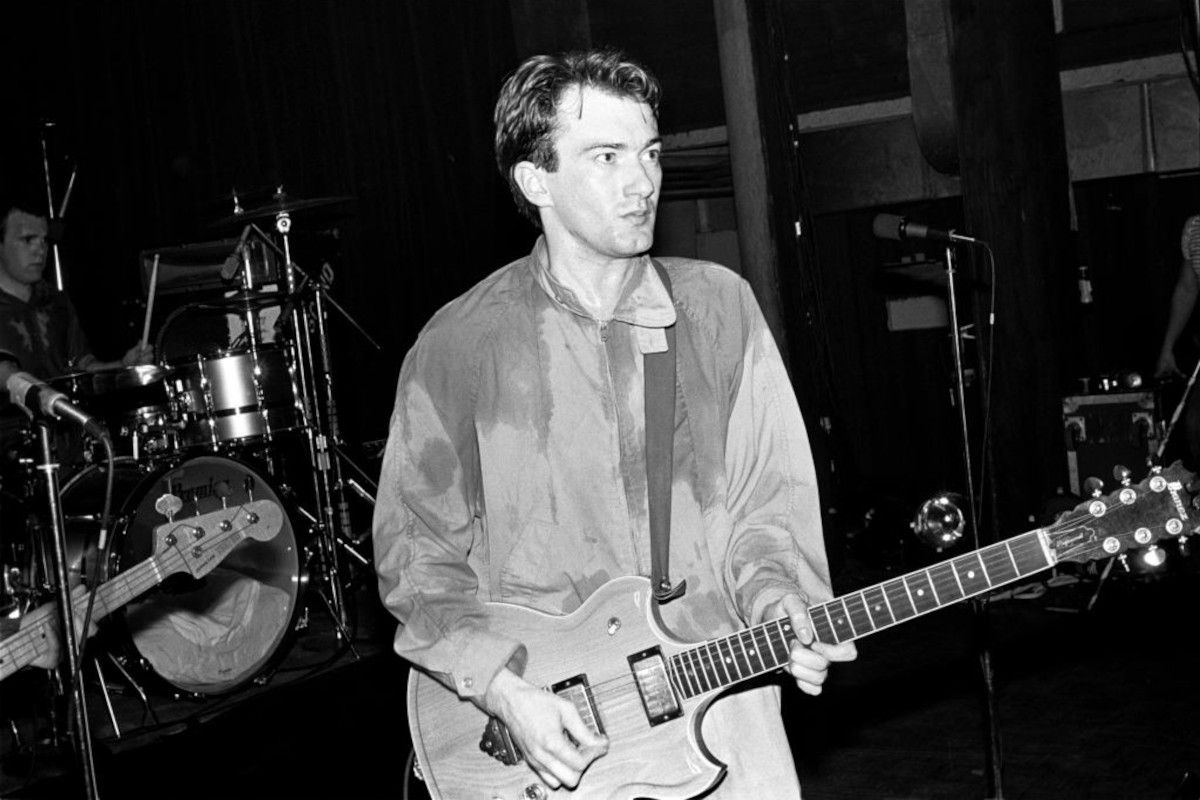
Andy Gill was a huge fan of Wilko Johnson, and by way of homage took the Dr Feelgood guitarist’s choppy playing style and adapted it for the post-punk arena. Gill’s percussive, angular riffs dominated the Gang of Four’s landmark debut album, Entertainment.
His band possessed a fiercely committed anti-rock stance, with Gill taking delight in deconstructing the genres traditional guitar tropes whenever he could. The visionary guitarist was also capable of building huge walls of feedback and sculpting them into the structure of the song.
Peak of powers: 'Damaged Goods' from Entertainment (1979)
11. Johnny Marr (The Smiths)
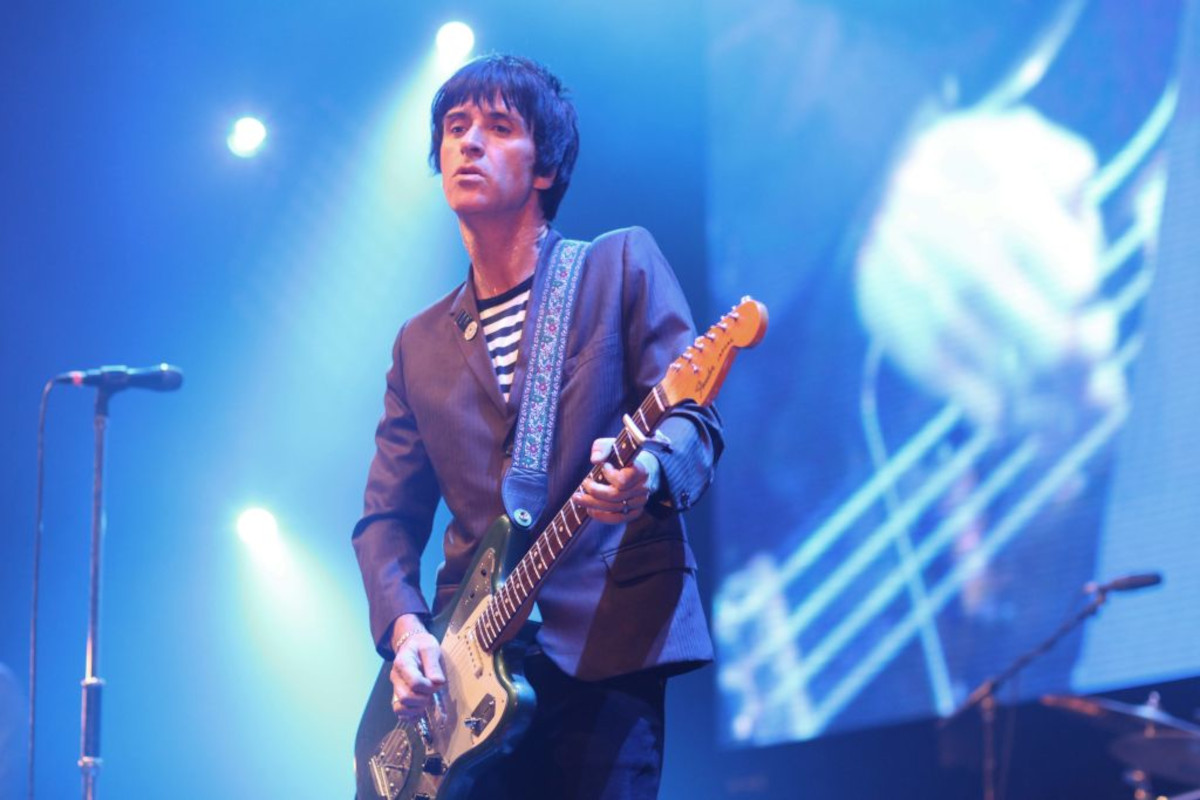
The Smiths brought a breath of fresh air to indie pop in the 80s. With his bright, jangly guitar sound, Johnny Marr drew inspiration from the classic pop groups of the 60s and gave it a new twist. His melodic jangle, chiming arpeggios and alternate tunings were a blessed relief from the synth-pop landfill clogging up the charts.
Marr’s intelligent arrangement skills and guitar sounds were the perfect complement to Morrissey’s aesthetic vision. His early work often featured a Rickenbacker 330 Jetglo and a borrowed Fender Telecaster.
Peak of powers: 'The Headmaster Ritual' from Meat Is Murder (1984)
10. Jack White (The White Stripes)
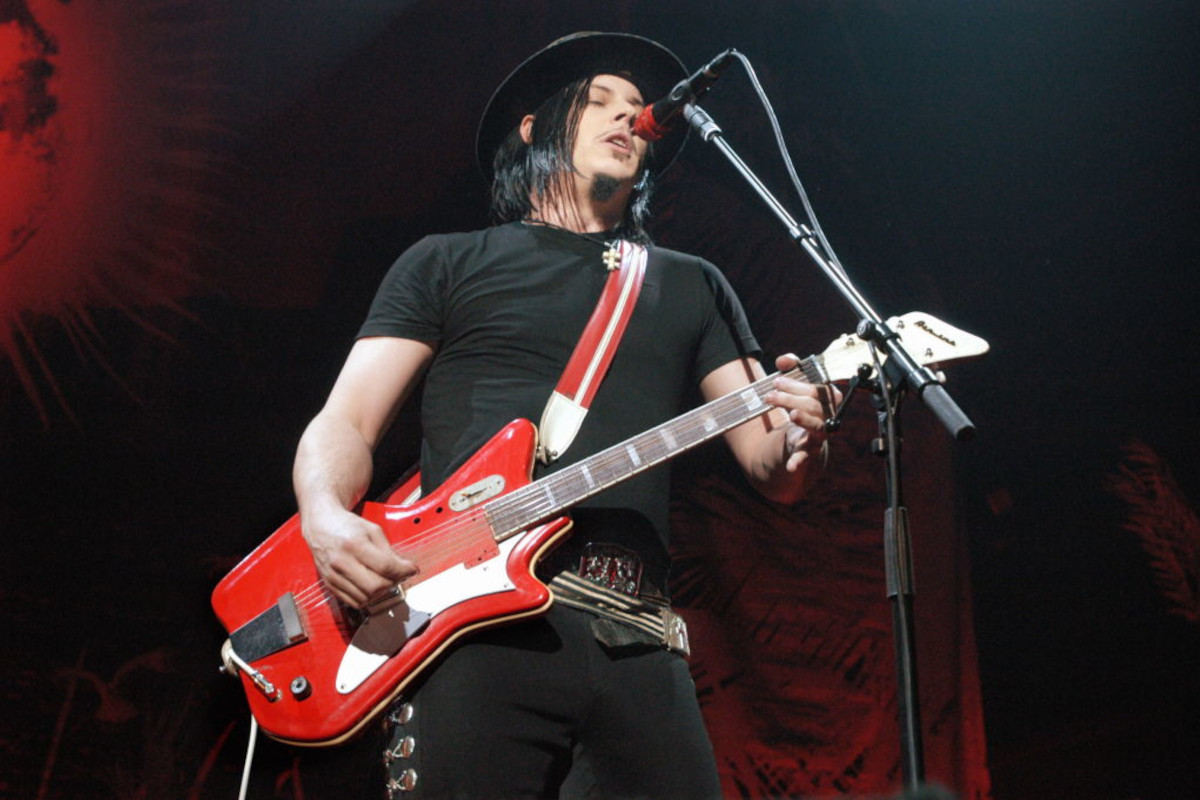
Jack White’s aggressive garage-rock sound is instantly recognisable. He might not be the most technical of players, but his song craft and showmanship makes him one of the most exciting.
White achieves his unique tone from his use of cheap, vintage guitars, most notably his 1964 JB Hutto Montgomery and 1950s Kay Hollowbody Archtop. White remains a committed champion of analogue recording.
Peak of powers: 'Fell In Love With A Girl' from White Blood Cells (2001)
9. Roger McGuinn (The Byrds)
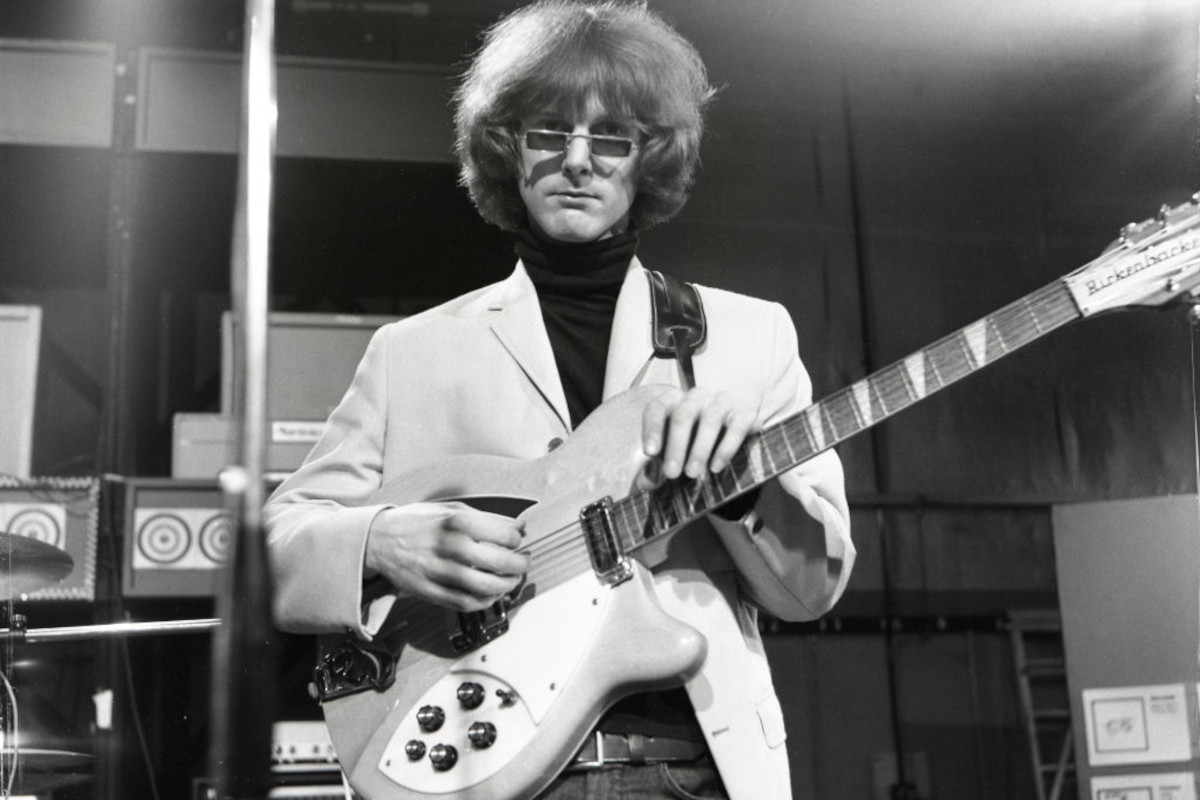
Roger McGuinn’s created his signature jingle-jangle guitar sound by playing his 12-string electric Rickenbacker with the banjo picking technique he learnt from his origins as a folkie. Moving on from the early hits, as the Byrds evolved McGuinn adapted his style to loosely reflect the free-jazz stylings of John Coltrane.
This resulted in the psychedelic droning effect on tracks such as ‘Eight Miles High’. That’s two signature sounds for the price of one from the talented McGuinn.
Peak of powers: 'Eight Miles High' from Fifth Dimension (1979)
8. David Gilmour (Pink Floyd)
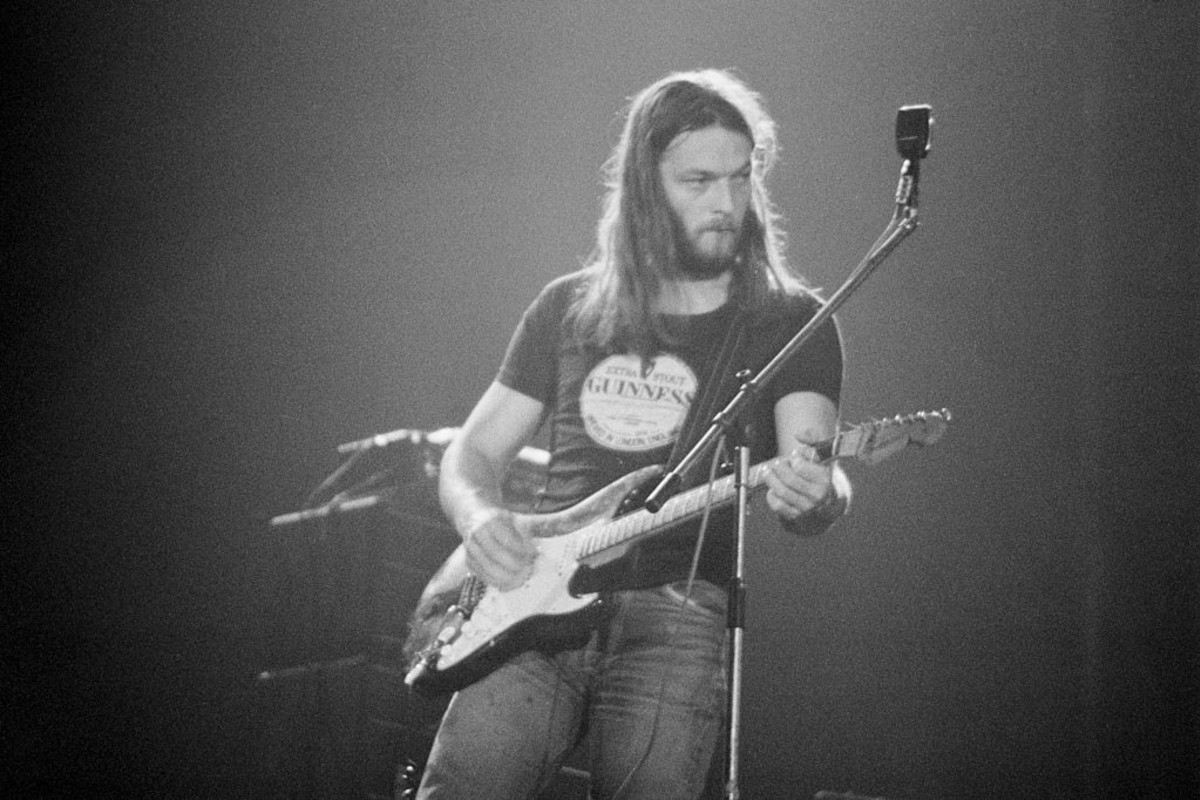
Choosing melody over speed, David Gilmour is prog rock’s most expressive guitar player, his extended solos far more likely to make you openly weep than bang your head. As a guitarist he employs the space between notes to sculpt otherworldly atmospheres, enhanced by the prominent use of effects, such as delay pedals.
Gilmour is known for his use of the Fender Stratocaster, specifically his heavily modded 1969 ‘Black Strat’.
Peak of Powers: 'Comfortably Numb' from The Wall (1979)
7. Eddie Van Halen
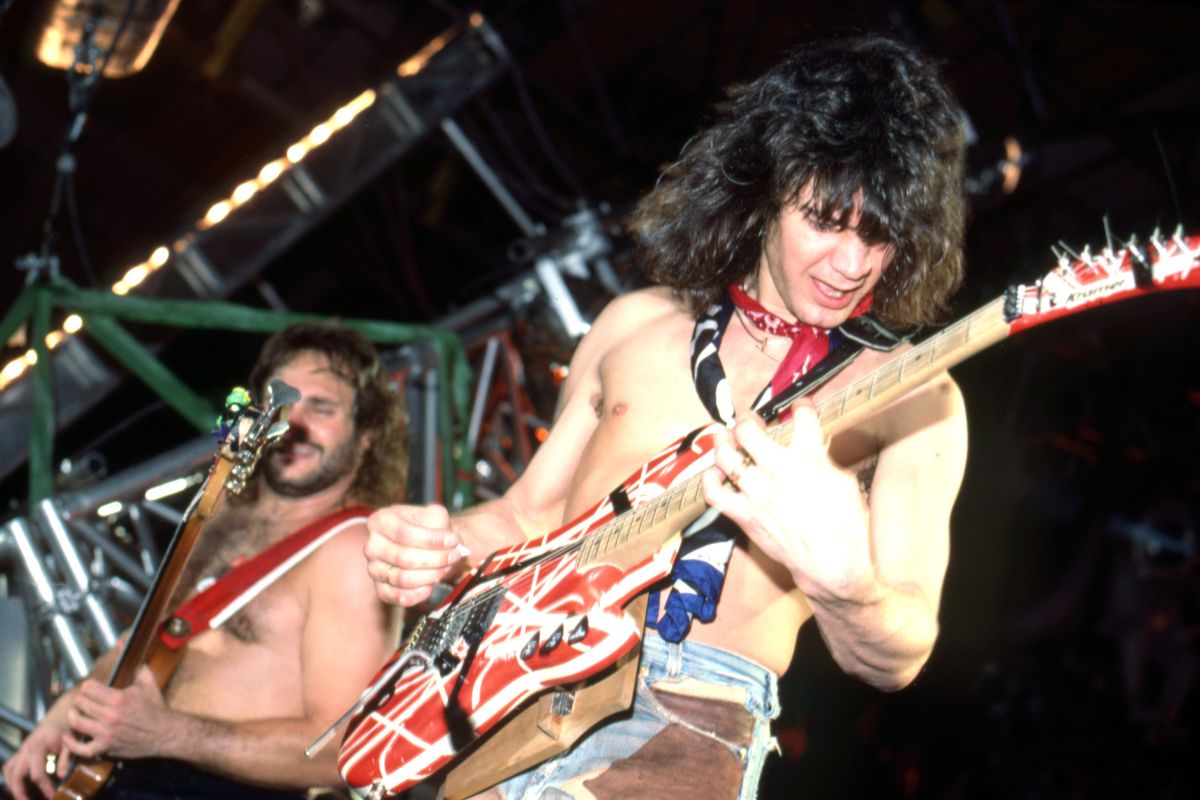
Eddie Van Halen’s warm, distortion-free guitar tone defined rock music in the 80s. In fact, it was so famous it even has a name. Van Halen’s trademark ‘brown sound’ was created when he cranked up the volume on his Marshall amp and then plugged it into a Variac transformer. Eddie’s unique guitar also contributed to his famed tone.
Known as ‘Frankenstrat’, his homemade hybrid guitar was Van Halen’s attempt to combine the sound of a classic Gibson with the functionality of a Stratocaster. Such is its cultural significance, ‘Frankie’ now resides in the Smithsonian Institute in Washington DC.
Peak of powers: 'Eruption' from Van Halen (1978)
6. Rory Gallagher
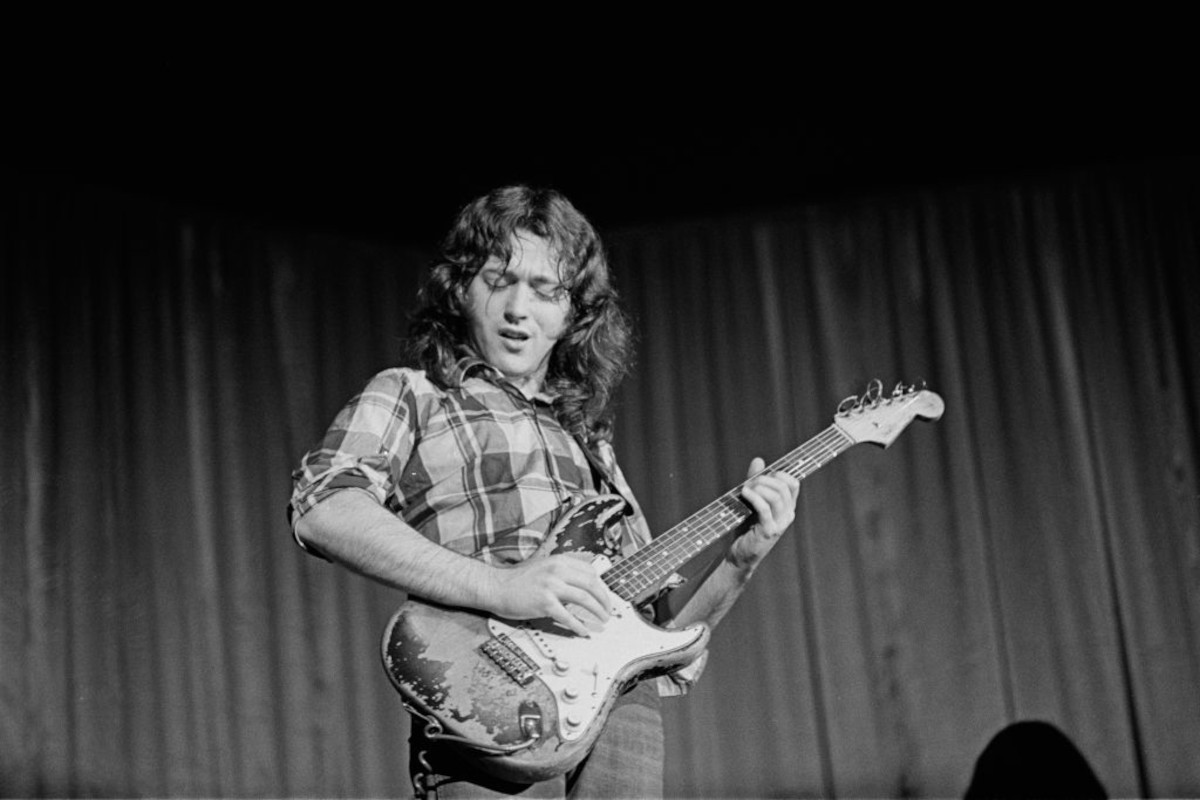
The story goes that when asked what’s like to be the greatest guitarist alive, Jimi Hendrix replied, “I don’t know. Ask Rory Gallagher.” This may well be an urban legend, but does give an indication of the stratospheric peer group the Irish blues-rock guitarist operated in.
Not one for guitar hero posturing, Gallagher’s intense, high-energy playing was based on raw skill and emotion. He was known for playing a beaten-up 1961 Fender Stratocaster with the finish stripped away to the bare wood.
It’s rumoured this battered appearance was down to the acidity of Gallagher’s sweat! A musician’s musician, Queen guitarist Brian May cites Gallagher as a major influence on his guitar playing.
Peak of powers: 'Bad Penny' from Top Priority (1979)
5. Robert Fripp (King Crimson)
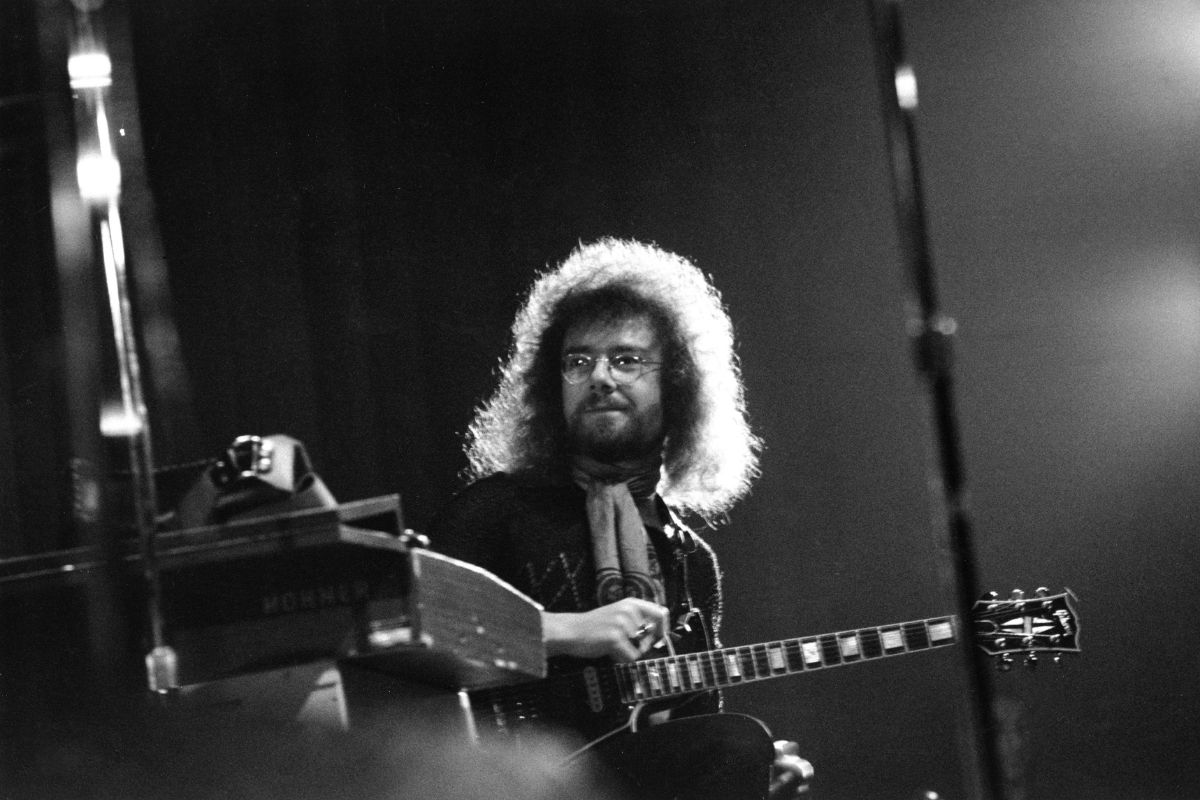
Primarily known for playing his 1959 Gibson Les Paul, Robert Fripp is a highly technical guitarist with a flair for innovation. Not your typical showman, the King Crimson founder often plays sitting down, his ability to perform notoriously complex instrumental passages positions him at the top of the pile in terms of prog rock guitarists.
Fripp worked alongside fellow brainbox Brian Eno in integrating electronics into his playing, a method that came to be known as ‘Frippertronics’. As well as his pioneering work with King Crimson, he is also a valued collaborator with rock luminaries such as David Bowie and Peter Gabriel on his CV.
Peak of powers: 'Breathless' from Exposure (1979)
4. Peter Green (Fleetwood Mac)
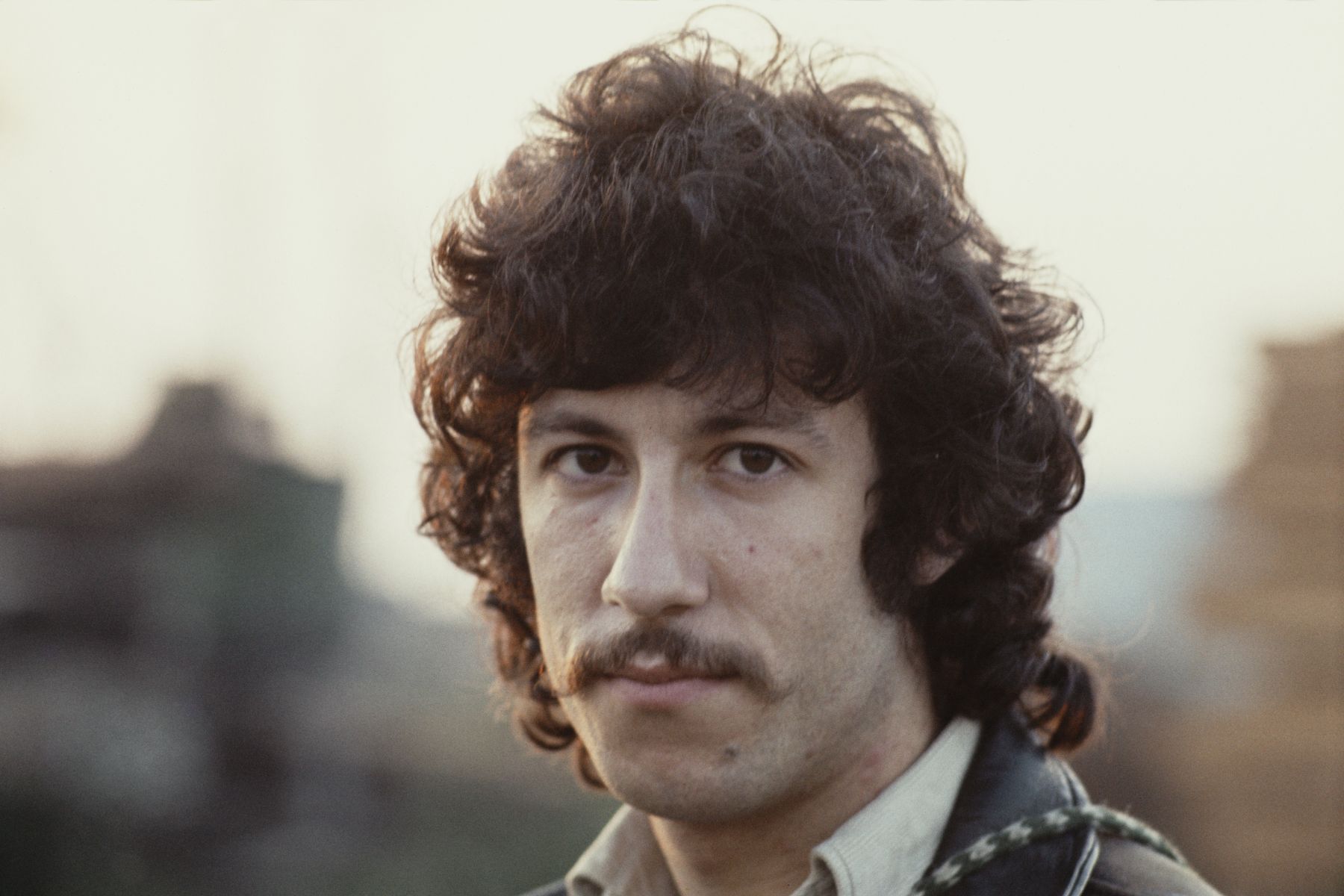
The Fleetwood Mac co-founder is one of the most revered of all the British blues-rock guitarists, rated right up there alongside Clapton and Beck. None other than Blues legend B.B. King famously stated that Green had the "sweetest tone" he had ever heard.
His hauntingly soulful sound was obviously due to Green’s natural ability, but also down to the unique out-of-phase tone of his 1959 Gibson Les Paul Standard, the result of a reversed magnet in the neck pickup. The guitar known as ‘Greeny’ is now in the proud possession of Metallica’s Kirk Hammett.
Peak of powers: 'Albatross', 45-only (1968)
3. Brian May (Queen)
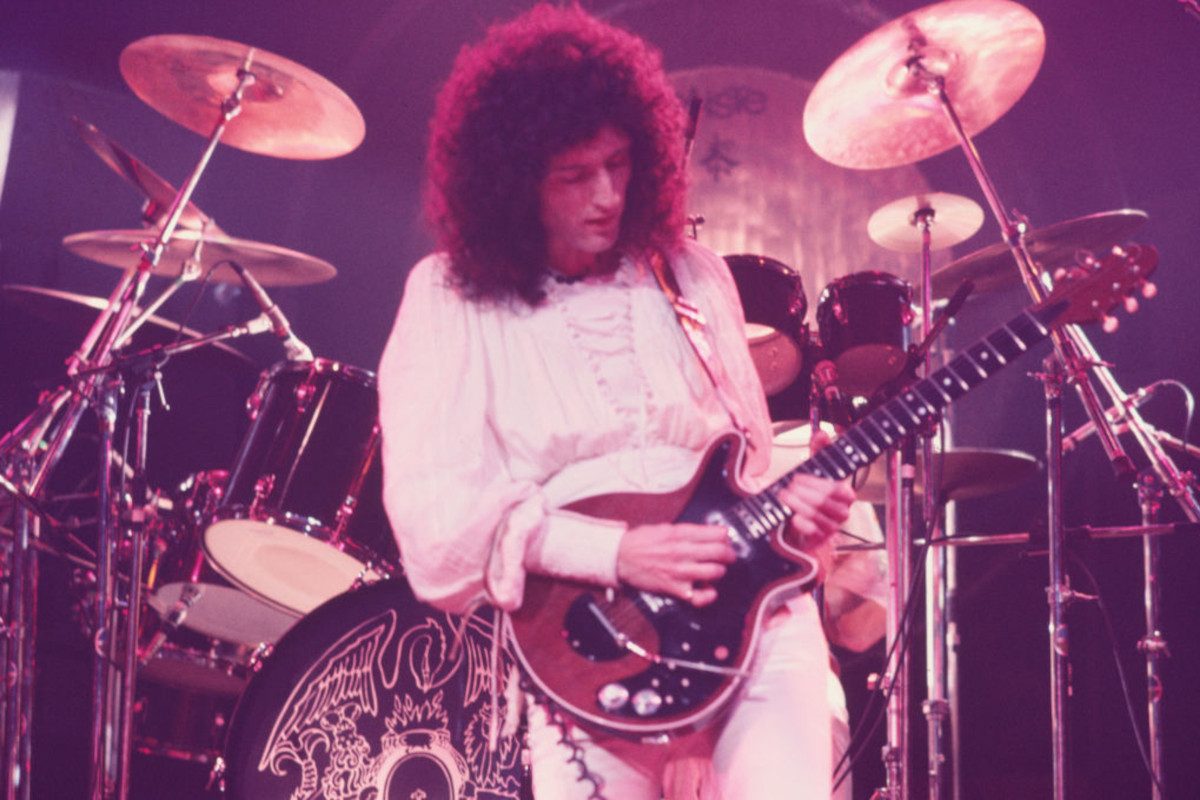
Brian May’s multi-layered orchestral guitar sound is one of the most familiar in rock music. His easily identifiable tone has often been said to resemble a singing voice. Much of the reason behind his uniqueness of his sound derives from the bespoke guitar he built with the help of his father, who was an electronics engineer.
Red Special was constructed from wood from an 18th century fireplace and other household items, including some old motorbike springs. Another reason for May’s distinct tone is that he uses an old silver sixpence coin instead of plastic pick. Then there’s the Deacy Amp built specifically for him by Queen’s famously low-profile bass player.
Peak of powers: 'Brighton Rock' from Sheer Heart Attack (1974)
2. Tony Iommi (Black Sabbath)
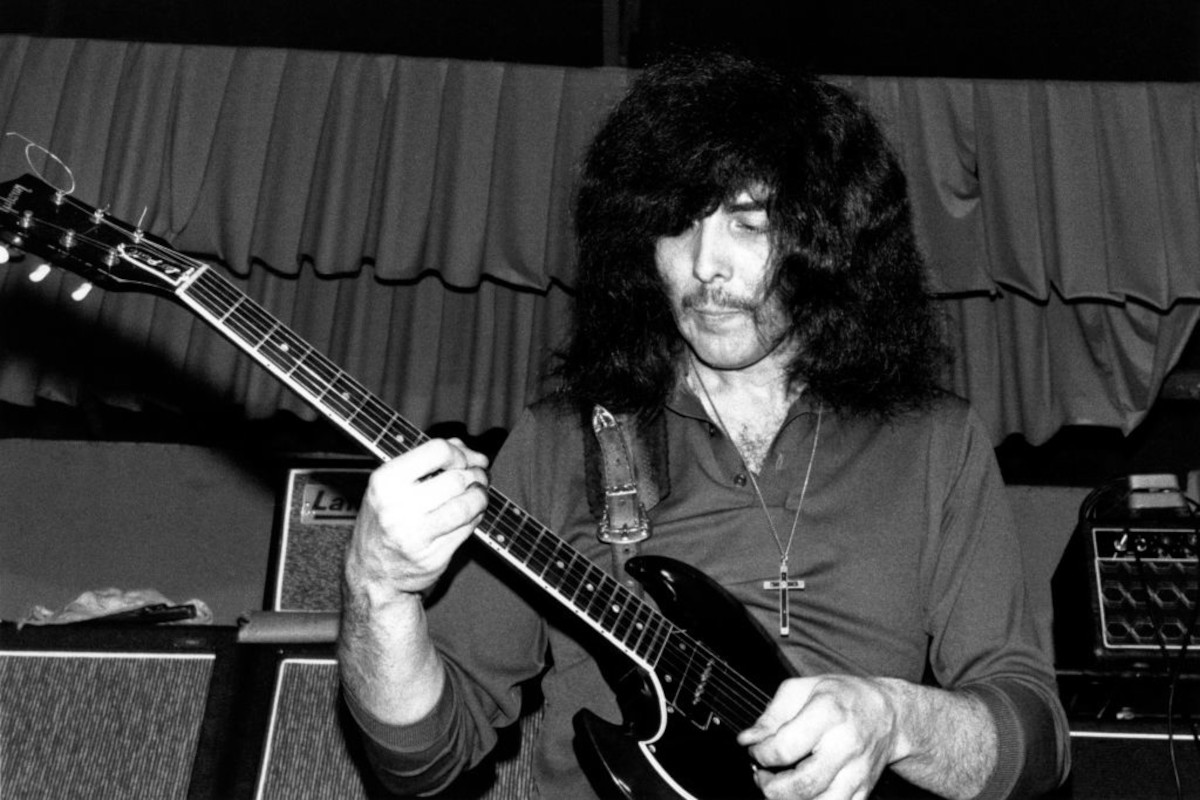
Tony Iommi’s signature guitar sound is hugely influential, all but providing the sonic blueprint for the entire heavy metal genre. His sludgy, hypnotic blues-based riffs created a menacing platform for Black Sabbath’s early pioneering albums.
Iommi’s powerful achievement is made all the more remarkable by the fact he lost the tips of his right-hand ring and middle fingers in an industrial accident at a sheet metal factory, forcing him to use lighter strings and homemade plastic thimbles, shaped from a washing up liquid bottle.
Peak of powers: 'Iron Man' from Paranoid (1970)
1. Jimi Hendrix
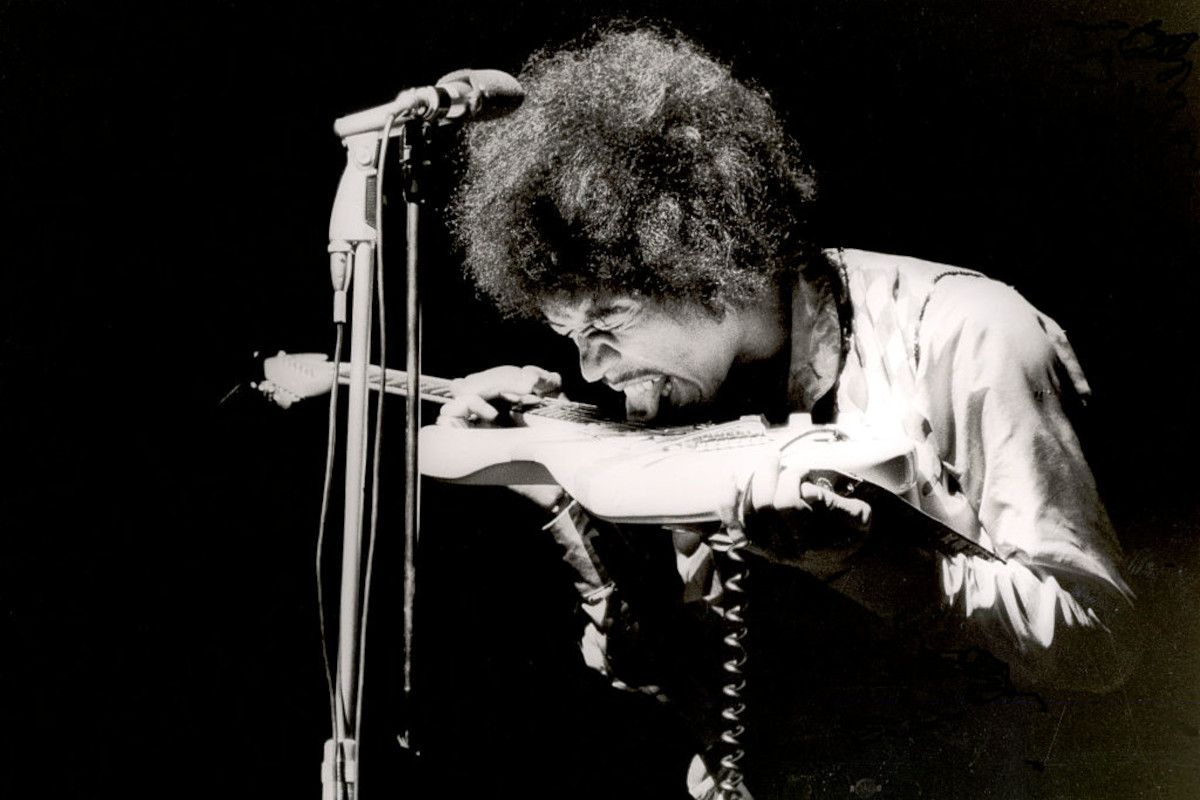
When Jimi Hendrix arrived in London in 1966 he blew the collective mind of UK audiences and musicians with his explosive, psychedelic approach to playing the guitar. A genuine sonic pioneer, he masterfully used feedback and distortion to mould his signature sound. His approach changed the perception of how the electric guitar was perceived in popular music.
Hendrix famously played a right-handed Stratocaster turned upside down and restrung for a left-hander. His influence on the generation of rock guitarists that followed him is immeasurable, and his sound still remains uniquely his.
Peak of powers: 'Voodoo Child (Slight Return)' from Electric Ladyland (1968)
All pics Getty Images. Top image Eddie Van Halen of the Van Halen, playing his custom Kramer Frankenstrat guitar during Van Halen's "1984 Tour" on April 5, 1984


