
Rock music’s earliest roots were laid down when the acoustic blues of the Mississippi Delta were played through an electric guitar. Muddy Waters, the original guitar hero, bought his first six-stringer way back in 1944. A few decades on, rock music was at the end of its gestation period and ready to roll.
From then on in, rock music and the electric guitar have been inextricably linked. Across any number of rock’s multiple subgenres (grunge, punk, country, folk and more) there has been a lead guitarist with one foot on the monitor thrashing out a tune. Rock styles come in and out of fashion, but the electric guitar remains plugged in.
In this article we look at 11 of these rock movements to identify the guitarists who are top of their respective field. There are also honourable mentions for other notable axemen, and a key track that captures our winners at the incendiary peak of their powers.
The best guitarists in 11 rock genres
1. Southern rock
Duane Allman
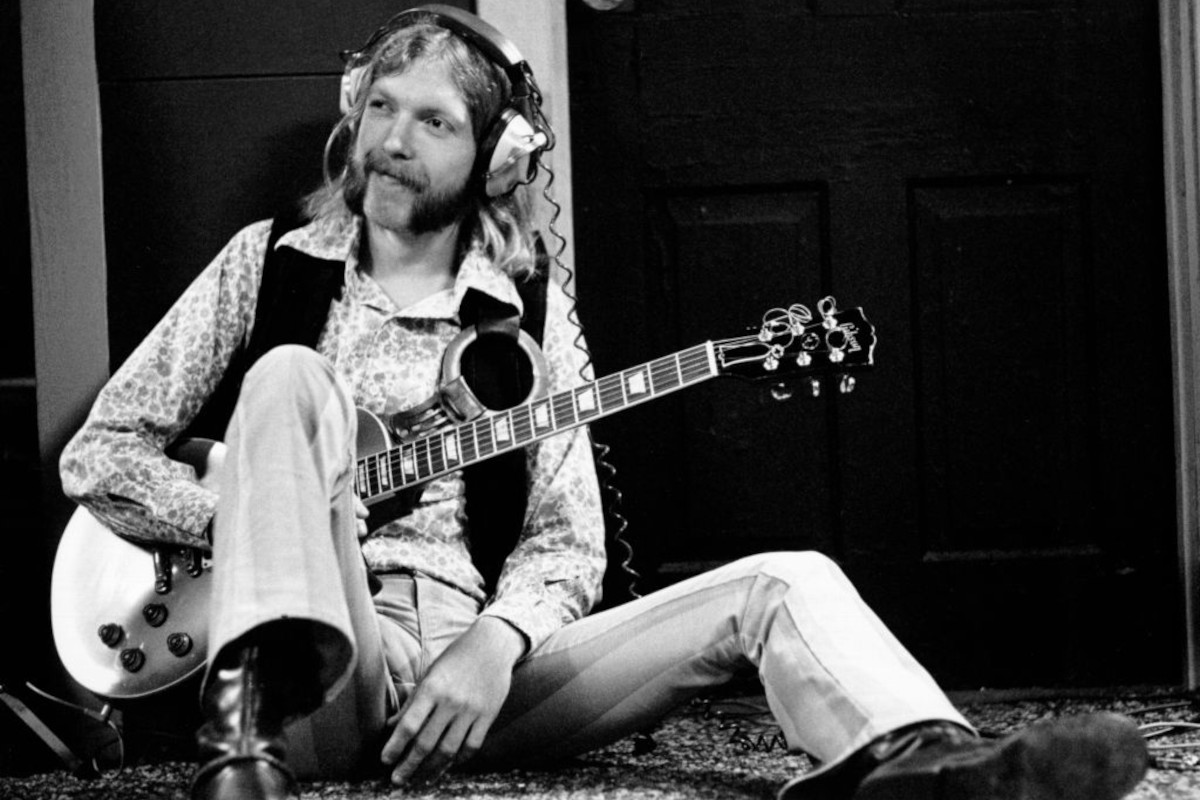
The southern rock guitar sound is a swaggering conglomeration of Delta blues, country and British hard rock. Many of the bands associated with the genre, such as The Allman Brothers, Lynryd Skynryd, and the Outlaws, made a feature of using of twin or, even, triple guitar lines.
The late, great Duane Allman sits on top of the pile when it comes to southern rock guitarists, although he had to bat away fierce competition from within his own band in the ultra-talented form of Dickey Betts. Allman was adored for his expressive, extended solos, as well as his total mastery of the slide guitar.
A listen to any track from 1971’s At Fillmore East is enough to confirm his genius. His soaring solo on ‘Layla’ is the stuff of legend.
Honourable mentions must go to Skynryd’s ‘three-guitar army’ of Gary Rossington, Ed King and Allen Collins, alongside Toy Caldwell of The Marshall Tucker Band and Hughie Thomasson of The Outlaws.
Peak of powers: 'Mountain Jam' (1972)
2. Folk rock
Richard Thompson
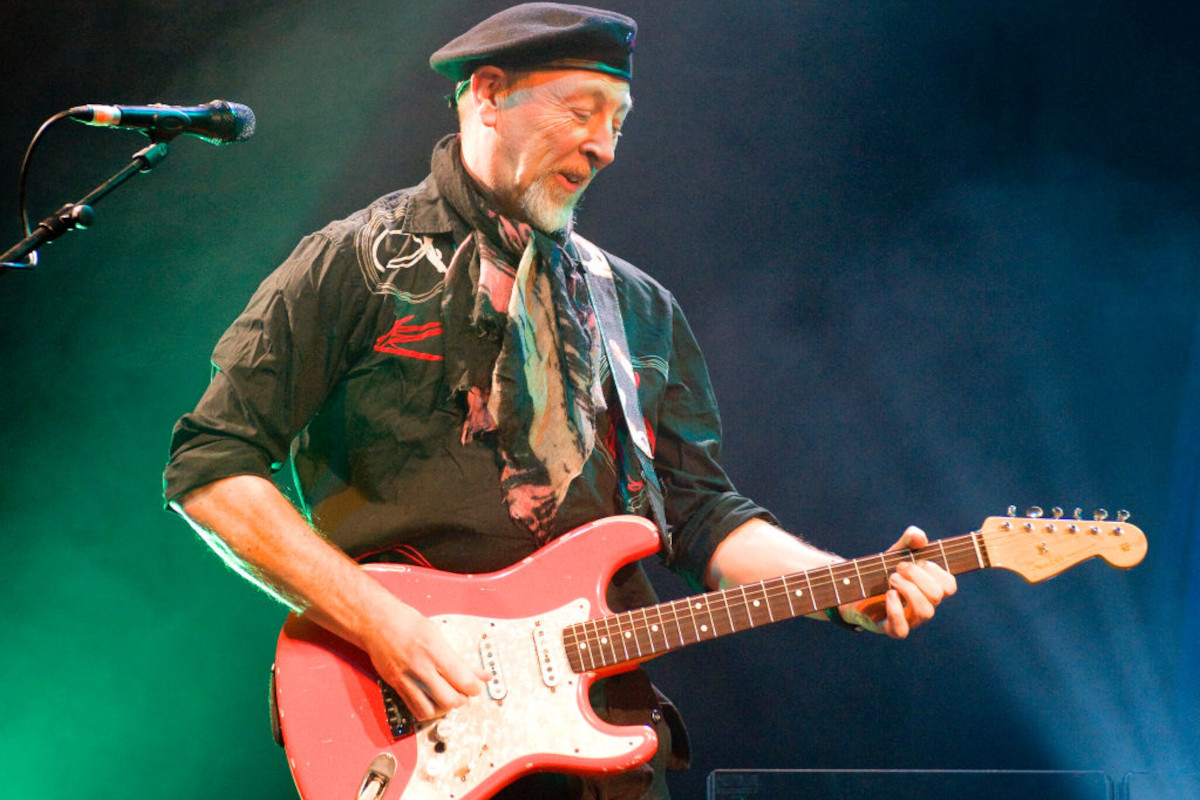
The bands that spearheaded the UK folk rock scene could all boast great guitarists among their ranks. Steeleye Span numbered Bob Johnson and Martin Carthy, while Pentangle called on the considerable talents of Bert Jansch and John Renbourn.
But it was Fairport Convention’s Richard Thompson that stood out from the pack. Jerry Garcia regarded Thompson as a genius, even Lou Reed was a fan.
As well as being a writer of great songs, Thompson is also virtuoso guitar-player on both the acoustic and electric. His trademark hybrid picking style, of which he is recognised as an absolute master, enables his to play with a pick and fingers at the same time - which often gives the impression of listening to two guitarists.
Listen to our recommended track below for a prime example.
Peak of powers: '1952 Vincent Black Lightning' (1991)
3. Prog rock
Robert Fripp
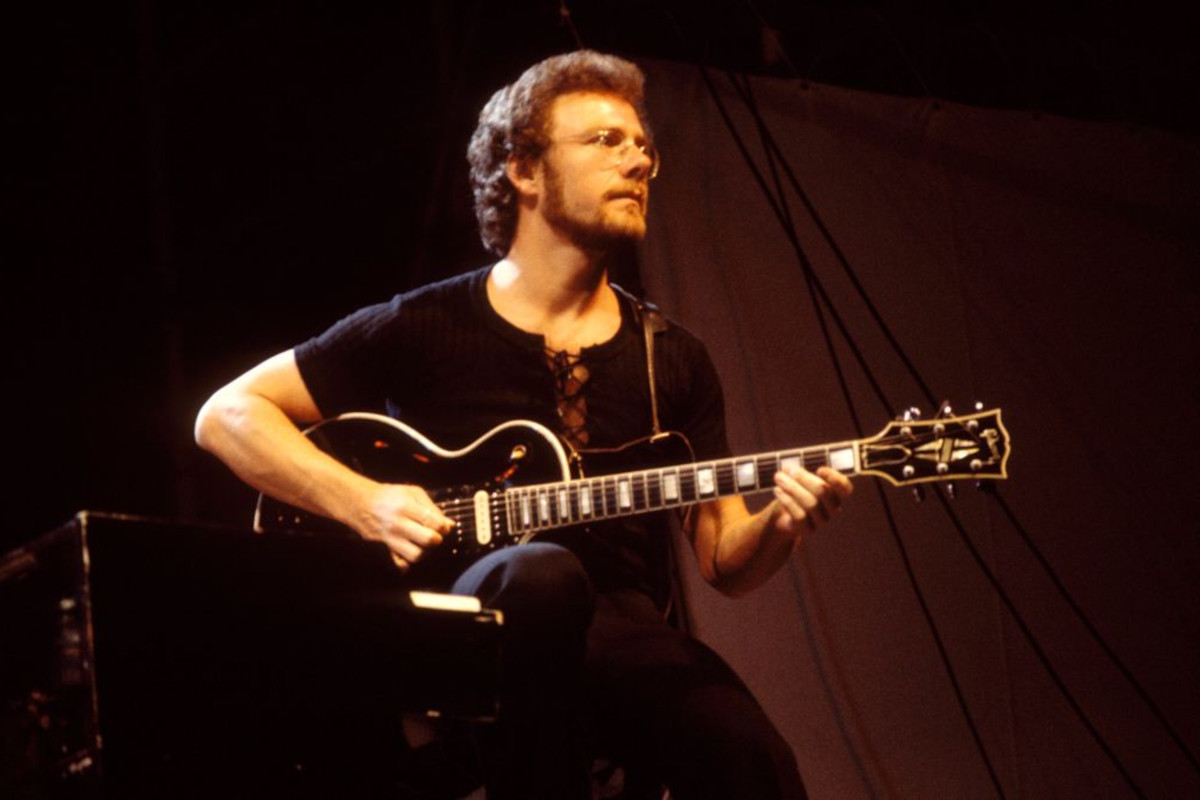
Technical proficiency is regarded as a must when it comes to prog rock bands, and the guitarist is expected to live up these high standards. As well as virtuoso soloing, the axeman is there to add textures to the soundscapes.
With Steve Howe (Yes), Steve Hackett (Genesis) and Alex Lifeson (Rush) all worthy of honorable mentions, King Crimson’s Robert Fripp and Pink Floyd’s David Gilmour are the two contenders for the crown. Gilmour is known for his sensitive, melodic, blues-inflected soloing, while Fripp’s influences are drawn from classical music and jazz.
Fripp’s highly individual approach was essential to the development of King Crimson’s sound, and his tape-loop soundscapes (‘Frippertronics’) took prog to previously unexplored territory. He demotes Gilmour to a worthy second place.
Peak of powers: ‘Fracture’ (1974)
4. Country rock
Neil Young
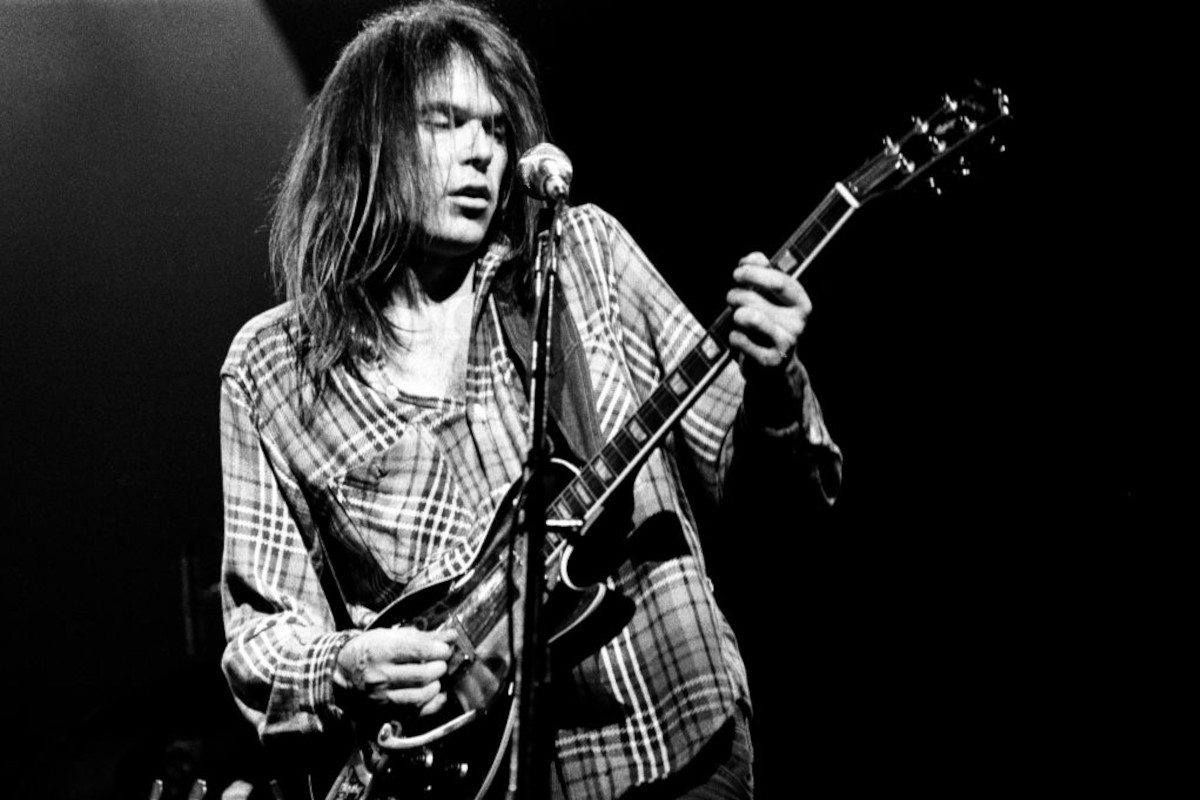
Neil Young is a difficult artist to pin down. With a foot in a number of camps, including folk, rock, country and singer songwriter, his mighty presence has not been limited by genre. Alongside Stephen Stills, he helped develop the country rock sound during his time in Buffalo Springfield.
The country rock feel has continued to pervade a large number of his solo albums, and informed his guitar playing.
As a country rock guitarist his ramshackle style couldn’t be any further away from the highly polished Nashville sound, which is pretty much Young’s intention. His guitar playing is all about raw emotion and rhythmic feel. His soloing too is spontaneous, unconventional and, above all, defiantly individual.
A quick nod goes out to Clarence White, Joe Walsh and Bernie Leadon.
Peak of powers: ‘Out On The Weekend’ (1972)
5. Jazz rock
John McLaughlin
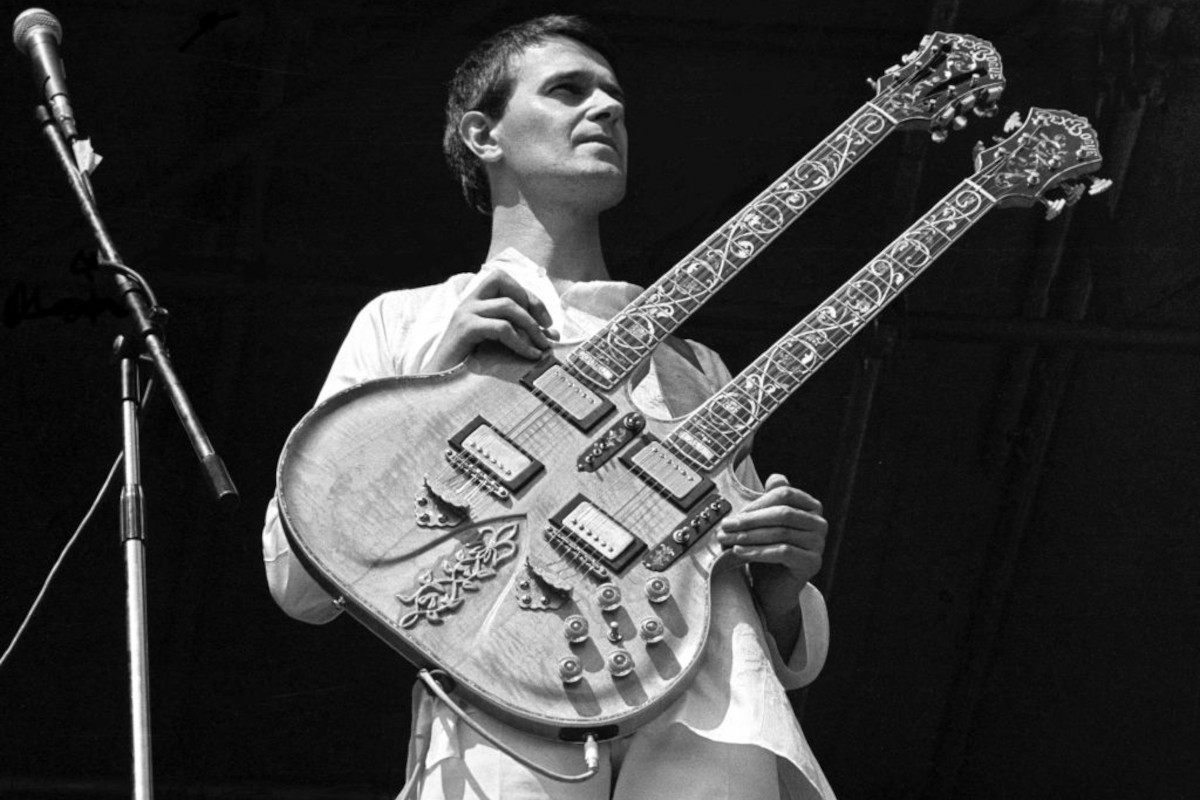
Jeff Beck once described John McLaughlin as "the greatest guitarist alive," and there’s no ignoring the Mahavishnu man’s wildly influential CV. For starters, he was in the studio alongside Miles Davis for a pair of historic albums, In A Silent Way and Bitches Brew.
McLaughlin then formed the Mahavishnu Orchestra, a foundational jazz-rock band that battered the sonic envelope. The pioneering outfit incorporated Indian classical music into its broad sonic palette, and blazed a trail for ‘world music’.
The evergreen Pat Metheney is a worthy and close runner-up but, let’s face it, he didn’t play on Bitches Brew.
Peak of powers: ‘Birds of Fire’ (1974)
6. Heavy rock
Jimmy Page
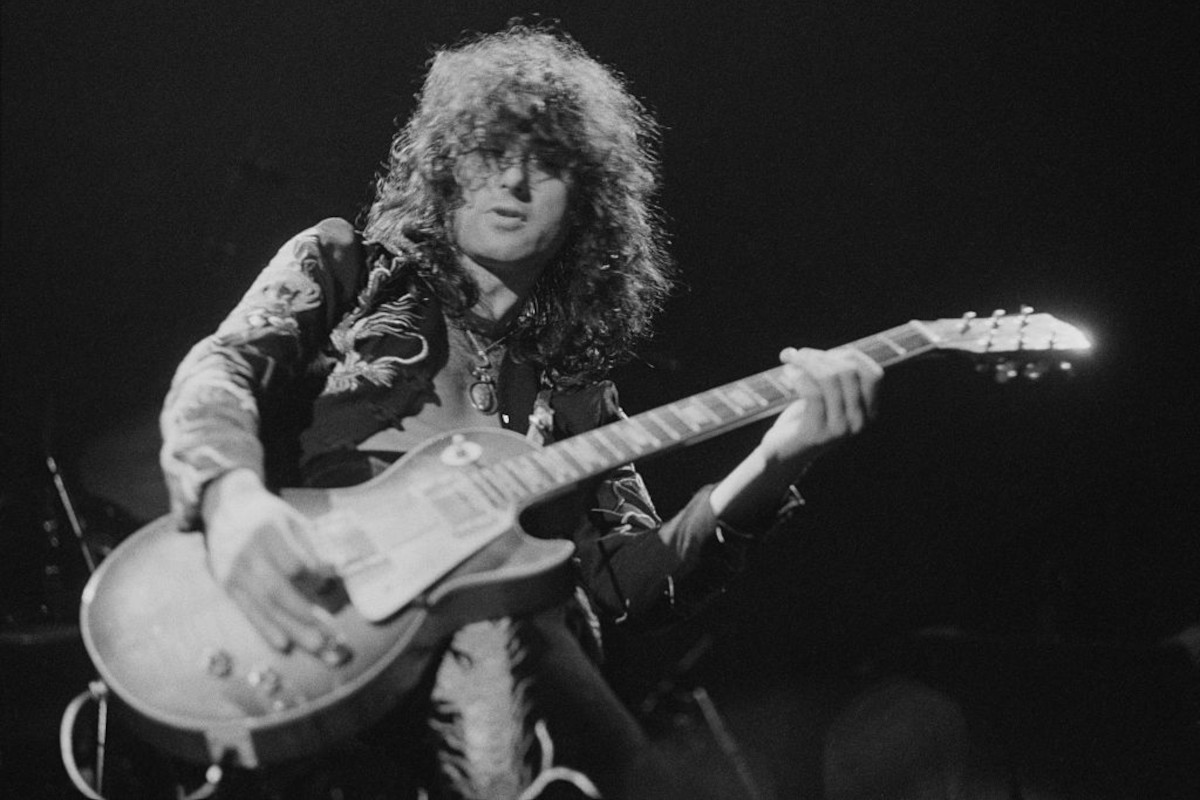
Before establishing himself as the most important rock guitarist of his generation, Jimmy Page was a sought-after session musician. His guitar-for-hire status saw him playing on tracks by The Who, Them, Marianne Faithful, Joe Cocker and Lulu, among many others. He swapped the studio life for The Yardbirds, and when they split formed Led Zeppelin.
Led Zeppelin provided the perfect platform for Page to evolve into one of the guitar’s ultimate heroes. His heavy blues riffs combined with his acoustic wizardry helped him to define rock guitar in the early 70s. His position in the band as a composer meant he was always going to be much more than just a soloist.
Honourable mentions to Ritchie Blackmore, Angus Young, Randy Rhoads, Brian May, Tony Iommi and many more to numerous to mention, including Eddie Van Halen.
Peak of powers: ‘Kashmir’ (1975)
7. Blues rock
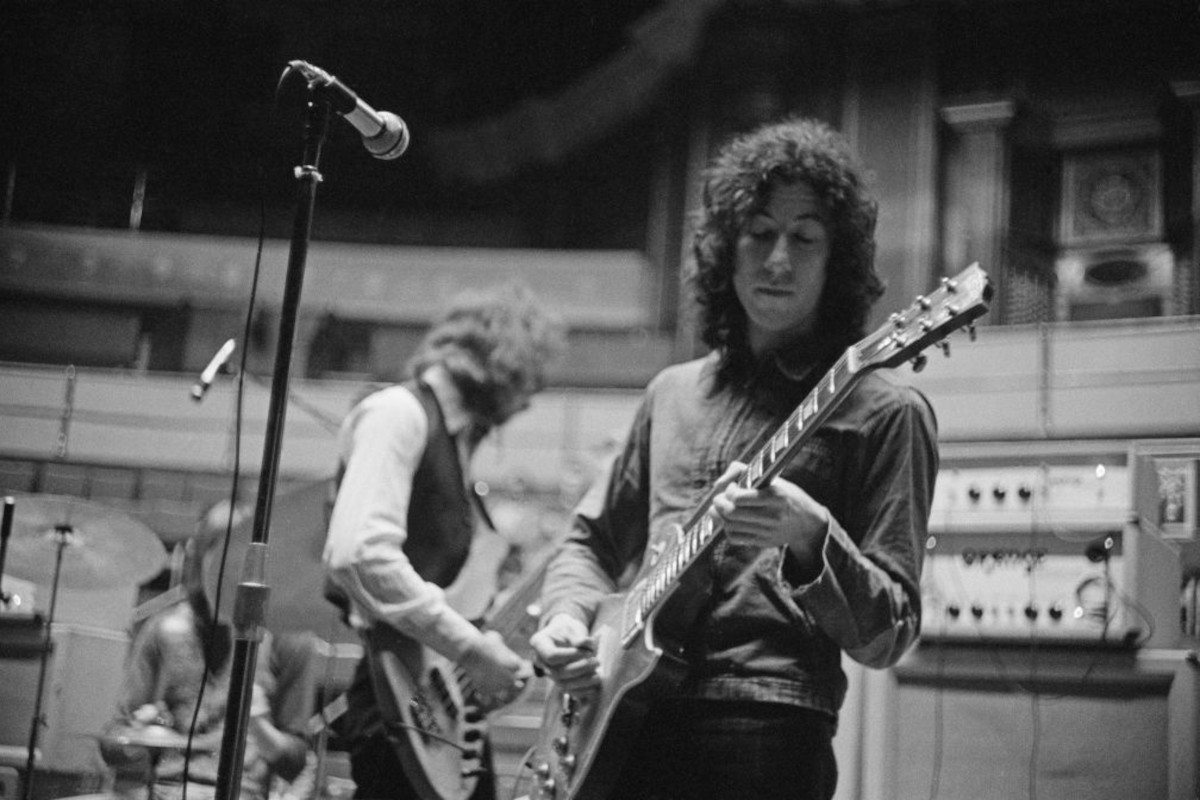
Peter Green
Blues rock developed in the early 1960s when rock musicians plugged in their electric guitars and starting playing a fast-paced version of the Chicago blues. The phenomenon occurred on both sides of the Atlantic, but it was the British who embraced it the most firmly.
Jeff Beck, Jimmy Page, Keith Richards, Eric Clapton, Mick Taylor, Alvin Lee, Brian Jones and many more make up a list of exceptional talent, but it’s Peter Green who reigns supreme.
No less a blues deity as B.B King said that Peter Green was the only other other that gave him "the cold sweats." Green replaced Eric Clapton in John Mayall’s Bluesbreakers, which would have been a tough gig for a mere mortal but he aced it. Green then went onto to form pre-soft rock Fleetwood Mac.
His soulful phrasing and ‘singing tone’ elevated him to giant status among his blues-rocking peers. Green was famed for played a Les Paul called ‘Greeny’, which is know in the possession of Metallica’s Kirk Hammett.
Peak of powers: ‘Oh Well’ (1969)
8. Glam rock
Mick Ronson
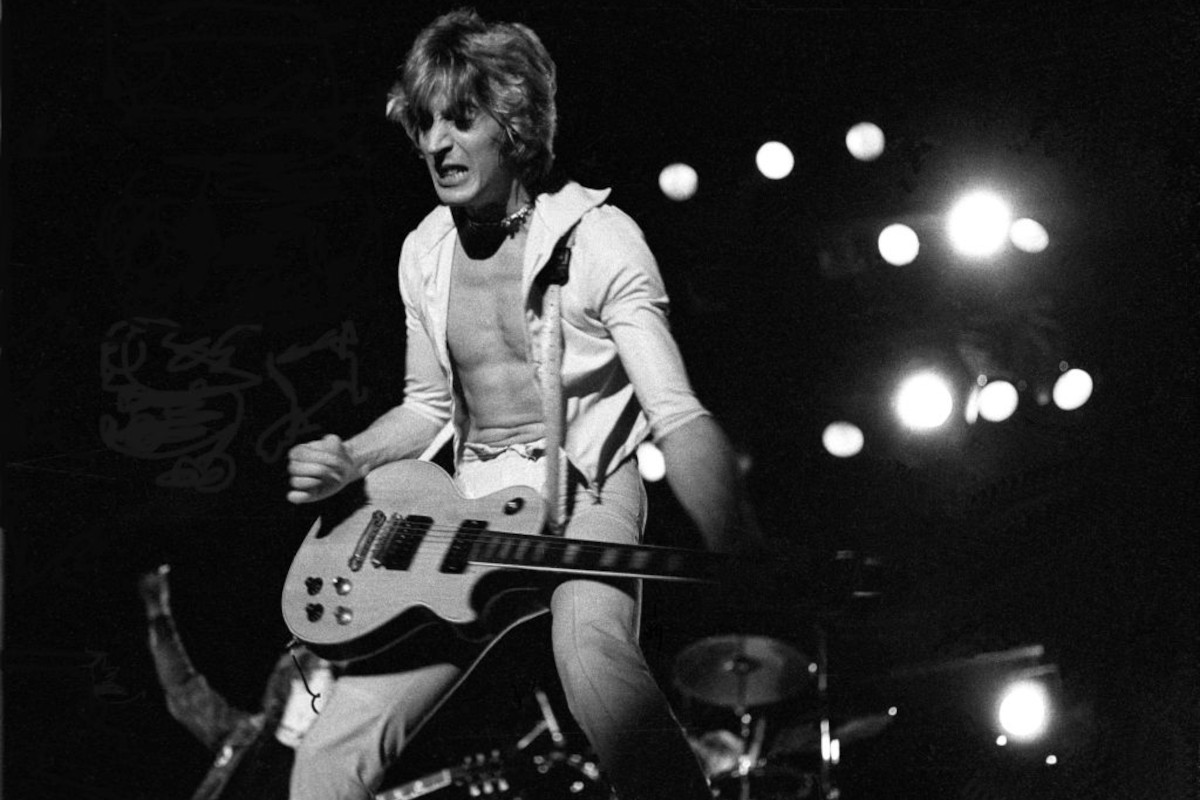
With appreciative nods to Phil Manzanera, Johnny Thunders, Marc Bolan, Mick Ralphs and Alice Cooper’s Glen Buxton, Mick Ronson sits on the glam rock guitarist’s throne. On his trademark Gibson Les Paul, he brought the muscular hooks and melodic solos to David Bowie’s breakthrough years.
After exiting Bowie’s orbit, he briefly joined Mott The Hoople, and even went on the road with Bob Dylan during the Rolling Thunder Revue. No one trick pony, Ronson was also a highly regarded producer and arranger.
Peak of powers: ‘Width Of A Circle’ (1970)
9. Grunge
Kurt Cobain
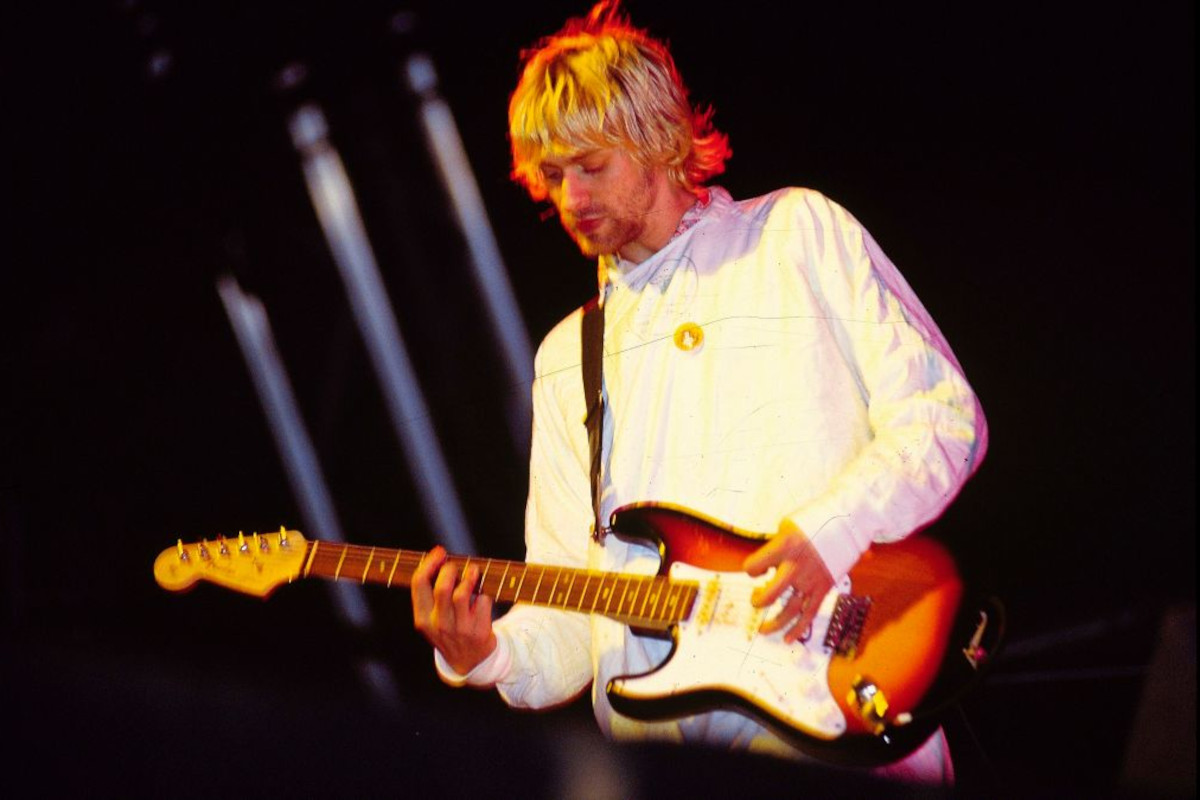
Grunge grabbed hold of punk rock’s aggressive energy and fused it with the sludgy sound of heavy metal bands, such as Black Sabbath and Deep Purple. Kurt Cobain’s guitar playing is comparable with that of Neil Young, based much more on raw emotion and feel, rather than any semblance of technical virtuosity.
His guitar sound defined the grunge movement, he didn’t need to win proficiency awards as well. Cobain had an unlikely ally in Queen’s Brian May who generously said, "there’s not a lot of technical stuff there… and yet he gives us a legacy of some of the greatest guitar music of all time.”
A very different guitarist to Cobain, Pearl Jam’s Stone Gossard deserves a quick acknowledgement of appreciation.
Peak of powers: ‘Drain You’ (1991)
10. Indie rock
Johnny Marr
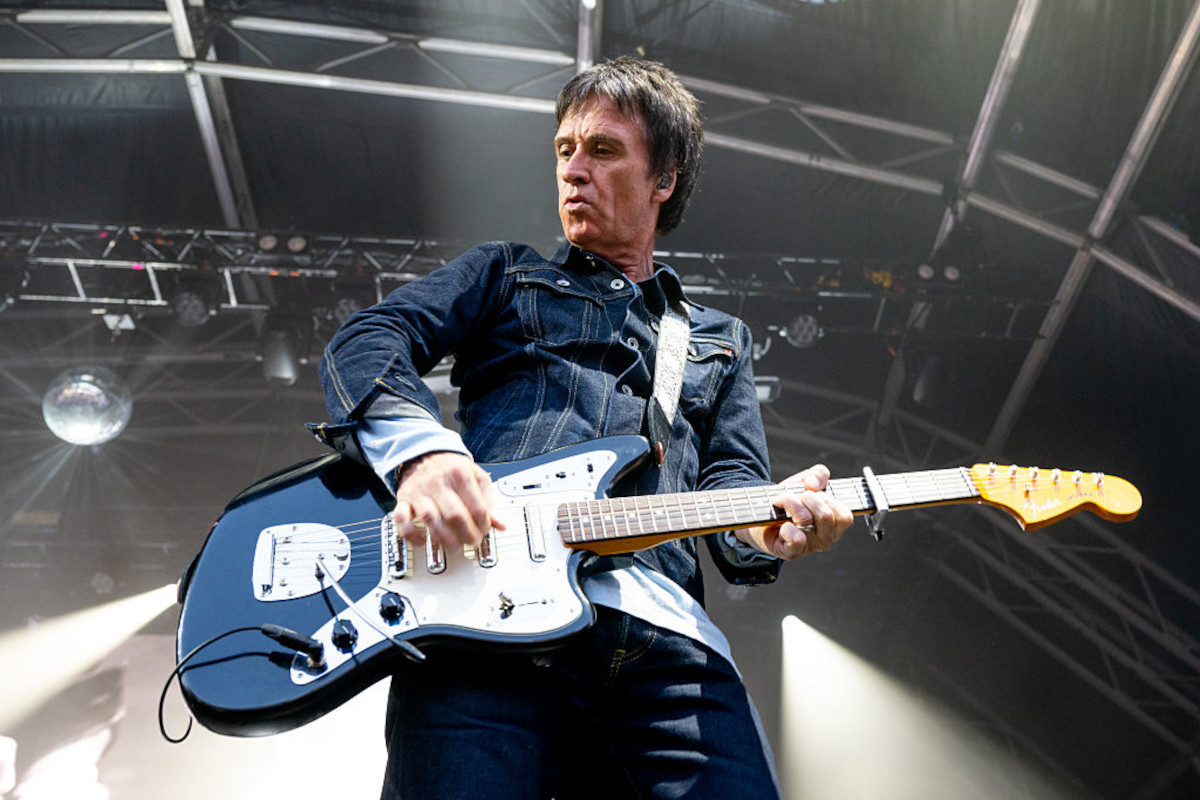
As times change, so do attitudes and indie guitarists are a breed apart from the strident axe-wielding, soloing rock demigods of previous decades. Heavy power chords were replaced with arpeggios and jangle, and a crisp sound valued over distortion.
Johnny Marr is the quintessential indie rock guitarist and his time in The Smiths laid the foundations for generations of bands to come. Marr has never been within touching distance of a blues rock solo, and his influence on bands such as The Stones, Oasis and the Arctic Monkeys is plain to witness.
Mention should also be made of Peter Buck, Kevin Shields, J Mascis, Graham Coxon, Joey Santiago and Johnny Greenwood for their services to indie rock.
Peak of powers: ‘How Soon Is Now’ (1984)
11. UK punk rock
Steve Jones
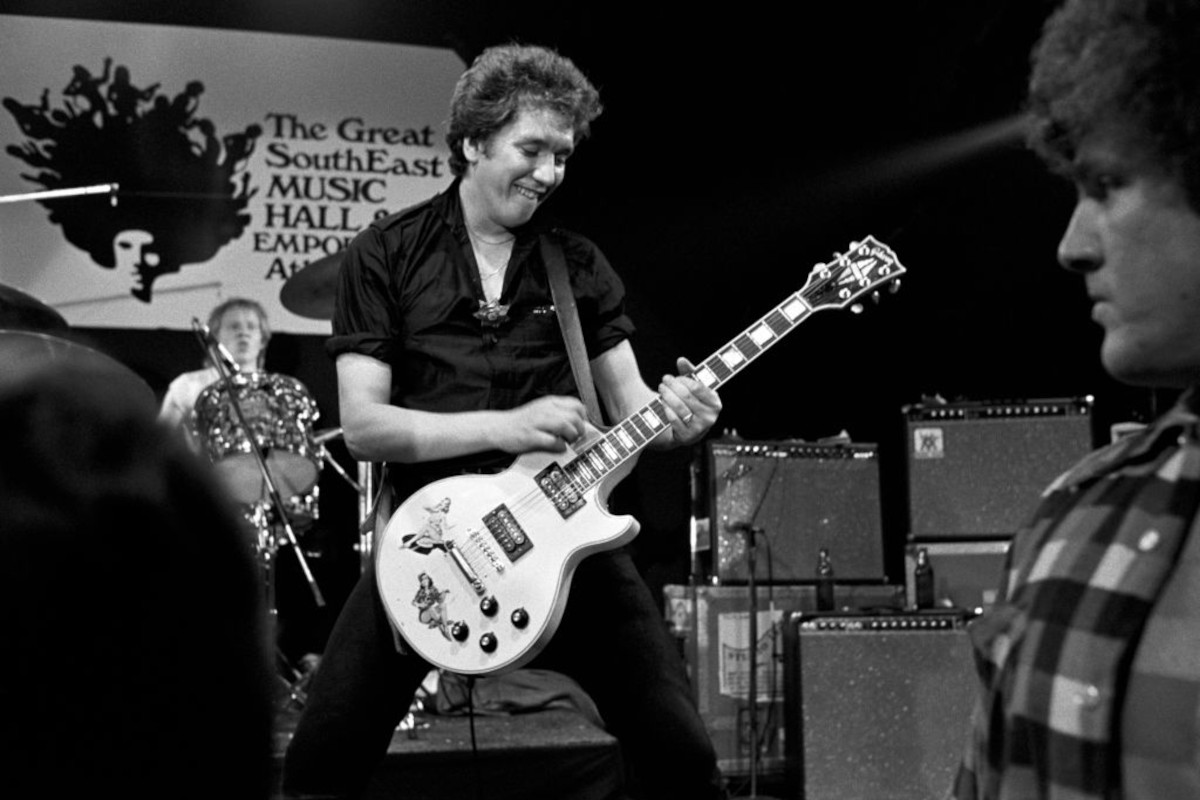
When it comes to punk in the UK it’s a definite case of keeping up with Joneses - namely Steve Jones from Sex Pistols and Mick Jones from The Clash. Mick was influenced by Mott The Hoople and The Faces, but as an expert arranger could also throw his hand at rockabilly and reggae.
Steve, on the other hand, was a self-taught guitarist, who somehow created the sonic blueprint for the entire punk movement. A devotee of Mick Ronson, Jones’ crunching power chords added a sonic wall of sound behind Johnny Rotten’s sardonic vocals. Despite its obvious flaws, debut album Never Mind The B******s remains one of the great guitar albums of the 1970s.
Peak of powers: ‘Silly Thing’ (1979)
All photos Getty Images
Top image Jimmy Page performing live, circa 1970


