
Rock is a musical form made up of many scenes and subgenres with the UK and USA consistently providing the cultural and geographic backdrop. The majority of musical movements do not develop in isolation and versions pop up on both sides of the pond (with pub rock, among a few others, a notable UK-only exception).
In this article we look at nine of rock’s most important rock genres and with our critical faculties engaged have pitched the two superpowers against each other to discover who rules rock’s subgenre arena.
1. Heavy metal
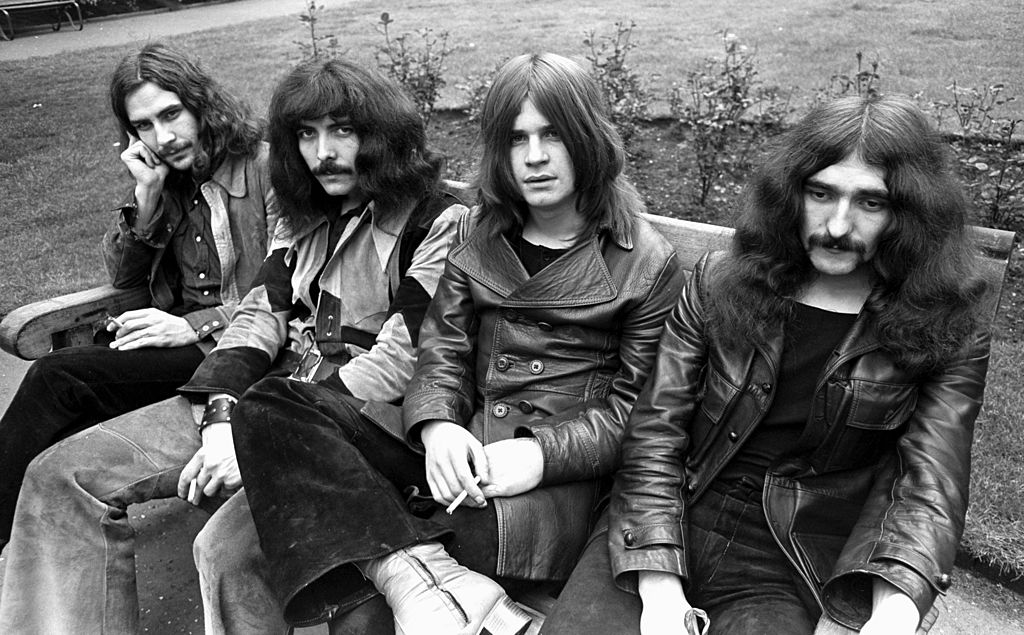
Heavy metal has its roots in the British blues boom of the late 1960s, where rock’s trio of founding fathers, Led Zeppelin, Black Sabbath and Deep Purple, all cut their teeth. The three UK groups played the blues louder and heavier than ever before, and created a soundtrack for rebellious youth on both sides of the Atlantic.
While Led Zep amplified the blues to huge success, it was Sabbath who added many of heavy metal’s enduring stylings, such as oppressive weighty riffs, screeching vocals and a doomy ready-made world obsessed with paranormal horror.
American bands got in on the action, with Alice Cooper, Kiss, Van Halen and Aerosmith each adding their own idiosyncratic showmanship to the eardrum-bursting genre.
In the late 70s the New Wave of British Heavy unfurled a fresh influx of bands into the scene, including Judas Priest, Iron Maiden, Def Leppard, and jokers in the pack, Motörhead.
The 80s saw heavy metal get stretched in different directions. First, it lurched towards the mainstream with the UK’s Def Leppard and the US’s Van Halen showing the way with hit-laden, monster selling albums such as ‘Pyromania’ and ‘1984’. It was then sent temporarily underground with Metallica and Megadeth benefiting from the backlash to metal’s sell-out accessibility.
Winner: UK. While a fervent fanbase in the USA has taken heavy metal to its heart, it’s the sheer weight of metal's monumental bands, especially the trio of founding fathers, which swing the verdict in favour of the UK.
Score: USA 0 - UK 1
2. Power pop
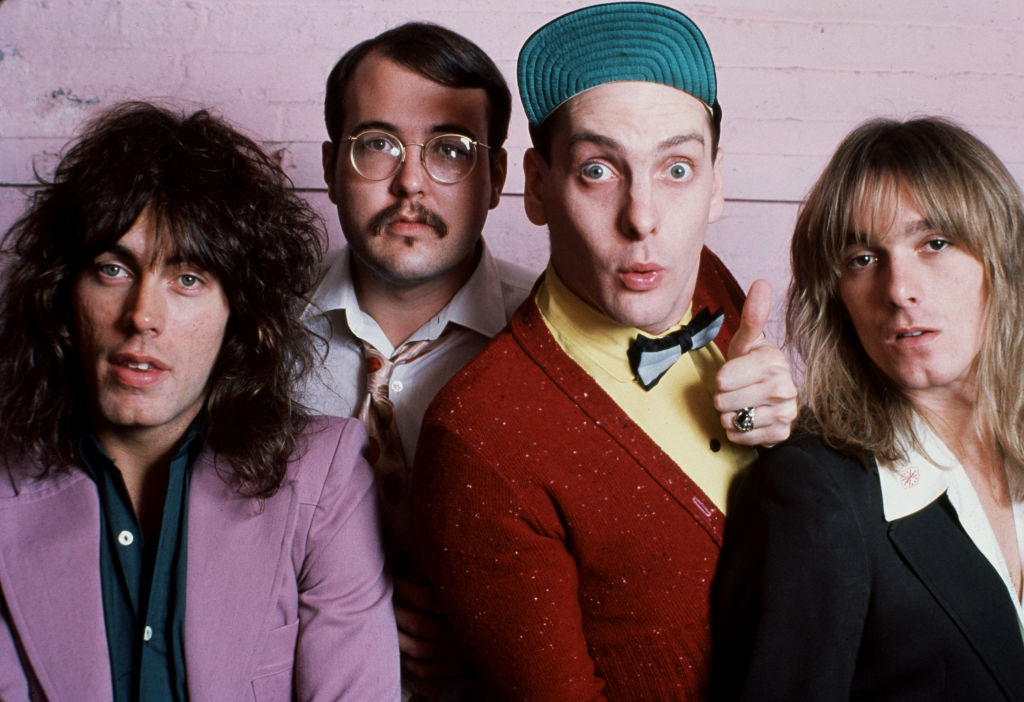
The term ‘power pop’ was initially coined by Pete Townshend, one of the subgenre’s most celebrated progenitors. The Who’s main man may have been describing his own band’s music, but the phrase was adopted to label an entire movement.
Categorised by its reliance on sugared harmonies and punchy melodic hooks, power pop’s origins lay with the early hits of classic bands, such as the Beach Boys, The Byrds, Small Faces and, inevitably, The Beatles.
The first wave of power pop acts stirred in the early 70s included UK-based Badfinger along with the US trio of the Raspberries, Big Star and the maverick Todd Rungdren. Its popularity steadily grew alongside the rise of New Wave in the late 70s - the two subgenres are closely entangled - with Cheap Trick, The Cars, Dwight Tilley and The Knack all experiencing chart success. In fact, the latter’s ‘My Sharona’ was so ubiquitous it inspired a backlash all of its own.
The subgenre persisted and latter-day US bands such as Jellyfish, Matthew Sweet, Apples In Stereo, Velvet Crush and The Posies kept the power pop fires burning.
Winner: US. The first British Invasion, led by The Beatles, was vitally important in the development of power pop, with Badfinger one of its finest exponents. Yet, over time, power pop is a rock genre the US has picked up, run with and pretty much made its own.
Score: USA 1 – UK 1
3. Folk rock
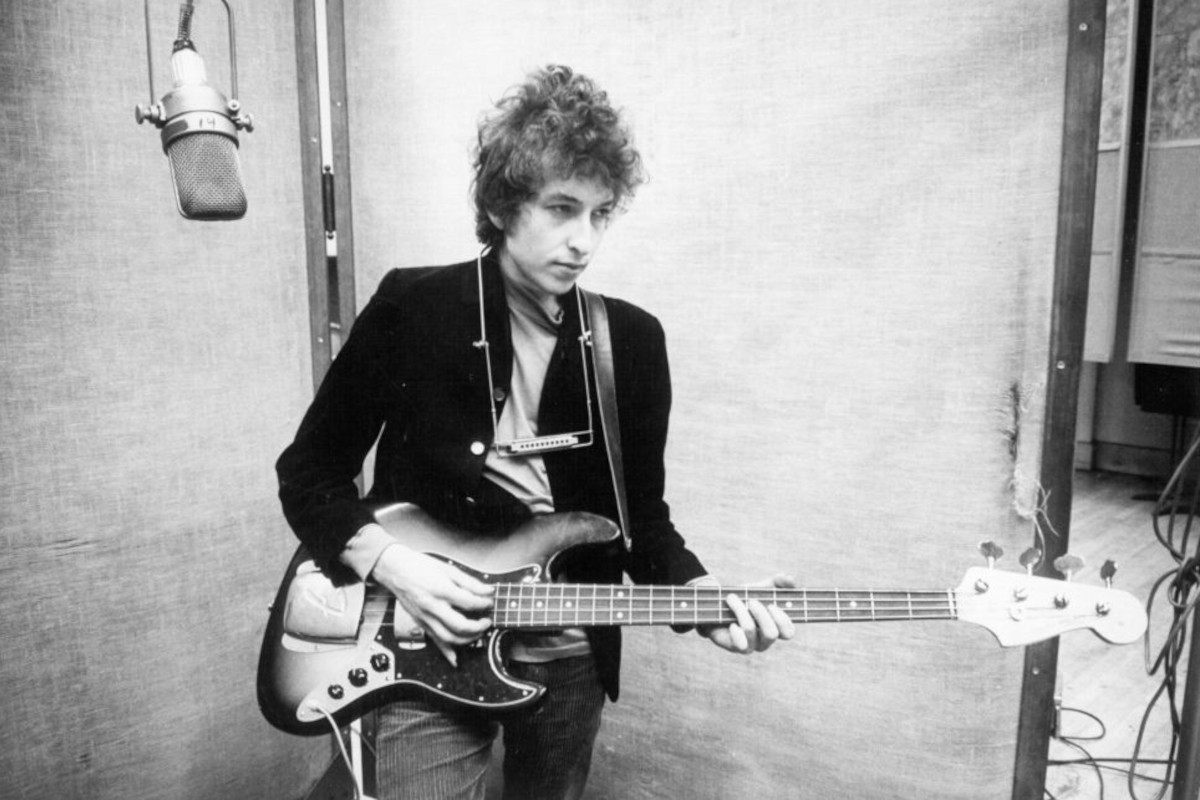
Much to the dismay of diehard folk fans on both sides of the Atlantic, folk and rock got it together in the mid-60s to form a brand new subgenre. The Animals’ ‘House Of The Rising Sun’ and The Byrds’ ‘Mr Tambourine Man’ provided the early blueprints of folk rock’s potential.
The scene’s profile was then accelerated when reluctant founding father Bob Dylan shelved his acoustic guitar and plugged in his electric. His fifth album Bringing It All Back Home was his first with a rock band and proved to be one of the most influential albums of the era. It was the gateway into folk-rock for a number of new bands, including Buffalo Springfield, Poco and, ultimately, Crosby, Stills, Nash and Young.
While folk-rock in the US was inspired by the blues and a like-minded core of singer-songwriters, the UK equivalents accessed a treasure trove of traditional ballads and handed them a rock makeover. Dylan was still a major touchstone, but bands like Fairport Convention, Steeleye Span and Pentangle gave the British Folk Rock scene a distinctive feel of its own.
Winner: US. The appeal of folk-rock on both sides of the Atlantic has endured with a long litany of classic albums. The UK holds a distinctive appeal to many, but it’s the presence of The Byrds and, especially, Bob Dylan that gives the US the win.
Score: USA 2 – UK 1
4. Punk rock
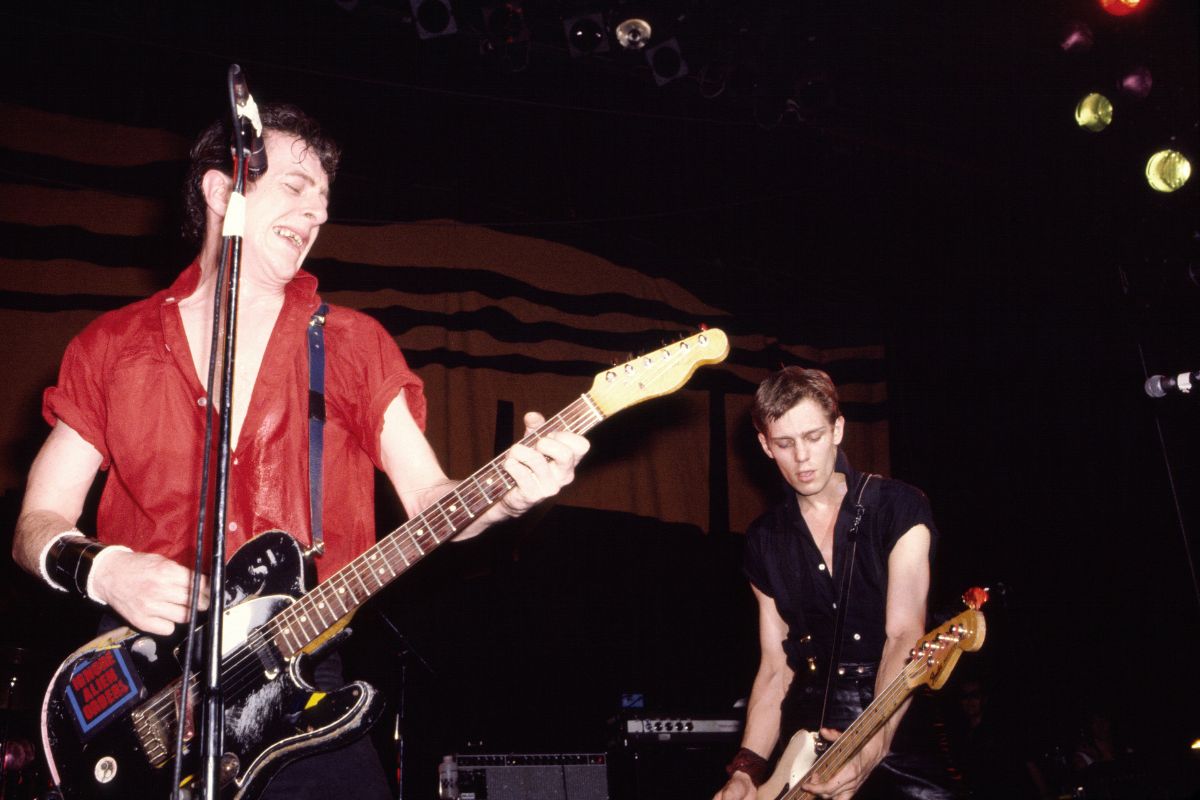
The US and the UK both played home to vibrant punk rock movements from 1976 onwards with New York and London the respective cultural centres. While many of the core values were shared between the two scenes, particularly the DIY ethic and a distrust of the elitist rock scene, there were also a whole load of differences.
The US punks were older, though not necessarily wiser, and more individualistic than their UK equivalents. To a degree, the scene was regarded as some sort of extended art project. Prime-moving, leather-clad bands such as The Ramones, The Heartbreakers, and The Dead Boys were loud and snotty, yes, but were they in it for real?
UK punks, on the other hand, were forged out of economic hardship and the aggression on their pock-marked faces was anything but performative. Sex Pistols, The Clash and The Damned harnessed anger and disillusion to belligerently create a scene that meant a lot to so many.
Winner: UK. While the first three Ramones albums are essential to any rock collection, the British punks claim the win thanks to the hard-edged authenticity of their headlining bands.
Score: USA 2 – UK 2
5. Blues rock
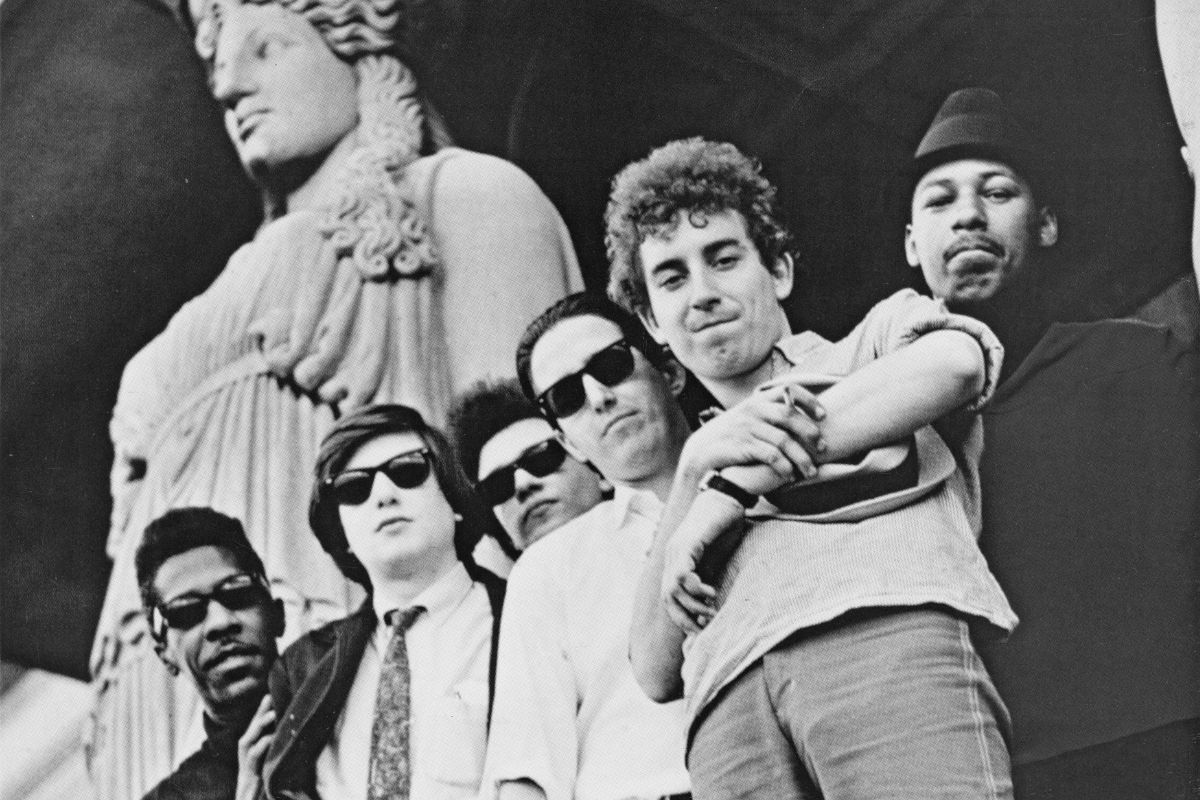
The Blues boom of the mid-1960s saw UK bands appropriate songs from the Mississippi Delta and Chicago, apply a layer of rock styling and then export them back to the US. Blues-orientated guitar heroes such as Eric Clapton, Jeff Beck, Peter Green, and a young Jimmy Page honed their explosive skills for much-loved bands such as John Mayall’s Bluesbreakers, The Yardbirds, and Fleetwood Mac.
In the US a number of committed blues revivalists were treading similar ground. The pioneering Lonnie Mack was the first to develop the blues rock guitar sound, while acts such as The Paul Butterfield Blues Band, Johnny Winter and Canned Heat were waiting in the wings to take blues rock to another level.
Winner: Tie. It’s impossible to separate the importance of both the US and the UK to the blues rock genre. The British blues boom was an important development that gave any number of legendary lead guitarists a first break. But the United States is the real home of the Blues and respect is due.
Score: USA 2.5 – UK 2.5
6. Psychedelia
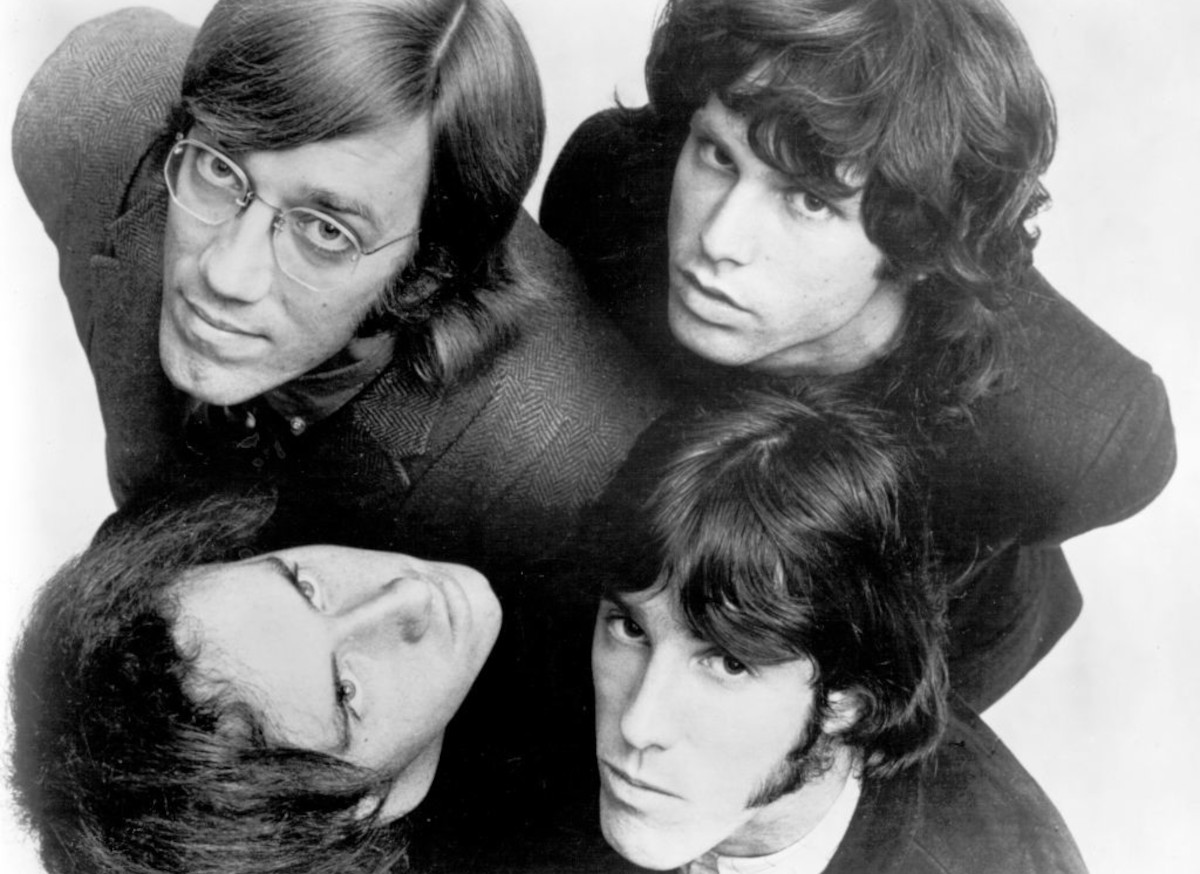
Rock had its mind expanded forever in the mid-60s when tuned-in musicians allowed the lines between music and certain recreational pursuits to blur. Hallucinogenic drugs such as LSD had a profound effect on the sounds emanating on both sides of the Atlantic.
The essential difference between psychedelic rock in the US and the UK can be told through the prism of two of its leading exponents: Pink Floyd in the UK corner, and representing the US The Doors.
Like many of the UK psychedelic groups Pink Floyd leant into a dreamy mesh of whimsy and the avant-garde. Band leader and acid victim Syd Barrett’s lyrics epitomised this playful approach and Floyd’s first album, Piper At The Gates Of Dawn referenced Kenneth Grahame’s novel, The Wind In The Willows.
The Doors were drenched in West Coast counterculture and, like neighbours The Grateful Dead, were not whimsical in the slightest. Psychedelic rock in the US was much more muscular in both sound and stance.
The studio was of less importance than it was in the UK, and Jim Morrison’s men liked nothing more than an extended blues jam with total transcendence an optional extra.
The winner: US. The psych scenes on both sides of the Atlantic developed in such fascinating and singularly unique ways it’s difficult to pick one over the other. But the US shades the win because of the fierce commitment of the bands and the fans to embrace psychedelic rock as a lifestyle choice.
Score: USA 3.5 – UK 2.5
7. Prog rock
While popular in its own niche way on both sides of the Atlantic, the UK has always possessed more than the lion’s share of the major prog rock bands. The subgenre’s appeal is linked to the instrumental virtuosity of its musicians and the interwoven intricacy of its compositions: all aspects that UK heavy-hitters such as Yes, King Crimson, Genesis and ELP excel.
Storytelling is also an important prog rock staple and fantastic tales of ancient myths and dystopian futures adorn the track listings of numerous gatefold sleeves.
US prog rock bands emerged in the 1970s and 80s, with Kansas, Styx and Starcastle attempted to get their own brand of symphonic rock on the radio. The willfully uncategorisable Frank Zappa and The Mothers Of Invention also had their weirdly, proggy moments.
The prog scene currently endures but remains underground with bands such as Spock’s Beard and The Mars Volta pushing the subgenre slowly forwards.
The winner: UK. The ownership of all of prog rock’s heaviest hitters results in a comfortable win for the UK.
Score: USA 3.5 – UK 3.5
8. Soft rock
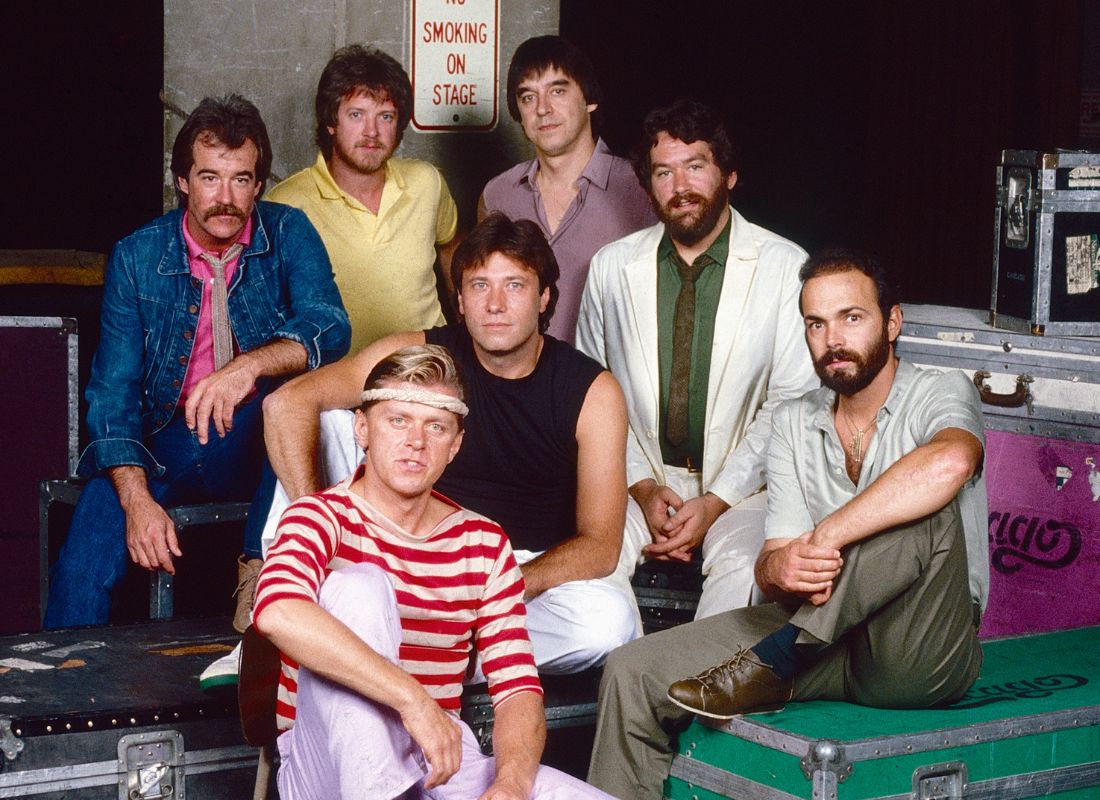
Soft rock arrived as a mellow counterpoint to heavy rock’s envelope-pushing, ear-punishing extremes. Often referred to as adult-orientated rock (AOR), the laid-back subgenre was tailored for radio play and is categorised by its commitment to lush studio production and more conventional song structures.
At a soft rock gig you could put your head into the bass speaker and live to tell the tale.
Singer-songwriters such as Carole King, James Taylor and Elton John found sanctuary in the genre, as did non-edgy bands such as Bread, Fleetwood Mac, Chicago and Supertramp. The 1970s was soft rock’s most successful decade with classic albums such as Tapestry, Goodbye Yellow Brick Road, Sound Of Bread, Rumours and Breakfast In America ever-present on turntables across the globe.
The winner: USA. Soft rock was predominantly designed for radio play on mainstream American radio, a context that cannot be ignored. The artists maybe a near equal mix of transatlantic artists, but the USA owns the genre.
Score: USA 4.5 – UK 3.5
9. Indie rock
Back in the day indie rock used to refer to arty bands that recorded for independent labels, The Smiths are often stated as the UK’s most relevant case study, while there’s a strong argument to hold up R.E.M. as the American equivalent.
As the major labels muscled in the term shifted in meaning and indie evolved into a sound and a state of mind, rather than an affiliation to a record label. Indie artists remain free-spirited with artistic credibility valued over mainstream success. Sonically there is little difference between the UK and US versions of the subgenre, with what devil there is in the detail.
This attitude has permeated to both sides of the Atlantic and indie rock acts are a big deal. In the US, bands such as Wilco, The White Stripes, Bon Iver and The Strokes fly the indie rock flag, while the UK can call on the services of Oasis, Radiohead, and the Arctic Monkeys.
The winner: A tie. Another of rock’s subgenres that it’s too close to call. The UK’s legacy runs deeper, but the US is equally important in keeping the non-mainstream spirit of independence alive.
And the final score is...
USA 5 – UK 4
It's been immense, it's been fought tooth and nail, but across these nine seminal rock genres America just edges the crown.
Pics Getty Images


