
What if John Bonham took Ringo’s place behind the drum kit in The Beatles? Or Jimi Hendrix joined The Eagles? Actually, they both sound like the recipe for complete disaster, but the opportunity to assemble your own ultimate band comprised of your favourite musicians from both sides of the Atlantic does hold a sense of fascination.
For that very reason, we’ve put together nine fantasy supergroups across the same number of rock subgenres. Made up of singer, guitar, bassist and drummer, hey, we even allowed the prog rock iteration a keyboard player.
9 fantasy supergroups
1. Blues rock
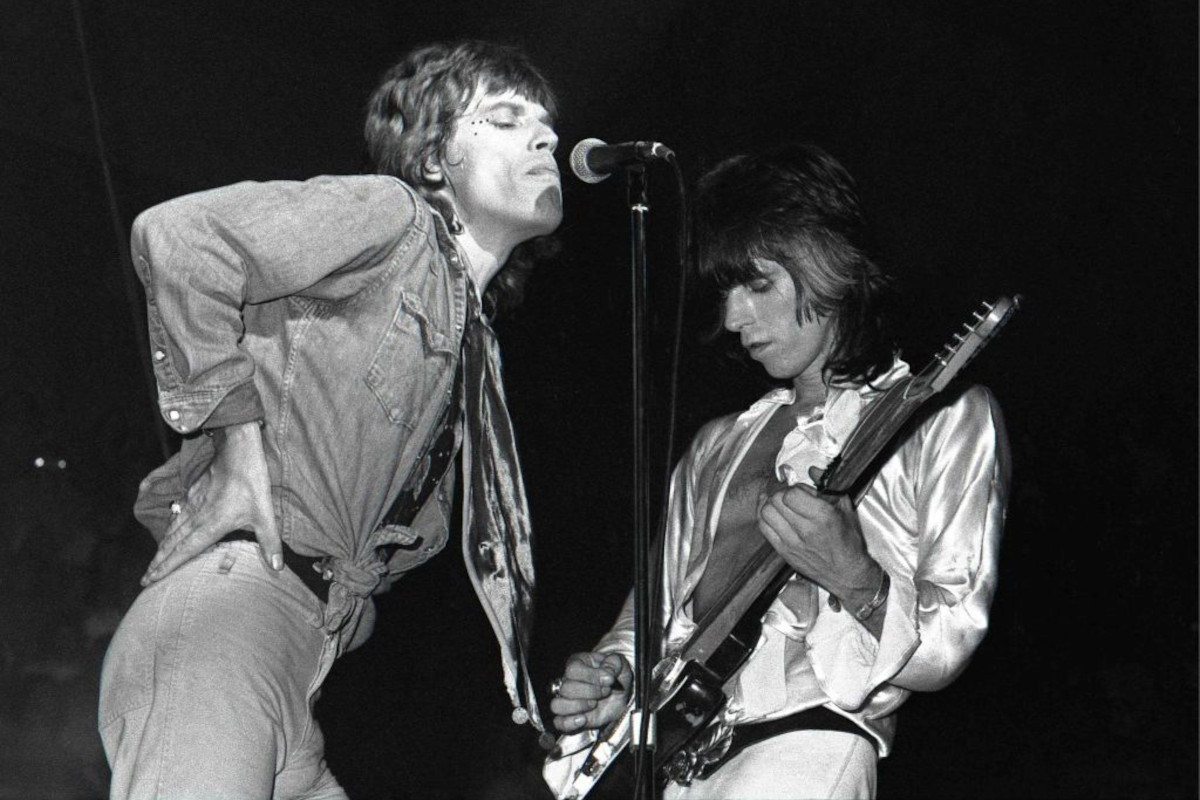
Singer – Mick Jagger
Guitar – Mike Bloomfield
Bass – Larry Taylor
Drums – Ginger Baker
Before it was swallowed up by the heavy rock juggernaut, blues rock was a happening scene on both sides of the Atlantic in the mid-60s. Bands such as The Rolling Stones, Canned Heat, and Cream and took the Chicago blues into fresh, heavier directions.
Mick Jagger: Rock’s greatest ever frontman? Yeah, probably. The eternal Jagger spearheaded the British blues boom, and has been strutting his stuff ever since. The great man’s stagecraft is off the scale.
Mike Bloomfield: The Chicago native learned his trade from watching the blues masters up close in the local South Side clubs. He made waves tearing it up in The Paul Butterfield Blues band, and was the lead guitarist on Bob Dylan’s Highway 61 Revisited. He also formed the short-lived Electric Flag with Buddy Miles.
Larry Taylor: Nicknamed ‘the Mole’ because of his distinctive front teeth, Taylor laid down the blues rock groove in Canned Heat, playing with them at both Monterey and Woodstock. He went on to form an enduring musical relationship with Tom Waits, appearing on both Swordfishtrombones and Rain Dogs.
Ginger Baker: Baker was a famously difficult character to get on with, but there’s no doubting his ability sat behind a kit with a couple of sticks in his hand. His pioneering playing for Cream is right out of the top drawer. Contrary to the core, he always insisted he was a jazz drummer.
2. Heavy rock
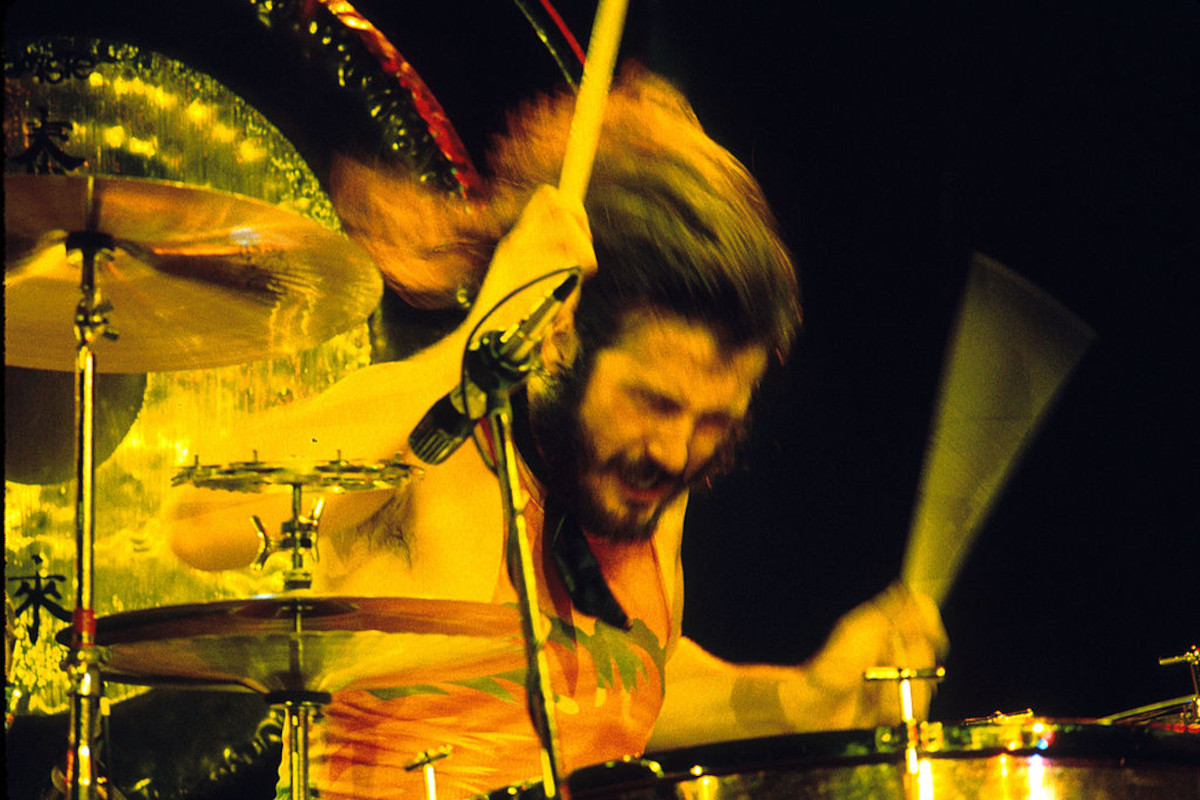
Singer – Freddie Mercury
Guitar – Eddie Van Halen
Bass – John Entwhistle
Drums – John Bonham
Heavy rock organically morphed out of blues rock in the late 60s when bands decided to crank up the volume and add more distortion to the mix.
Freddie Mercury: One of the greatest rock frontmen of all time, Mercury combined fearsome vocal power with the ability to get a vast stadium audience eating out of the palm of his hand (metaphorically, of course). His charismatic performance at Live Aid in 1985 is the rulebook for lead singers.
Eddie Van Halen: A true guitar evangelist, Van Halen’s trailblazing ‘two-handed’ technique revolutionised the sonic soundscape, propelling heavy rock into the mainstream. His band injected much need energy into a flagging rock scene in the early 80s.
John Entwhistle: After an early flurry of early UK chart hits, The Who transformed themselves into a formidable rock band. John Entwhistle was a big part of this winning formula and treated his bass as a lead instrument rather than merely part of a rhythm section. With Keith Moon as his drummer, he had little choice.
John Bonham: Led Zeppelin were the core creators of heavy rock, and any one of its members could have made the genre’s fantasy supergroup line-up. With his booming sound and great groove, Bonham is heavy rock’s defining drummer.
3. Psychedelic rock
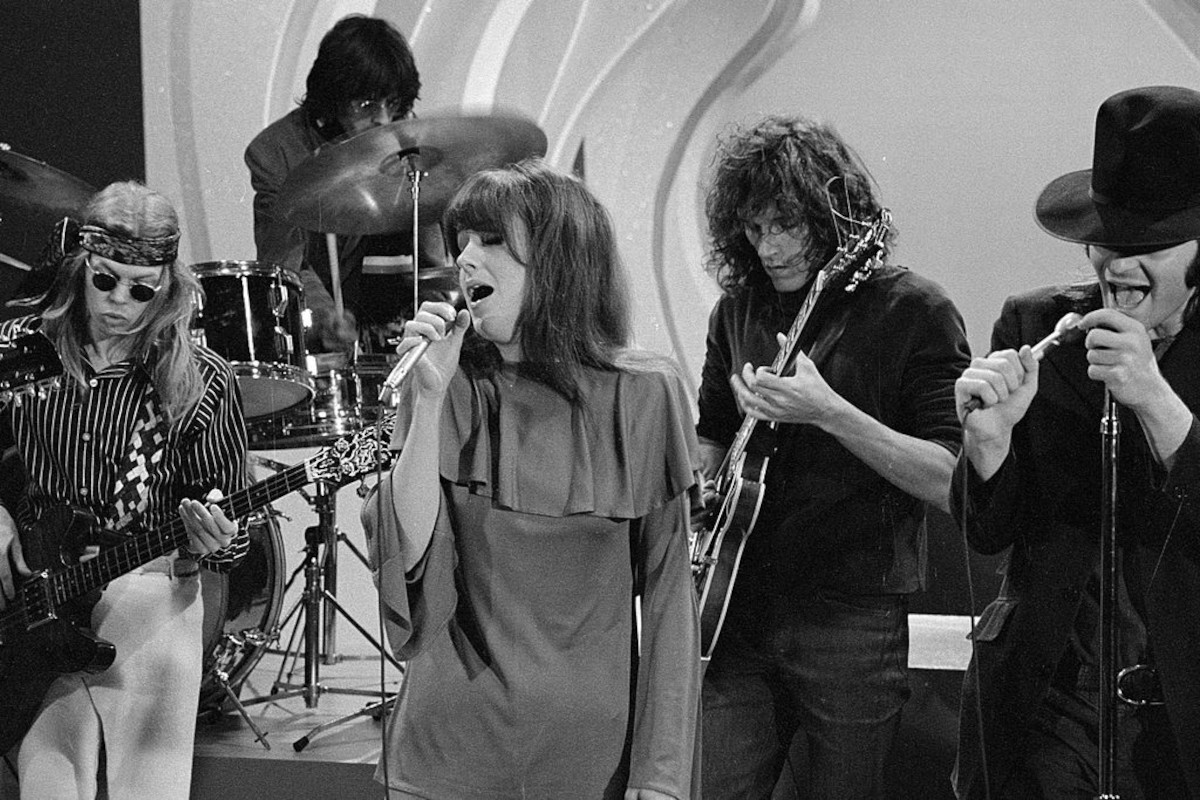
Singer – Grace Slick
Guitar – Jimi Hendrix
Bass – Phil Lesh
Drums – John Densmore
Psychedelic rock acts aimed to connect their music closely with the drug-altered state. Heavy reverb, trippy distortion and wigged-out modified sounds were used to replicate the experience. It was predominantly a US scene, and is represented here as an all-American foursome.
Grace Slick: Jefferson Airplane’s Slick was one of the leading voices of the psychedelic rock scene and an icon of the counterculture movement. A dynamic and fearless front woman, she wrote the iconic ‘White Rabbit’, one of rock’s most dazzling songs.
Jimi Hendrix: With his innovative use of feedback and fuzz, Hendrix’s guitar playing helped to define the sound of psychedelic music in the 60s. Hits such as ‘Purple Haze’ and ‘Crosstown Traffic’ showcased his skills and took audiences to places they’d never dared visit before. Jimi can also help Grace out on backing vocals, if she lets him.
Phil Lesh: The Grateful Dead’s Lesh had never picked up a bass guitar before Jerry Garcia asked him to join the band, which was probably par for the course on the west coast in 1965. His bass became an important counterpoint in a band not short on improvisational meanderings.
John Densmore: As with many of his peers, Densmore started out as a jazz drummer. This gave his playing a lighter, swinging touch that contributed to The Doors’ psychedelic sound. Densmore also had to adapt to playing live without a dedicated bass player.
4. UK punk
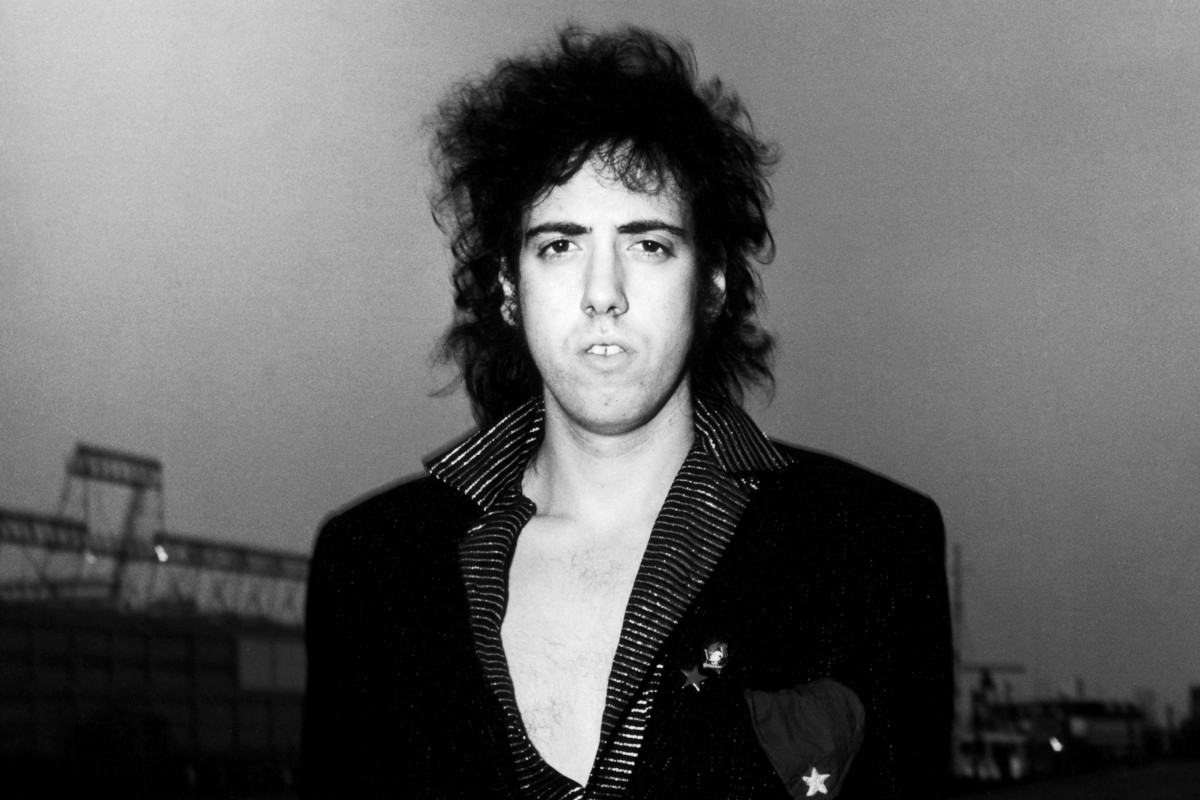
Singer – Johnny Rotten
Guitar – Mick Jones
Bass – Jean-Jacques Burnel
Drums – Rat Scabies
The punk rock movement in the UK was, in part, forged out of a chronic dissatisfaction with the existing music scene. The stadium rock gods had set themselves up as untouchable, so now it was the turn of snotty teenagers to get up on stage and have a go.
Johnny Rotten: The lead singer of the Sex Pistols was an anti-establishment figure like no other in the UK. His archly contrarian attitude inspired a generation of working class youngster to start asking awkward questions. His sneering vocal delivery defined the entire movement.
Mick Jones: Sex Pistols’ guitarist Steve Jones was famed for liberal use his power chords, The Clash’s Mick Jones was different. Jones’ sonic palette was far more varied and supported his band’s love of music outside of punk’s limited confines, such as reggae, funk and rockabilly.
Jean-Jacques Burnel: The Stranglers’ bassist was not one of those rhythmic players content to keeping time in the background. His growling, punchy bass lines were as in your face as his growling, punchy off-stage persona.
Rat Scabies: Born Chris Millar, the Damned’s offensively nicknamed Scabies was a frantically aggressive drummer, whose chaotic style fitted perfectly with the movement’s DIY ethos.
5. Prog rock
Singer – Peter Gabriel
Guitar – David Gilmour
Drums – Bill Bruford
Bass – Chris Squire
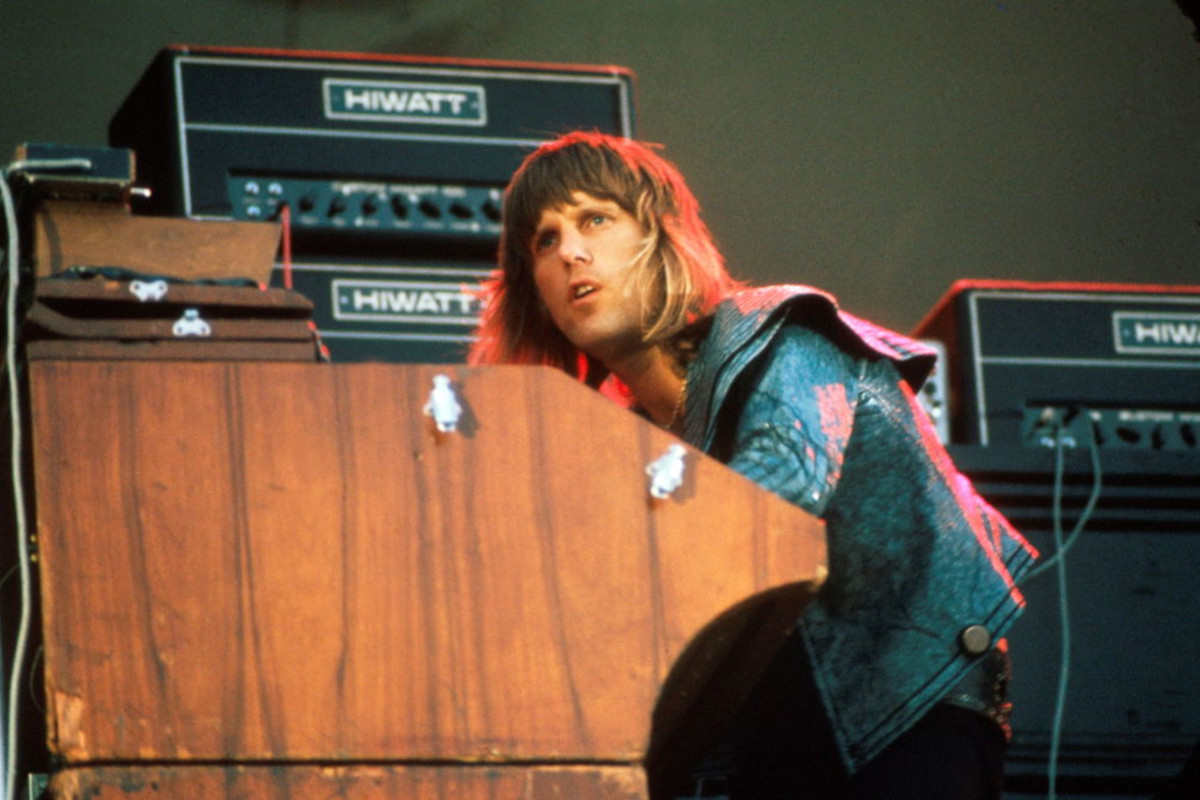
Keyboards – Keith Emerson
Prog rock is the sonic antithesis of punk with much of its appeal based on instrumental virtuosity of its musicians and the complexity of its songs. Many of the genre’s biggest bands are British, and this line-up reflects that fact.
Peter Gabriel: The celebrated frontman was forever pushing the boundaries of prog rock during his time in Genesis. His epic storytelling incorporated theatrical stagecraft, including a sexy fox in a red dress, the grotesque magog, and a flower.
David Gilmour: It will pain David Gilmour to be included in the prog rock fantasy supergroup, as he has always regarded Pink Floyd as just a bunch of people playing music together. Saying that, his ambient soundscapes and soaring solos are a cornerstone of the genre.
- Prog rock: its 31 most magnificent songs, ranked
- So, we ranked the 33 greatest prog rock albums of all time (No. 7 contains just one song)
Bill Bruford: The celebrated drummer’s prog credentials are irrefutable. He was a founding father of Yes, and also played on a number of King Crimson’s classic albums, including the remarkable Red.
Chris Squire: The Yes bass player is widely as regarded as the best in the prog rock business, a statement that has Geddy Lee’s full agreement. Armed with his trusted Rickenbacker, his crisp, melodic bass sound was a fixture on all of Yes’ classic albums.
Keith Emerson: If you’re going to have a fantasy prog supergroup then it’s mandatory to add a keyboard player. Famed for pinning down keys with knives during live performances, ELP’s virtuoso showman Keith Emerson was the natural choice.
6. Country rock
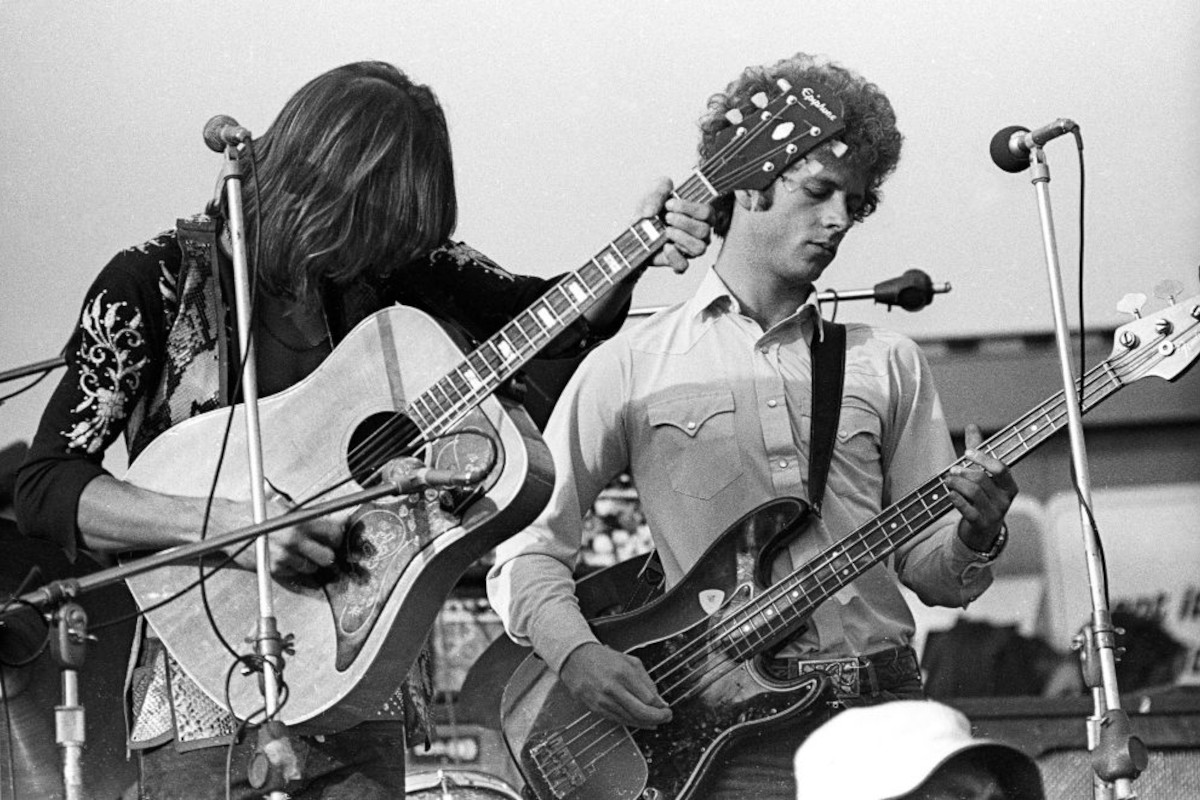
Singer – Gram Parsons
Guitar – Clarence White
Drummer – Levon Helm
Bass – Chris Hillman
Country rock fused rock’s heavy sounds and nonconformist attitude with Nashville’s vocal harmonies and genius for storytelling. Albums such as The Byrds’ Sweetheart of the Rodeo and Bob Dylan’s Nashville Skyline can be regarded as early foundational texts.
Gram Parsons: The pioneering Parsons tried to brand the nascent country rock scene as ‘Cosmic American Music’. His tag didn’t stick, but he remains a founding father. As a short-lived member of The Byrds, Parsons was responsible for directing them towards an authentic country sound.
Clarence White: As an in-demand session musician White appeared on recordings for, among many others, Joe Cocker, The Monkees and Linda Ronstadt. As a member of The Byrds he helped to establish their country rock credentials. White was tragically killed by a drunk driver at the age of 29.
Levon Helm: The Band may have had a rootsier sound than their west coast counterparts, but they certainly sounded a lot like country rock. As The Band’s only American member, drummer Helm added a soulful groove to his group’s live performances. Helm was also a great vocalist.
Chris Hillman: The versatile Hillman started out as a bluegrass mandolin player, and had to borrow a bass to audition for The Byrds. He secured the gig and his melodic bass lines were influential during the band’s transition to country. He went on to play with Gram in the Flying Burrito Brothers.
7. Grunge
Singer – Kurt Cobain
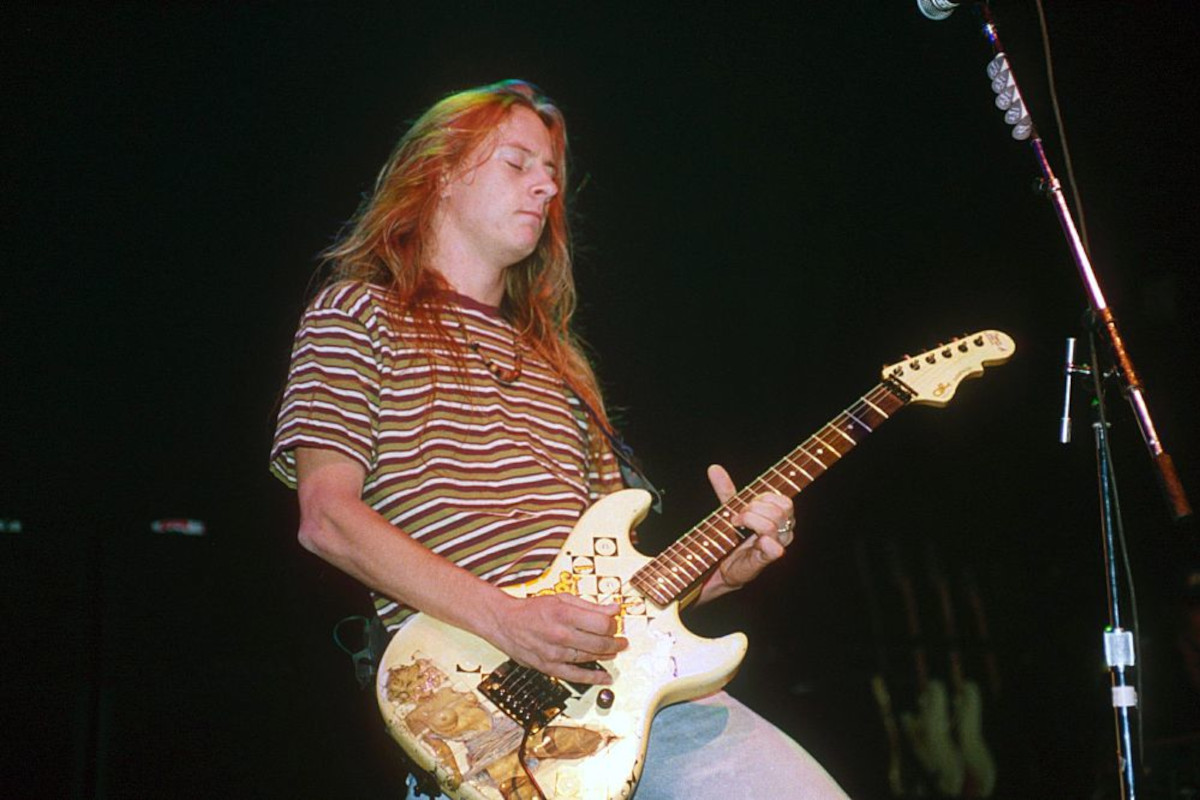
Guitar – Jerry Cantrell
Drums – Matt Cameron
Bass – Jeff Ament
With its punk rock attitude and sludgy guitars, for a moment back there grunge established Seattle as the epicentre of the music world. Bands, seemingly, lurked on every street corner and every album released was a hit. It was good while it lasted.
Kurt Cobain: An obvious but inevitable pick for the supergroup, it’s hard to even say the word ‘grunge’ without an image of Kurt Cobain entering your mind’s eye. As a frontman Cobain was utterly mesmerising with a fierce commitment bordering on obsession.
Jerry Cantrell: With his sludgy guitar tone and melodic metal riffs, the Alice In Chains’ axeman is one of grunge’s defining musicians. Cantrell didn’t earn the nickname ‘Riff Lord’ for nothing, and he is noted for his incessant use of the wah pedal.
Matt Cameron: The man behind the kit for Soundgarden is regarded as one of grunge’s greatest drummers. Cameron is a rarity among rock drummers, in as much as he is known for both the heaviness and lightness of his touch.
Jeff Ament: Ament was part of Seattle's grunge scene right from the outset and cut his teeth playing in important early bands such as Green River and Mother Love Bone. He was a co-founder of Pearl Jam and is one of the band's major songwriters. He grew up listening to The Ramones and The Clash, as well as Led Zep and The Who.
8. Indie rock
Singer – Michael Stipe
Guitar – Johnny Marr
Drums – Meg White
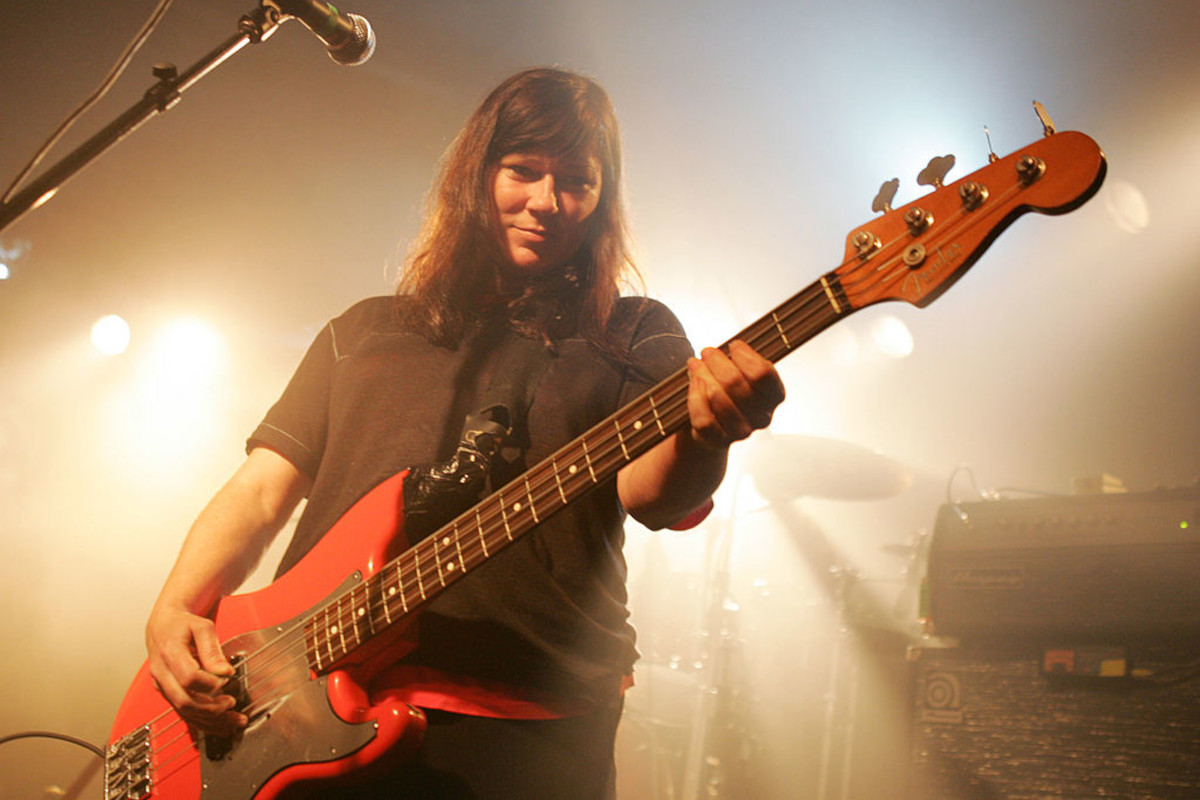
Bass – Kim Deal
Originally the indie rock kids moved away from regular rock tropes to create music that lived outside of the acceptance of the mainstream. As often happens the unwashed masses adopted the music for their own anyway.
Michael Stipe: R.E.M.’s journey began at the University of Georgia in Athens and ended with 15 studio albums and global acclaim. Throughout his career as a high profile indie rock frontman Stipe was never anything less than enigmatic and managed to keep his artistic integrity intact.
Johnny Marr: During his influential stint in The Smiths Marr laid the foundations for generations of indie guitarists to come. His intelligent and melodic playing proved to be the perfect foil to his songwriting partner’s lyrical ambitions.
Kim Deal: The Pixies’ bass player provided the melodically less-is-more approach that enabled her band’s songs to explode into sonic action. Her throbbing bass line on fan favourite ‘Debaser’ highlights how essential she was to the Boston band’s alternative rock sound.
Meg White: White was the perfect fit for The White Stripes stripped-back garage rock. Her minimalist style was never going to get her a gig in King Crimson, but her raw power took the band she was part of to the top of the indie rock pile at the beginning of the millennium.
9. US hardcore
Singer – HR
Guitar – Gregg Ginn
Drums – Jeff Nelson
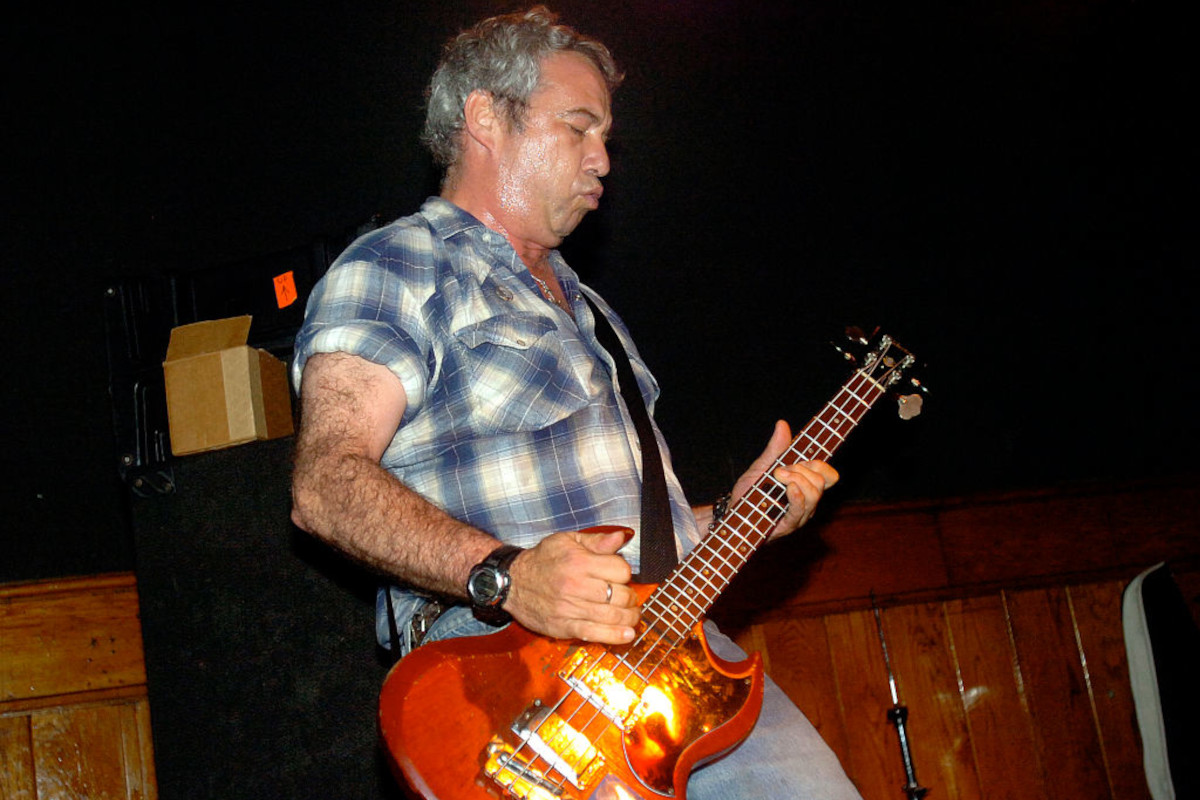
Bass – Mike Watt
Feeling disaffected by punk’s decline, the US hardcore scene stripped the movement down to its bare bones to create an even more sonically intense subgenre. Underground scenes cropped up all across the States, including New York, LA, Boston and Washington DC.
H.R.: Bad Brains are the spiritual godfathers of the hardcore scene in New York with the band’s legendary shows setting new records in terms of volume and tempo. H.R.’s feral vocal delivery and unparalleled levels of energy gave him a stage presence to be reckoned with.
Gregg Ginn: Black Flag were playing live at the outset of hardcore, and the band’s raw aggression and crazed energy set the bar high. Inspired by The Ramones, Ginn formed the band in 1976, a full five years before Henry Rollins rocked up as lead singer.
Jeff Nelson: Nelson’s powerhouse drumming in Minor Threat was not only fast and furious it was also precise, and helped to elevate his band to hardcore heroes in Washington DC.
Mike Watt: One of the US underground’s legendary bass players, Mike Watt has played in a number of important bands, including the Minutemen and fIREHOSE. His aggressive yet melodic style has made Watt a wanted man and he has toured and recorded with Iggy Pop and J Mascis.
All photos Getty Images
Top image A composite image of Freddie Mercury and Eddie Van Halen


