
Clearly, having a giant best-selling album on your hands is much more of a blessing than an actual curse – just ask The Eagles or Fleetwood Mac. All is good, until the time comes when you need to record and release a follow-up. It can often be a case of over-thinking it.
The fear of repeating yourself and just producing a carbon copy of the previous album is strong, but a radical lurch into new sonic territory can often prove just as damaging.
Our list of 11 disastrous follow-up albums includes tragic tales of studio excess, lifestyle indulgence and bizarre shifts in musical direction. The ‘consolation prize’ entries highlight that even the biggest letdowns can possess redeeming qualities.
Rock's 11 most disastrous follow-up albums
11. Black Sabbath – Technical Ecstasy (1976)
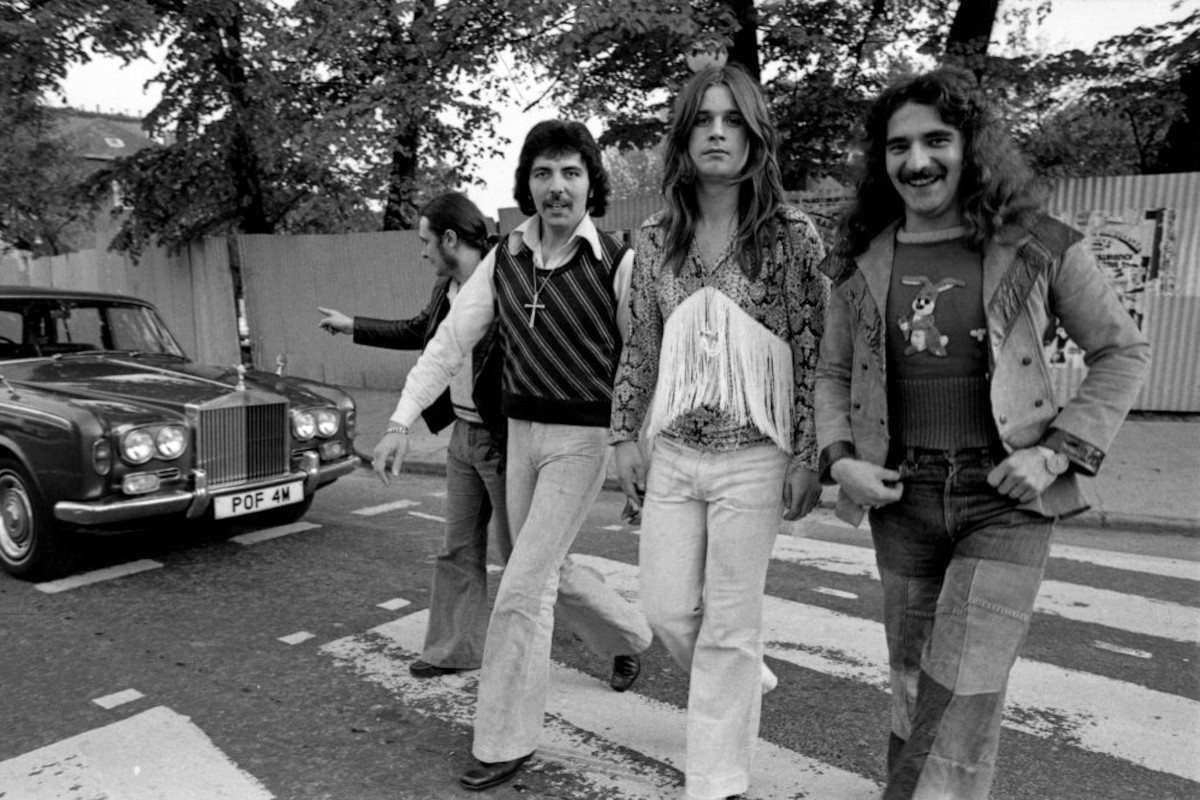
From the self-titled debut in 1970 to 1975’s Sabotage, Black Sabbath’s discography boasted a remarkable run of albums. It was a sacred streak that created and consolidated the heavy metal genre.
The next chapter was a curious change of tack, as Technical Ecstasy moved away from Sabbath’s trademark sludgy sound and towards a more polished rock style. This sonic heresy caused despair among critics and hardcore fans alike.
Consolation prize: 'Back Street Kids'
10. Yes – Tales From Topographic Oceans (1973)
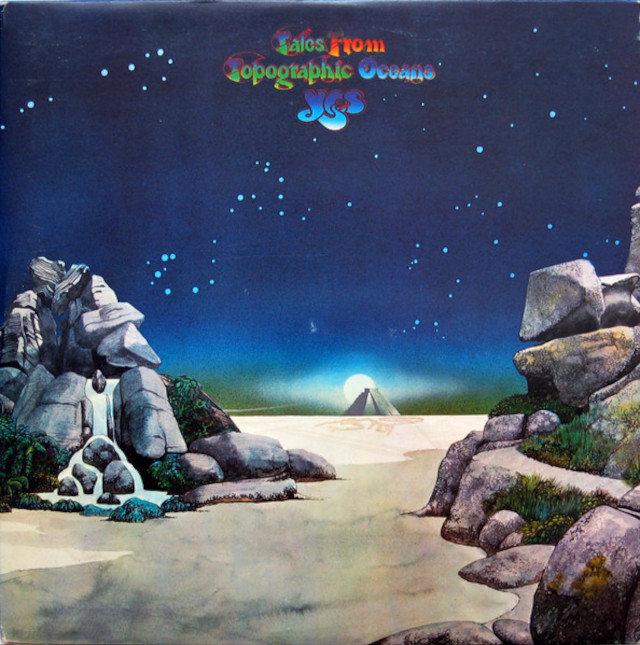
Punk in the UK grew out of a deep frustration with the music scene of the day, and if one album encapsulated that dissatisfaction it was Yes’s sixth studio album. Tales From The Topographic Oceans was a self-indulgent, bloated four-track double album where each song took up an entire 20-minute side.
The album’s lyrical concept was also alienating, based on Jon Anderson’s interpretation of Paramahansa Yogananda’s Autobiography Of A Yogi. Keyboard player Rick Wakeman struggled to get his head around the project, calling it 'Tales From Toby’s Graphic Go-Kart' (and famously eating a curry onstage, out of boredom presumably, during the album's subsequent tour).
Consolation prize: 'The Remembering'
9. The Strokes – Room On Fire (2003)
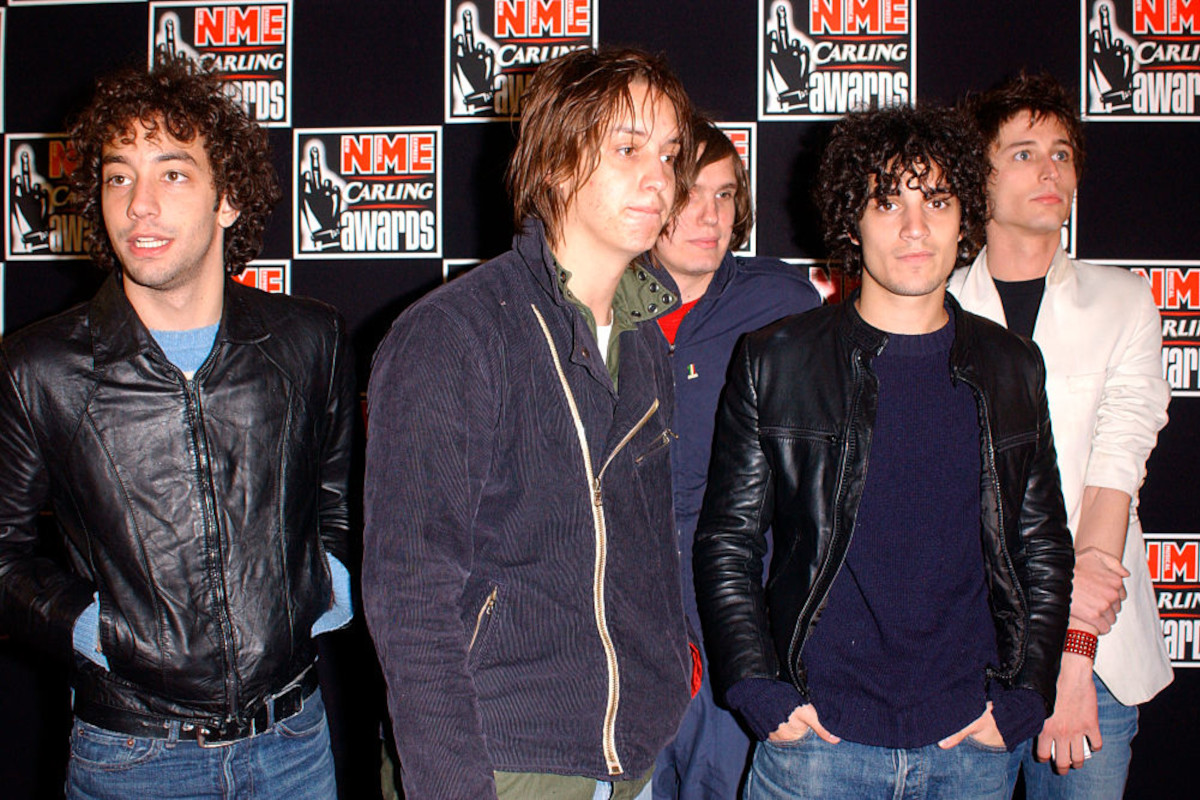
Building on the impetus of The Modern Age EP, debut album Is This It was unveiled to a fanfare of critical acclaim and no small amount of commercial success. Such was the hyperbole surrounding the band, it was easy to believe The Strokes had single-handedly saved guitar music.
The release of follow-up Room On Fire was confirmation that they had not. The album was regarded as simply more of the same, but without the enthusiasm or sparkle. Radiohead producer Nigel Godrich was originally brought in to produce, but quickly jettisoned.
Consolation prize: 'Reptilia'
8. Pink Floyd – The Final Cut (1983)
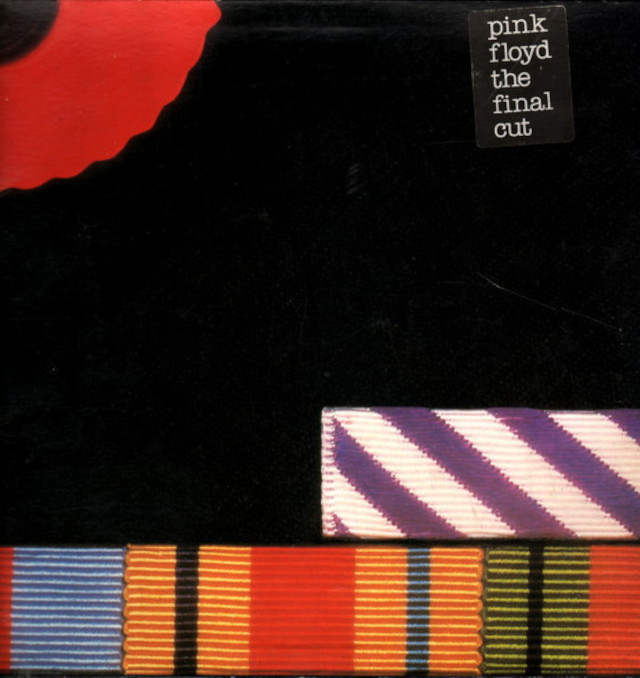
From Dark Side Of The Moon to The Wall via Wish You Were Here and Animals, Pink Floyd were on a four-album run as an iconic as any in rock music. This explains why 1983’s The Final Cut was met with such a fierce backlash. A major criticism is that it was ostensibly a Roger Waters’ solo album.
- 'Our lowest point': the 3 Pink Floyd albums David Gilmour wishes had gone differently
- Dark Side Of The Moon fan? Try these 15 albums next
His grip on the band had certainly tightened since the collaborative days of the 1970s, and the fact the back cover stated the record was 'by Roger Waters, performed by Pink Floyd' was a bit of a giveaway. British music paper Melody Maker called it 'a milestone in the history of awfulness'.
Consolation prize: ‘The Gunner’s Dream’
7. The Stone Roses – Second Coming (1994)
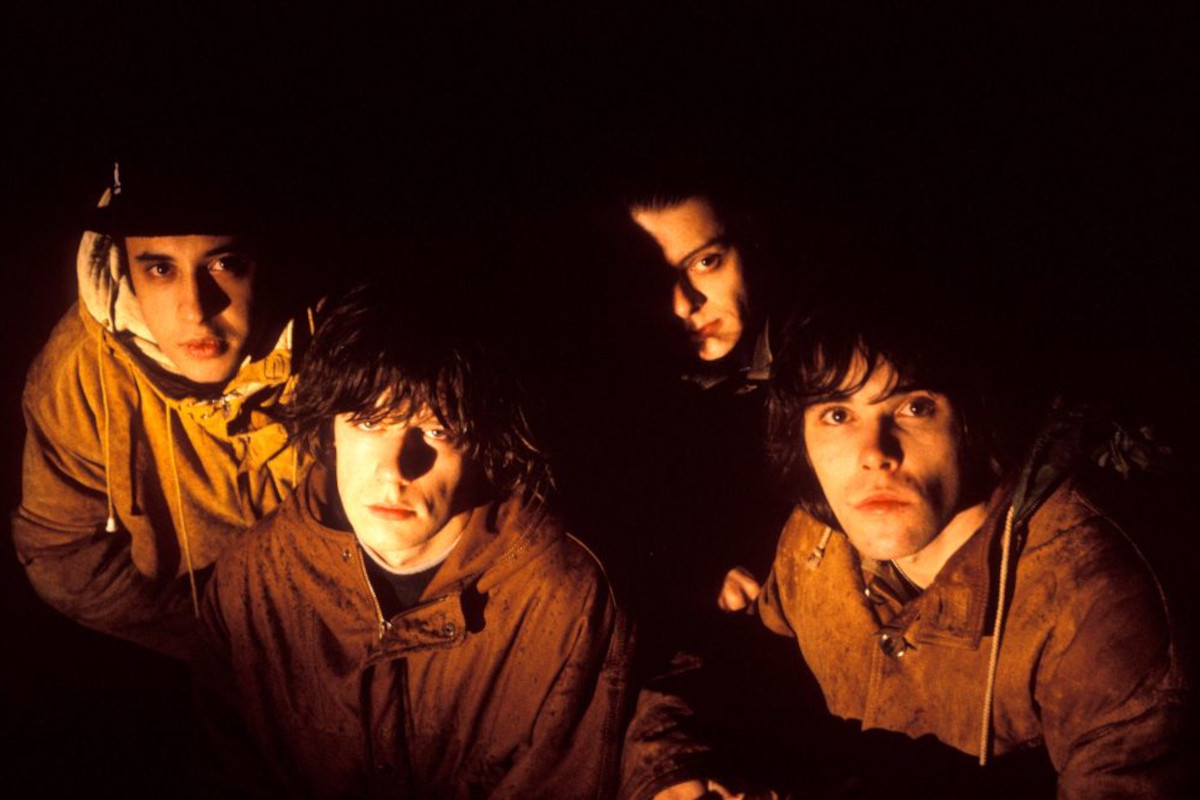
Due to an extended legal battle with their previous record label, it took The Stone Roses over five years to release a follow-up to their much-adored eponymous debut. This extended wait raised the expectations of their sophomore to crazy-high levels.
What’s more, when it finally hit the racks the band had shifted their style, switching out the 60s-inflected psychedelic pop of their debut for a new Led Zep-adjacent rock sound. Critics and fans wholeheartedly preferred the first album.
Consolation prize: 'Love Spreads'
6. David Bowie – Tonight (1984)
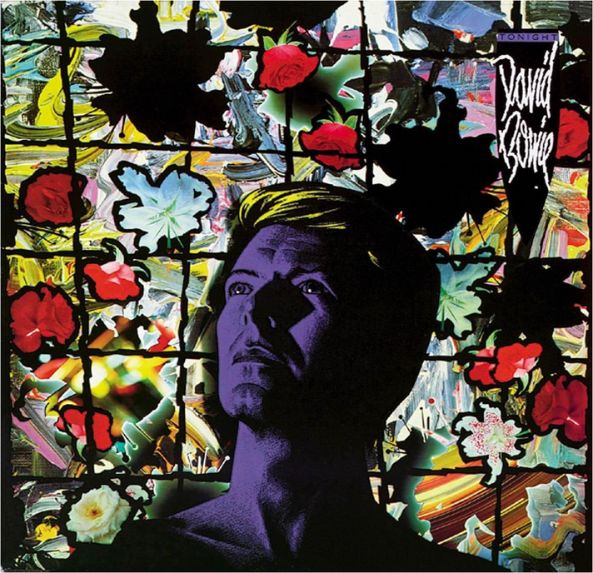
With previous album Let’s Dance a huge commercial success, David Bowie was keen to consolidate his profitable worldwide pop star status. As such, the follow-up album was recorded and released in a hurry. The quality of the songwriting suffered as a consequence with Bowie offering up very little new material.
Among an album discography of rare genius, Tonight ranks poorly. Lead single ‘Blue Jean’ and ‘Loving The Alien’ are honourable exceptions.
Consolation prize: 'Blue Jean'
5. Oasis – Be Here Now (1997)
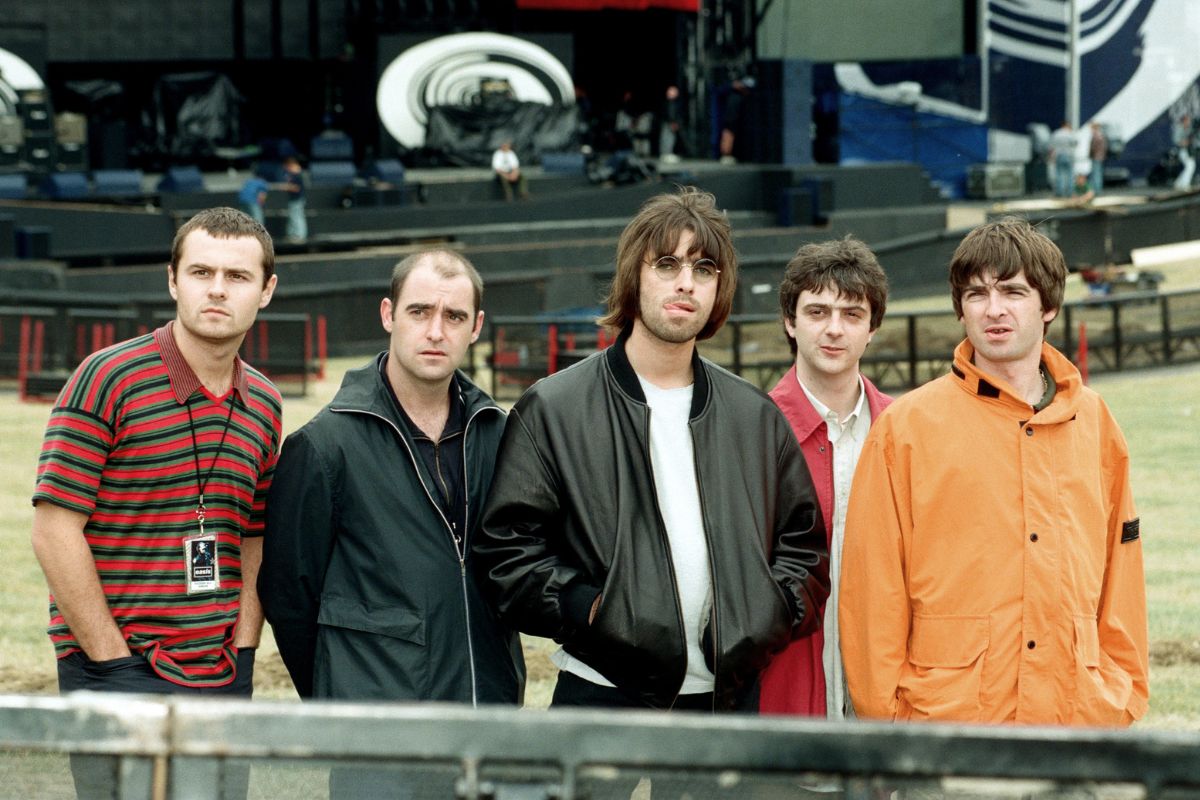
Despite receiving a critical panning on release, (What’s The Story) Morning Glory elevated Oasis’ status from a bunch of unruly indie kids to a bunch of unruly global superstars. Copies of Be Here Now initially flew off the shelves, but sales quickly plateaued with the realisation that the over-hyped follow up was, ultimately, a dud.
Recorded in a blizzard of substances, the album was over-produced and under-edited, with a remarkable drop-off in the quality of the songwriting. Over time, many disappointing albums undergo a favourable re-appraisal. Be Here Now, though, is not one of them.
Consolation prize: ‘D’You Know What I Mean?’
4. Queen – Hot Space (1982)
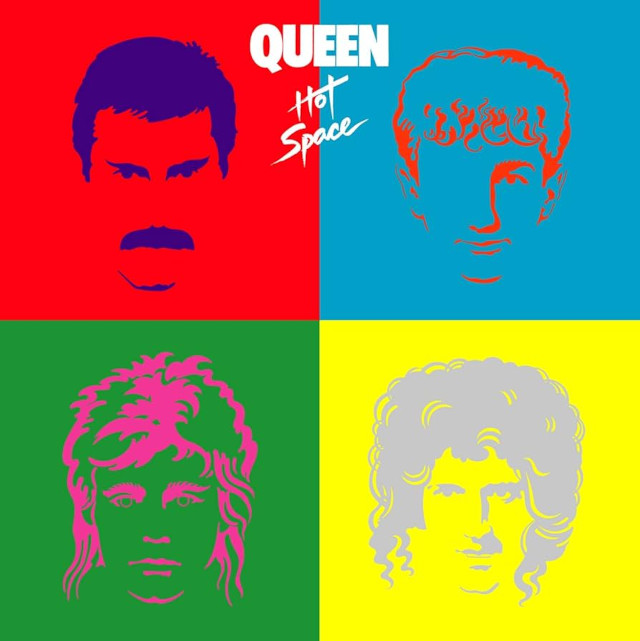
1980’s The Game proved to be a big success in the US for Queen, providing the group with their first and only number one hit on the Billboard album chart. Follow-up Hot Space was to prove a different story. Buoyed by the earlier success of dance hit ‘Another One Bites The Dust’, Queen decided to abandon their signature stadium rock sound and embrace synth-pop and disco.
The band’s main core of rock fans were dismayed to see Brian May’s guitar work under employed, with sales reflecting the general disappointment surrounding the album. Internal tensions within the band were heightened after this disastrous misstep.
Consolation prize: ‘Under Pressure’
3. Aerosmith – Draw The Line (1977)
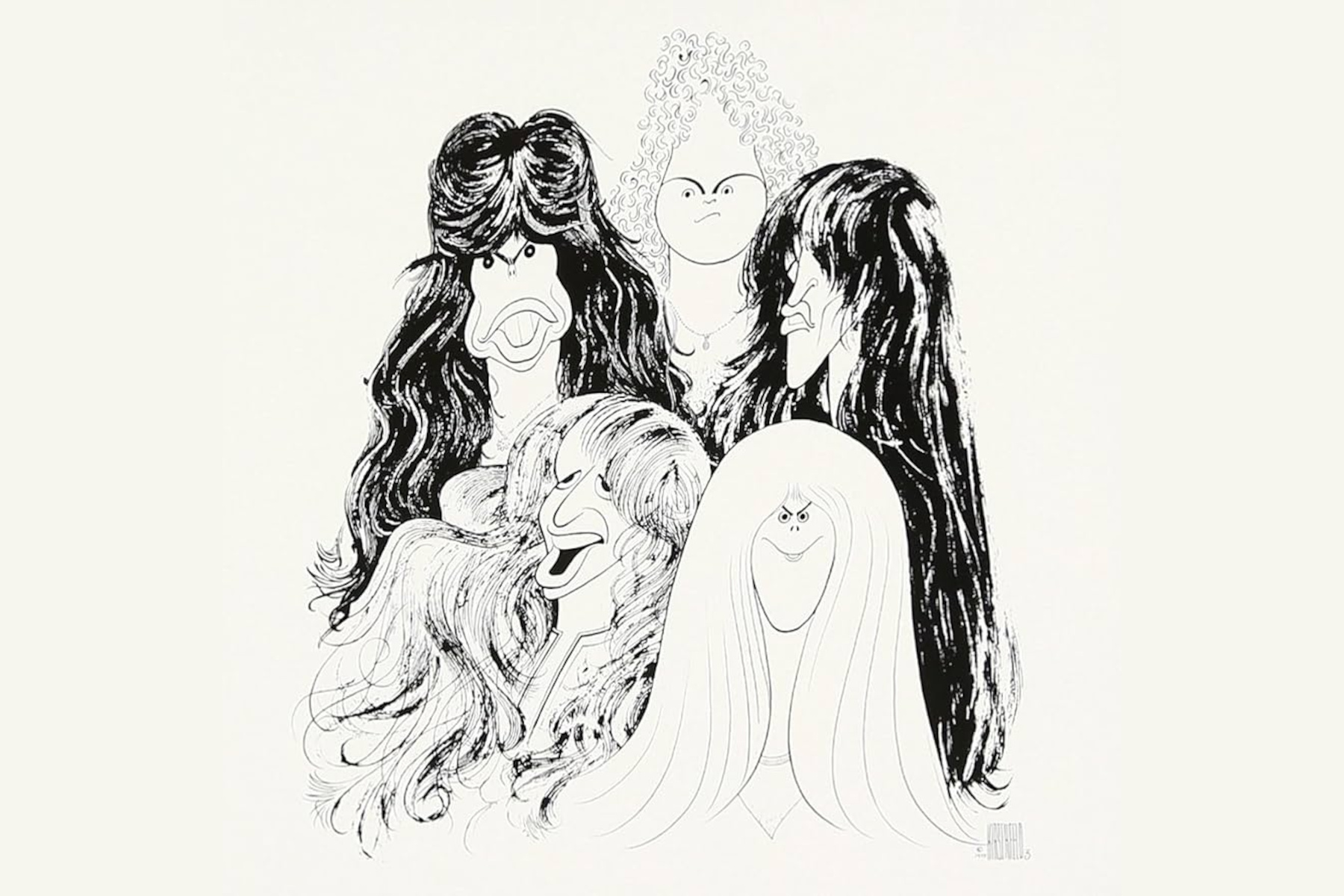
Aerosmith’s previous two albums were testament to a band at the peak of their powers. The success of Toys In The Attic and Rocks gave them access to the rock lifestyle they had always craved. The downside to this debauchery was a band whose two main songwriters were both plagued with severe drug problems.
The substance abuse led not only to a sizeable drop in Aerosmith’s quality control, but also to the beginning of the band’s creative decline across the rest of the decade. Rolling Stone memorably described the album as 'a truly horrendous record, chaotic to the point of malfunction'.
Consolation prize: 'Draw The Line'
2. The Eagles – The Long Run (1979)
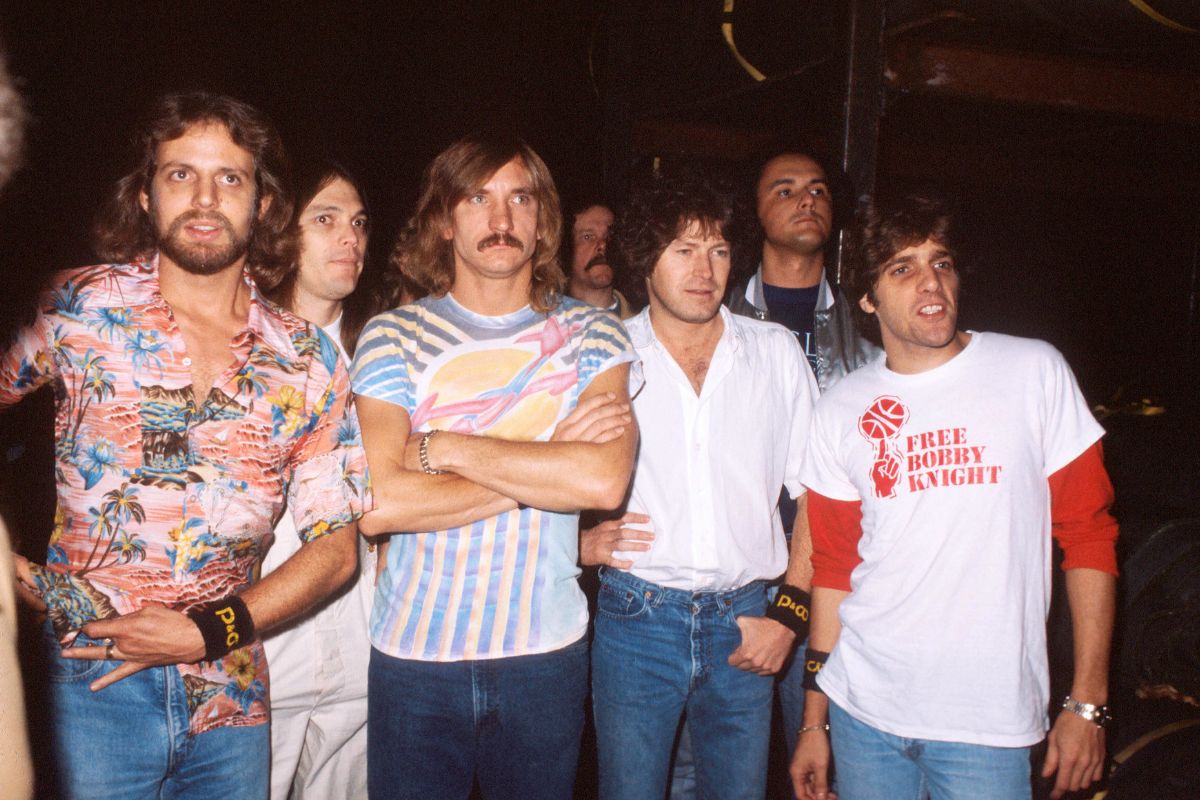
Since its release in 1977, Hotel California became one of the best-selling albums of all time, with sales of over 42 million copies worldwide. With such astronomical figures involved, any follow-up was always going to be problematic.
The Long Run was originally planned as a double album, but that idea was rapidly scrapped when the band realised they didn’t have enough songs to fill four sides.
Recording was painfully protracted, taking 18 months and undertaken in five different studios. When the album finally appeared it was deemed a major anti-climax. All was not well in the Eagles camp, and the band disbanded a year later.
Consolation prize: 'Heartache Tonight'
1. Fleetwood Mac – Tusk (1979)
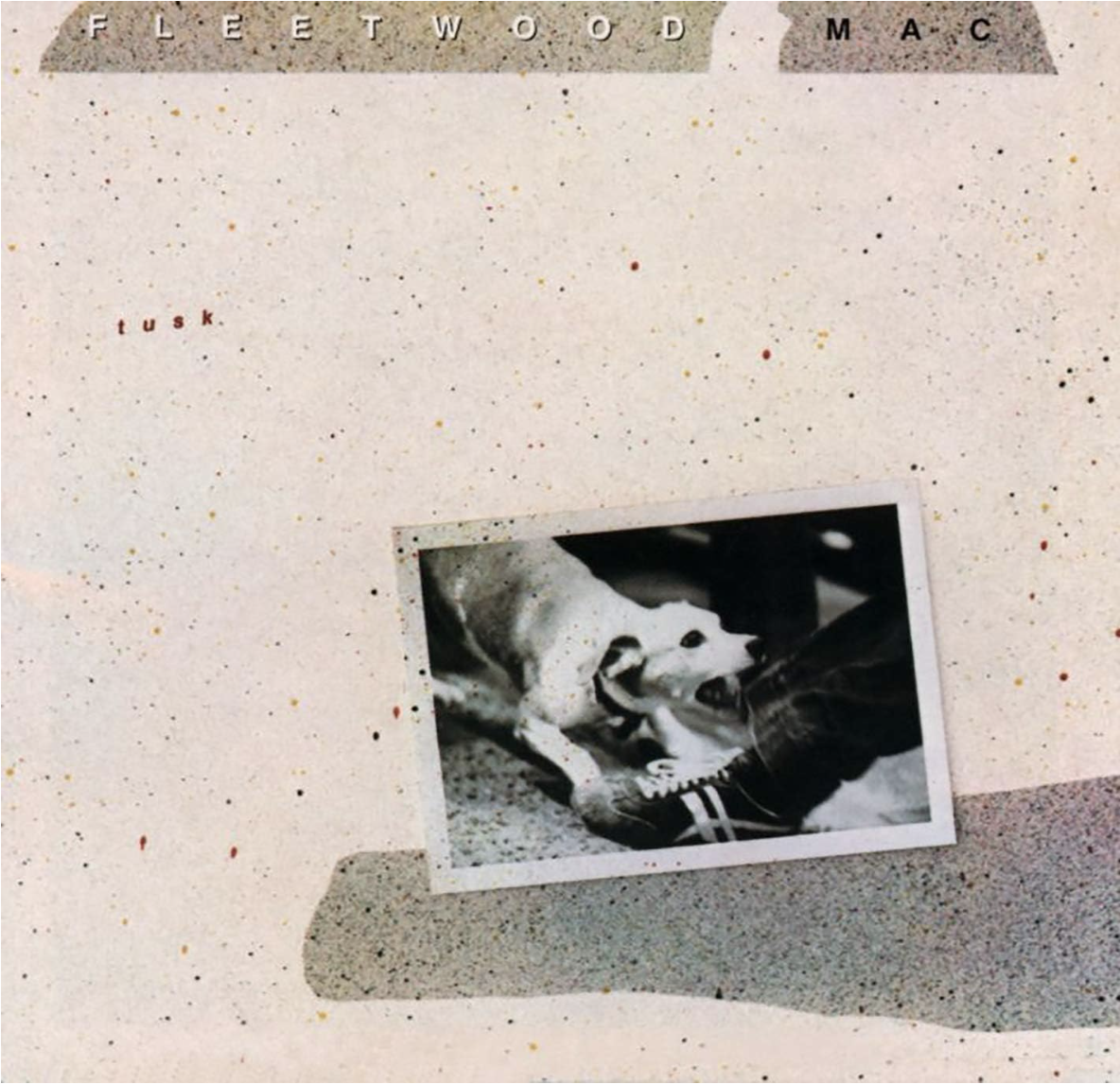
Any attempt to follow up the multi-million selling Rumours was never going to be a simple task, and so it proved. The studio budget may have been considerable, estimates indicate it was nudging £1.4 million, but that was no guarantee of any clarity.
Inspired by contemporary acts such as The Clash and Talking Heads, self-nominated bandleader Lindsey Buckingham went into the project determined not to repeat what had gone before. The resultant Tusk was criticised on release for its self-indulgence, sounding more like three solo projects from the band’s trio of songwriters than a cohesive album.
Tusk has sold a not inconsiderable four million copies since its release in 1979, Rumours, on the other hand, has shifted over 40 million.
Consolation prize: 'Sara'
All photos Getty Images/Album sleeves Discogs or Amazon.
Top pic Aerosmith (L-R Brad Whitford, Tom Hamilton, Joey Kramer, Steven Tyler, Joe Perry) posing on the tarmac of Evansville Regional Airport, Indiana, November 7, 1977


