
Rock’s many genres weren’t invented on one initial album or song, that’s not the way it works. The process often coalesces out of several artists and albums mixing together to create a new movement.
However, for whatever reason, there is always one artist who gets there first, the band or artist that records and releases the first album of a brand new genre.
Our list contains 15 albums that claim that distinction.
15 albums that launched a rock genre
15. Heavy metal – Black Sabbath, Black Sabbath (1970)
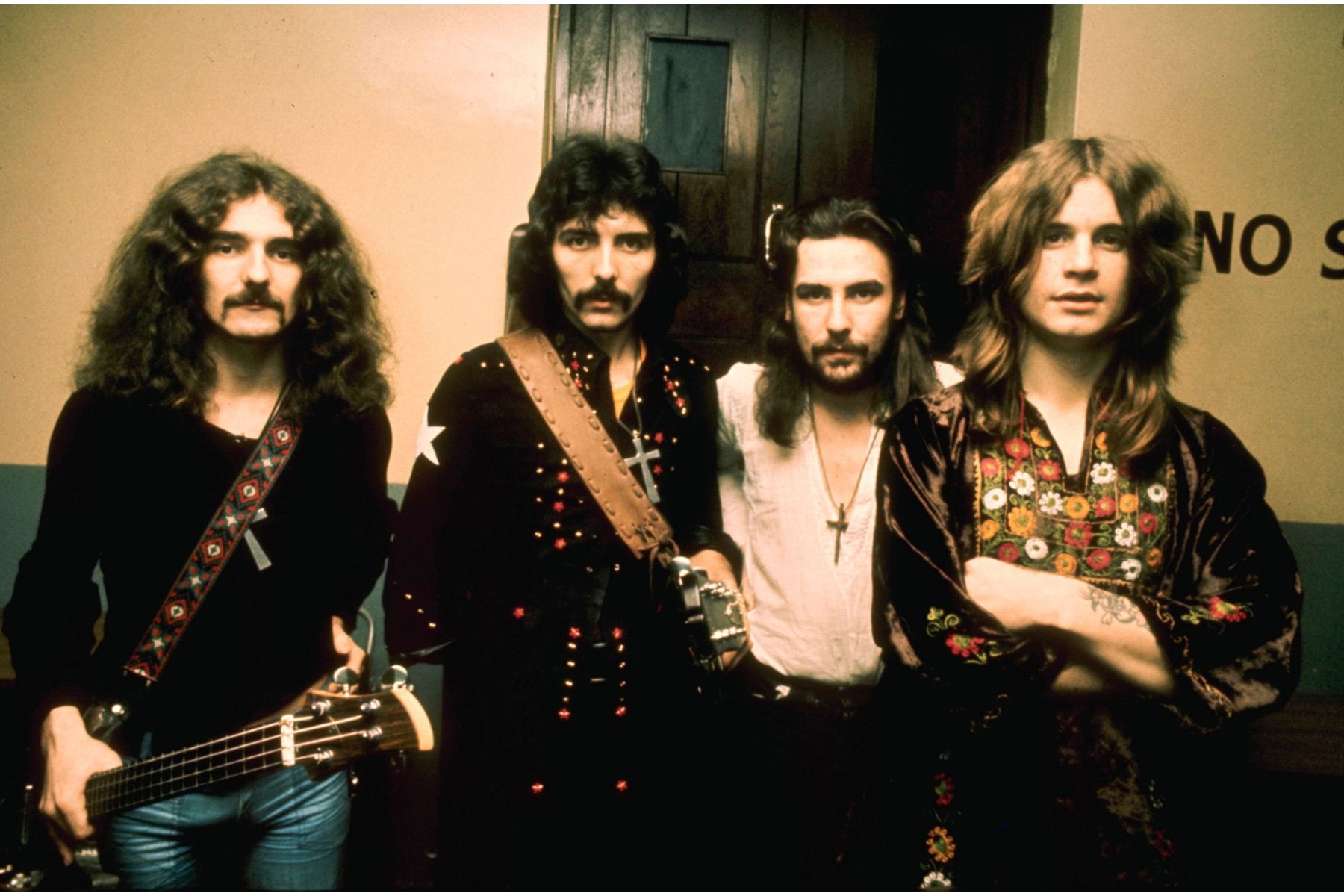
A trio of UK bands, namely Black Sabbath, Led Zeppelin and Deep Purple, were central to the development of the heavy metal genre. All three had their origins in blues rock, but an injection of volume, power and distortion took them into new sonic territory.
With its muddy riffs and dark aesthetic, Black Sabbath’s self-titled debut album is widely regarded as the first heavy metal album to hit the racks.
Other contenders include Iron Butterfly’s In-A-Gadda-Da-Vida and Led Zeppelin’s eponymous debut, and while both were released before Sabbath’s inaugural offering, neither can fully lay claim to being the full package.
Key track: ‘Black Sabbath’
14. Glam rock – T.Rex, Electric Warrior (1971)
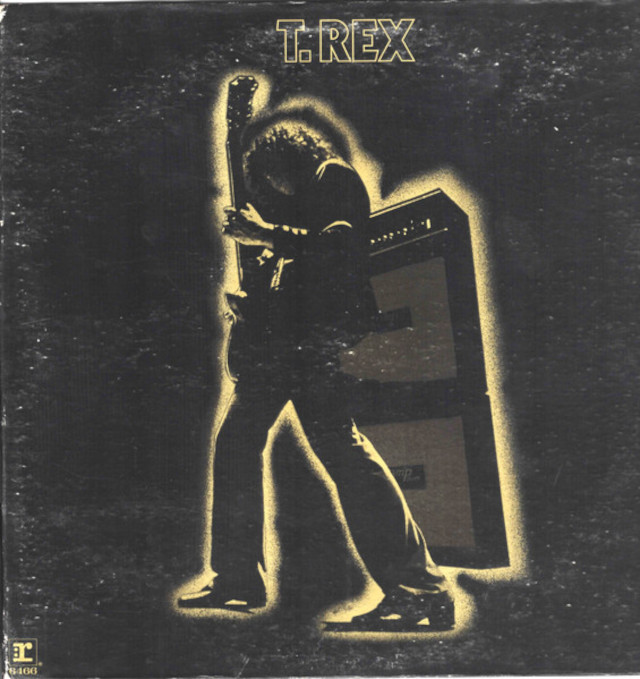
Glam Rock in the UK divided neatly between the bands with arty pretensions and those in it to get a chart hit. Marc Bolan of T. Rex cleverly straddled the line between the two. Produced by Tony Visconti and released on September 24, 1971, Electric Warrior saw Bolan move away from the psychedelic whimsy of earlier albums and towards a groove-heavy pop/rock sound.
The album was the launch pad for glam rock’s brief but glittering chart dominance. David Bowie’s The Rise And Fall Of Ziggy Stardust… was to follow nine months later.
Key track: 'Cosmic Dancer'
13. Goth rock – Bauhaus, In The Flat Field (1980)
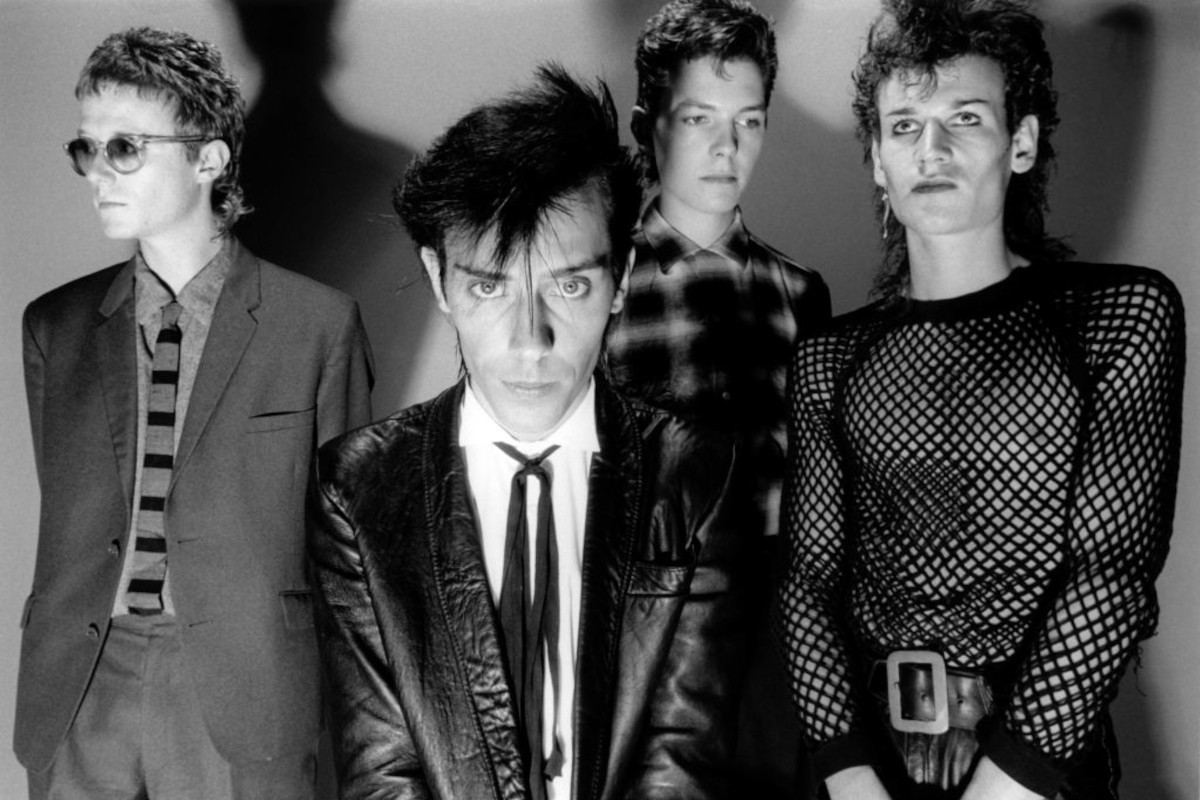
Inspired by gothic literature and romantic poetry, Goth rock emerged out of the long shadow of post-punk in the late 70s. The first wave of darkness was lead by The Cure, Siouxsie & The Banshees and even Joy Division, who all dabbled with elements of the genre.
Bauhaus, on the other hand, were all in, with debut album In The Flat Field acknowledged as goth’s first born. Debut single ‘Bela Lugosi’s Dead’ was not included on the album, but remains a pitch-black slice of prime goth.
Key track: 'Double Dare'
12. Post-punk – Wire, Pink Flag (1977)
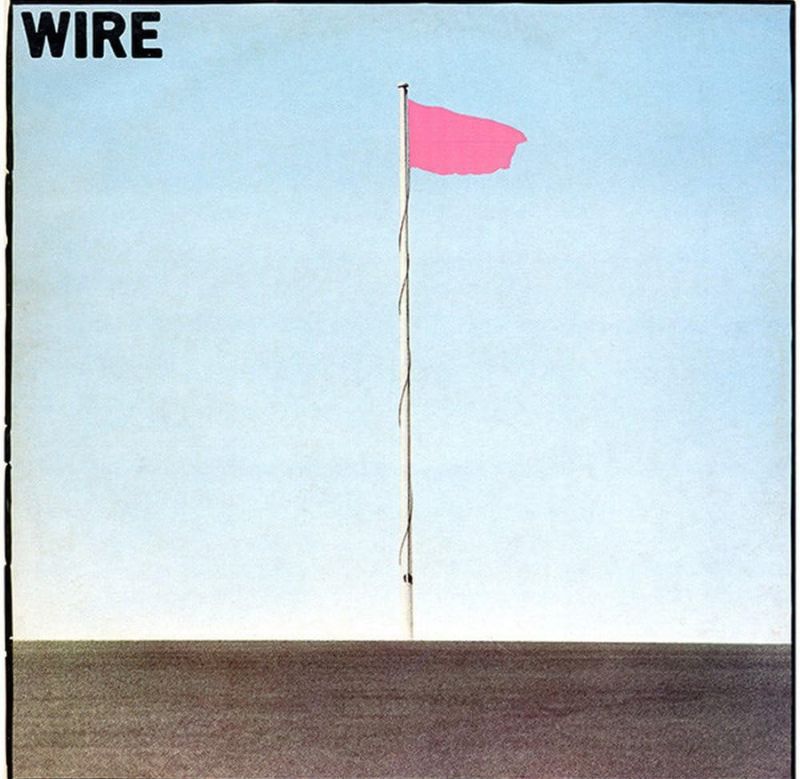
Stimulated by punk’s boundless energy, but frustrated by the movement’s limitations, post-punk bands were committed to pushing sonic boundaries. There are many credible claimants to the title of first ever post-punk album, paradoxically, some of them, such as the debuts by Pere Ubu, Suicide, Television, Modern Lovers, were even recorded before punk broke in 1976.
Wire formed at the height of punk, and approached their debut album as an art assignment. Pink Flag subtly subverted the punk genre and served it up in easy-to-digest abstract ‘post-punk chunks'.
Key track: 'Strange'
11. Garage rock – The Sonics, Here Are The Sonics (1965)
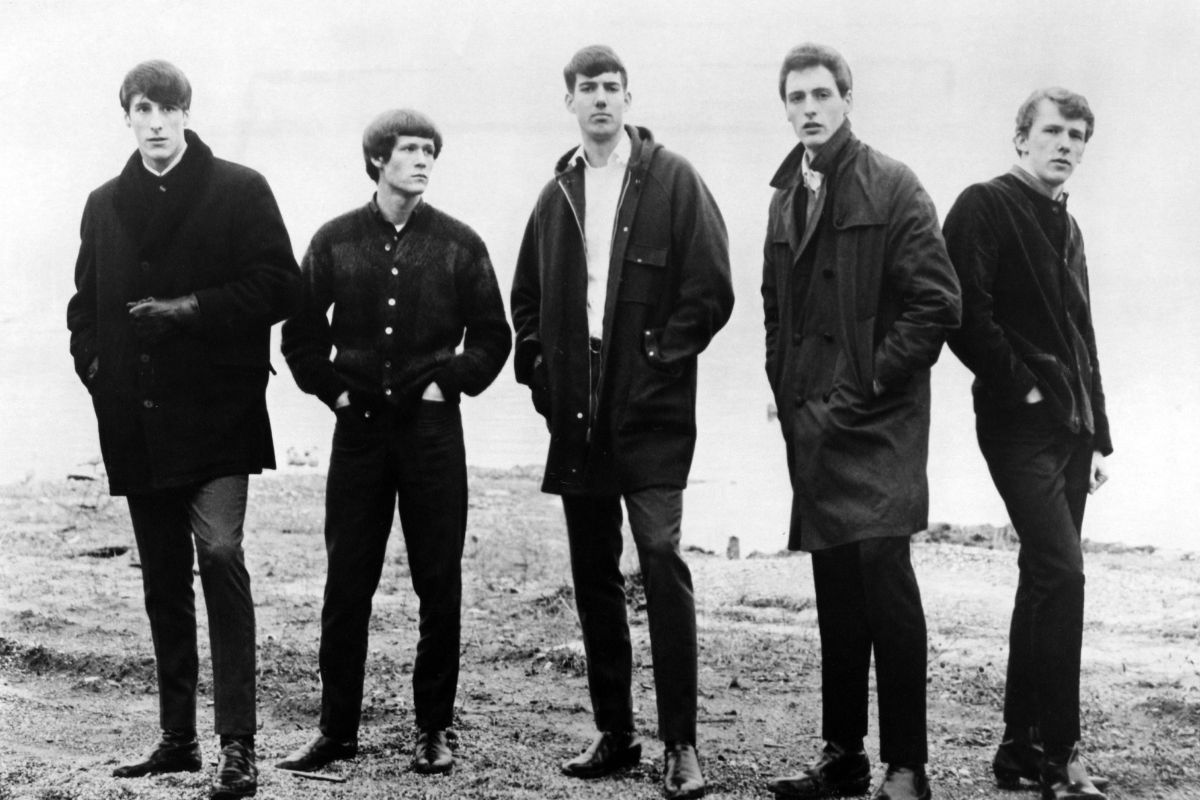
Inspired by early rock ‘n’ roll and the first British Invasion, garage rock originated in the US suburbs in the mid-60s. Debut album Here Are The Sonics is recognised as the genre’s first fully-fledged offering. An essential for any serious record collection, it contains a number of classic garage rock tracks, including ‘The Witch’, ‘Strychnine’, and the floor-filling ‘Psycho’.
Key track: 'Psycho'
10. Prog rock – King Crimson, In The Court Of The Crimson King (1969)
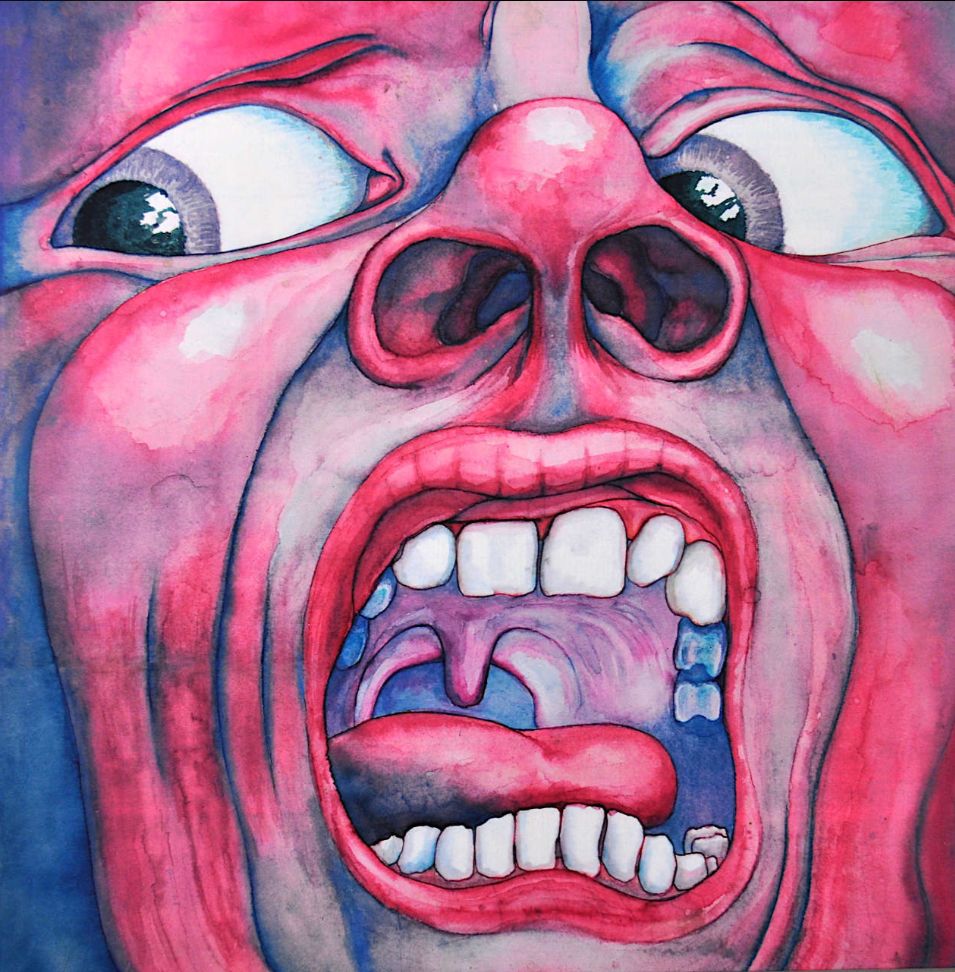
While albums released before King Crimson’s epochal debut contained many of the foundational elements of progressive rock, In The Court Of The Crimson King was not only the first album to possess them all, but it was also the band’s mission to consciously do so.
Released on October 10, 1969, In The Court Of The Crimson King was a pure prog statement defiantly replete of any blues-based or psychedelic stylings. An honourable mention must go to the pioneering proto-prog album The Moody Blues’ Days Of Future Passed.
Key track: ‘21st Century Schizoid Man’
9. US punk – Ramones, Ramones (1976)
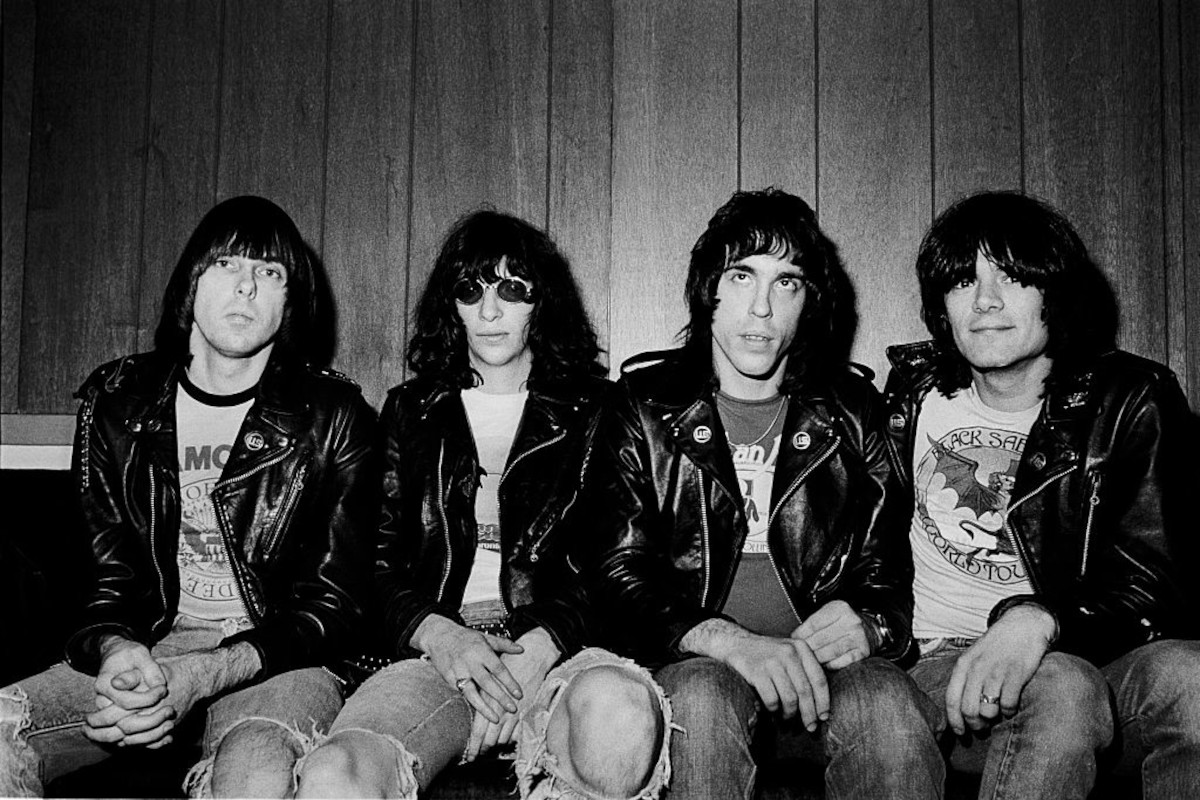
Despite sharing the same title, the US and UK punk scenes on the mid-70s were culturally and sonically distinct from each other. The US scene grew out of a few grubby clubs in downtown New York. The self-titled debut by the Ramones, released on April 23, 1976, is acknowledged as the first true punk album to emanate from the States.
The power and brevity of the songs were not only an antidote to the bloated arena rock of the day, they were also a huge inspiration on the spotty punks on the other side of the Atlantic.
Key track: 'Beat On The Brat'
8. UK punk – The Damned, Damned, Damned, Damned (1977)
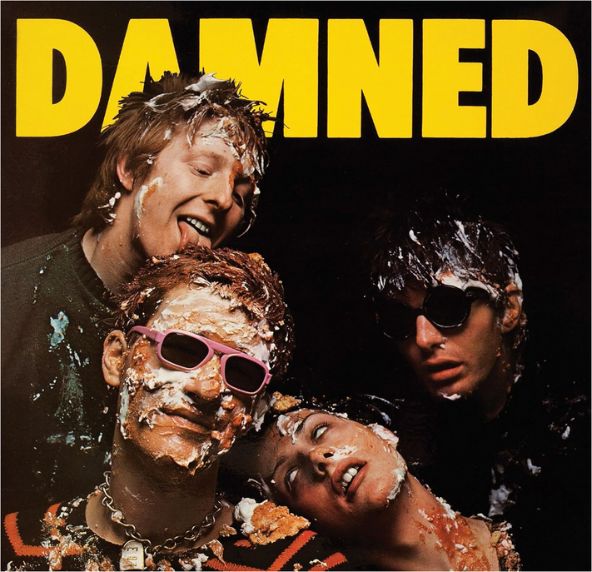
While not the most influential band in the UK punk scene (that would be The Sex Pistols) The Damned were undeniably the first out of the blocks. Damned, Damned, Damned was released on February 18, 1977, two months before The Clash’s debut and a full eight months in advance of Never Mind The Bollocks.
Always quick off the mark, the album featured ‘New Rose’, the UK’s first punk single, and, arguably, still the best.
Key track: 'New Rose'
7. Country rock – The Byrds, Sweetheart Of The Rodeo (1968)
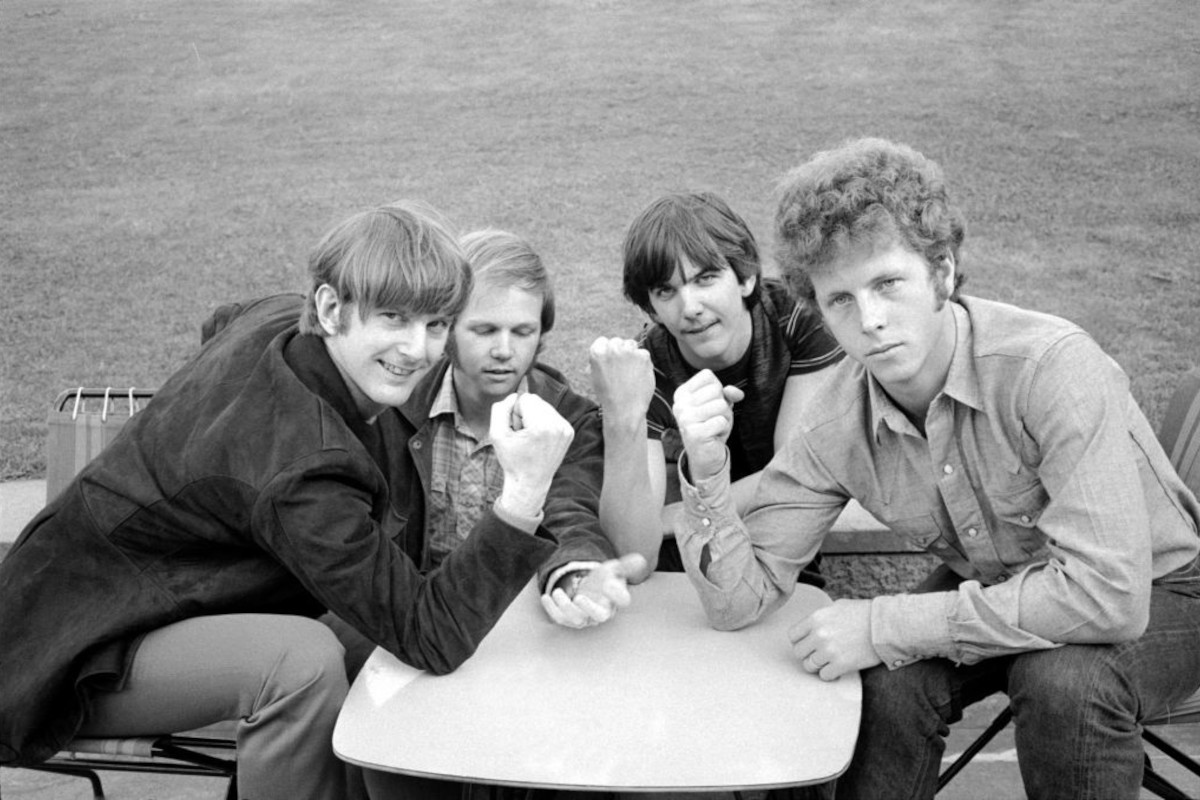
Having already been at the forefront of the establishment of folk rock, musical pioneers The Byrds pivoted to a new genre. The catalyst for the switch to country rock was the inclusion of Gram Parsons to their ranks after the departures of David Crosby and Michael Clarke.
Sweethearts Of The Rodeo may have adopted and electrified country music, but the Nashville establishment were far from delighted with The Byrds, who they regarded them as a bunch of pot-smoking hippies (which they were). The album was a commercial flop and Parsons left the band soon after, but it still retains its pioneering importance.
Key track: ‘Hickory Wind’
6. Krautrock – Amon Düül II, Phallus Dei (1969)
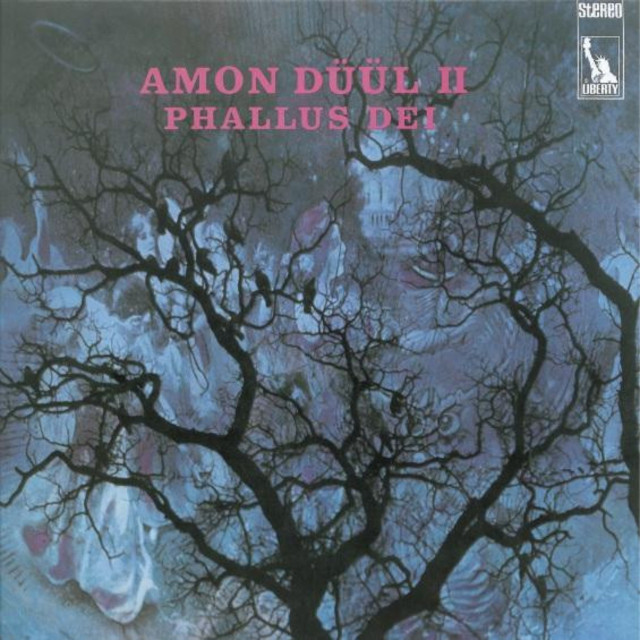
The slightly perjorative term ‘Krautrock’ was used as an umbrella term to describe post-war German bands searching for a sound of their own. The album that lays the claim to being the first off the block was Amon Düül II’s blatantly blasphemous Phallus Dei.
The band emerged from a radical commune in Munich, and their wildly ambitious first offering is widely considered as one of the genre’s’ masterworks. Released in the same year, Can’s Monster Movie is a serious rival to Phallus Dei’s claim.
Key track: 'Phallus Dei'
5. Thrash metal – Metallica, Kill 'Em All (1983)
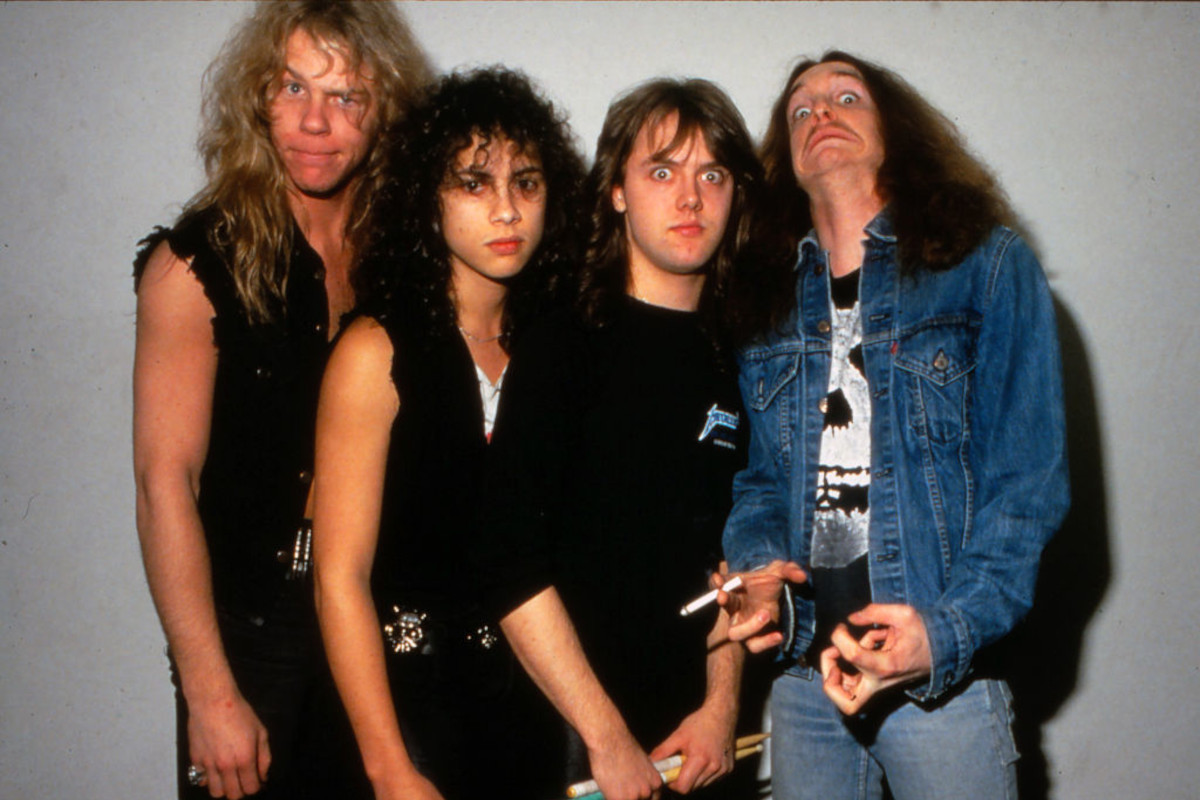
With its shredding guitars and aggressive percussion, thrash metal is an extreme subgenre of heavy metal. The movement developed in the 1980s with the US home to the four major players, namely Megadeth, Slayer, Anthrax and Metallica. It was the last of these bands that was responsible for the genre’s crucial first offering.
Metallica’s Kill ‘Em All was released on July 25, 1983 to great critical acclaim and no small amount of awe to a rabid fanbase hungry for something new.
Key track: 'Jump In The Fire'
4. Soft rock – Bread, Bread (1969)
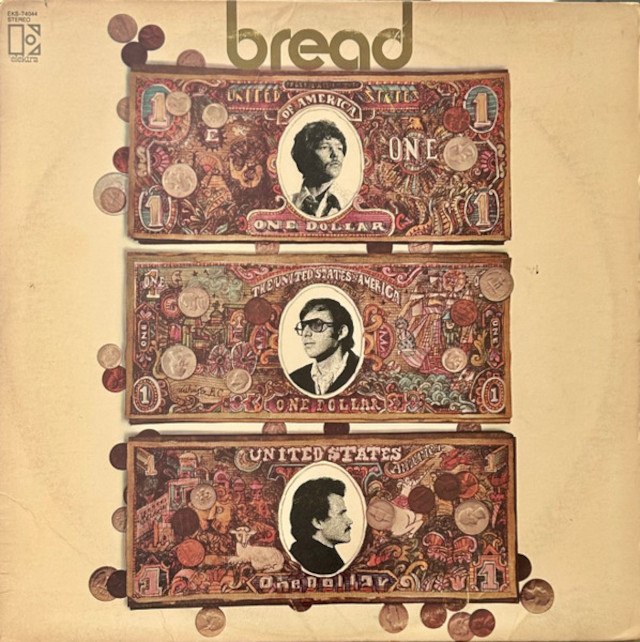
In the face of a barrage of wailing guitars and waves of distortion, Bread almost single-handedly invented the soft rock genre. The Californian band’s mellow approach found a dedicated audience who didn’t want their ears to bleed when enjoying music.
The band’s self-titled debut was released in August 1969 through Elektra Records. The melodic soft rock sound dominated the US airwaves in the early 70s, but it was Bread who won the race to deliver the first album, other bands were toast.
Key track: 'It Don't Matter To Me'
3. Power pop – Badfinger, Straight Up (1971)
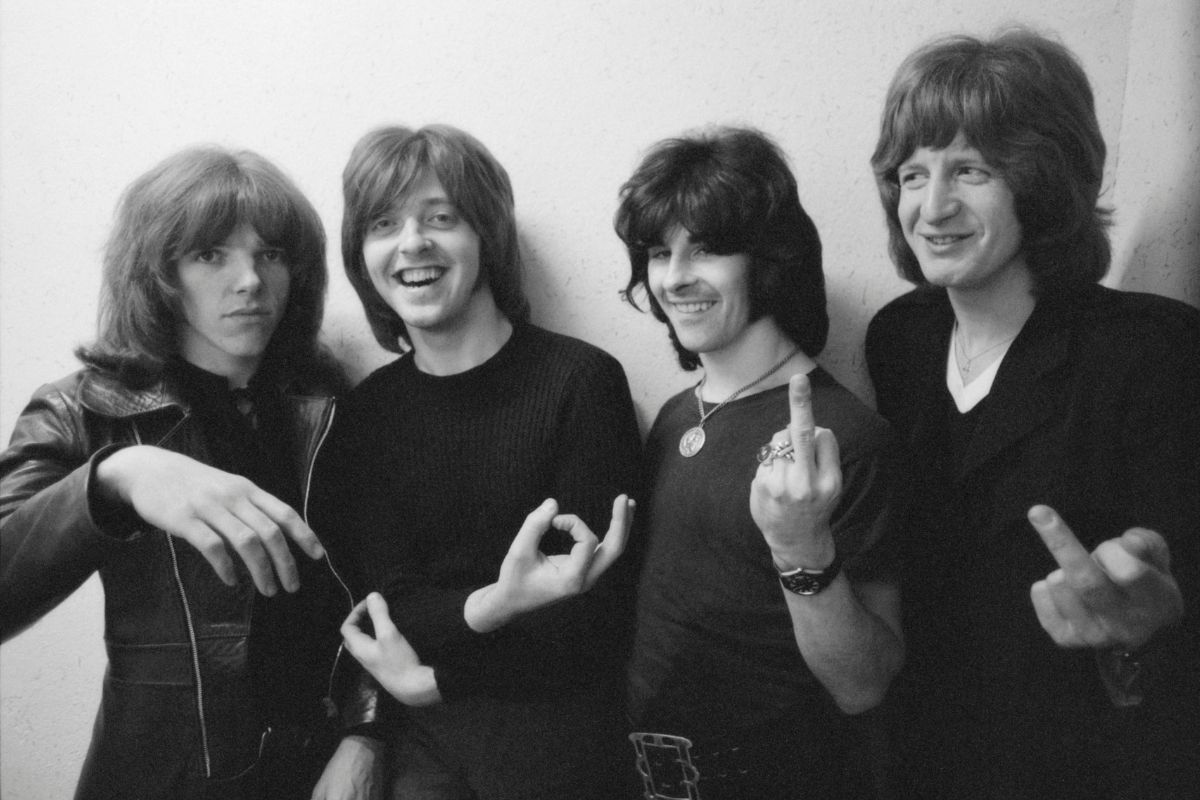
Pete Townshend initially coined the phrase ‘power pop’ in 1967 to describe his band, The Who. It later developed into one of rock’s many subgenres, experiencing a rise of popularity in the early 70s. Signed to The Beatles’ Apple label, British rock band Badfinger can lay claim to releasing the first power pop album in the form of 1971’s Straight Up.
It was co-produced by George Harrison and Todd Rundgren, featuring hit singles ‘Day After Day’ and ‘Baby Blue’. Other power pop acts to make an early impact include The Raspberries, Big Star and the ‘one-man Beatles’ Emitt Rhodes.
Key track: 'Baby Blue'
2. Blues rock – The Paul Butterfield Blues Band, The Paul Butterfield Blues Band (1965)
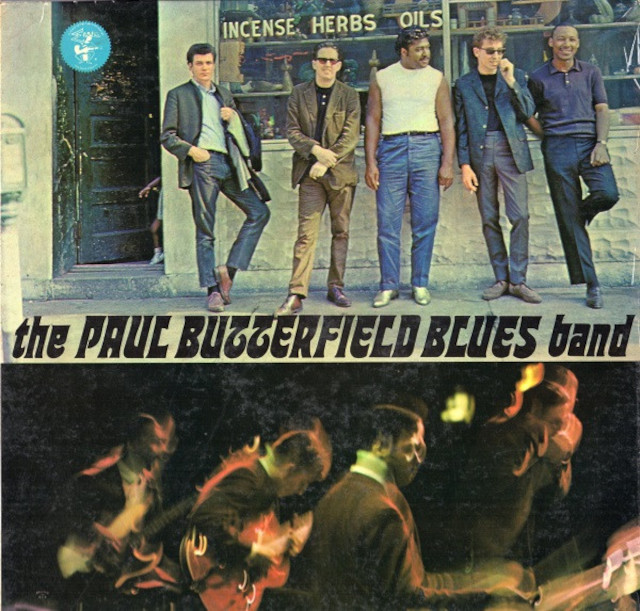
Although it is widely accepted that a wave of British bands lit the fire under the electric blues boom in the US in the mid-60s, the contribution of Chicago’s Paul Butterfield cannot be underestimated.
His eponymous debut album released in 1965 pre-dates main contender, John Mayall’s Blues Breakers With Eric Clapton, and claims the title of first true blues rock album. Cream and Fleetwood Mac were also left in his and his band’s pioneering wake.
Key track: 'Born In Chicago'
1. Art rock – Velvet Underground, The Velvet Underground and Nico (1967)
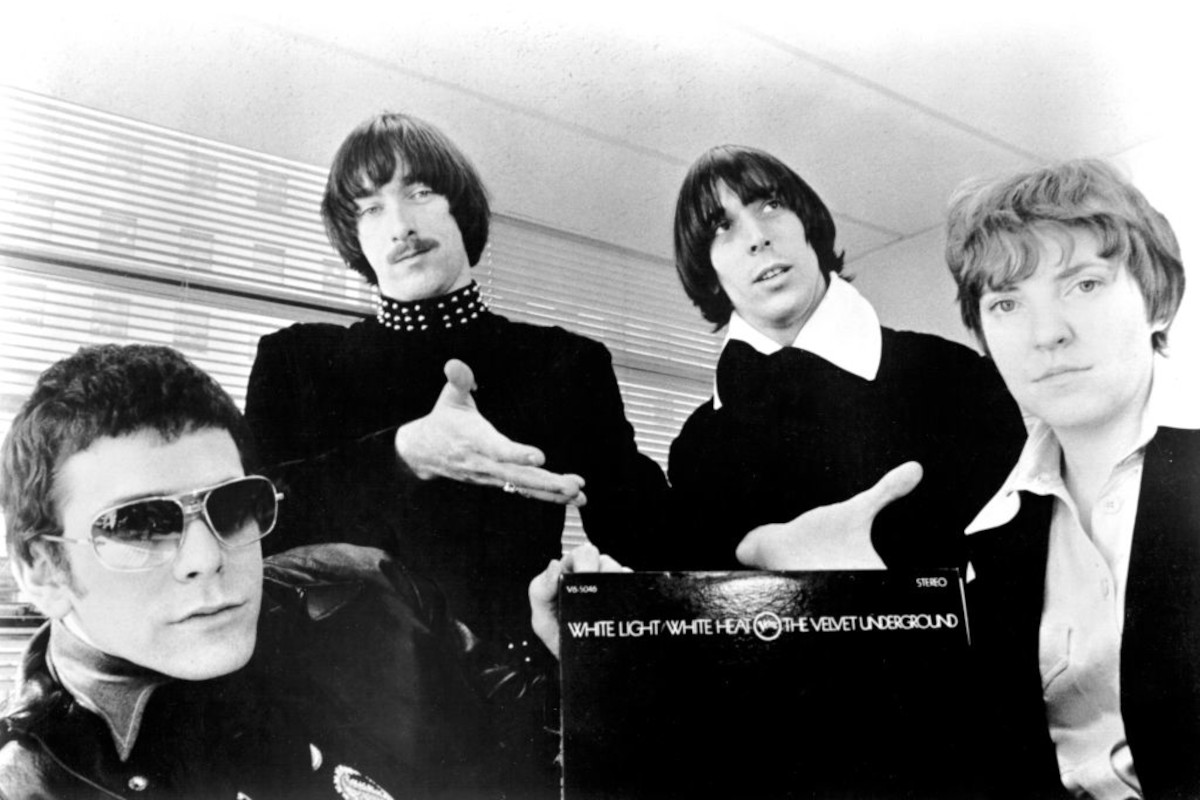
Pop artist Andy Warhol’s early patronage of the Velvet Underground is not the only component that made the band’s debut such an important art rock statement. Lou Reed’s ambition to raise his lyrical content to the level of literature was uniquely trailblazing, as was John Cale’s approach to sonic experimentation.
Released on Verve Records in March 1967, the Velvet Underground’s ‘banana’ album was way ahead of the game.
Key track: ‘Waiting For The Man’
All photos Getty Images/Album sleeves Discogs or Amazon. Top image The Byrds Sweetheart Of The Rodeo album cover (crop)
