
Rock venues are sacred places where life-long memories are made. It’s just a shame so many of them are closing. In this article we take a look at 15 of the greatest, most historic but now defunct rock clubs in the US.
To help relive the experience to the full we’ve got access to a time machine and we’re setting the dial back to some of rock’s most iconic moments that took place at these hallowed musical rooms.
15 historic, lost US rock venues
1. Café Au Go Go, New York
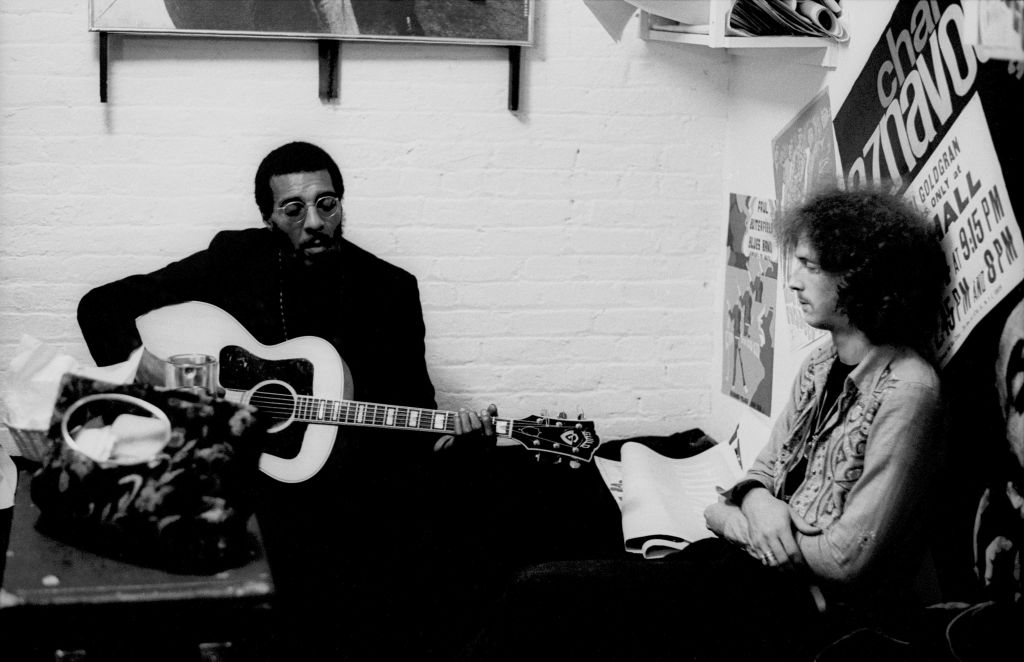
From its opening in February 1964 until its closure in December 1970, the Café Au Go Go was an important venue for both music and comedy. Based in the funky heart of Greenwich Village at 152 Bleeker Street, the club was located in the basement of the New Andy Warhol Garrick Theatre.
The Café Au Go Go swung with the times and in its early, pre-rock days catered mainly for jazz (Bill Evans, Stan Getz) and folk artists (Tim Hardin, Fred Neil). Blues was also a big deal with legends such as John Lee Hooker, Skip James, Son House and Lightnin’ Hopkins appearing on the bill.
The club was also host to comedy acts. Stand-up Lenny Bruce played the venue a couple of times and was arrested by undercover police detectives lurking in the audience on both occasions for obscenity.
As the music got heavier, rock groups were welcomed with open arms. Canned Heat, The Doors, The Fugs, Cream and The Paul Butterfield Blues Bands all appeared, as did the Grateful Dead, who played their first ever NYC gig at the venue.
Time machine: In March 1968, Jimi Hendrix jammed with Paul Butterfield, Buddy Miles, Elvin Bishop and others, in a largely improvised set.
2. Winterland Ballroom, San Francisco
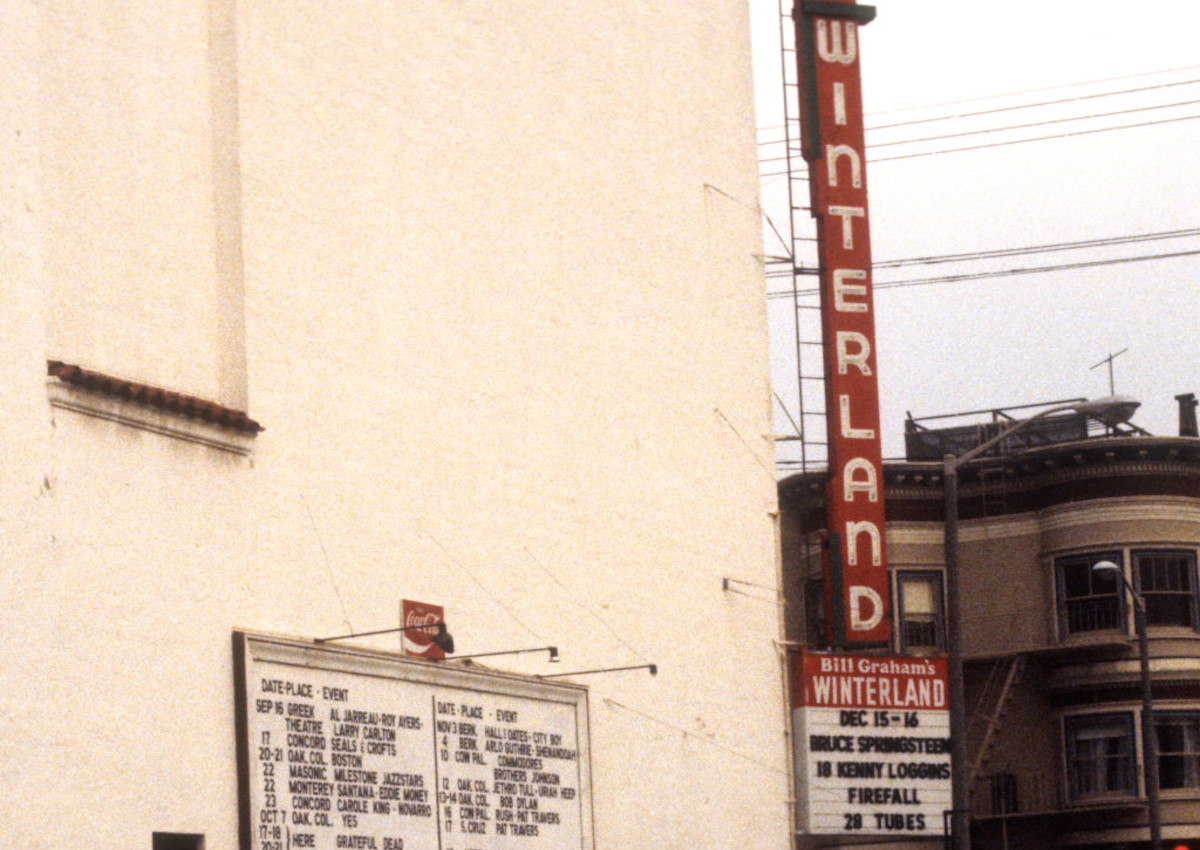
With its 5,400 capacity, the Winterland Ballroom was the go-to destination for established rock acts visiting San Francisco. Originally called the New Dreamland Auditorium, it opened in 1928 as an ice-skating rink and music venue, and was converted exclusively as the latter in 1971 by its owner and high profile promoter Bill Graham.
The Winterland played host to any number of famous gigs over its years as a rock venue. Peter Frampton recorded the vast majority of his hugely popular album Frampton Comes Alive! there. It was also where the Sex Pistols’ played their final show in 1978.
The most iconic gig held at The Winterland has to be The Band’s farewell concert performance on November 25, 1976. The Last Waltz was turned into a movie by Martin Scorcese, and includes a stellar cast of guests, including Bob Dylan, Neil Young and Joni Mitchell – along with an epic triple live album of the same name.
The Grateful Dead made the venue a home from home and played no less than 73 times. It was fitting they should be the band selected to play the Winterland’s final show on New Year’s Eve, 1978. Never knowingly understated, the Dead played for nearly six hours.
Time machine: Set the dial for The Band’s final performance of ‘The Night They Drove Old Dixie Down’.
3. Starwood, Los Angeles
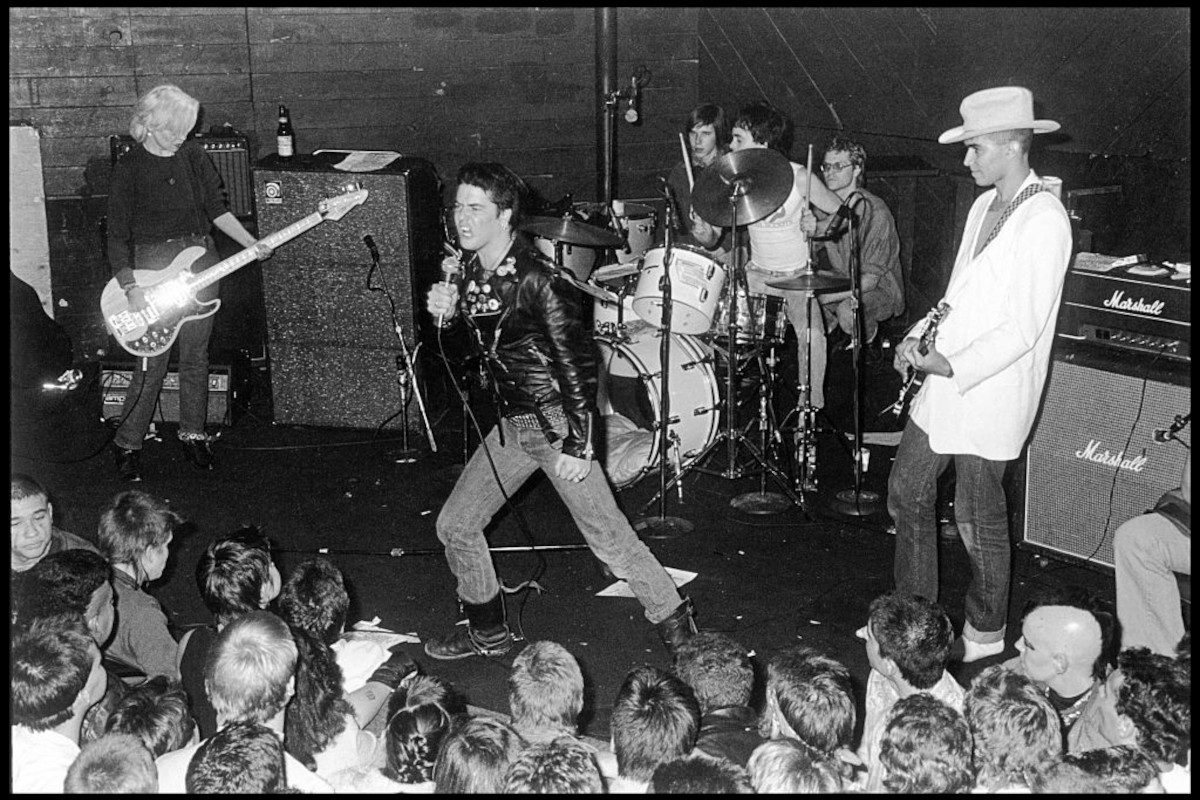
The Starwood was a fabled rock club located on Santa Monica Boulevard in West Hollywood. The club acted as a launch pad for any number of LA punk and rock bands, including The Germs, The Go-Go’s, Quiet Riot, Circle Jerks and The Runaways.
Before making it big, Van Halen served their apprenticeship at The Starwood playing dozens of shows between 1974 and 1977. The poodle-permed Motley Crue also played their first ever gig at the venue in 1981, which was brokered by bass player Nikki Sixx, who was working at The Starwood as a janitor at the time. In between the numerous fights, the band also managed a few songs.
The venue was shut down the LA County authorities in 1981 for one too many citations for noise abatement and underage drinking issues. The building was demolished and replaced by a mini-mall.
Time machine: The Germs played their final ever gig at The Starwood in 1980. Four days later singer Darby Crash died of a pre-meditated heroin overdose.
4. Grande Ballroom, Detroit
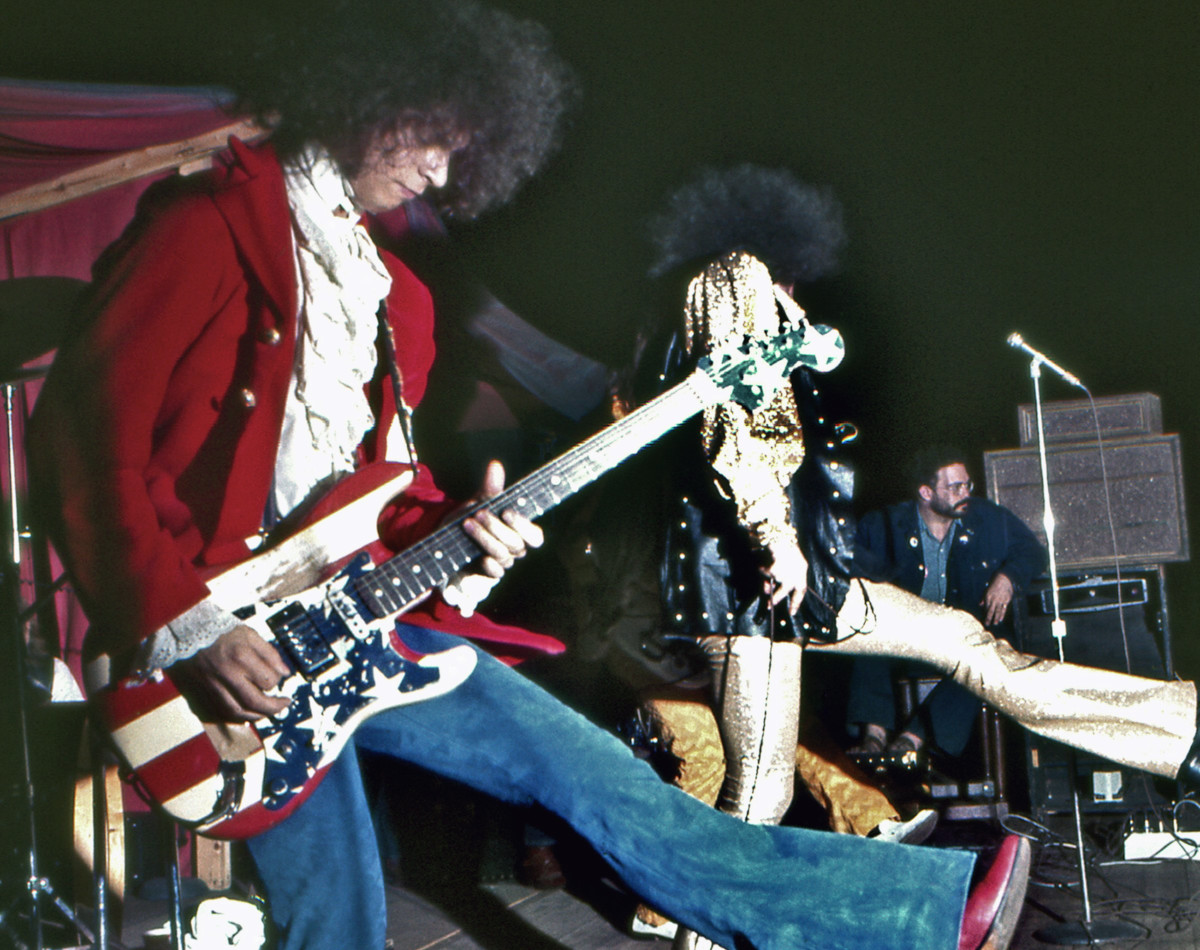
Detroit’s famed Grande Ballroom first opened its doors as a dance hall in 1928. It was converted to a rock venue in 1966 by high school teacher turned promoter, Russ Gibb, who was inspired to do so after a visit to San Francisco’s Fillmore Theatre.
The Grande was the perfect venue for the city’s dynamic hard rock scene. Detroit natives MC5 were adopted as the unofficial house band whipping audiences into an unbridled frenzy with the power of their live performances. The proto-punk live album Kick Out The Jams was recorded at The Grande.
The Stooges, another local act, added more fuel to the fire with a young Iggy Pop at the peak of his nihilistic powers. The Amboy Dukes, featuring a young Ted Nugent, together with adopted natives Alice Cooper also helped to boost the Grande’s reputation.
During this period the Grande attracted the rock scene’s big hitters. Led Zeppelin played a three-night residency in January 1969, while The Who toured Tommy the same year. An electric Cream and a psychedelic Pink Floyd also trod the boards.
The Grande closed its doors in 1972 as the audience’s demand for rock outstripped the venue’s relatively small capacity. The building remains abandoned to this day.
Time Machine: October 30 and 31, 1968 – and the recording of the MC5’s blistering live album, Kick Out The Jams.
5. CBGB, New York
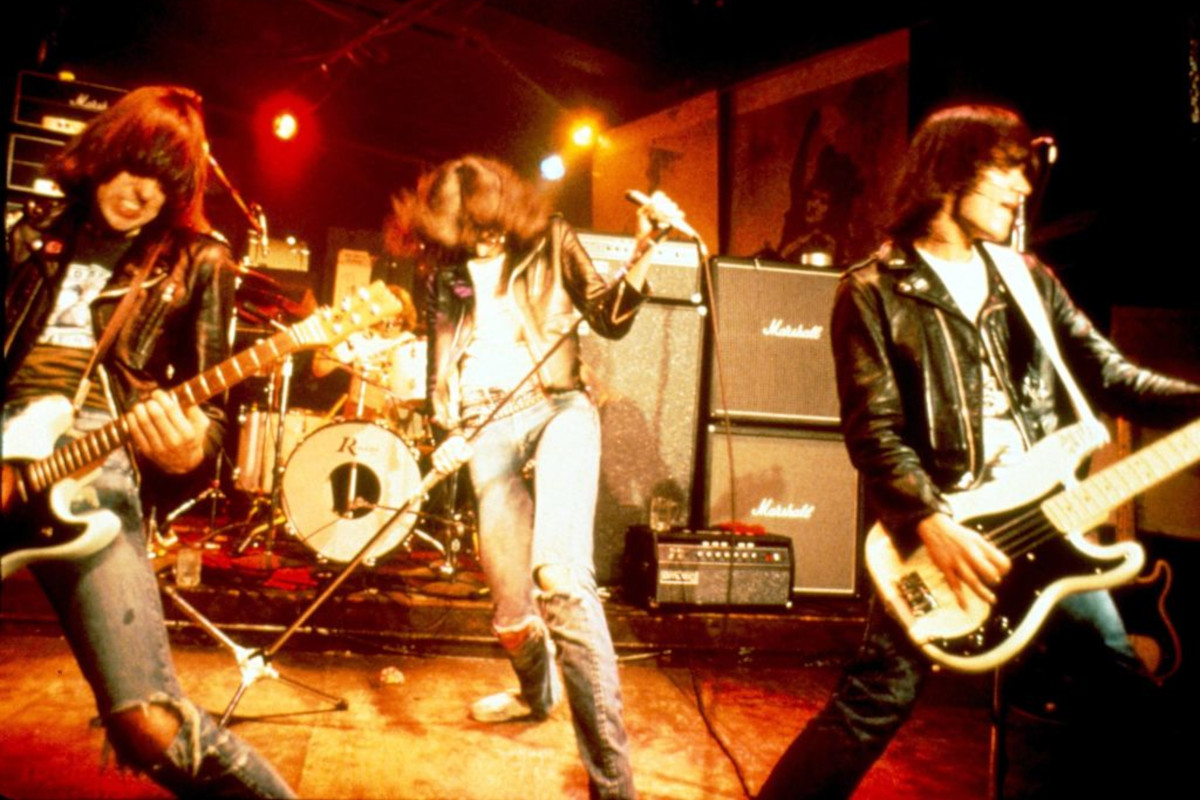
Based in the Bowery, the New York club was almost as famous for the disgusting state of its toilets as it was for the legendary roster of bands that played there.
The full title of the club was CBGB & OMFUG, a gloriously contrived acronym invented by the club’s owner, Hilly Kristal. It stands for Country, Bluegrass, Blues and Other Music Uplifting Gourmandizers.
Kristal’s vision for the type of music he wanted to stage didn’t come to fruition, instead CBGB’s became the creative hub of the underground New York punk scene.
An early incarnation of Television was on the bill as far back as 1974, as were The Ramones. The Patti Smith Group, Blondie, The Heartbreakers and Talking Heads were to follow. All of a sudden, a grimy club in the Bowery had become the coolest, most influential venue in the world.
In the 1980s CBGB’s hosted the NYC hardcore punk scene with bands such as Bad Brains, Misfits, Agnostic Front and early Beastie Boys orchestrating the mosh pit.
CBGB’s ran into financial difficulties and finally closed its doors in 2006. The legacy remains.
Time machine: On August 15, 1975, The Heartbreakers, Talking Heads and Blondie all performed on a spectacular triple whammy of a bill.
6. The Cellar Door, Washington DC
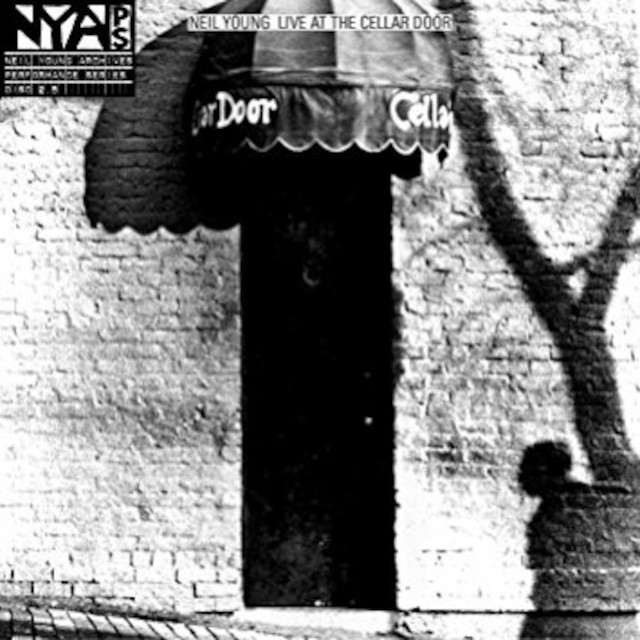
The Cellar Door was located in the upmarket Georgetown area of Washington DC. The intimate, brick-walled venue only seated 163 and was regarded ostensibly as a try-out spot for breaking artists.
That’s not to say that it didn’t also host its share of legends with Linda Ronstadt, James Taylor, Neil Young and Miles Davis making up a list of notable past performers. Indeed the later two cut live albums at the venue in the shape of Neil Young’s Live At The Cellar Door and Miles Davis’ The Cellar Door Sessions.
Country rockers The Flying Burrito Brothers played the Cellar Door in 1971. Post-gig they wandered into an even smaller venue and bumped into an as yet undiscovered Emmylou Harris.
The club shuttered its doors in 1982 and the building is now a Starbucks.
Time Machine: With John McLaughlin on guitar and Keith Jarrett on piano, it has to be Miles Davis in December, 1970.
7. Boston Tea Party, Boston
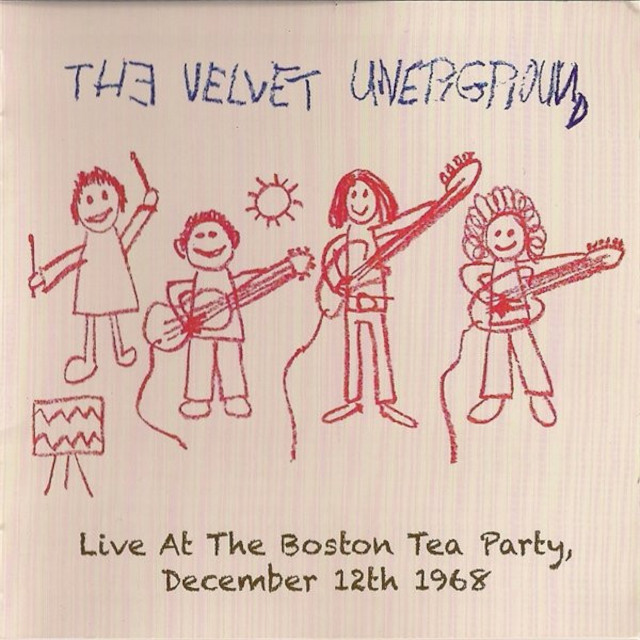
The Boston Tea Party was located in a former mission house in the South End area of Boston. In operation from 1967 to 1970, the club spanned rock’s most psychedelic years. The Grateful Dead played the venue half a dozen times in 1969 alone, with Led Zeppelin, Free, The Who and The Byrds on the bill. The Jeff Beck Group with Rod Stewart and Ronnie Wood also dropped in.
The post-John Cale Velvet Underground played the Boston Tea Party on a regular basis, and despite being New Yorkers they were the closest thing the club got to a house band. Lou Reed described it as his favourite place to play. A young Jonathan Richman was a regularly in attendance and suitably inspired to form The Modern Lovers.
The shift towards larger capacity venues and arenas meant the club was no longer viable and the shutters came down for the last time in 1970.
Time Machine: Standing next to Jonathan Richman watching the Velvets thrash out a 20-minute ‘Sister Ray’
8. Fillmore East, New York
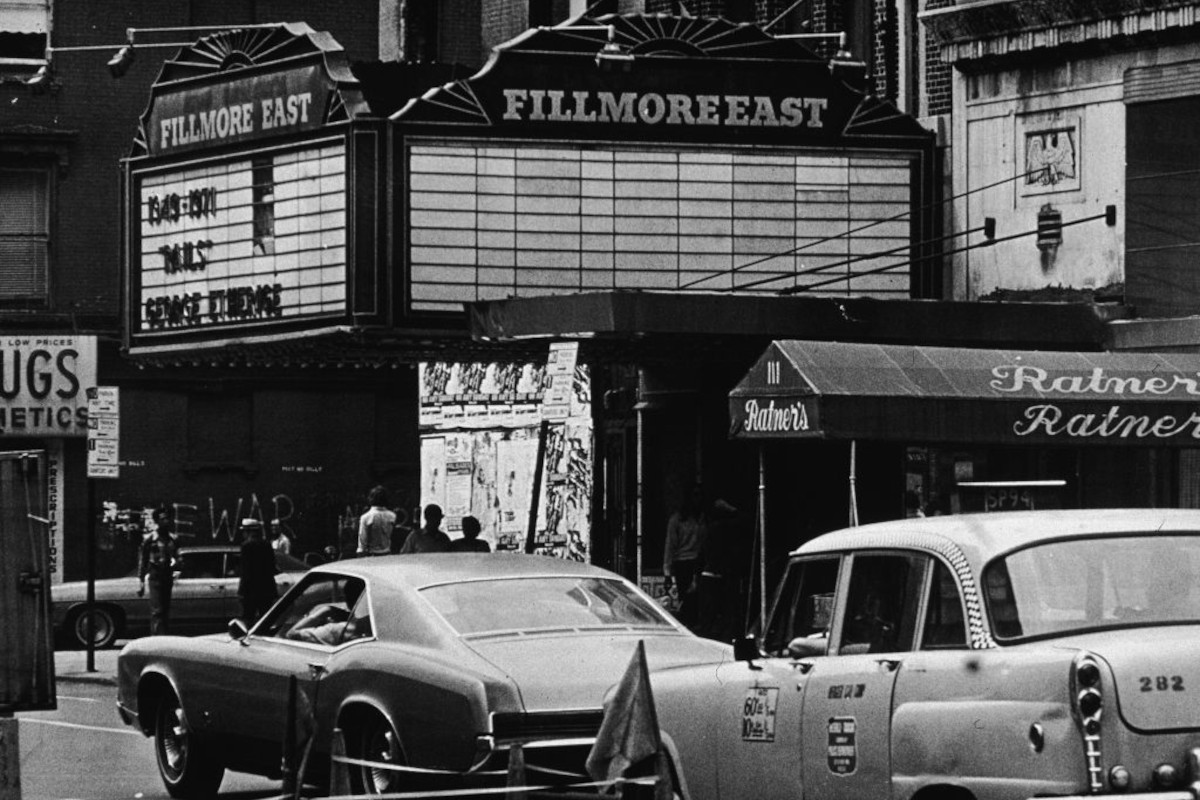
Located at 105 Second Avenue on the Lower East Side (as was) the building that became the Fillmore East originally opened in 1925 as a theatre. Buoyed by the success of the Fillmore in San Francisco, promoter Bill Graham was keen to export the West Coast counterculture aesthetic to New York.
Fillmore East opened in March 8, 1968, and Graham would regularly rotate acts between his two venues. Known for its outstanding acoustics and noisily receptive audiences, it soon picked up the sobriquet of the ‘Church of Rock and Roll.’
The high quality of the sound resulted in a number of legendary live albums being recorded at the venue. Top of the list has to be The Allman Brothers Band's At Fillmore East, which is regarded as one of rock’s greatest live albums.
Jimi Hendrix’s live debut as a member of Band Of Gypsy’s was memorably captured. British band Humble Pie’s classic Performance: Rockin’ The Fillmore is also the stuff of legend.
Fillmore East burned brightly but briefly. Bill Graham closed the venue after three year with its final night on June 27, 1971.
Time Machine: The Allman Brothers’ At Fillmore East was recorded over three nights in 1971. Let’s transport ourselves back for 22:40 version of ‘Whipping Post’.
9. The Warehouse, New Orleans
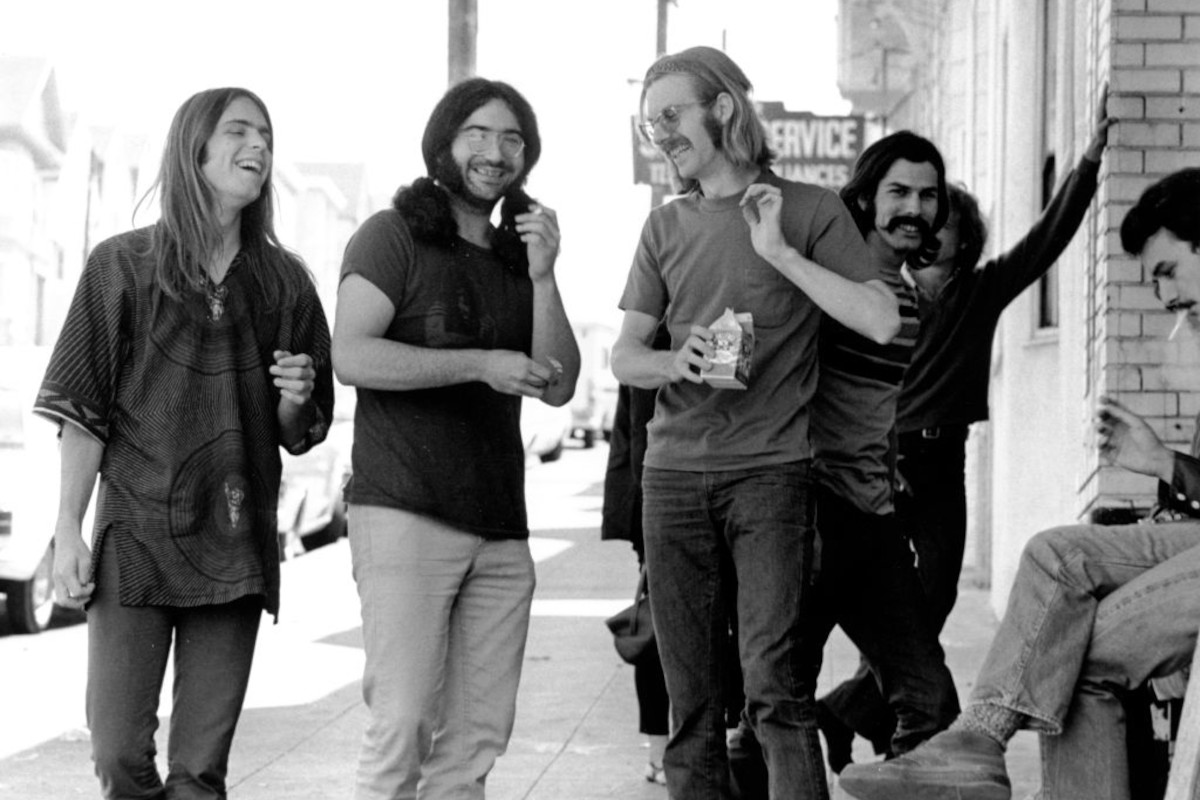
The Warehouse was the prime venue for rock music in New Orleans in the 1970s, as such it was predictably referred to as the ‘Fillmore South’. Located at Tchoupitoulas Street, in close proximity to the Mississippi, the venue had a mid-size capacity of 3,500.
The Warehouse opened with a bang in January, 1970. The triple bill consisted of The Flock, Fleetwood Mac and headliners Grateful Dead. After the gig Jerry Garcia and band mates were busted for drug possession. A ‘Bread For Dead’ concert was hastily arranged to pay the legal fees. Later that year, Jim Morrison played his last ever gig with The Doors at The Warehouse.
Time was finally called on The Warehouse in September, 1982 with Talking Heads marking the sombre occasion.
Time Machine: The Clash played a dynamic set at The Warehouse in 1982 with hometown legend Lee Dorsey as the opening act.
10. RCKCNDY, Seattle
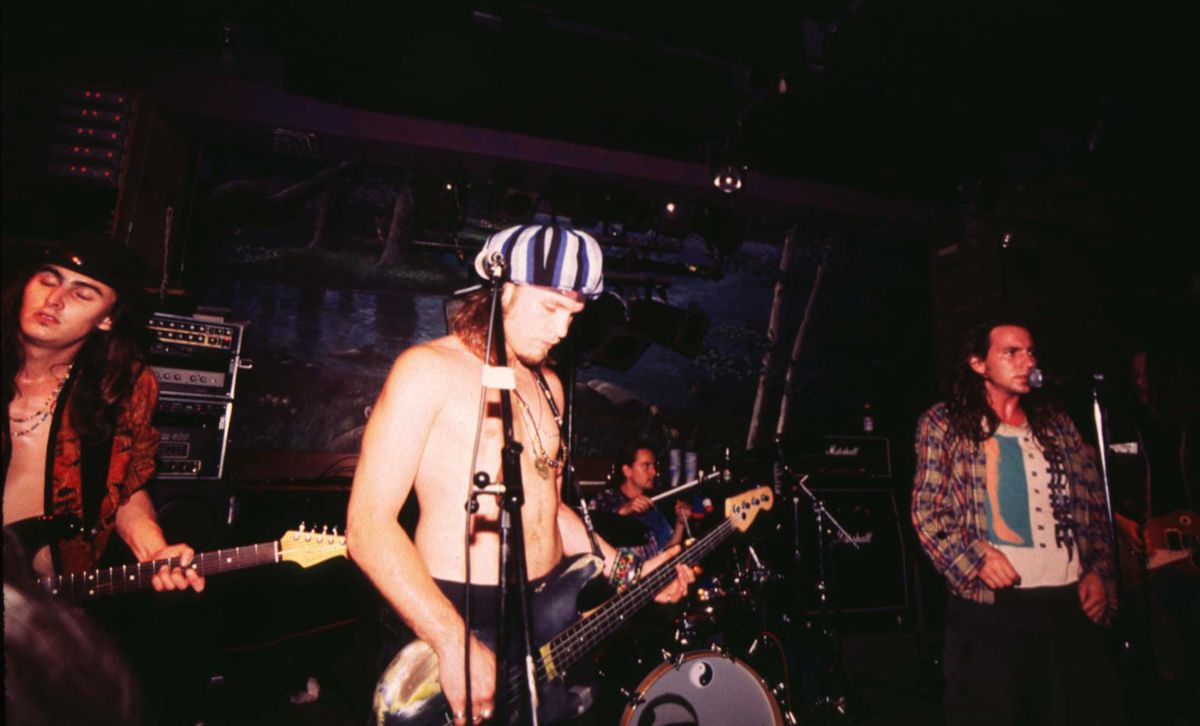
Pronounced ‘rock candy’, the vowel-averse RCKCNDY opened in Seattle in 1991. It operated during the height of the grunge years and, alongside the Crocodile Café, gave an early platform to local acts such as Pearl Jam, Soundgarden and Mudhoney. Radiohead also played an early US show at the venue.
For the last three years of RCKCNDY’s existence it was run as an all-ages venue. The club had the rug pulled from under it in 1999 when the property was sold to a soulless property developer.
Time Machine: Pearl Jam played a famous last minute, surprise gig at the club in 1992.
11. Gaslight Café, New York
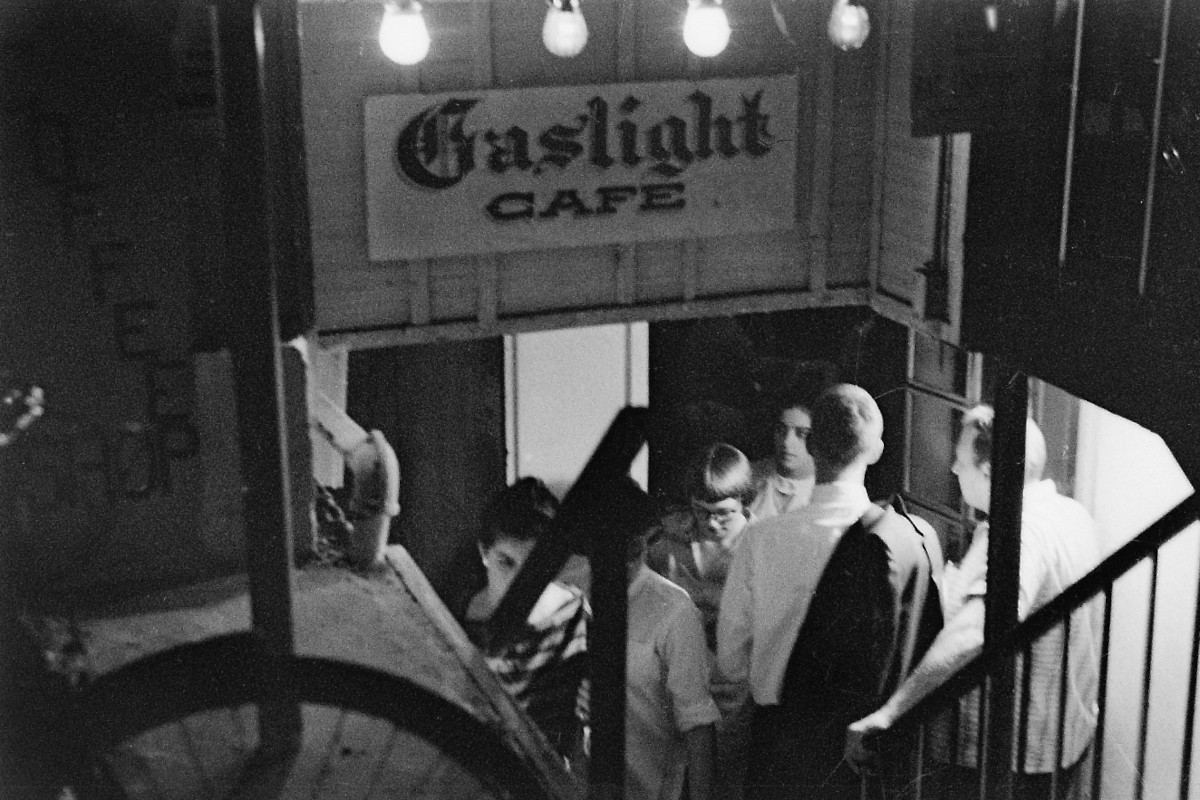
The iconic Gaslight Café was in the Greenwich Village neighbourhood of New York. It opened in 1958 as a coffeehouse and was adopted by Beat Poets Allen Ginsberg and Gregory Corso as a cool, downtown hangout.
The Gaslight evolved into a folk music club and was an important venue during the early 60s boom. Bob Dylan was a regular performer, and his live album Live At The Gaslight documents that fact. Joni Mitchell’s first ever NYC performance was at the club.
The Gaslight didn’t limit itself to solely folk, and important Blues artists such as Mississippi Fred McDowell, Son House and the Reverend Gary Davis also performed. Jimi Hendrix and Eric Clapton also sat in together for a week jamming with John Hammond Jr.
The Gaslight closed in April 1971, a victim of rising rents and increasing operating costs.
Time Machine: Bob Dylan arrived in New York in 1961, let’s set the time machine for his first appearance at The Gaslight.
12. Armadillo World Headquarters, Austin
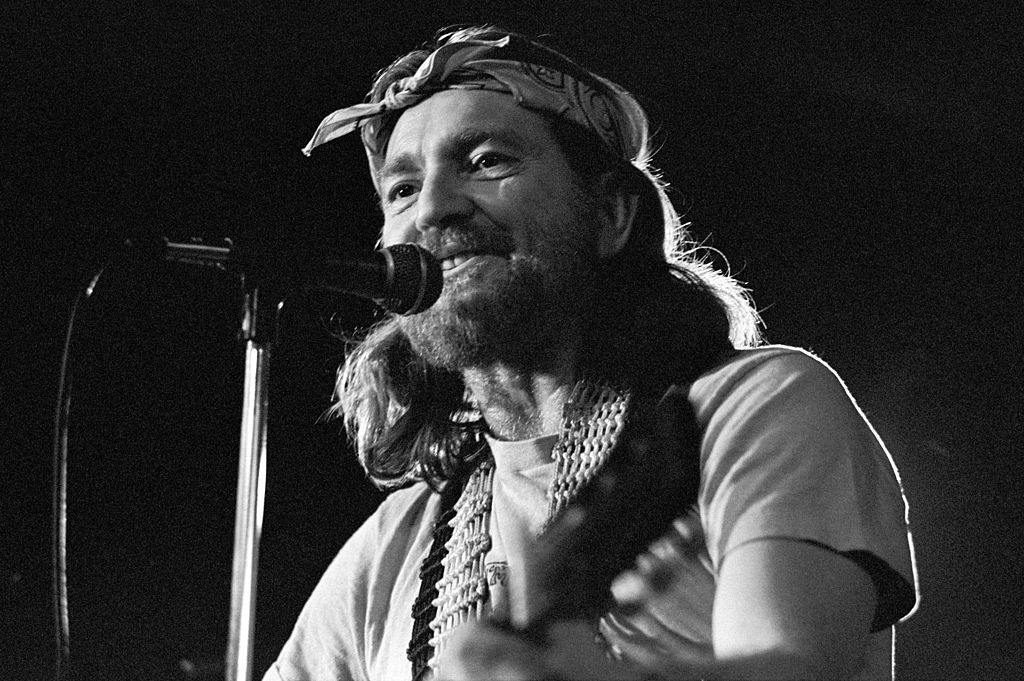
The Dillo was a Texas music hall and beer garden located just south of downtown Austin. It opened in 1970 and achieved the seemingly impossible task of uniting the city’s hippie community with the not inconsiderable redneck faction. It’s amazing what good beer and a ‘blind eye’ approach to pot smoking can achieve.
The venue provided a home for progressive country artists such as Willie Nelson, Waylon Jennings and Michael Martin Murphey. It also attracted established rock acts, including Frank Zappa, The Grateful Dead and Bruce Springsteen. Surprisingly, AC/DC played their first US show at the Armadillo, and even Kraftwerk have appeared on the bill.
The venue closed in 1980 and is now an office block, but its very existence put Austin on the musical map.
Time Machine: A relatively young Willie Nelson played his first gig at the Armadillo in 1972.
13. Max's Kansas City, New York
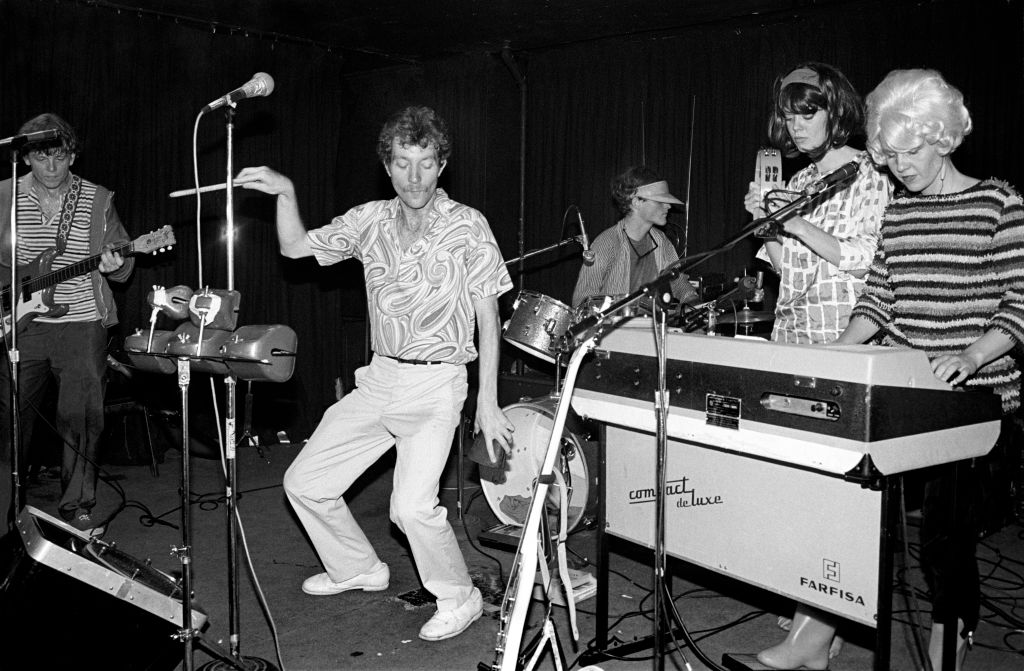
Max’s opened in 1965 as a restaurant and nightclub just off of Union Square in Uptown Manhattan. It soon became a hangout for the hippest of NYC’s hip. Andy Warhol was known for holding court in the club’s mythical back-room scene. Debbie Harry was a former waitress.
Max’s also had an upstairs music venue and many important acts were invited to play there. Regulars The Velvet Underground were captured during a nine-week residency doing their thing on the notoriously lo-fi Live At Max’s Kansas City. Aerosmith’s first ever New York gig was at Max’s, while Big Star also performed in 1973.
In 1974 the club closed due to financial mismanagement, but reopened a year later. This new beginning ushered in Max’s punk era with NYC bands Suicide, New York Dolls, The Dictators and Wayne County & The Electric Chairs all treading the boards. David Bowie never played Max’s, but did get on stage in 1977 to introduce Devo.
Max’s closed on December, 1981. The club re-surfaced in 1998 at a new location, but didn’t survive.
Time Machine: The night in 1973 when Bob Marley and The Wailers opened for Bruce Springsteen.
14. Lounge Ax, Chicago
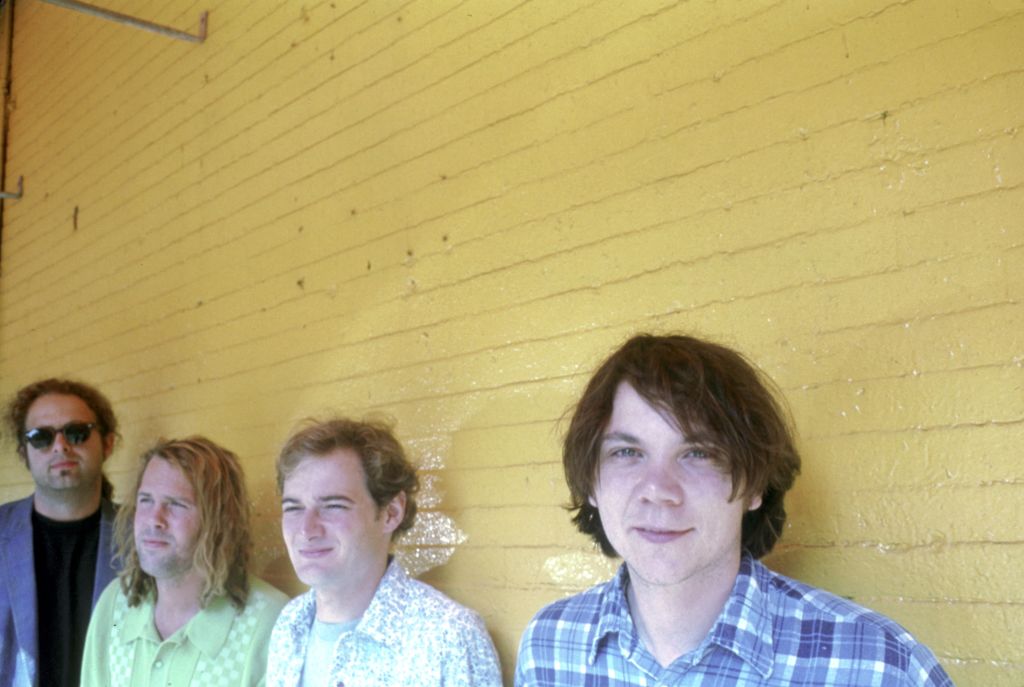
The Lounge Ax was a much loved Chicago indie rock club located in the Lincoln Park area of the city, just across the street from where gangster John Dillinger was shot. The club opened in 1987 and catered largely for an indie rock audience.
The venue was a mainstay of the 90s underground music scene, and hosted acts such as Wilco, Pavement, Neutral Milk Hotel, Tortoise and Shellac. It also featured in the movie version of Nick Hornby’s High Fidelity.
The Lounge Ax’s closure is a sad tale for our times after frequent complaints by residents in a gentrified area finally got their way.
Time Machine: It’s hard to see past an intimate, hometown gig from Chicago’s finest, Wilco.
15. The Mid-South Coliseum, Memphis
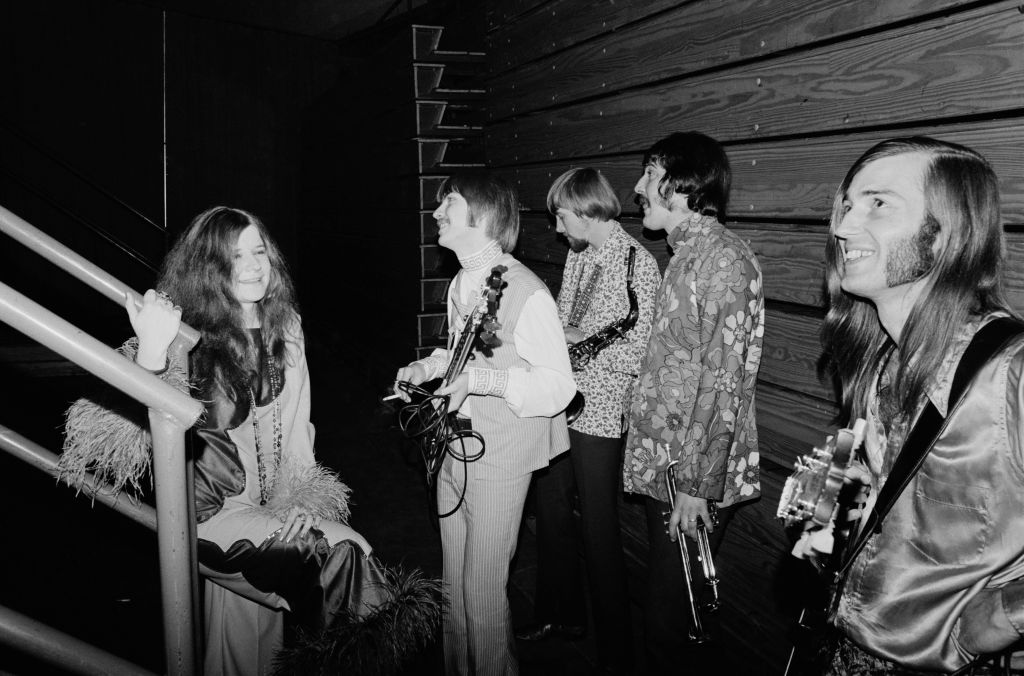
The Mid-South Coliseum opened in 1964 and boasts a long, proud history of putting on shows. In November 1965 the Rolling Stones played the second night of their US tour at the venue, supported by Patti LaBelle. The Beatles played the Coliseum the following year amid the controversy stirred up by John Lennon’s "more popular than Jesus" remark.
For Elvis the arena was a hometown gig, and he recorded his poetically-titled album, Elvis Recorded Live On Stage In Memphis there in 1972. He performed for the last time in July 1976, just over a year before his death.
Such was the size of the Mid-South Coliseum it also doubled up as a venue for basketball, pro wrestling, ice hockey and indoor soccer. The venue closed in 2006 due to financial difficulties.
Time Machine: Any time there’s a chance to see The Beatles has to be taken, even if the Ku Klux Klan are protesting outside.
All photos Getty Images / Album sleeves Discogs
Top image Two young men in leather jackets stand outside CBGB, New York on February 14, 1983


