
Let’s get our terms of reference sorted from the off. The bands we are talking about haven’t just changed their approach for one album, they’ve radically altered their sound – taking the plunge from one subgenre to another. We’ve also decided against including artists, for instance David Bowie, for who ‘reinvention’ is all part and parcel of the creative process.
Our bands have been forced to change their sound for any number of reasons, often the catalyst is a new band member, or the lure of mainstream success overcoming the appeal of artistic credibility. For each band we have also included two songs that represent the beginning and end of the journey.
11 rock bands that completely changed their sound
11. Japan
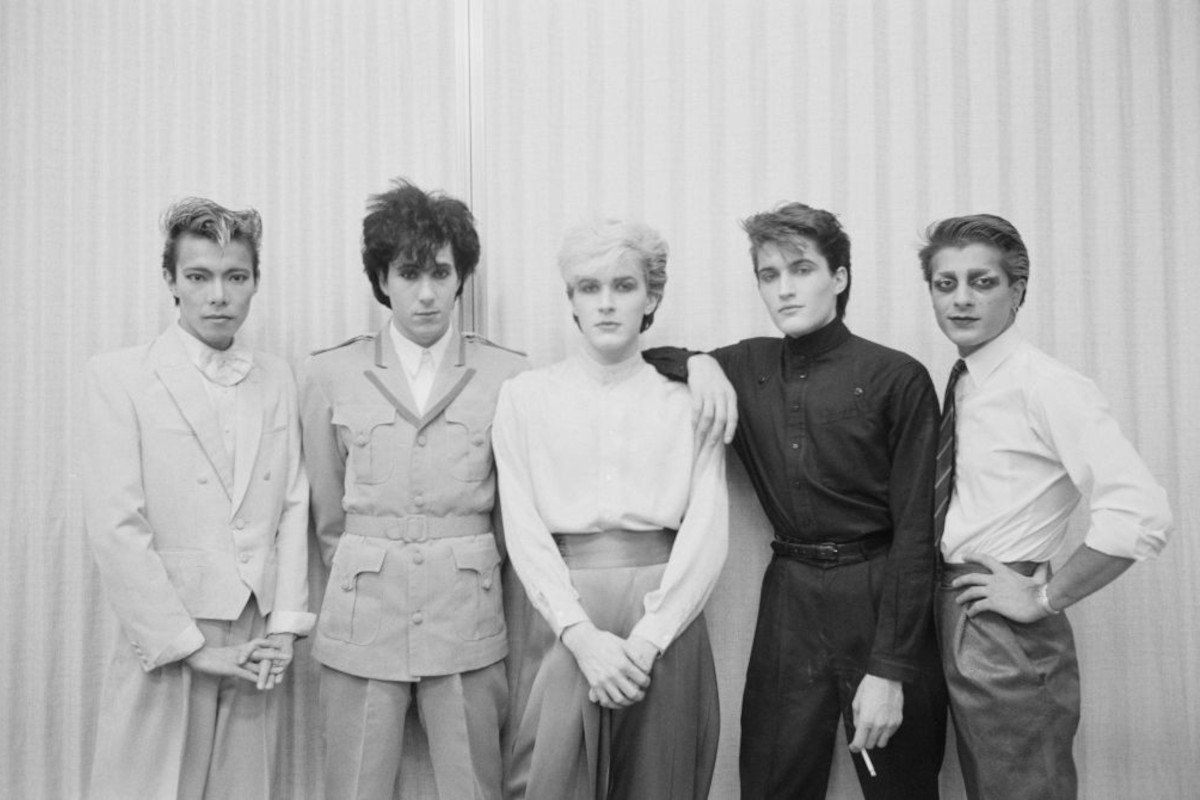
The South Londoners burst onto the scene as unconvincing New York Dolls copycats with big hair and slapped-on make-up. Early albums, such as Adolescent Sex and Obscure Alternatives, dished up guitar-heavy glam. Rock critics weren’t convinced with the standard issue, and the band struggled.
Japan’s fortune’s altered dramatically when a timely collaboration with legendary producer Giorgio Moroder prompted a sonic shift. The glam rock posturing was parked and a complex textured synth sound developed. This sonic evolution inspired the band’s best material, culminating in 1981’s art-pop high point Tin Drum.
Best of both worlds: 'Adolescent Sex' / 'Quiet Life'
10. Ministry
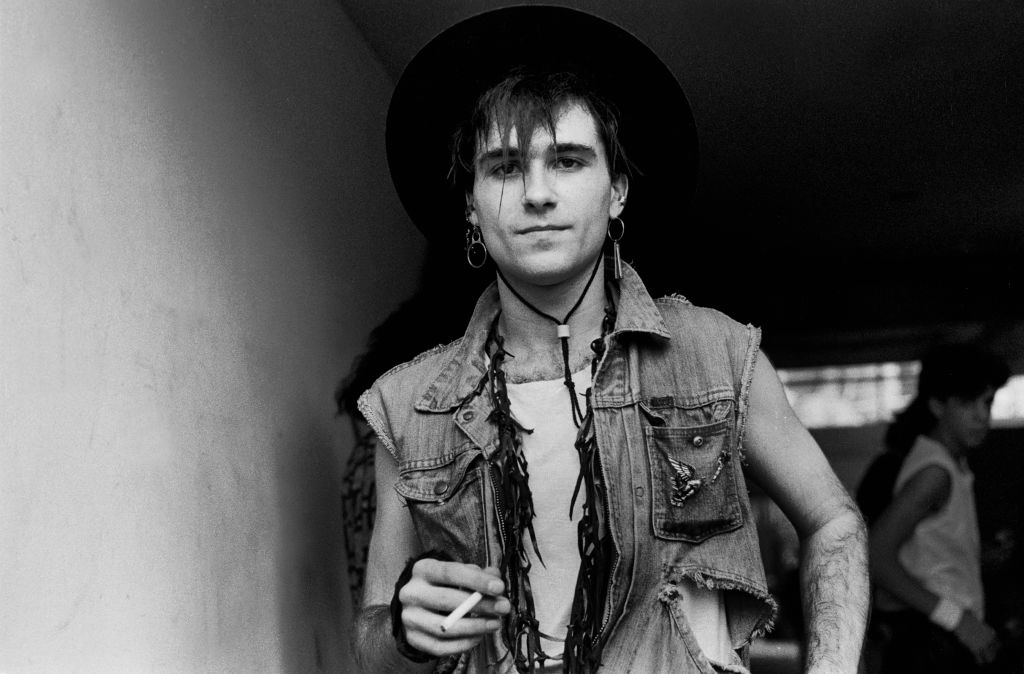
Bowing to record label pressure, Ministry started out as a synth-pop duo shaped in the mould of chart-ruling bands, such as Depeche Mode and The Human League. An early tour saw them supporting Culture Club.
Despite inner tensions within the band, most of them emanating from Al Jourgensen, debut release With Sympathy was a minor hit. It’s an album the band quickly disowned.
With the record label shackles released Ministry switched up their sound, mutating into pioneers of the abrasive industrial rock and metal scene. It’s safe to say they never looked back.
Best of both worlds: 'Revenge' / 'Jesus Built My Hotrod'
9. Radiohead
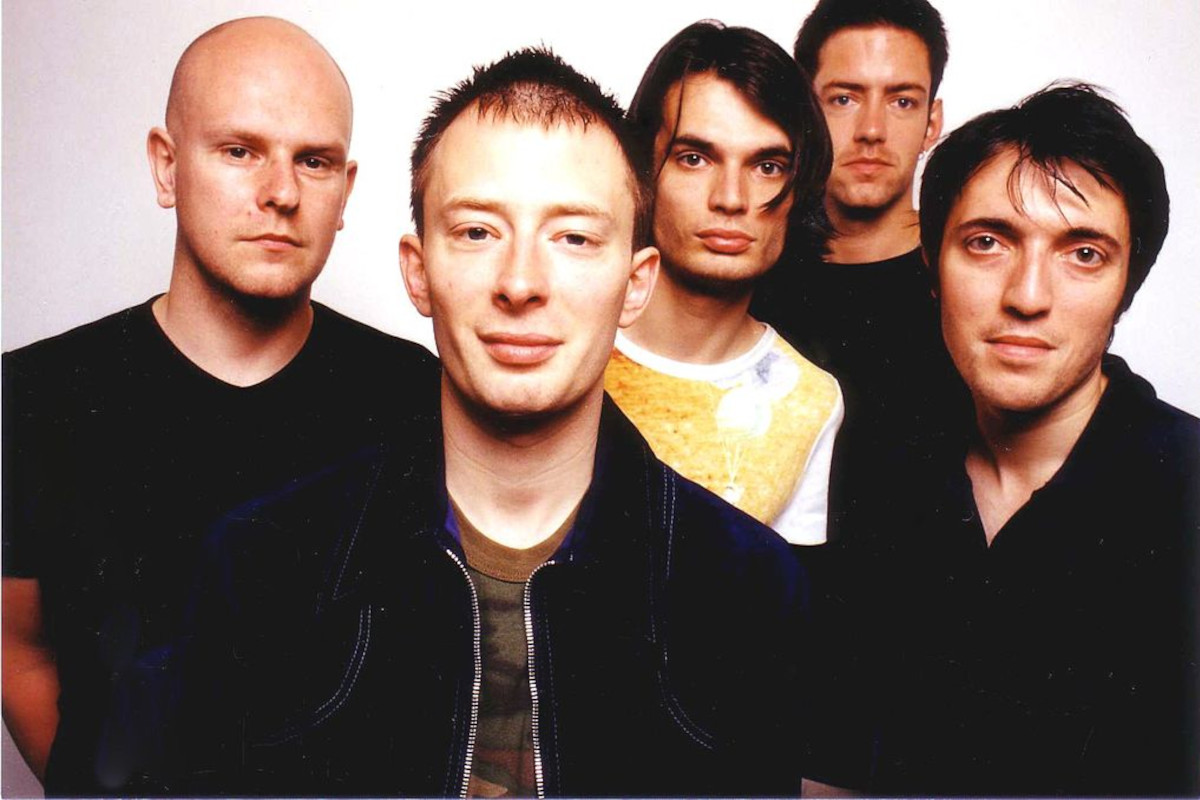
Containing breakthrough hit ‘Creep’, Radiohead’s Pablo Honey was a solid set of guitar-driven alternative rock. Follow-ups The Bends and OK Computer progressed the band sonically, but nothing could prepare fans of the adventurous Oxford five-piece for the next album to hit the racks.
Kid A was an extreme change of direction that completely reinvented the band’s sound. The guitars, which were the cornerstone of the previous albums, were ditched, replaced with a curious strain of ambient electronica. It was an admirable curveball that showed a band could still opt for artistic integrity over commercial opportunity.
Best of both worlds: 'Creep' / 'How To Disappear Completely'
8. Pantera
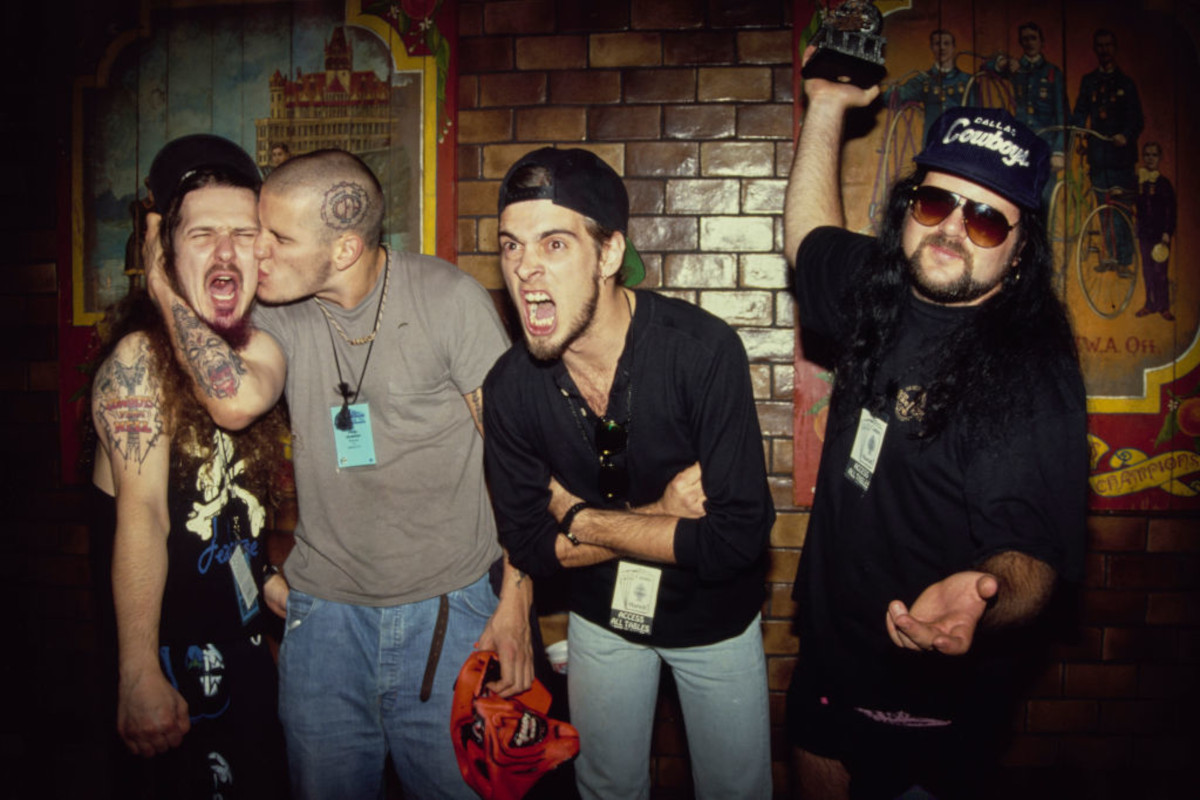
Dissatisfied with where their early career had taken them, the Texan rockers were in pursuit of a heavier, more aggressive sound. The first steps were taken with the introduction of a new lead singer, Phil Anselmo. It was the release of fifth album Cowboys From Hell where Pantera announced themselves as leaders of the groove metal movement.
Their shameful past as a spandex-wearing glam metal outfit was swiftly redacted, with Pantera announcing Cowboys From Hell as their "debut album." The previous four albums consigned to the waste bin of metal history.
Best of both worlds: 'All Over Tonight' / 'Cowboys From Hell'
7. Talk Talk
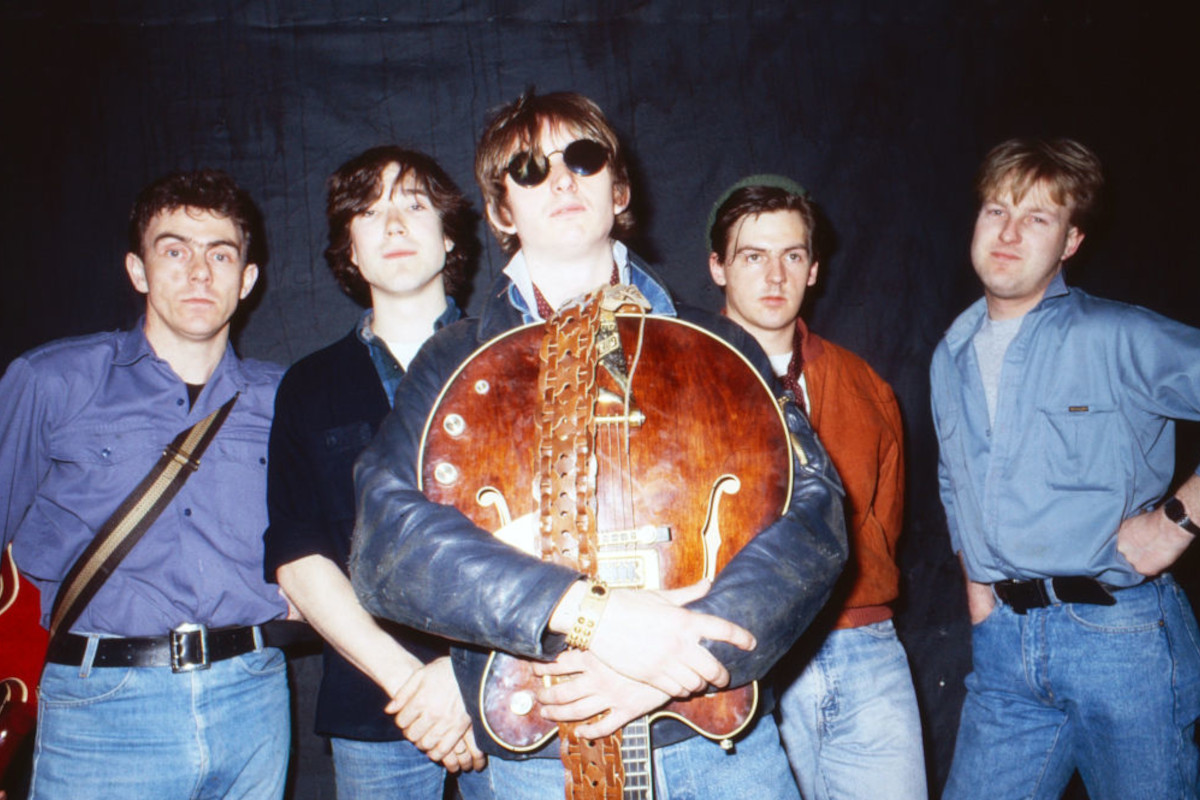
The familiar direction of travel for a band is to start out with arty pretensions only to succumb later to the inevitable lure of chart and mainstream success. Talk Talk are the grand exception that proves the rule, and made the journey in reverse.
Formed in 1981, the quartet rode the crest of the synth-pop wave and experienced instant chart success with a number of well-crafted hits, including the standout ‘It’s My Life’. In the early days of their existence, Talk Talk were often compared to Duran Duran, which is justification enough to change direction.
The comparisons were put to rest with the release of the band’s fourth album. Spirit of Eden was a radical reassessment of the band’s sound, eschewing traditional song structures for extended minimal arrangements and passages of improvisation. It remains an influential recording that laid down the foundational blueprint for the post-rock movement to come.
Best of both worlds: 'It's My Life' / 'I Believe In You'
6. Roxy Music
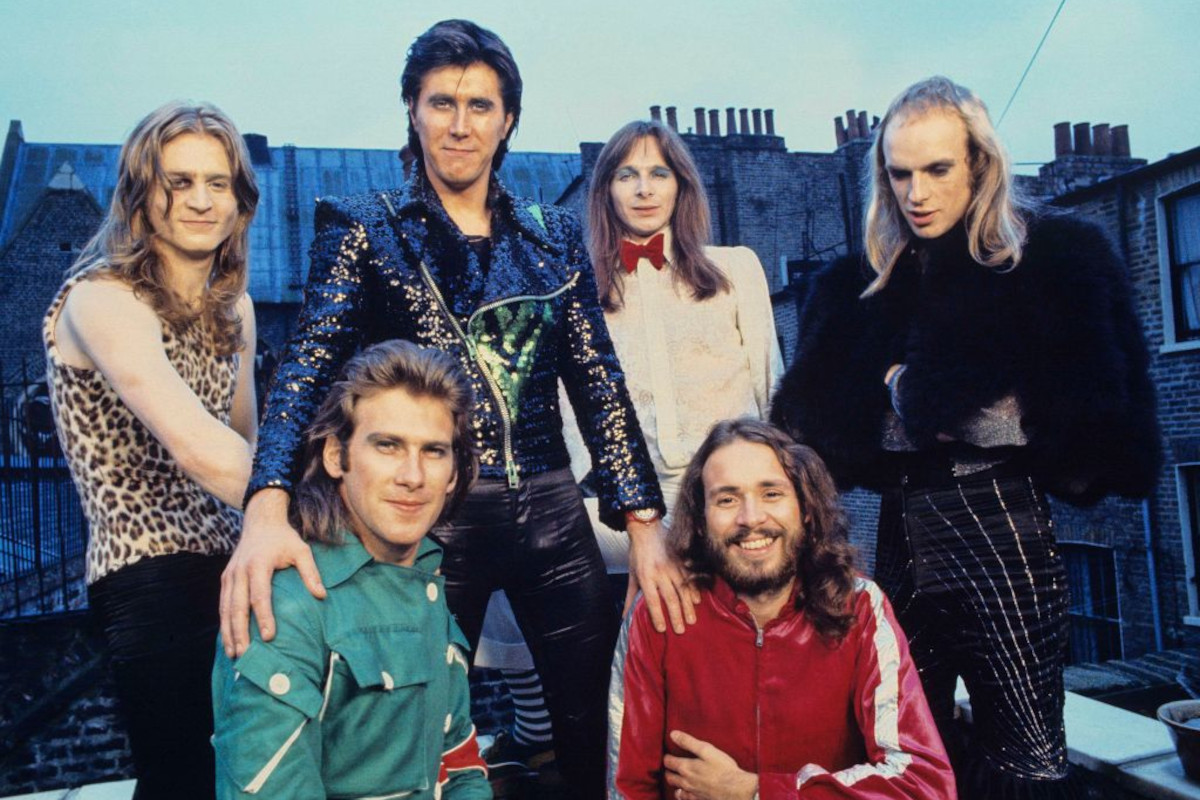
The art-school glam of debut single ‘Virginia Plain’ saw Roxy Music explode onto the music scene in the early 1970s. The innovative rockers arrived with a powerful, fully realised aesthetic, backed up by a catalogue of intriguing songs. Bryan Ferry’s singular vocal delivery and Brian Eno’s compelling synth work singled the band out as avant-garde disruptors.
With Eno sent packing, Roxy never regained a experimental cutting edge. After a brief hiatus, the band returned to the studio in 1979 with a radically altered sound. The new incarnation of Roxy Music was a smooth, ultra-polished outfit without a rough edge in sight.
With its lush production and ambient textures, 1982’s Avalon is far removed from the band’s groundbreaking debut of 10 year’s previous.
Best of both worlds: 'Virginia Plain' / 'More Than This'
5. The Cure
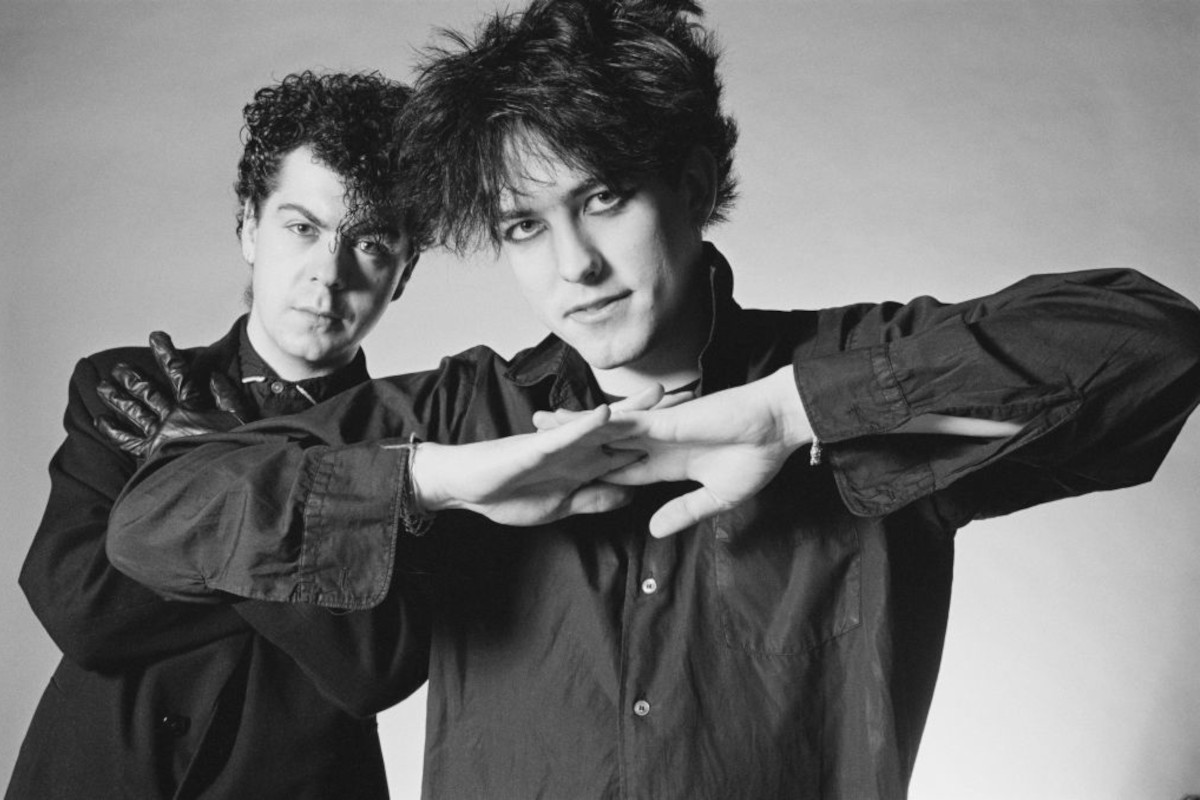
Robert Smith has stated that The Cure’s musical direction is inextricably linked to his mental state. As such, it’s safe to assume with the release of the band’s ultra-dark trilogy of albums in the early 80s he may have been struggling. Seventeen Seconds (1980), Faith (1981) and Pornography (1982) are sparse, sombre offerings that helped establish the mournful gothic rock genre.
With subsequent releases The Cure started to adopt a more playful approach, with Smith proving himself to be adept at writing quirky, upbeat pop singles. Suddenly, much to the dismay of die-hard goths, people were getting up at Indie discos and dancing to The Cure. 45s such as ‘The Walk’, ‘Let’s Go To Bed’, and, especially ‘Love Cats’ could almost be described as cheerful.
Best of both worlds: 'The Funeral Party' / 'Love Cats'
4. The Human League
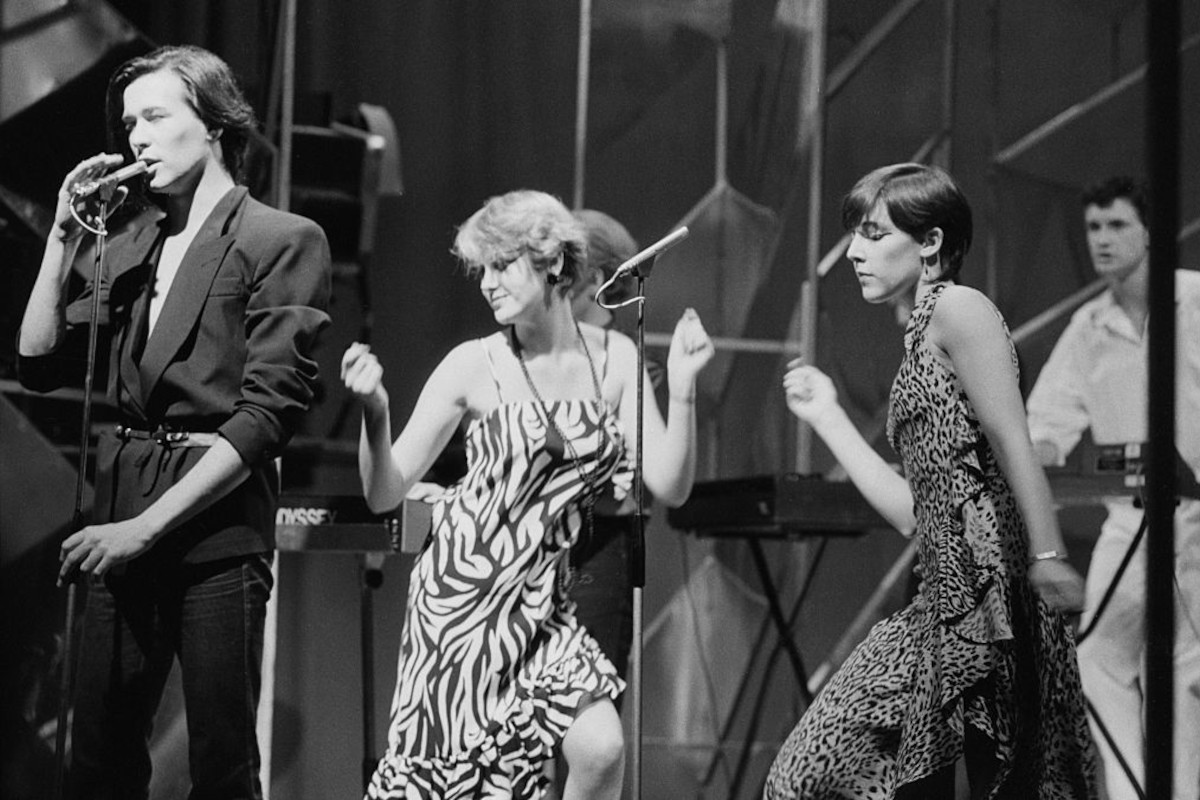
It took The Human League four short years to put away the high art pretensions of their early labours and concentrate on waitresses working in cocktail bars. Formed in 1977, the experimental outfit were backed by layer upon layer of glacial synths. Album sales were limited, but a loyal fan base was established.
After the dissolution of the band’s original line-up, the shrewd addition of Susan Sulley and Joanne Catherall, together with a brace of new songwriters, saw the band relocate from the underground to the mainstream. The iciness of the band’s synth sound melted away under the direction of producer Martin Rushent and was replaced by a warm, catchy synth-pop sound.
1981’s Dare was the perfect product for its times, and delivered number one hits on both side of the Atlantic.
Best of both worlds: 'Being Boiled' / 'Don't You Want Me'
3. Rush
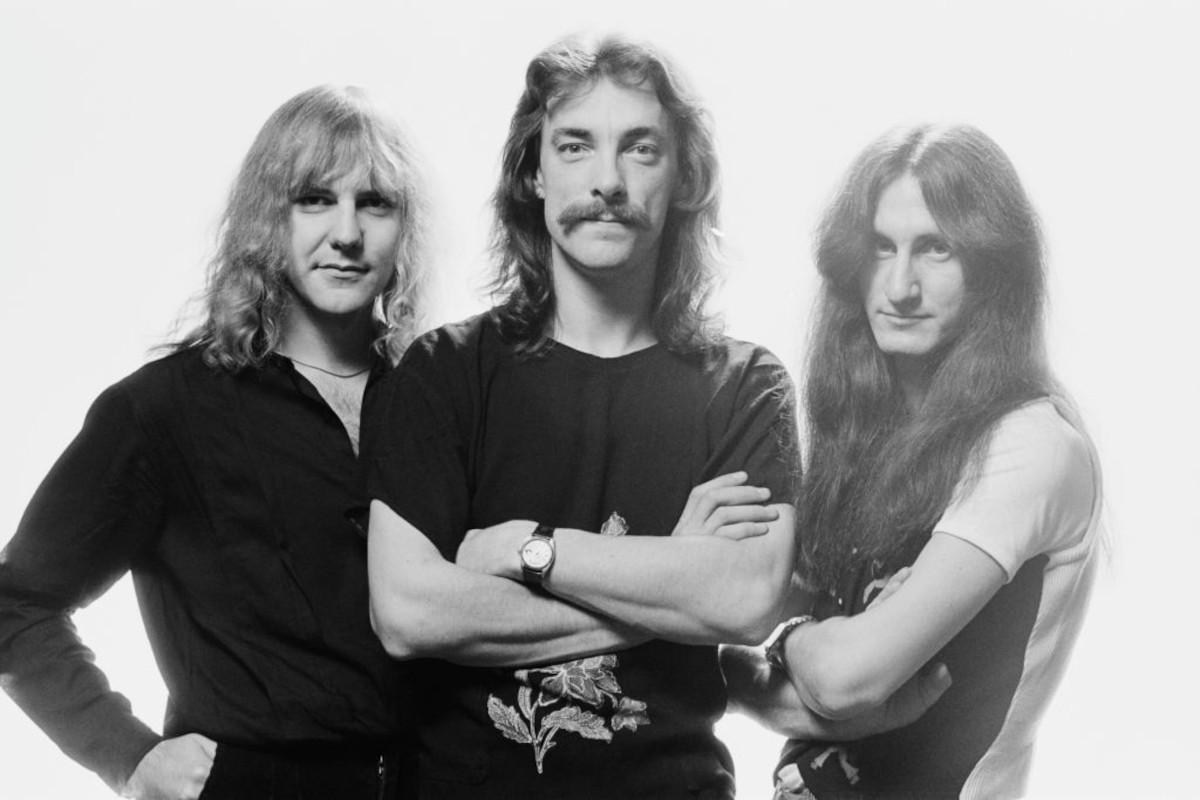
In many instances a radical shift in a band’s sound is prompted by a change in line-up. This wasn’t the case with Canadian three-piece Rush who made the conscious decision to pivot away from their trademark 20-minute prog rock sagas based on a genuine desire to explore fresh sonic territory.
This reassessment was linked not only to Geddy Lee’s fascination with developments in synth technology, but also as a reaction to new wave and synth-pop’s increased share in radio play on commercial radio. Rush’s keyboard era had begun, resulting in a raft of tighter, more accessible songs, such as ‘Tom Sawyer’ and ‘The Spirit Of The Radio.’
Best of both worlds: '2112' / 'New World Man'
2. Genesis
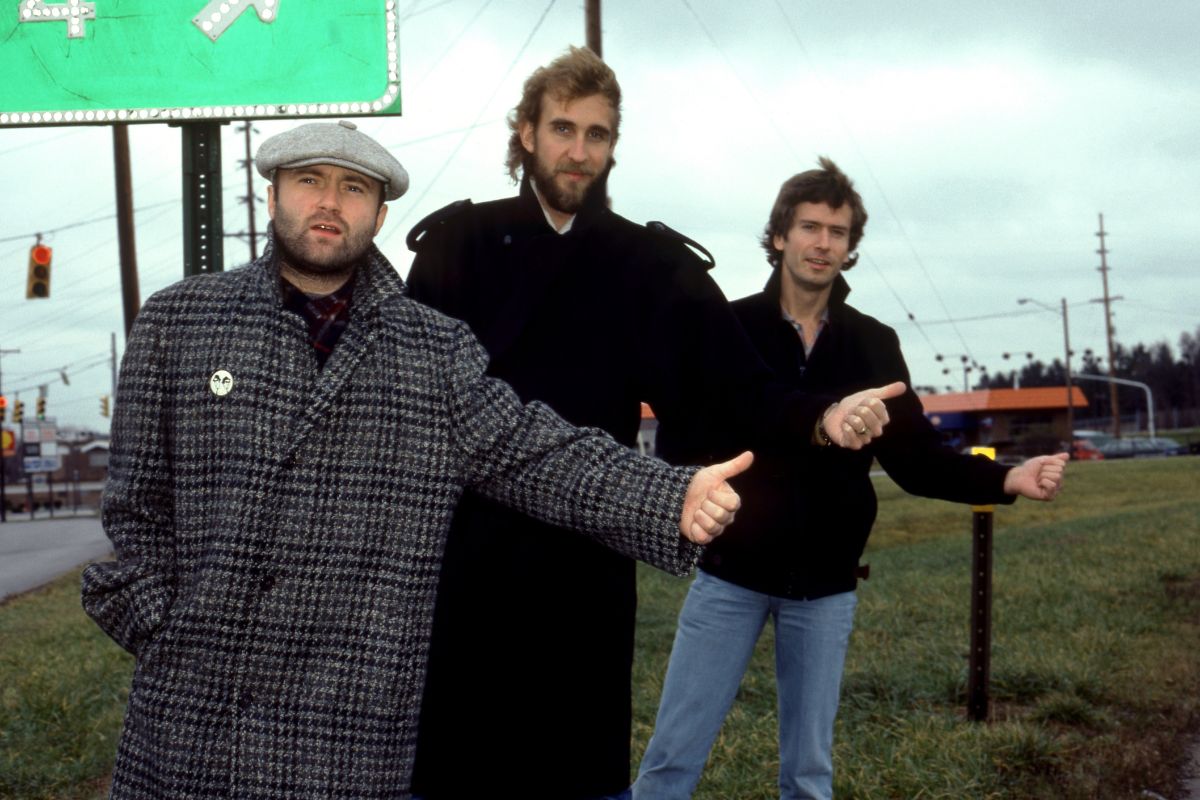
With the loss of their major creative voice, Genesis completely switched lanes. With Peter Gabriel in the ranks the band were at the forefront of the progressive rock movement in the UK.
His surreal theatricality defined the band’s live performance, and classic albums such as Foxtrot and Nursery Cryme remain high-bar examples of the genre. Gabriel left the band in 1975 after The Lamb Lies Down On Broadway.
Drummer Phil Collins stepped up and took over lead vocal duties, with 1976’s A Trick Of The Tail adopting a more melodic, brighter sound than its denser predecessors.
Another line-up change took the band deeper into radio-friendly territory and mainstream success with pop-rock albums such as Abacab and Duke. It was a far cry from the band’s original prog rock sound.
Best of both worlds: 'Supper's Ready' / 'Follow You Follow Me'
1. Fleetwood Mac
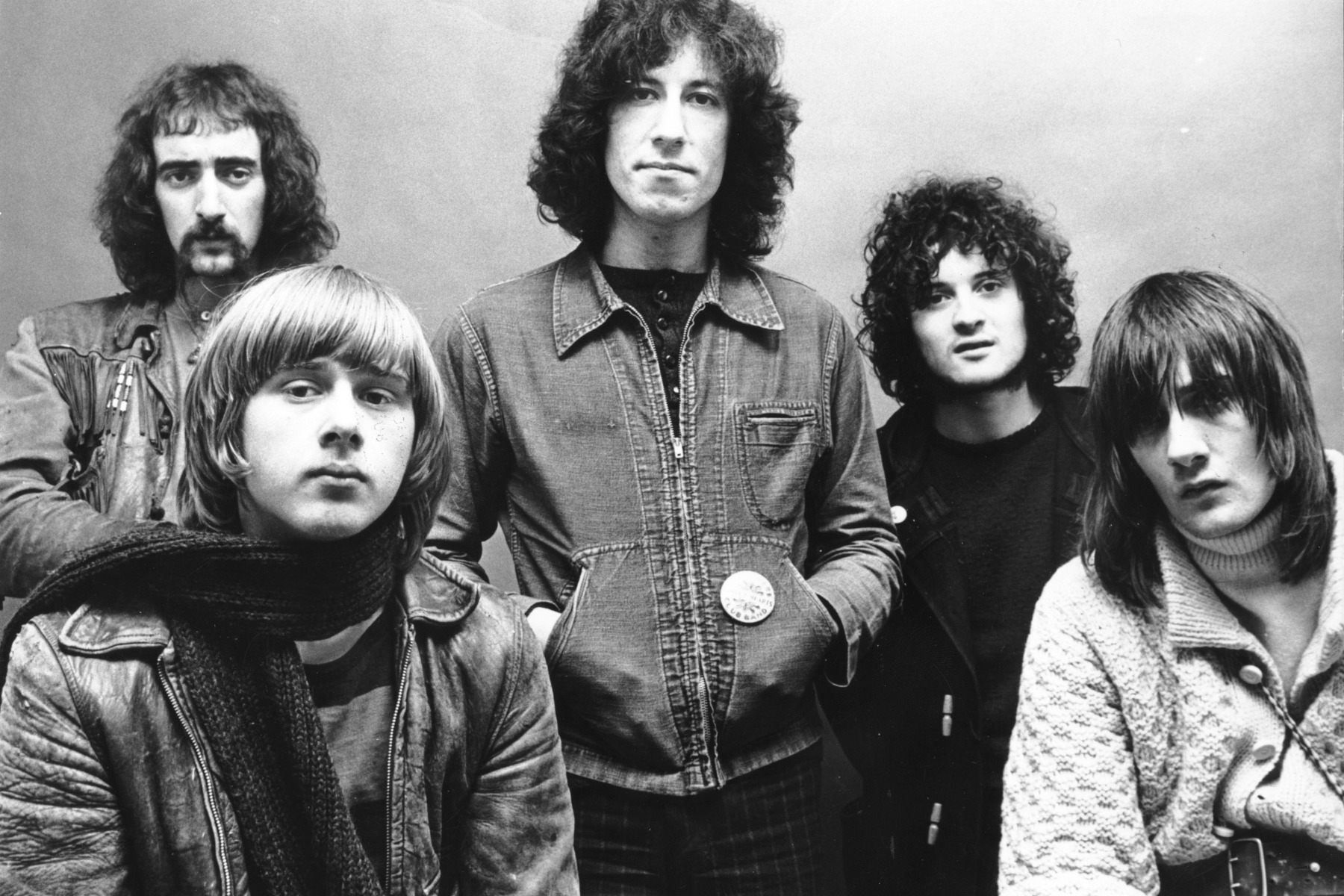
Over the course of 10 turbulent years Fleetwood Mac evolved from a straight-up, guitar-led British blues band to the world’s biggest purveyors of soft-rock. Formed out of the ashes of John Mayall’s Bluesbreakers in London in 1967, the original line-up revolved around visionary blues guitarist Peter Green. The band built up a strong live reputation and a number of chart hits in the UK.
Green left in 1970 due to mental health issues linked to heavy drug use. Mick Fleetwood and John McVie were left to steer the band through a transitional phase, which witnessed the addition of songwriter Christine McVie and relocation to California.
- 'Don't go after other women's husbands': Fleetwood Mac's darkest, most bruising album (it's not Rumours)
The major shift in style was finally initiated when Lindsey Buckingham and Stevie Nicks were invited to join the band. The duo pushed the erstwhile blues band towards a sleek, radio-friendly, pop-rock sound, which culminated in 1977’s monster hit Rumours.
Best of both worlds: 'Black Magic Woman' / 'Don't Stop'
All pics Getty Images. Top image Fleetwood Mac: Stevie Nicks, Lindsey Buckingham, Christine McVie, John McVie and Mick Fleetwood backstage at the Los Angeles Rock Awards on September 1, 1977


