
As rock music came of age, so did recording equipment. And once rock stars realised that mobile recording technology meant their creativity didn’t have to be confined to the studio, they were keen to explore all manner of weird and wonderful locations.
Here are our favourite strange places that albums have been recorded.
The 11 strangest places albums have been recorded
11. Wings, London Town (1978)
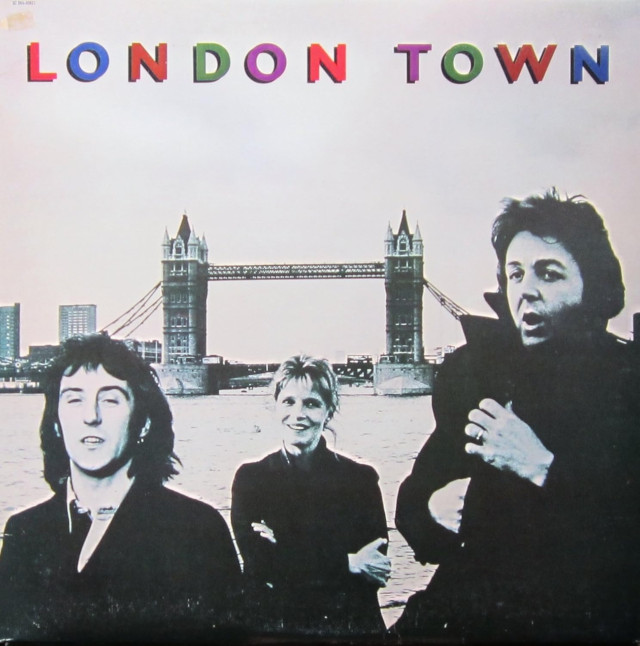
Sessions for Wings’ sixth album began conventionally enough, with a productive couple of days at Abbey Road, London, in February 1976, in which four songs that would eventually end up on London Town were recorded.
But the band were soon distracted, as Paul McCartney told Paul Gambaccini for Sounds in August 1977, "It was cloudy old London, and our engineer Geoff Emerick came in and started telling us tales of how he’d been recording in Hawaii. Everyone started feeling extremely jealous.
"We realised we’ve worked in Abbey Road a long time. It all fell into place. We thought about that boat, the Record Plant, and doing something in the Virgin Islands."
This being McCartney in 1976, he made it happen. A crew (including Emerick) headed out to the Virgin Islands’ capital, St Thomas, in the last week of April with instructions to build a studio on a charter yacht called Fair Carol. Despite the Captain’s misgivings over the weight of the equipment, the studio was ready within the week.
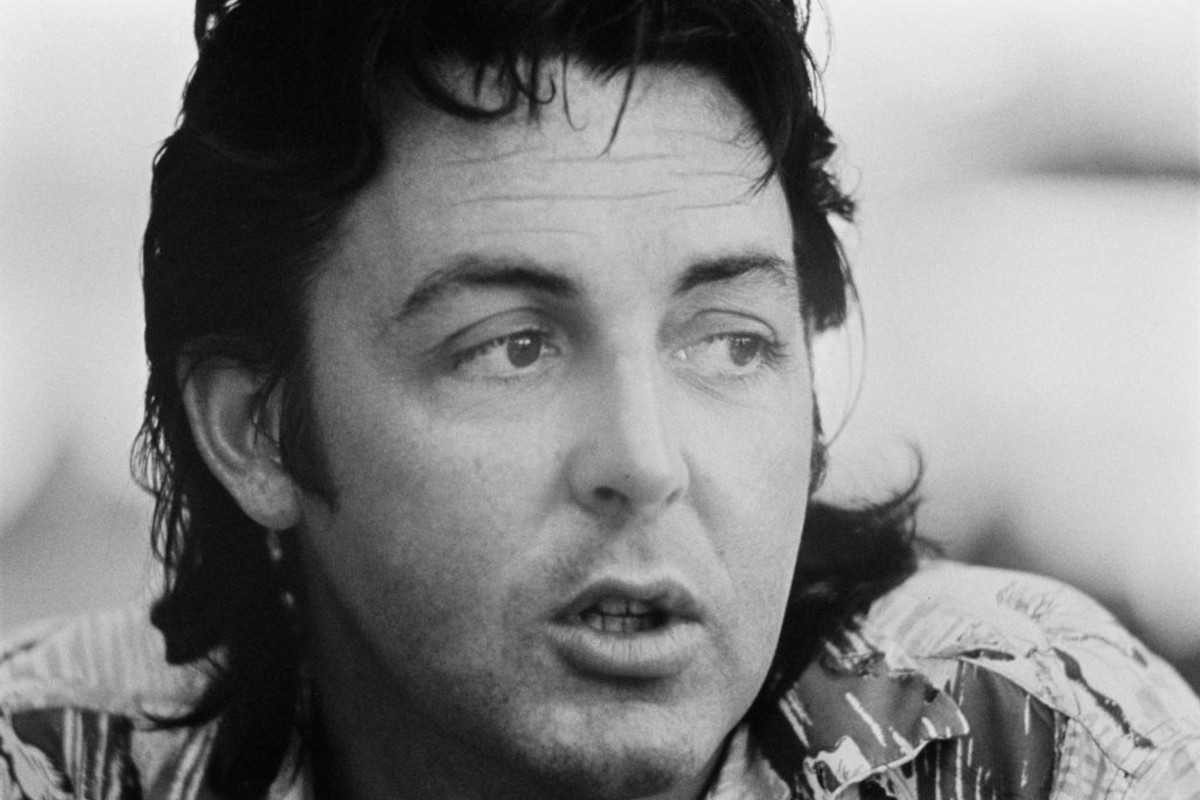
Recording began in earnest on 2 May, and it didn’t take long for the band to acclimatise, McCartney told Melody Maker in 1978, “The studio worked out incredibly well and the very first day we got a track down. There was a nice free feeling. We’d swim in the day and record at night… We didn’t have any problems with saltwater in the machines or sharks attacking us.
"At night, there was much merriment, leaping from top decks into uncharted waters and stuff. I had a couple too many one night and nearly broke something jumping from one boat to another.”
- Paul McCartney's new album is a trip down memory lane – our track-by-track guide unlocks the secrets
Still, not everything went strictly to plan. The sessions were forced to move to a lagoon called Waterlemon Cay after they realised they were technically in a national park and there were rules forbidding amplified music. Meanwhile, Denny Laine developed a keen interest in sailing and embarked upon a journey around the coves of one of the bays, which resulted in a case of severe sunburn and a trip to Caneel Bay for medical attention.
And the injuries didn’t end there – tour manager Alan Crowder slipped on a staircase and broke his heel, Geoff Emerick was electrocuted, and Jimmy McCulloch went temporarily deaf in one ear. According to photographer Henry Diltz, a nameless crew member lost his false teeth overboard. Despite the hijinks, eight songs that ended up on London Town were recorded before the end of May.
Nice work if you can get it.
10. Radiohead, OK Computer (1997)
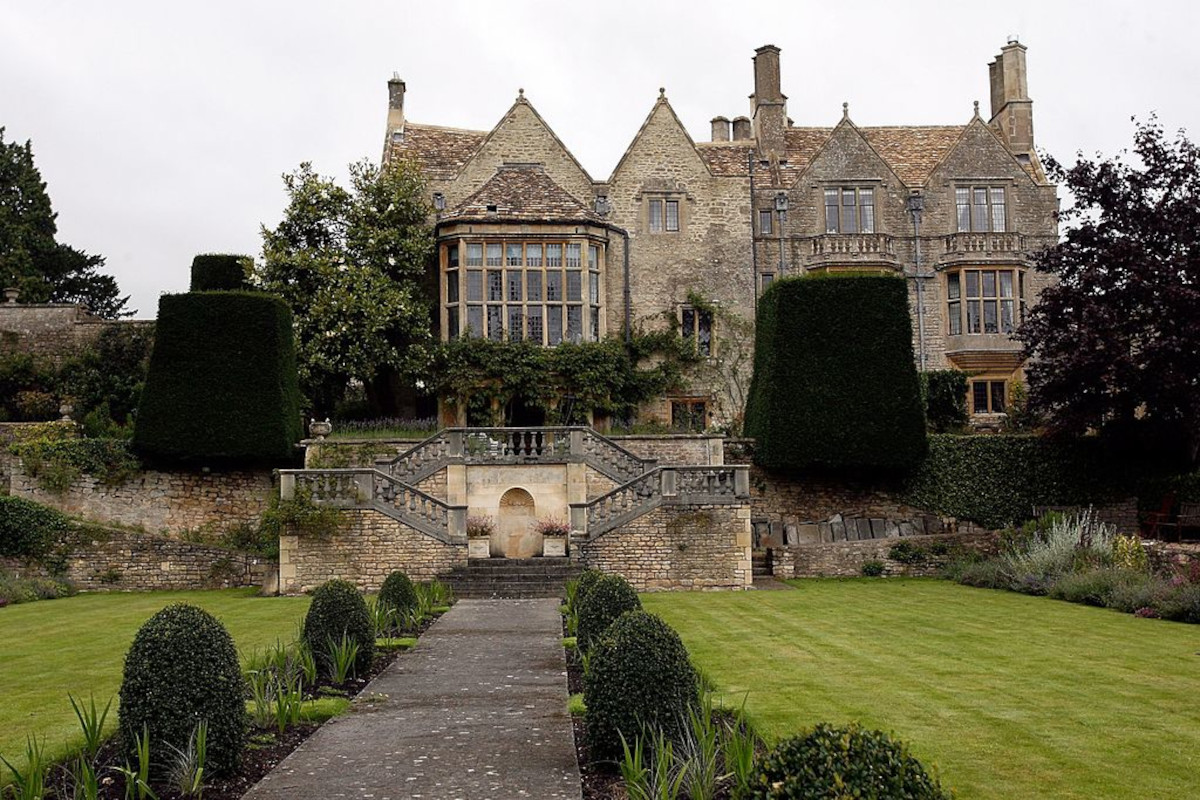
Presumably acoustics were not at the forefront of those responsible for building St Catherine’s Court, a nine-bedroom Elizabethan manor house, circa 950AD. But when the property, formerly a priory grange for the monks of Bath Abbey, was bought by the actress Jane Seymour in 1984, she was soon made aware of its potential as a recording space, in particular the enormous ballroom.
"It has four-second reverberation," Seymour told Rolling Stone in 2017. "When John Barry, the composer, was there, he said, 'Don’t furnish that room. You have no idea how precious it is as an empty space.'"
In 1996, Radiohead spent six weeks at St Catherine’s from September 1996 working on their third album, OK Computer, which they’d started at their own studio, Canned Applause, near Didcot, Oxfordshire.
During their stay, the eerie atmosphere of the property rubbed off on the band, as frontman Thom Yorke later told Rolling Stone, "Ghosts would talk to me while I was asleep. There was one point where I got up in the morning after a night of hearing voices and decided I had to cut my hair… I cut myself a few times. It got messy.
"I came downstairs and everyone was like, 'Uh, are you all right?' I was like, 'What’s wrong?' Phil [Selway, drummer] very gently took me downstairs and shaved it all off."
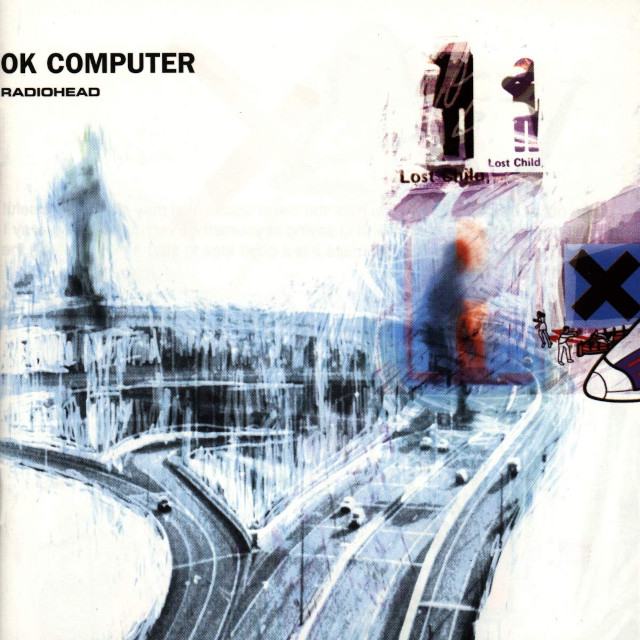
The band became convinced that the property was haunted and discovered that King Henry VIII’s illegitimate daughter Ethelreda Malte apparently died in one of the rooms. Guitarist Jonny Greenwood slept in the nursery "surrounded by creepy broken dolls and rocking horses", which surely made matters worse.
The atmosphere seeped into the recordings while the band made the most of the extraordinary acoustics – ‘Let Down’ was recorded in the ballroom at 3am, Yorke recorded the spine-tingling vocal of ‘Exit Music (For A Film)’ on a stone staircase. All of which makes you wonder why bands don’t record in terrifying mansion houses more.
9. Sigur Rós, ( ) (2002)
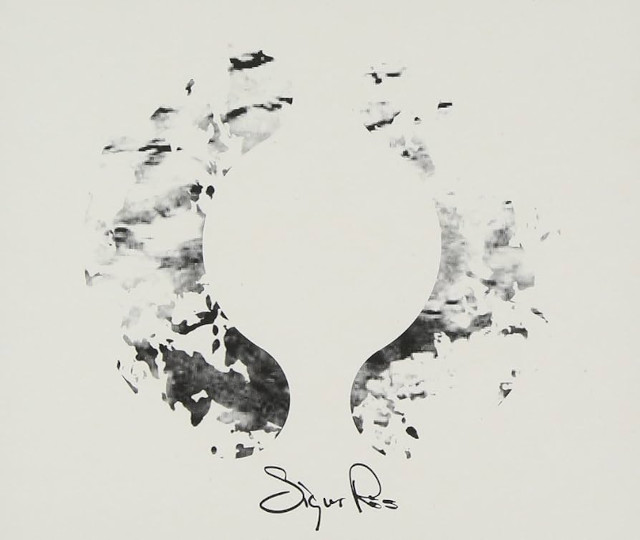
When Iceland’s premier symphonic post-rock band Sigur Rós decided to build a studio, it was every bit as unconventional as their music. Following the success of their 2000 album Agaetis Byrjun, the band set about converting a building that had once been a swimming pool, and later, an art gallery, in the small community of Mosfellsbaer, about 30 minutes from the Icelandic capital Reykjavik.
"It’s a really peaceful place." Singer Jonsi told Sound On Sound In 2002. "It didn’t take long to set up because we worked really hard. Maybe a couple of months.
"We got a friend who is a carpenter to build some walls for us. We also had to tear the roof off the house to get the mixer in. We brought it in with a really big crane – that was quite a lot of work."
The band recorded in the old pool, capturing a natural ambience that gave the album – and its successors a unique feel. The band have never confirmed whether they wear goggles while recording.
8. John Martyn, One World (1977)
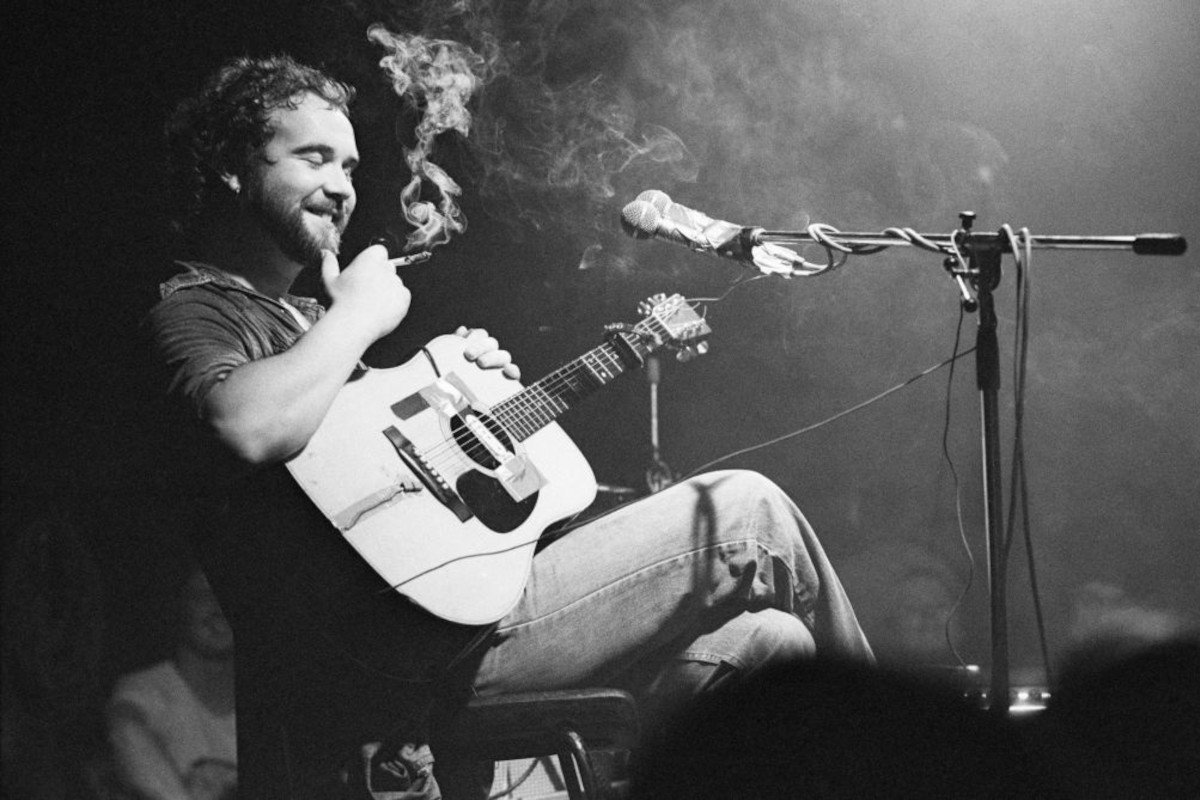
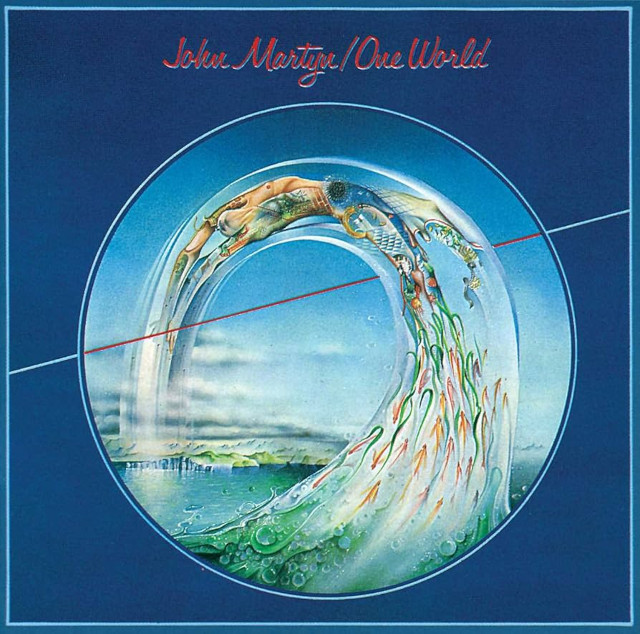
Not only was folk-jazz singer-songwriter John Martyn signed to Island Records, he also recorded one of his greatest albums on an island… well, almost. One World came to life at Woolwich Green Farm, a house perched on a peninsular, surrounded by a lake in Theale, Berkshire. The farmhouse belonged to label boss Chris Blackwell, who also produced the album, working with engineer Phill Brown.
Recording at Blackwell’s place meant that Martyn wasn’t presented with the temptations that a London studio might offer. "John has his wayward ways and likes disappearing off at certain opportunities," Brown recalled in the sleevenotes to the 2004 deluxe edition of the album, "There, he couldn’t do very much, he couldn’t escape!"
But when sessions began, the studio’s location also opened up possibilities in terms of capturing the ambience of the place. “The 10 days we spent at Chris’ recording it,” Brown recalls, “we were recording outdoors, pumping whatever John was playing through a PA system and across the lake and miking it up, because of that aspect, it rather made the thing magical."
This was most apparent on the exquisite closing track ‘Small Hours’, on which Martyn’s languid, echo-drenched guitar is underpinned by the ebbing and flowing of water, the honking and fluttering of a flock of geese and train sounds. "It was recorded at 3 am in the morning on the lake," Chris Blackwell said in the BBC documentary Johnny Too Bad.
"The main railway line from London to Bristol goes across the land, and there were all these geese on the lake, which you hear at night. John played these slow chords which hung there for ages."
7. Bruce Springsteen, Nebraska (1982)
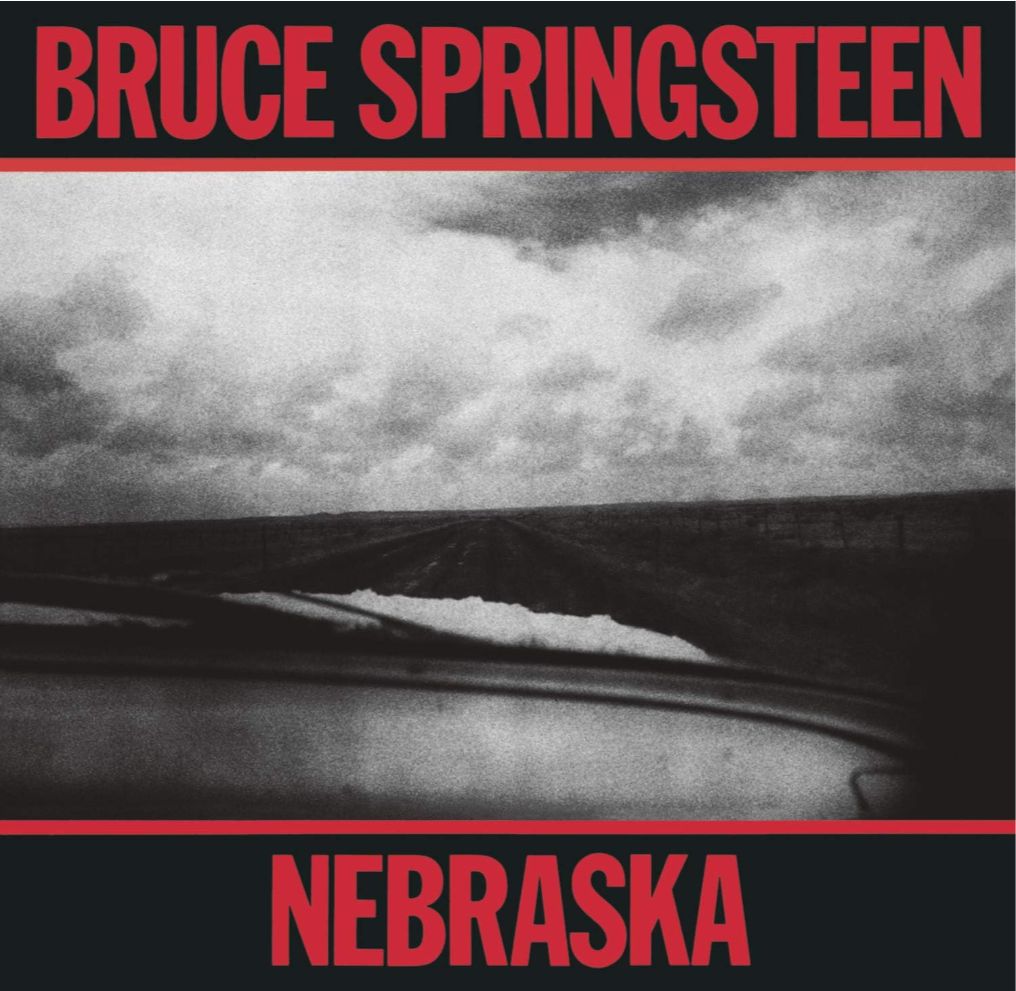
In September 1981, Springsteen came off a lengthy support of The River to find himself newly single, struggling with his new level of success, and living in a rented ranch house in Colts Neck, New Jersey, a 10-minute drive from his hometown of Freehold. Lonely and nostalgic, he spent his evenings driving around the streets of his childhood.
"I rolled through its streets, listening for the voices of my father, my mother, me as a child," he wrote in his 2016 memoir, Born To Run. He was also writing prolifically; stark and cinematic vignettes of desperate and self-destructive characters. Fed up of paying studio fees, Springsteen asked his guitar tech, Mike Batlan, for assistance in setting up a rudimentary home studio.
Batlan purchased a Teac Tascam 144 four-track portastudio, two Shure SM57 microphones and a couple of microphone stands. Over Christmas 1981, Springsteen recorded the songs that would form the basis of Nebraska, mixing through a Gibson Echoplex and onto cassette via an old water-damaged Panasonic boombox.
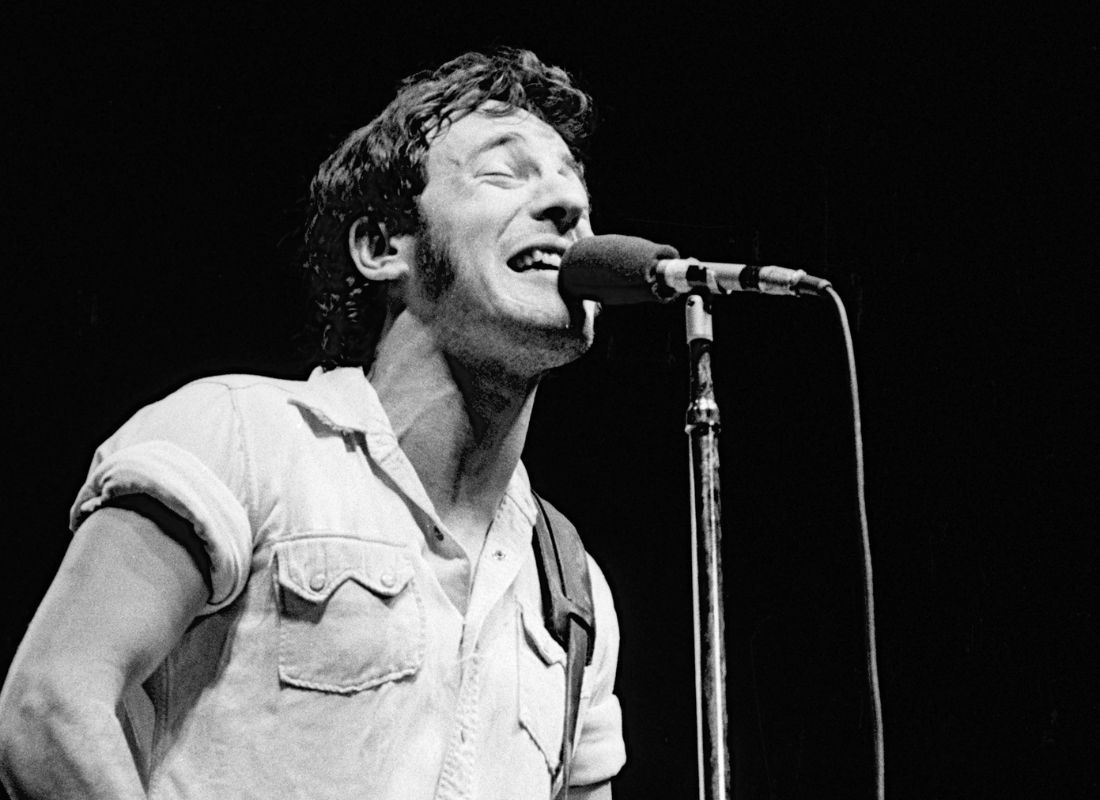
He sent the tape of demos to his manager, Jon Landau with a hand-scrawled note warning, "They might not hit you right away, or they may sound a little foreign." In April 1982, Springsteen entered the Power Station studio, New York, to record his new material with the E Street Band.
But after three weeks, he had a nagging suspicion that he couldn’t beat the lo-fi, spooked and raw feel of the cassette he’d been carrying around in his back pocket.
In a move that underlined his star status, Springsteen managed to convince Columbia Records to release the songs as he’d recording them in his bedroom. Two years later, Born In The USA made him a megastar, but Nebraska remains the album closest to his heart.
6. The Band, Stage Fright (1970)
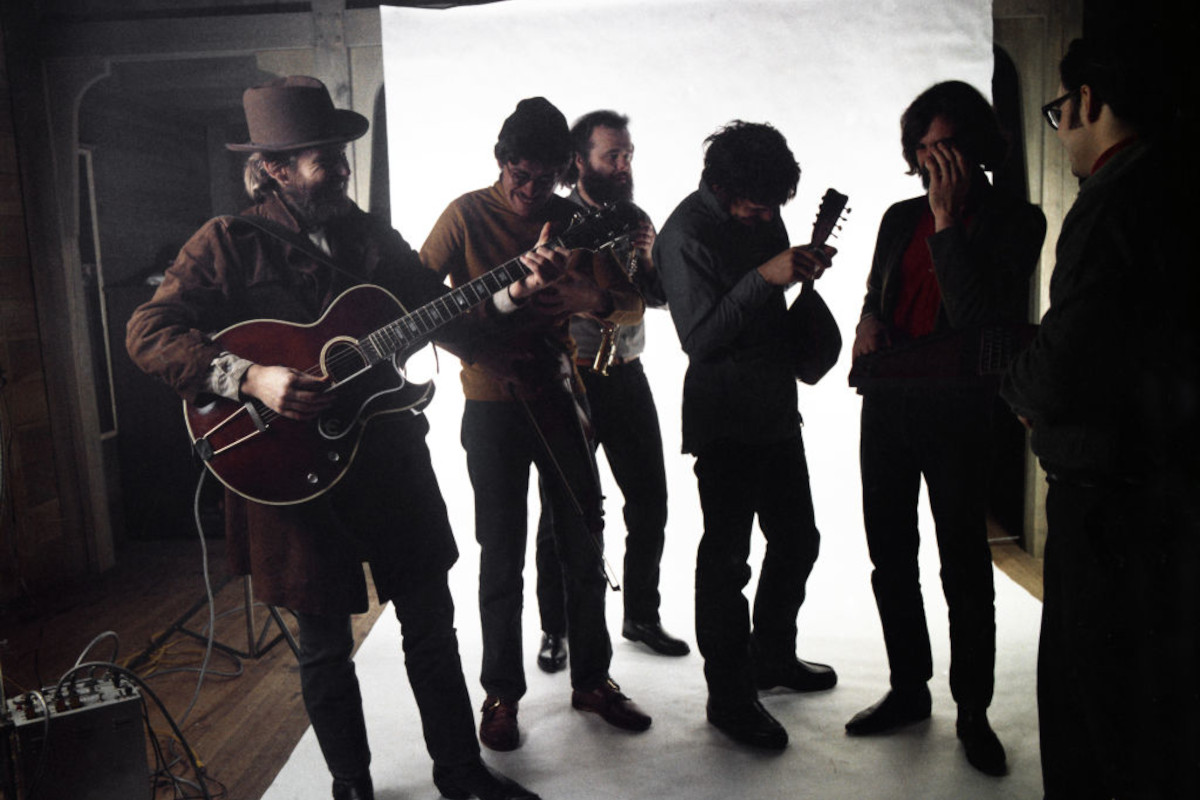
The Band were no strangers to unusual recording set-ups – as well as spending the summer of 1967 recording what became known as 'The Basement Tapes' with Bob Dylan, they’d recorded their masterpiece, 1969’s The Band in Sammy Davis Jr’s poolhouse.
But for their third album, they took things up a notch – or that was the plan. The group decided to record the album live in front of an audience at the 600-capacity Woodstock Playhouse.
"We were going to do it for the townsfolk in Woodstock because of the Woodstock Festival and the damage it had done to this quaint little art colony," The Band’s principal songwriter and guitarist Robbie Robertson later told Rolling Stone, "But they didn’t like the idea. They said, 'Oh, no — this is pouring gasoline on the fire.'"
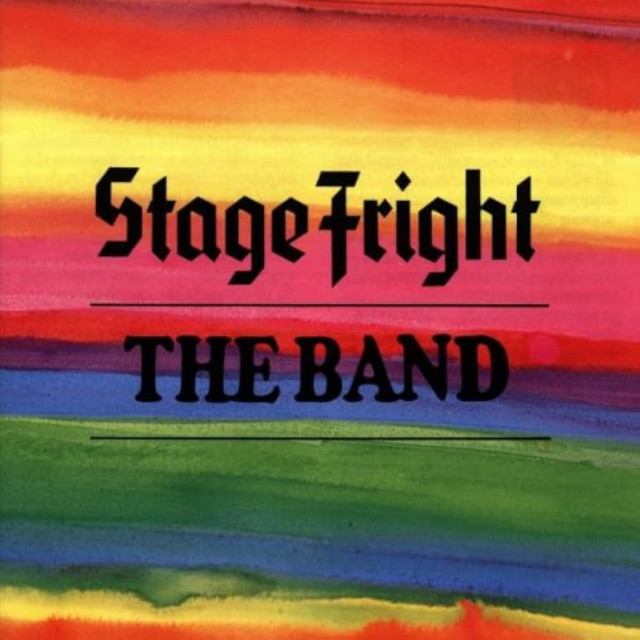
Despite the setback, they opted to proceed to use the Playhouse to record – after all, the album was to be named Stage Fright, after a Robertson song about his reaction to playing The Band’s debut gig, at Winterland, San Francisco in 1969, which was so extreme that he ended up using a hypnotist to make it on stage.
The sessions were plagued with problems though, from the unreliability of band members, most of whom were struggling with substance abuse problems, and the logistics of recording in the theatre.
Producer Todd Rundgren and the recording equipment were set up outside the theatre in a tent, which Rundgren told Rolling Stone made it "sweltering in the daytime and freezing at night." Drummer and singer Levon Helm later reflected, "It was a dark album, and an accurate reflection of our group’s psychic weather".
5. The Beach Boys, Holland (1973)
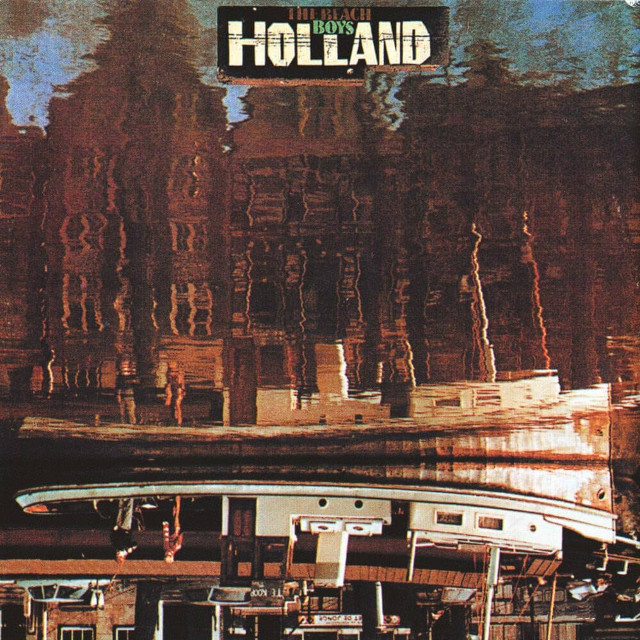
Despite being one of the most internationally successful bands of their time, The Beach Boys frequently made baffling decisions throughout a glorious and often chaotic career. One such story regards the recording of their 1973 album Holland. With the band becoming increasingly fractured and in need of a creative spark, they had the idea of relocating.
"I wanted to [shift our base] and so did Carl," then-manager Jack Reiley told Rolling Stone, "[the Netherlands] seemed like an interesting place. But most importantly, I felt that The Beach Boys had to do a record outside of California, to get away from that whole scene, find a new scene, and create in that new scene."
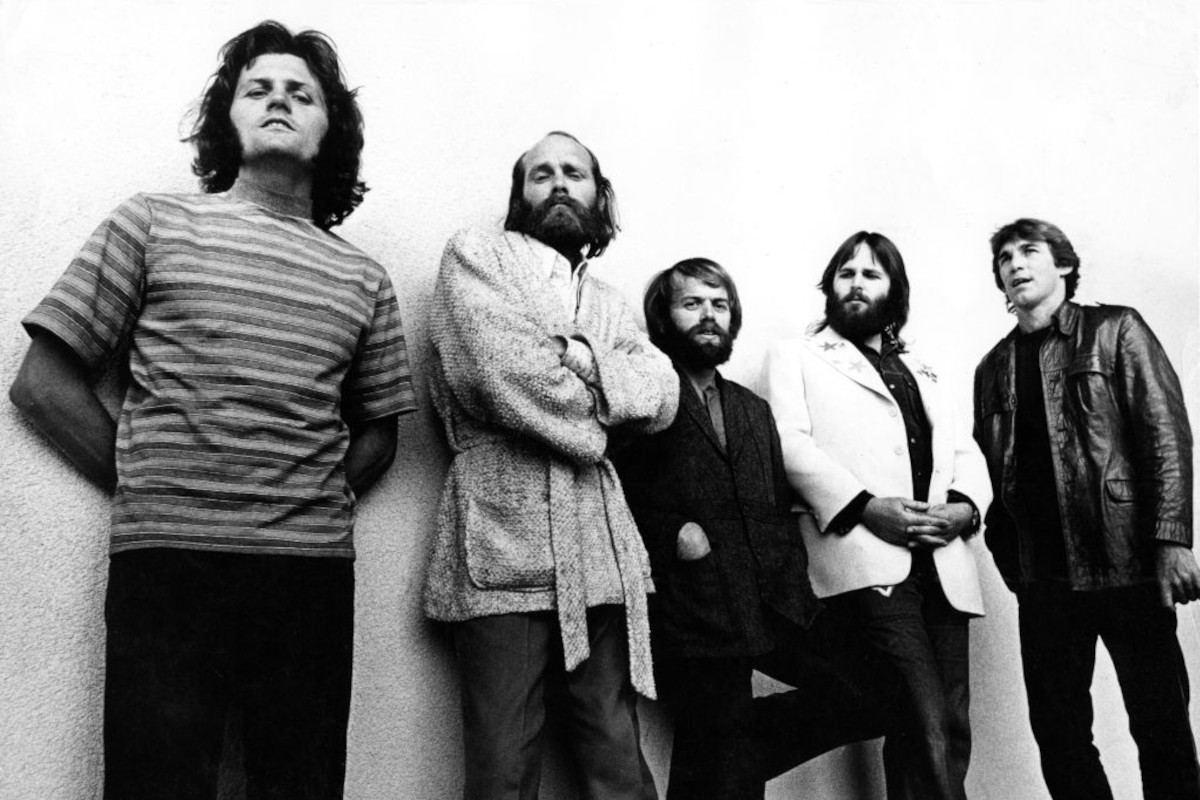
At this point, the band were more successful in Europe than the US and, following some positive experiences on tour they set up base in the Netherlands. But nobody thought to check ahead of arriving that the local studios would be available, meaning that engineer Steven Moffitt had to put together a recording set-up at short notice (which meant dismantling Brian Wilson’s home studio) and ship it to the Netherlands.
A barn in Baambrugge, 10 miles south of Amsterdam, was converted into studio but, when he arrived, it took about a month for Moffitt to get it running.
"It was rough being in Holland," Al Jardine told Rock Cellar, "We were working 24/7 in a small homemade rebuilt piecemeal little studio in a garage next to a cow pasture. We didn't even have the correct electricity, so that kind of affected the sound of our equipment. It was a mixed blessing."
Despite the insalubrious conditions, Holland turned out to be one of the band’s best albums of the 70s.
4. Gorillaz, The Fall (2010)
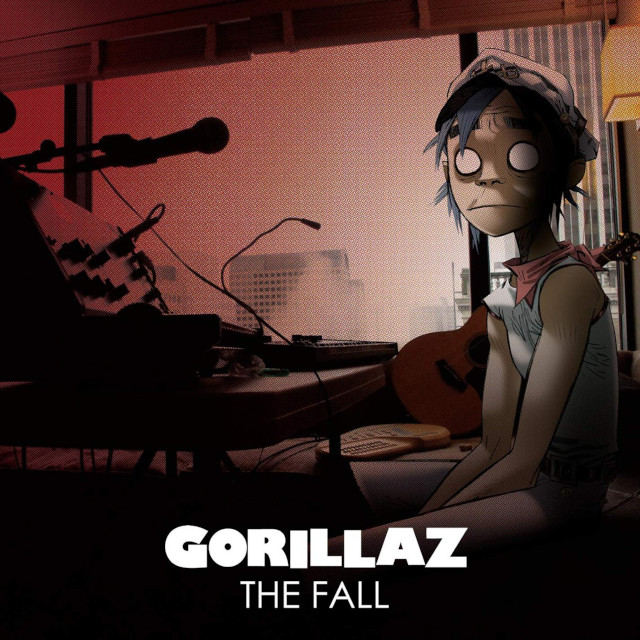
One of the benefits of being a virtual band is that you can record an album without even booking a physical space. Well sort of – Gorillaz’s fourth album, The Fall, was recorded by the group’s main creative force, Damon Albarn, on an iPad during the 2010 US tour to support Plastic Beach.
"I literally made it on the road," Albarn told The Guardian. "I didn't write it before, I didn’t prepare it. I just did it day by day as a kind of diary of my experience in America.
"If I left it until the New Year to release it then the cynics out there would say, 'Oh well, it’s been tampered with,' but if I put it out now they’d know that I haven't done anything because I’ve been on tour ever since."
The album’s release was also unconventional – a free download was made available to Gorillaz fan club members on Christmas Day 2010 before it was released officially the following April.
3. Johnny Cash, At Folsom Prison (1968)
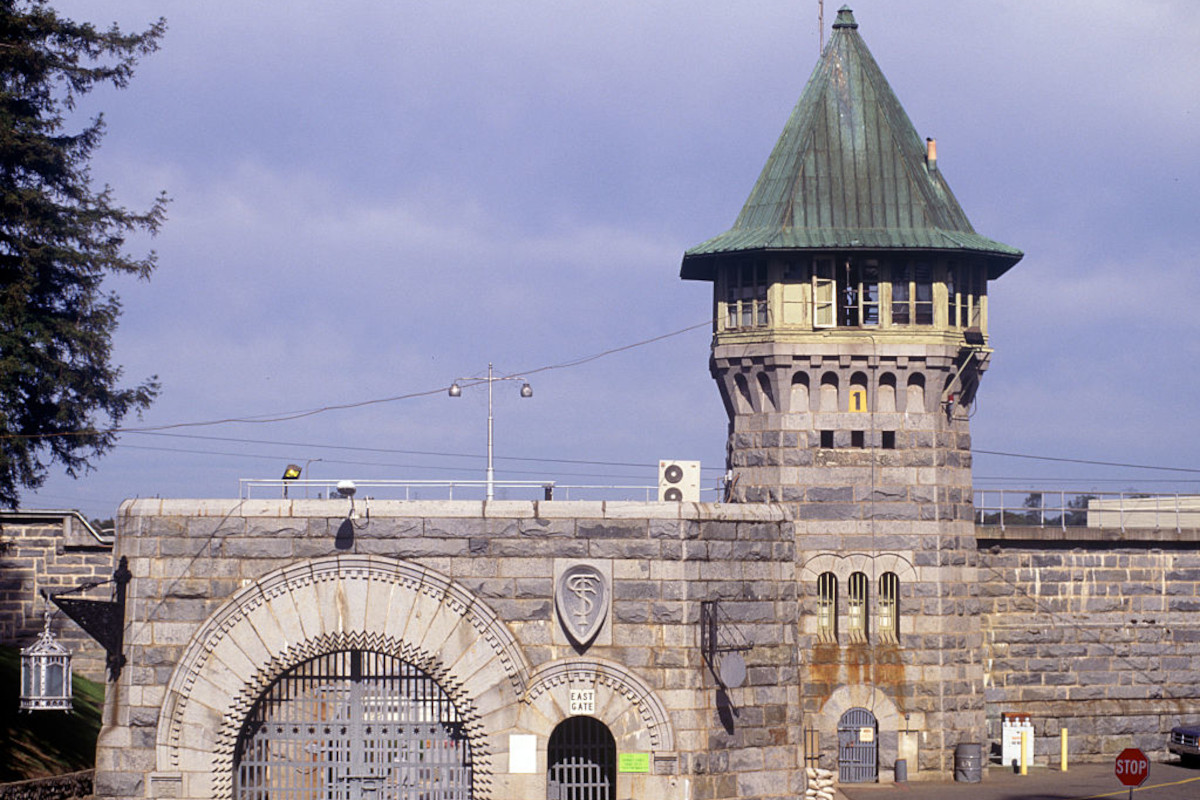
Johnny Cash first performed at a prison on New Year’s Day 1958, when he played San Quentin State Prison, California. Cash had always identified with prisoners as society’s outcasts – in 1955, he released the single ‘Folsom Prison Blues’ and had released several ‘prison songs’ since – but nothing prepared him for the reaction he received.
Speaking to NPR in 1997, Cash said the audience went, "far and above anything I had ever had in my life, the complete explosion of noise and reaction that they gave me with every song. What really surprised me was any kind of prison song, I could do no wrong."
From this point, Cash was fascinated by the idea of capturing that electric atmosphere on tape, but it wasn’t until a decade later that Columbia agreed to his idea. At this point, Cash’s career was on the rocks after years of drug abuse and he was badly in need of a hit.
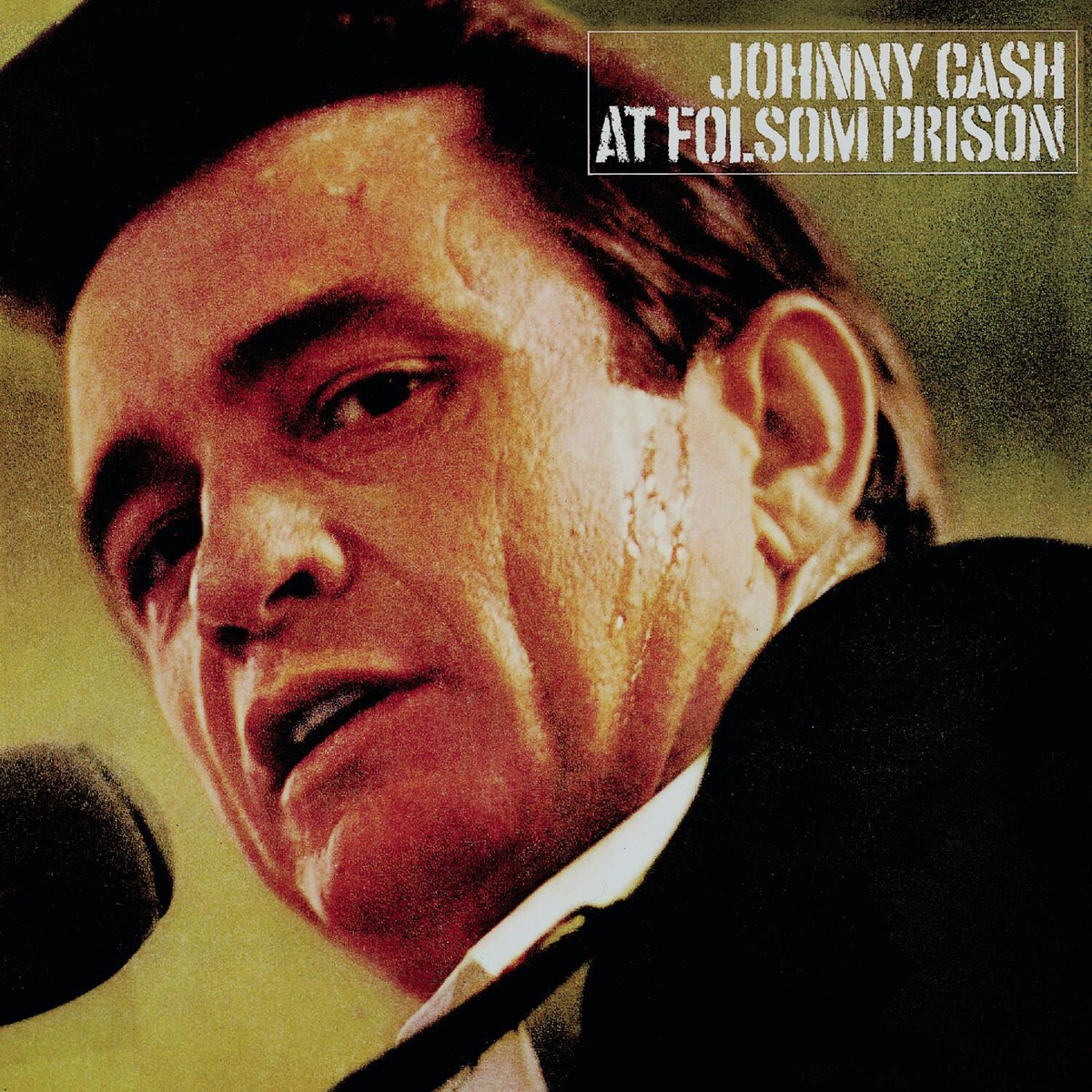
On 13 January 1968, he recorded two sets at Folsom, resulting in the powerful live album – the first to be recorded in a prison – At Folsom Prison, released that April. The album was a huge hit, revitalising Cash’s career and inspiring the 1969 follow-up At San Quentin, another massive seller.
2. Nine Inch Nails, The Downward Spiral (1994)
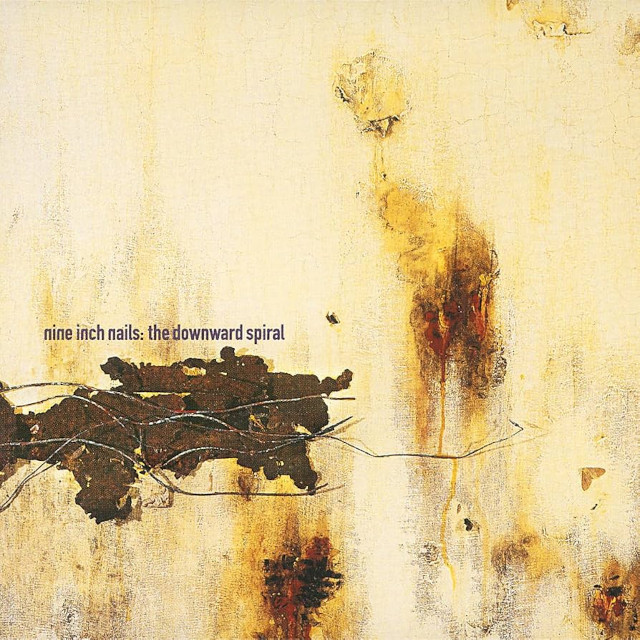
When it came to making Nine Inch Nails’ second album, Trent Reznor was unafraid to explore the darkest elements of humanity. "The record was exploring a narrative about someone who systematically examines every aspect of their life and then destroys it on a path to trying to find some other solution," Reznor told Uncut in 2005.
"I’d started with that theme and fitted songs into the storyline, dealing with religion and sex and drugs and the record ended with some sort of conclusion that could have been suicide, but certainly wasn’t a positive place."
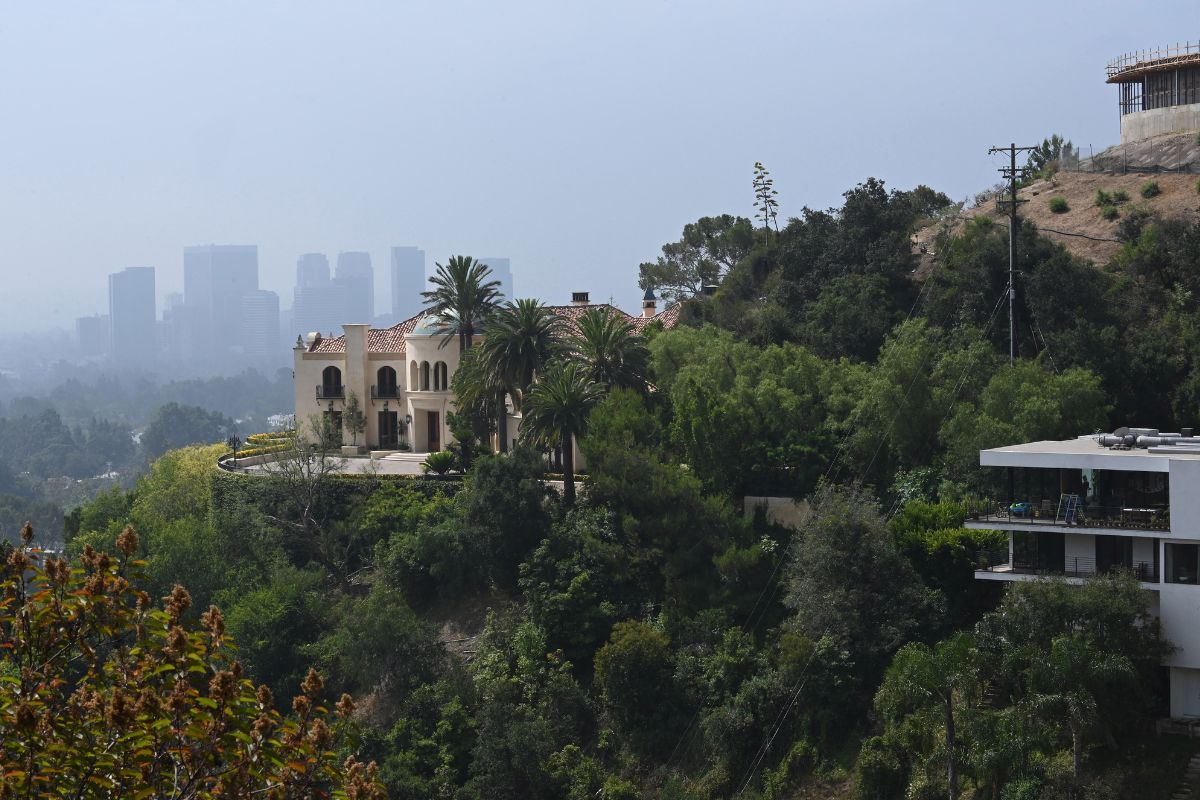
Reznor couldn’t have picked a more chilling place to record the album – the songwriter had recently moved into 10050 Cielo Drive, Benedict Canyon, Los Angeles, a property that he was initially unaware had been the site of the Tate-LaBianca murders committed by members of the Manson family cult in August 1969.
"Trent and I were working at South Beach Studios in Miami when he got the contract for renting the house and it came with a legal notification about what had happened there," Sean Beavan, who engineered the album told Sound On Sound. "Until then, he had no idea it was the site of the Tate murders – he just thought it was a great place to install a studio – and so we were blown away when we learned the truth."
Undeterred – encouraged even – Reznor set up a studio in the house called Le Pig (after the words that had been scrawled on the door in victim Sharon Tate’s blood) and recorded his visceral masterpiece. After the album had been released, a chance encounter with Tate’s sister led to Reznor changing his stance on the situation and moving out.
"I guess it never really struck me before, but it did then," said Reznor. "She lost her sister from a senseless, ignorant situation that I don't want to support."
1. Bon Iver, For Emma, Forever Ago (2007)
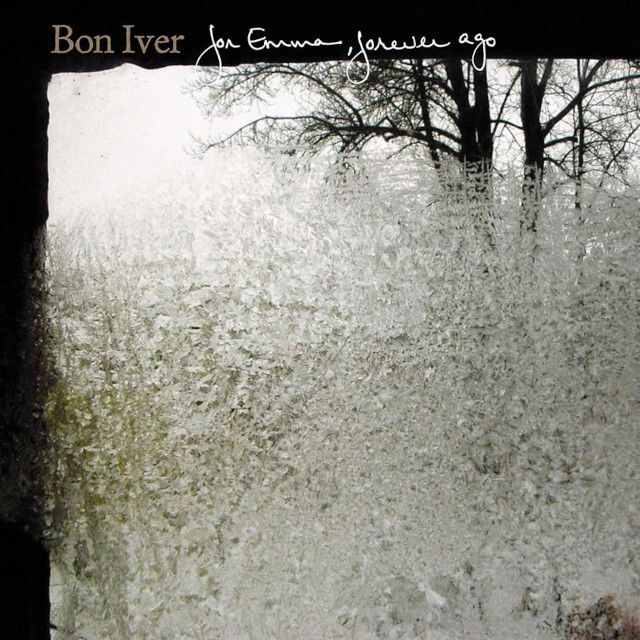
Break-ups hit everybody differently. In winter 2006, songwriter Justin Vernon dealt with the fall-out of a relationship by getting away from it all in his father’s hunting cabin in Wisconsin. Over three months with little entertainment save for a DVD box set of Northern Exposure, Vernon crafted a set of songs steeped in heartbreak that would prove to be his breakthrough, For Emma, Forever Ago.
Since then, his sound has become more widescreen and he’s guested on tracks by artists including Taylor Swift, James Black and Travis Scott, but his success has its roots in the strange magic that came from recording in his dad’s cabin that harsh winter.
"I don’t recall a lot of very concrete memories of it, because I think I was a little bit out of my head, a bit," Vernon told Pop Matters in 2008, "When I was done, I had a group of nine songs. I didn’t know exactly what they were, but things grew from there."
Pics Getty Images / Album Sleeves Amazon. Top image Portrait of Beach Boys drummer Dennis Wilson in Amsterdam, Netherlands, 1971


