
There comes a time in the life of most rock stars when the idea of a spin-off band becomes irresistible.
Perhaps they’re a frontman who fancies some time out of the spotlight or maybe they feel as if their songwriting genius in underappreciated while sat behind the drumkit. Sometimes, these projects yield greatness, but often – as we shall see – they fall flat.
Here are 13 rock spin-offs that prove great musicians don't always make great bands.
13. Mike and The Mechanics
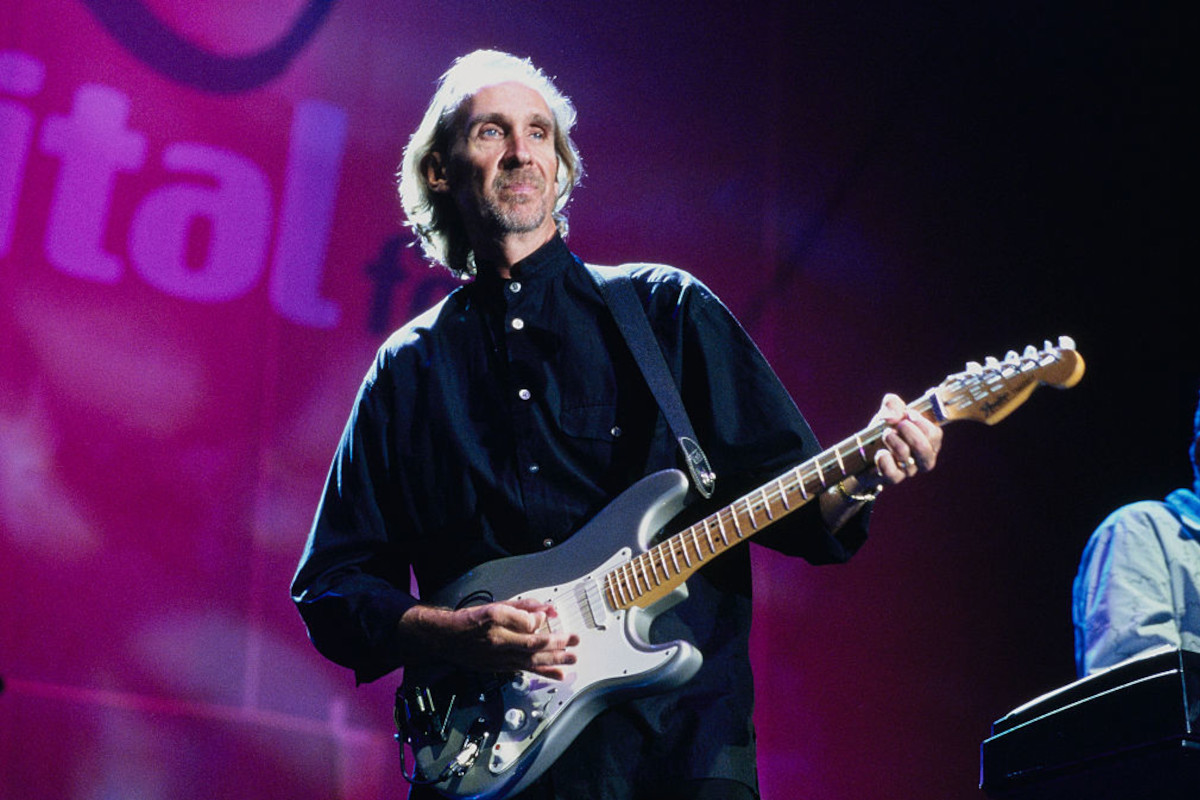
As a founding member of Genesis, guitarist and bassist Mike Rutherford was responsible for some of the most brilliantly out-there prog of the ’70s. As the main man behind Mike and The Mechanics, Rutherford was behind slick, inoffensive hits seemingly designed for drive-time CD compilations sold at service stations to dads who’d only stopped off for some extra strong mints.
The likes of ‘Over My Shoulder’ and ‘The Living Years’ were smouldering, polished-to-within-an-inch-of-their-lives AOR anthems that radio couldn’t get enough of, but despite huge sales and the vocal talents of Paul Young and Paul Carrack, Rutherford’s side-project pales in comparison to his day job. And, as far as we know, none of them were actually mechanics, what a rip-off.
12. Echobrain
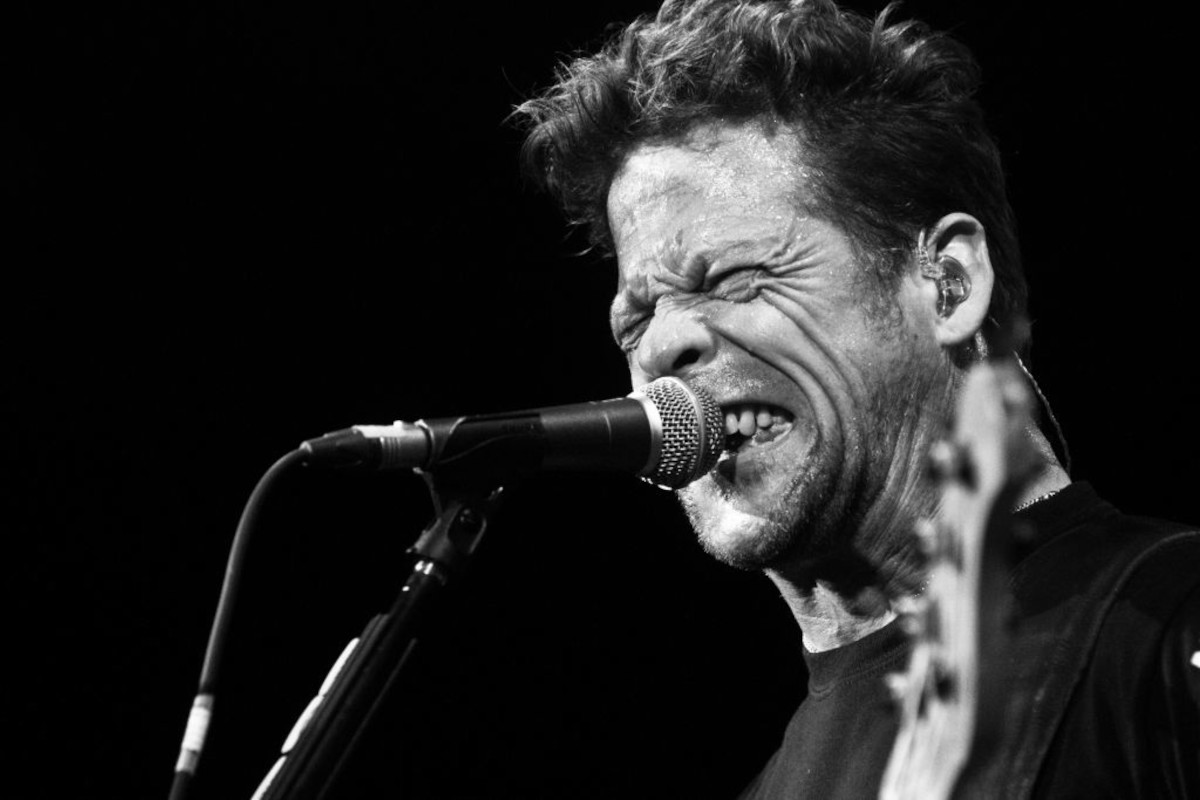
Back in the early 2000s, Metallica bassist Jason Newsted was feeling burnt out by life in the planet’s biggest metal band and struggling with addiction.
In January 2001, he left the band for reasons he explained in a 2026 interview on the Let There Be Talk podcast, "I was a horrible addict. I was way up against myself and if I didn’t get some kind of help, I was going to die. And so, I just said, 'You guys, can I have a minute? Please give me a minute.' And they said, 'No.'"
The previous year, Newsted had formed Echobrain with drummer Brian Sagrafena and singer and guitarist Dylan Donkin. Echobrain had allegedly caused some discontent in the Metallica camp, with frontman James Hetfield venting during an interview with Playboy, "Where would it end? Does he start touring with it? Does he sell shirts? Is it his band?"
Once he left the band, Newsted was free to focus on Echobrain but fans expecting a side-project with the intense heaviness of Metallica were disappointed by the band’s 2002 self-titled album, a flat grunge/alt.rock set that sounded dated on release.
11. The Firm
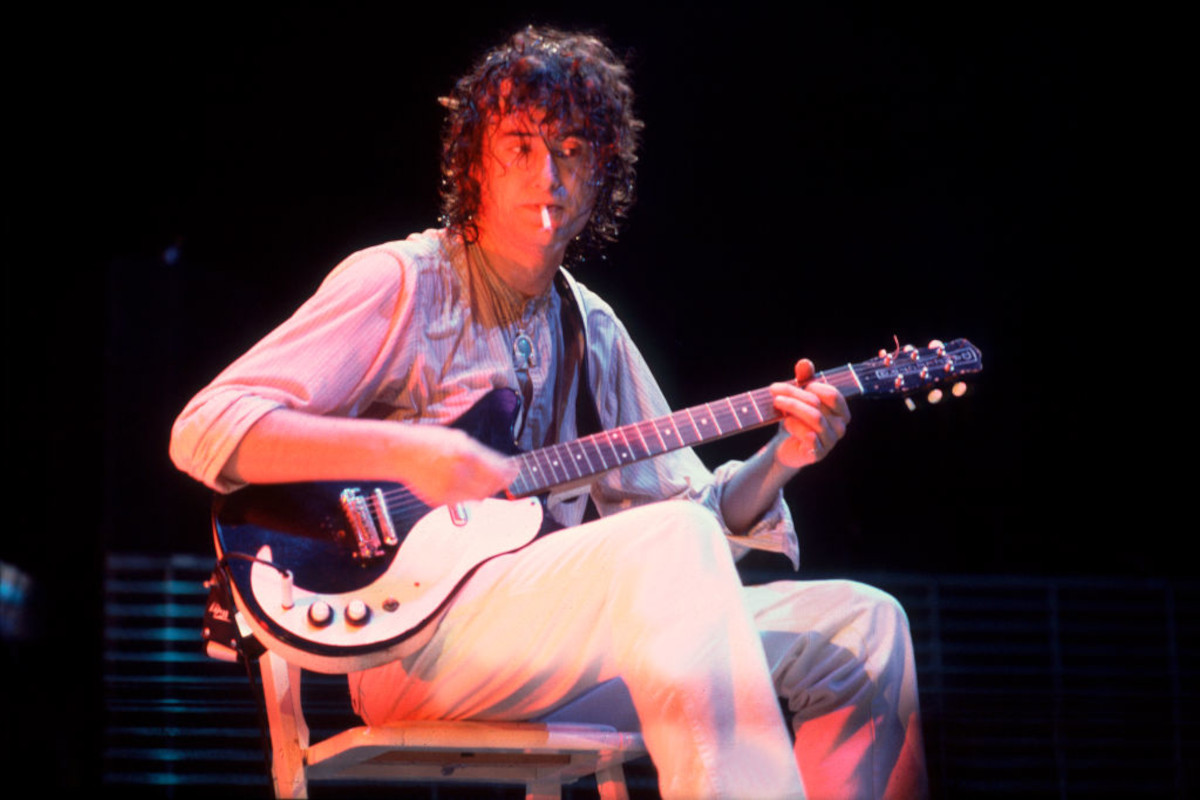
What to do after being the guitarist in the biggest rock phenomenon in the ’70s? Former Led Zeppelin riffmonger Jimmy Page made guest appearances with the likes of Jeff Beck and Roy Harper, flirted with the idea of a supergroup with former Yes members Chris Squire and Alan White (to be called XYZ, a reference to ex-Yes/Zeppelin) and recorded a couple of soundtracks.
But Page’s first major post-Led Zep project was The Firm, with singer Paul Rodgers (Free, Bad Company), drummer Chris Slade (Manfred Mann’s Earth Band) and session bassist Tony Franklin. The group’s two albums – The Firm (1985) and Mean Business (1986) – were fine enough if your thing is over-produced, vapid ’80s rock but neither had any of the magic of Page and Rodgers’ previous acts and The Firm soon fizzled out.
10. Chickenfoot
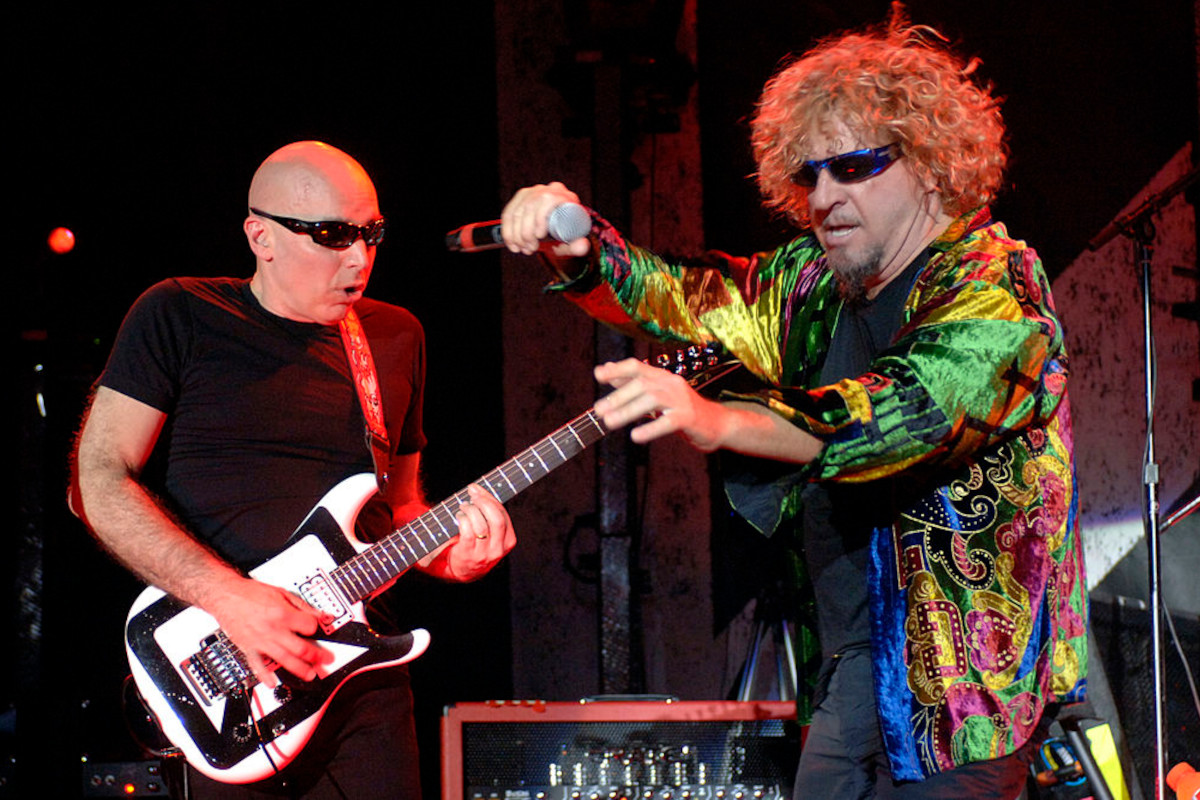
Another rock supergroup that added up to less than the sum of its parts, Chickenfoot comprised of singer Sammy Hagar (Van Halen), bassist Michael Anthony (also Van Halen), Chad Smith (Red Hot Chili Peppers) and virtuoso guitarist Joe Satriani.
Debut single ‘Oh Yeah’ might’ve been a bona fide hit, reaching No 21 on the US Billboard chart, but its blustery blues rock and insipid lyrics – sample line, “Oh, yeah, c’mon baby tell me what you want/ Oh yeah, c’mon baby tell me what you need” – suggested that little thought had gone into the songs.
Their self-titled debut and second album Chickenfoot III (wacky joke guys!) offered more of the same and the band have laid dormant for over 15 years.
9. Foo Fighters
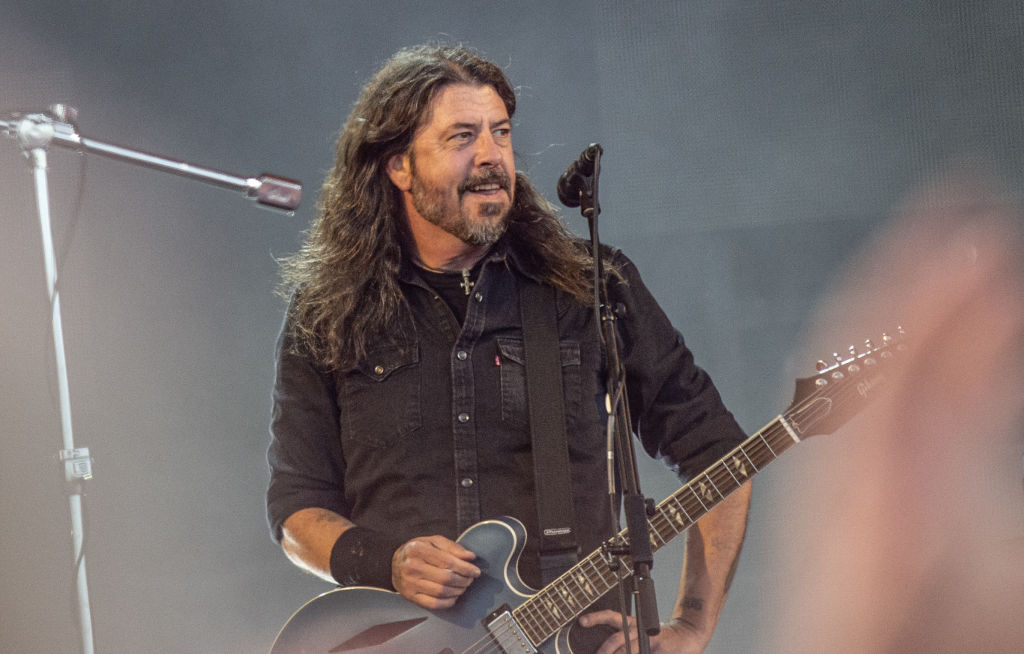
Yes, yes, we know the first couple of Foo Fighters albums are actually pretty decent, melodic grunge rock, but somewhere in the mid-2000s Dave Grohl’s post-Nirvana band lost their edge. As their albums became more forgettable, they became a bona fide stadium band, seemingly fuelled as much by Grohl’s image as ‘The nicest guy in rock’ as anything else.
- Lone wolf: rock's 12 greatest one-man bands (number 9 is a haunting tale)
- These 15 rock stars achieved massive success in TWO bands (and no. 14 did way better than that)
At this point, Grohl embarked on a quest to appear as a talking head in every rock documentary of the next few decades, somehow becoming more ubiquitous than Bono. It was all a long way from In Utero.
8. The Cross
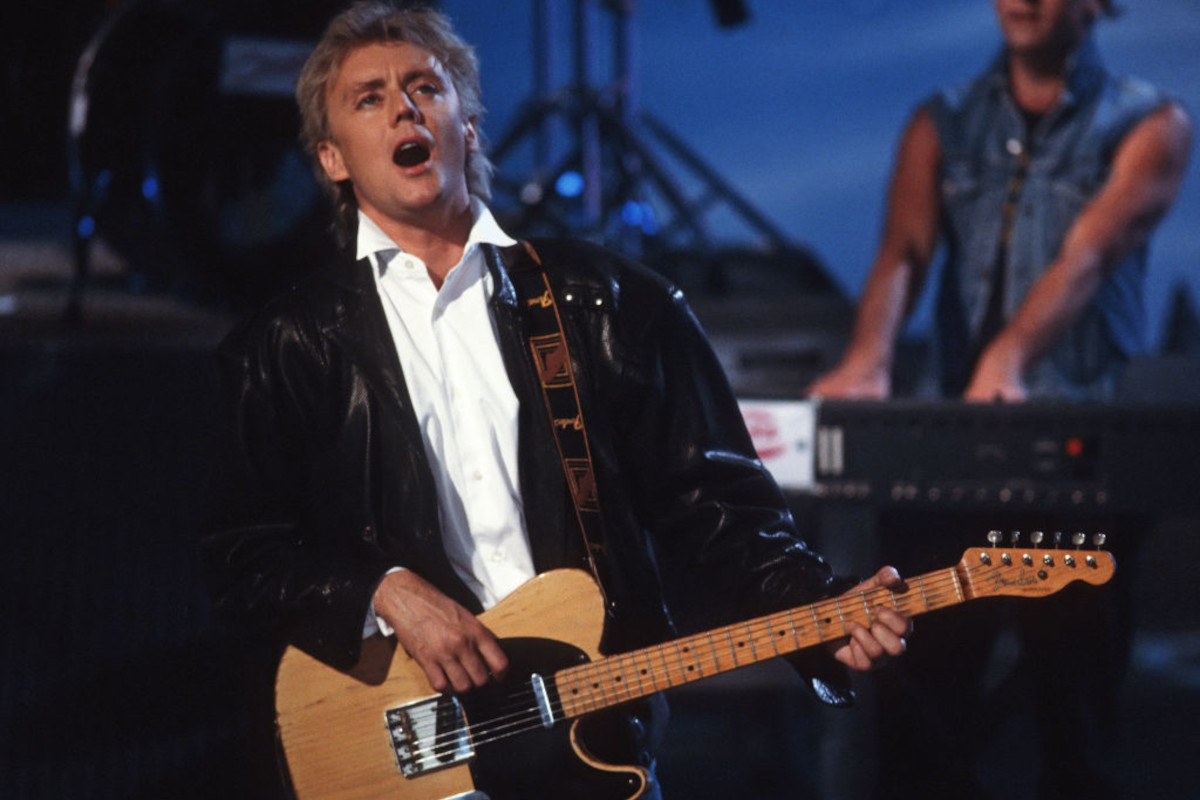
Following Queen’s 1986 stadium tour, drummer Roger Taylor had written and recorded a bunch of new songs and was keen to get back out on the road. In mid-1987 he placed ads in the music press and recruited a new band of previously unknown players, along with Queen’s tour keyboardist Spike Edney, and named them The Cross.
Taylor had already recorded the majority of his new material solo, with a little help from his Queen pals, but was joined in the studio by his new bandmates to finish The Cross’ debut album, titled Shove It and released in April 1988.
The album’s opener, and title track, gets off to a terrible start with an inexplicably furious-sounding Taylor rapping about things the ills of society (“If you ain’t got money, they treat ya funny”) and – aside from the anthemic ‘Heaven For Everyone’, which features Queen pal Freddie Mercury on lead vocals – doesn’t get any better.
7. Velvet Revolver

The cover of Velvet Revolver’s debut album, 2004’s Contraband, says it all – a silhouette of US actress Rena Riffel in heeled boots and seemingly little else, save for a holster, reaching for her gun. Whether intentionally or not, this was music made for hormone-crazed 15-year-old boys – all swaggering riffs, macho posturing and gonzoid lyrics.
Which is all well and good when you’re a thrusting young rocker, but Velvet Revolver – a grunge-rock supergroup featuring Scott Weiland of Stone Temple Pilots and Slash, Duff McKagan and Matt Sorum of Guns N’ Roses among its number – were all pushing 40. The hype ensured that Contraband was a huge success, selling over two million in the US alone, but decades on it’s an underwhelming listen.
6. The Seahorses
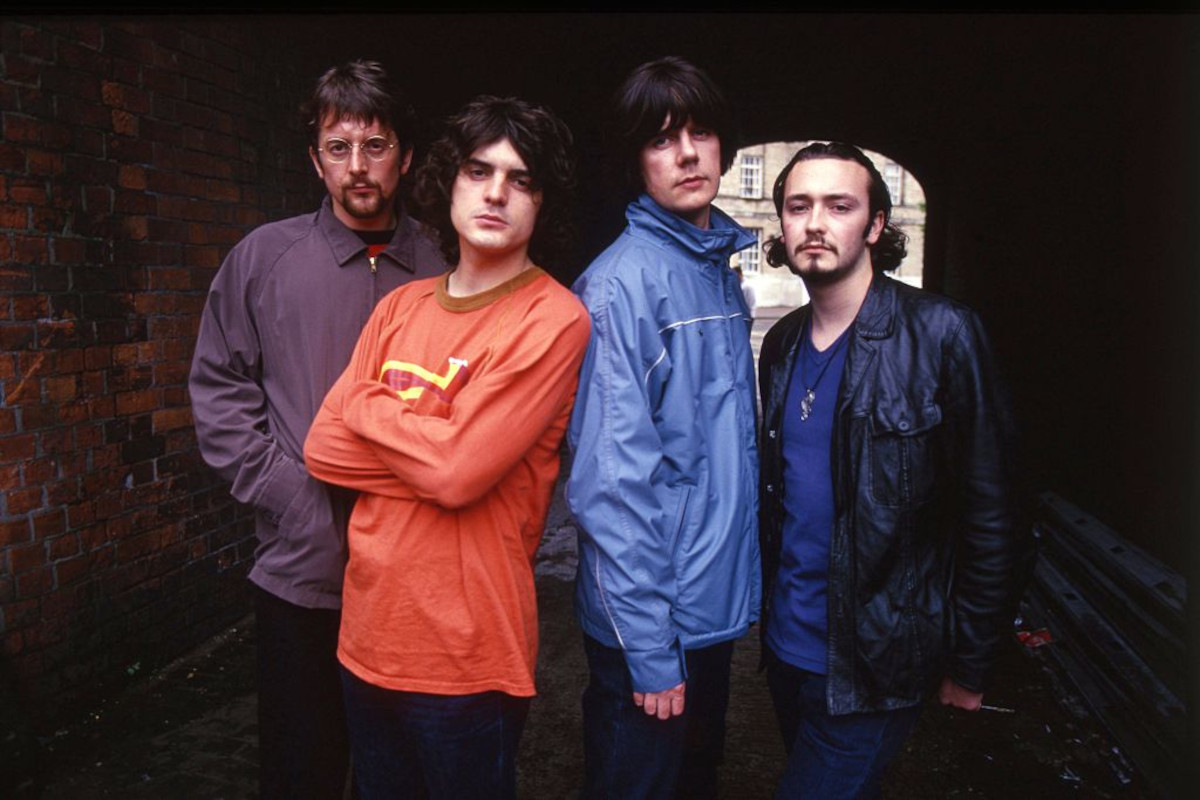
‘Stone Roses? Who?’ screamed music monthly Select on the cover of their May 1997 issue. The hyperbolic headline was announcing a world-exclusive interview with Roses guitarist John Squire’s new band, The Seahorses.
The hype continued in the interview itself, with Squire named "the Last Great Guitar Hero", The Seahorses’ debut album, Do It Yourself, prematurely named "one of the albums of the year" and readers asked whether they were "Ready for the third coming?"
Debut single, ‘Love Is The Law’, was a huge hit, reaching No 3 in the UK, but plodded where the Roses once soared and shimmied. Squire’s undeniably impressive, if a little fussy, fretwork wasn’t enough to lift the band’s next single, the lumpen ballad ‘Blinded By The Sun’ and the rest of the album was soon forgotten, despite strong initial sales.
Sessions for a follow-up petered out and The Seahorses came to an underwhelming end less than two years after being proclaimed the future of music.
5. Creedence Clearwater Revisited
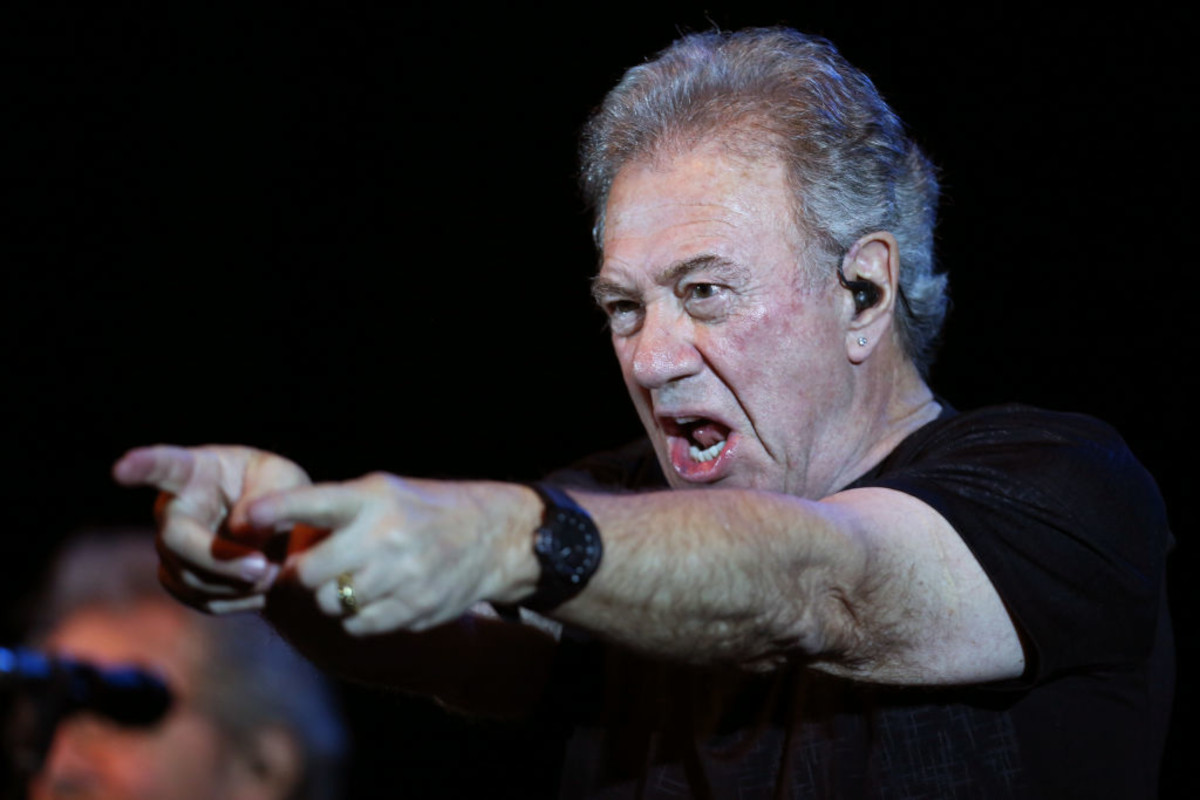
After four years of dizzying success, US rock greats Creedence Clearwater Revival split acrimoniously in 1972. Frontman and songwriter John Fogerty went on to become entangled in lawsuits with the band’s record label over the following decades, with the fallout adding to bad blood between him and his former bandmates.
When CCR were inducted into the Rock And Roll Hall Of Fame in 1993, Fogerty refused to join the band’s remaining members, bassist Stu Cook and drummer Doug ‘Cosmo’ Clifford. "You have to understand, we had an agreement when we were in the band that nothing would ever happen concerning Creedence, unless we all four agreed, it took unanimous consent. It was honourable," said Fogerty.
Unsurprisingly, Fogerty was furious when, in 1995, Cook and Clifford formed a new group called Creedence Clearwater Revisited and began touring the world playing the old hits without the man who wrote them. They’re still going – and Fogerty has yet to accept their invitation to join them.
4. The Power Station

After the release of their third album, 1983’s Seven And The Ragged Tiger, pop princes Duran Duran took a planned hiatus, a period which saw them break into two spin-off groups.
Singer Simon Le Bon, keyboardist Nick Rhodes and drummer Roger Taylor formed the arty Arcadia – their debut single ‘Election Day’ had a nine-minute video inspired by Jean Cocteau’s La Belle Et La Bête.
Meanwhile, bassist John Taylor and guitarist Andy Taylor joined forces with former Chic drummer Tony Thompson and vocalist Robert Palmer for the bombastic rock-funk of The Power Station. While neither band came close to matching the impact of Duran Duran, it’s fair to say Arcadia have aged better.
The Power Station’s debut album was a lavish affair – the credits inform us it was "conceived, written and recorded in Paris, Nassau, London and various bars around the world" – and sessions were derailed by the band members’ predilection for hard living. "I’d never seen so many drugs in my life," John Taylor later said, "the access to cocaine was unlimited."
Unsurprisingly, everything sounded as BIG as their hair, shoulder pads and drug habits, which sort of works on the clattering debut single ‘Some Like It Hot', but sounds bizarre on covers such as The Isley Brothers’ ‘Harvest For The World’ and T.Rex’s ‘Get It On’. Eventually, the party ended and in 1986 Duran Duran reconvened as a three-piece of Le Bon, Rhodes and John Taylor.
3. Tin Machine
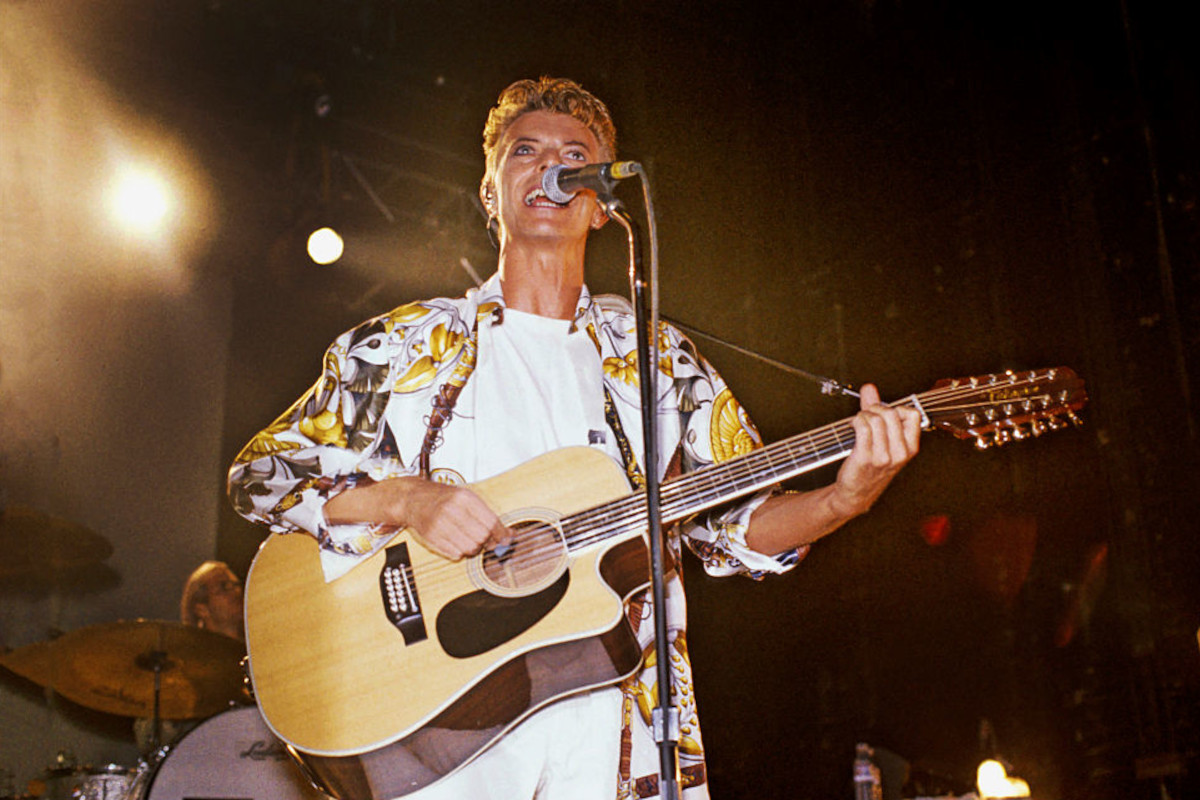
In recent years there has been an effort to reappraise Tin Machine, the band David Bowie put together in 1988 along with his long-time guitarist Reeve Gabrels and the Sales brothers, Tony (bass) and Hunt (drums). But while Tin Machine’s two albums did show an improvement on Bowie’s woeful Tonight (1984) and Never Let Me Down (1987), Bowie’s attempt to jumpstart his flagging engine doesn’t come near reaching the heights of most of his solo catalogue.
In Tin Machine, Bowie insisted that he was just one of the boys in the band, which must have been a welcome bit of fun for him but resulted in a lack of focus, generic and predictable heavy rock and tossed-off lyrics.
2. Hollywood Vampires
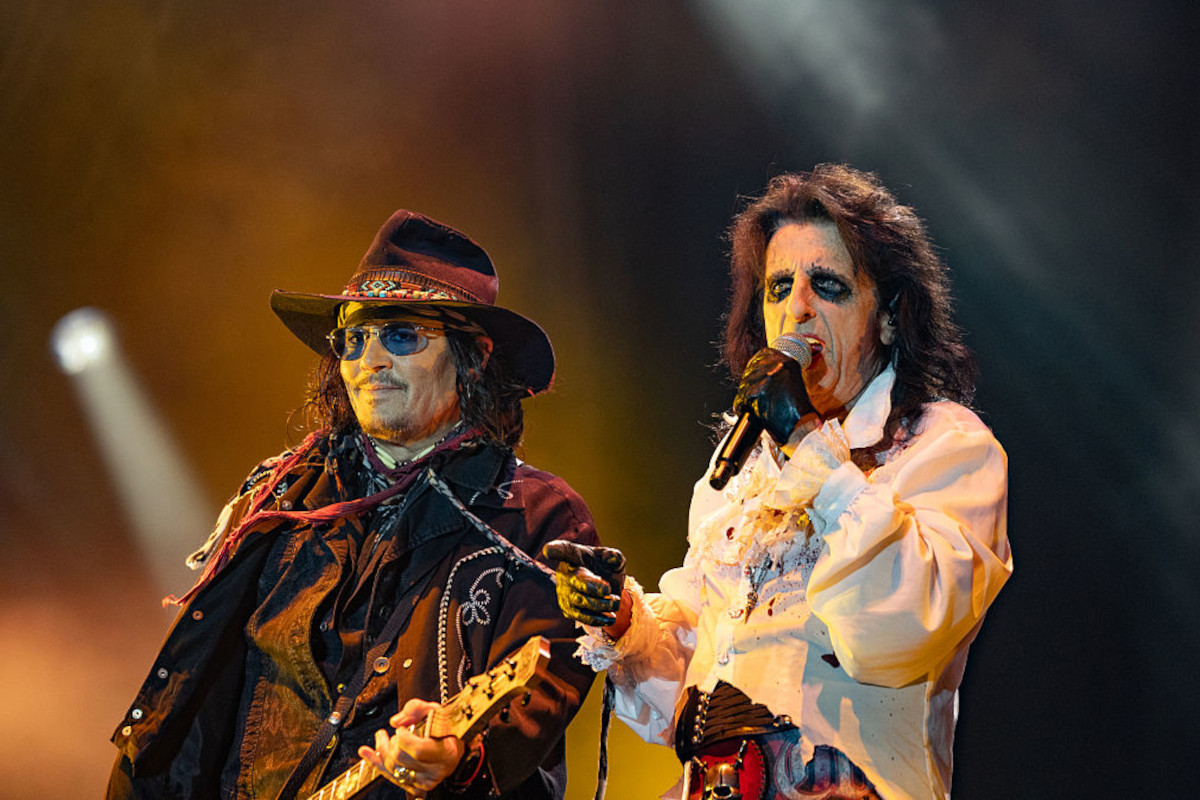
Alice Cooper and Joe Perry of Aerosmith’s place in rock history is assured, but teaming up with wannabe rock star Johnny Depp to form the cringe-inducing Hollywood Vampires in 2012 took a little of the sheen off their brilliant careers.
Taking their name from the celebrity drinking club formed by Cooper in the ’70s – which counted John Lennon, Keith Moon, Harry Nilsson and Ringo Starr among its members – Hollywood Vampires are a Hard Rock Café version of rock music from men (and they are all men) who are old enough to know better.
They dress like pirates, play cheesy covers and generally indulge in Keith Richards/Lemmy cosplay, yet the lure of the Vampires has attracted special guests including Paul McCartney, Duff McKagan of Guns N’ Roses and Jeff Beck. Incredibly, they’re still touring arenas – let’s hope they’re exposed to sunlight soon.
1. SuperHeavy
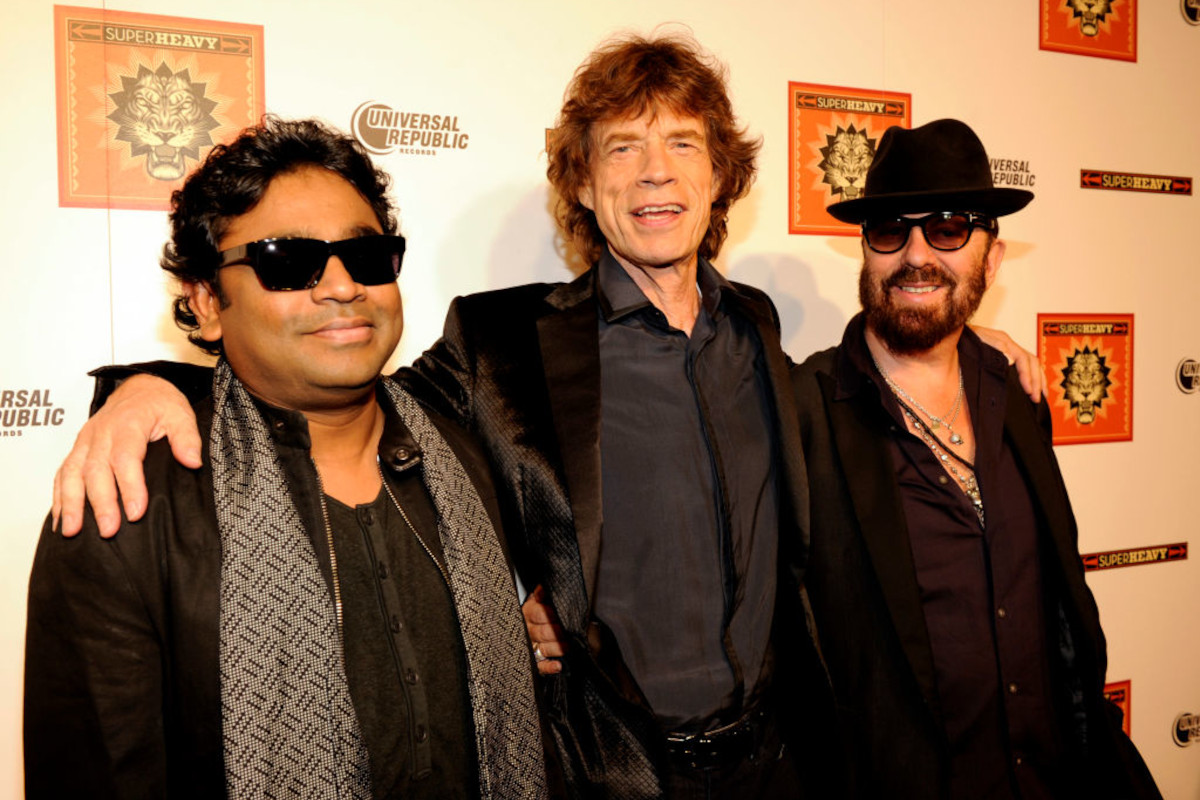
In a 2011 BBC interview to promote his ill-fated side-project SuperHeavy, Rolling Stones frontman Mick Jagger hit upon one of the main reasons spin-off bands often feel underwhelming. "Everyone had to subsume their egos to some point," said Jagger, "there wasn’t really someone who was 'the boss'."
All of which sounds healthy enough, but when nobody takes charge of a band with talents as disparate as Jagger, pop-soul singer Joss Stone, Eurythmics guitarist Dave Stewart and reggae nepo baby Damien Marley, the results are as chaotic.
SuperHeavy’s one and only album veered wildly between dancehall, Bollywood, Celtic-tinged stadium rock and even features Jagger rapping, which nobody ever needed to hear.
All pics Getty Images. Top image Alice Cooper and Joe Perry of Hollywood Vampires performing at Parco della Musica di Milano on September 01, 2026
