
Making it the rock business with a band is often down to a combination of talent and luck. Making it with three or more means you’re either exceptionally talented or very, very lucky.
Reading down our list it would seem that talent is the deciding factor. In the case of musicians such as Steve Winwood or Eric Clapton, it’s clear that their prodigious talent affords them the luxury to pick and choose the music they play and who they play it with. With drummer Bill Bruford, meanwhile, the group he joined next was decided on the quality of the hotels he could continue to stay in.
Here are 11 musicians who made it big with three or more bands. Check out the key track for each artist, too!
11 musicians who made it big in three or more bands
11. Steve Winwood
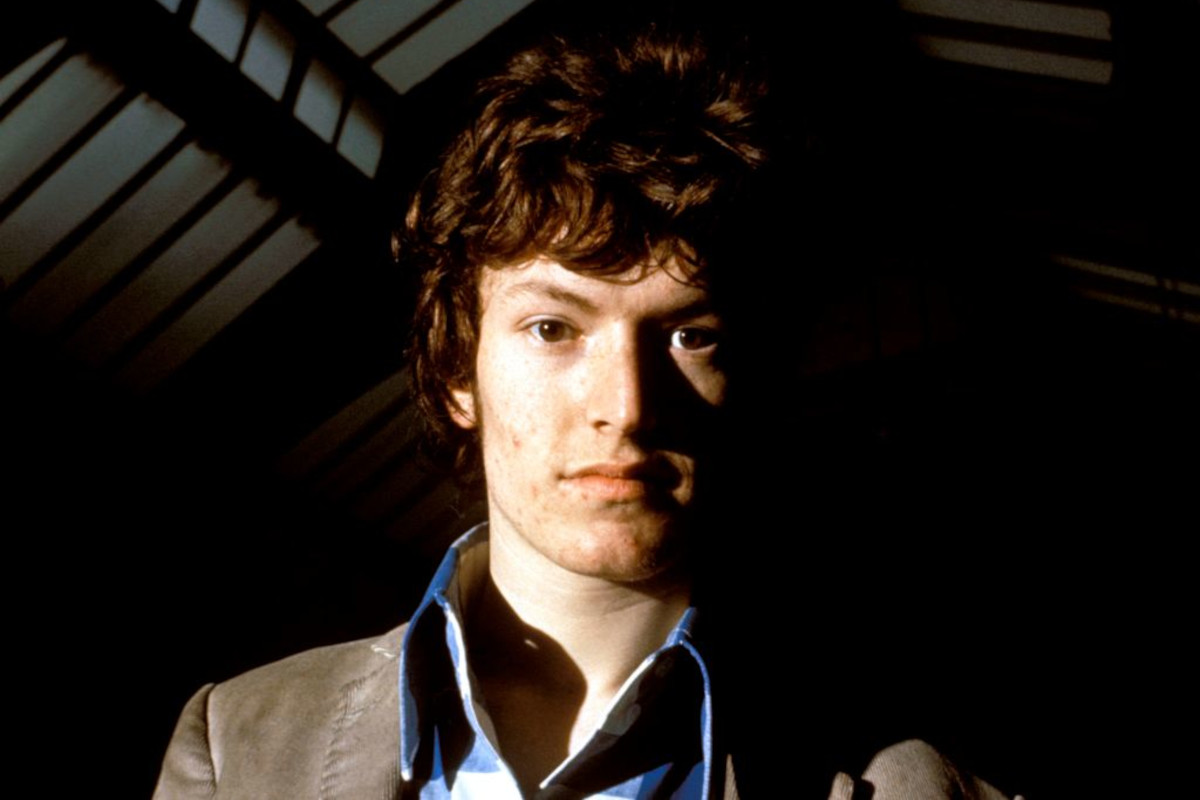
Discounting a brief spell playing with his brother in the wonderfully named The Muff Woody Jazz Band, Steve Winwood has lined up in a trio of important bands, namely The Spencer Davis Group, Traffic and Blind Faith. He was just 15-years-old when the Spencer Davis Group signed for Island Records. The band had a couple of number one hits in the UK and made their US breakthrough with 'Gimme Some Lovin’', a Steve Winwood co-write.
Needing to stretch his sonic boundaries, Winwood formed Traffic in 1967. Over a number of classic albums, including the sparkling debut Mr Fantasy, his musical wishes came true. The band blended rhythm and blues with psychedelic rock and jazz improvisation, establishing themselves as a unique voice on the circuit.
Winwood eventually left Traffic to once again explore new directions, this time with his friend Eric Clapton who was suddenly free after Cream’s split. Blind Faith, the short-lived supergroup made one eponymous album before imploding. Winwood reformed Traffic, before finally embarking on a highly successful solo career.
Peak of powers: 'Paper Sun', Traffic, 45 only (1967)
10. Kid Congo Powers
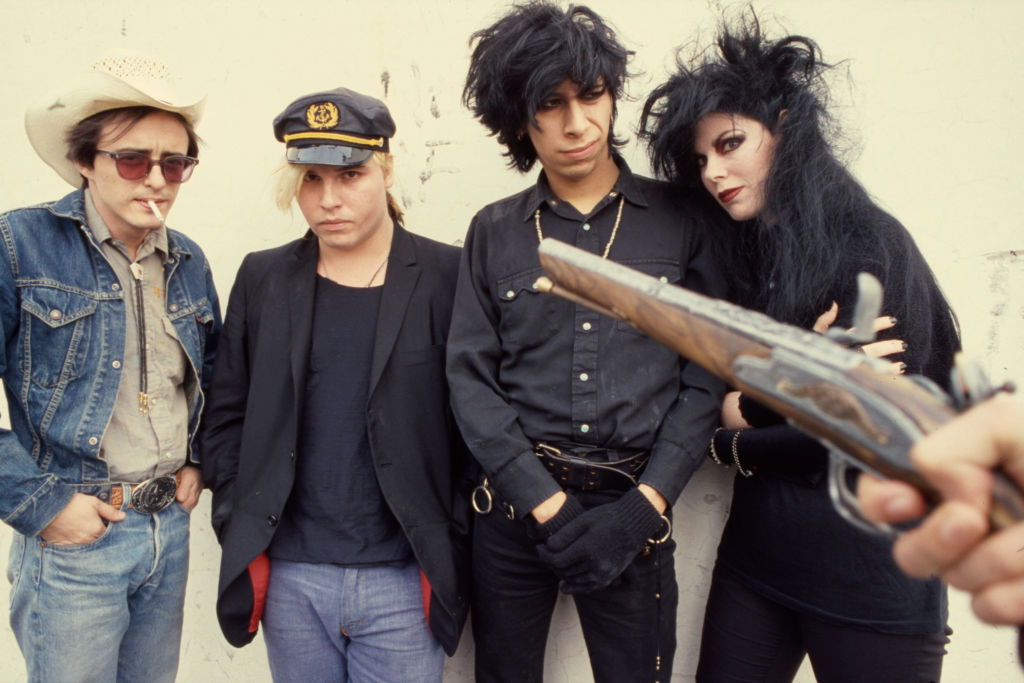
To a large degree the concept of what qualifies as ‘cool’ is a subjective one. This is not the case with Kid Congo Powers, who has been a member of three of rock’s coolest ever bands, The Gun Club, The Cramps and Nick Cave and The Bad Seeds.
The stage name ‘Kid Congo Powers’ was bestowed on him by Cramps’ founder Lux Interior, a man who knew a thing or two about nomenclature. Whether Kid would have been able to retain the same degree of cool performing under his real name of Brian Tristan is very much open to debate.
Peak of powers: 'Goo Goo Muck' from The Cramps' Psychedelic Jungle (1981)
9. Jack White
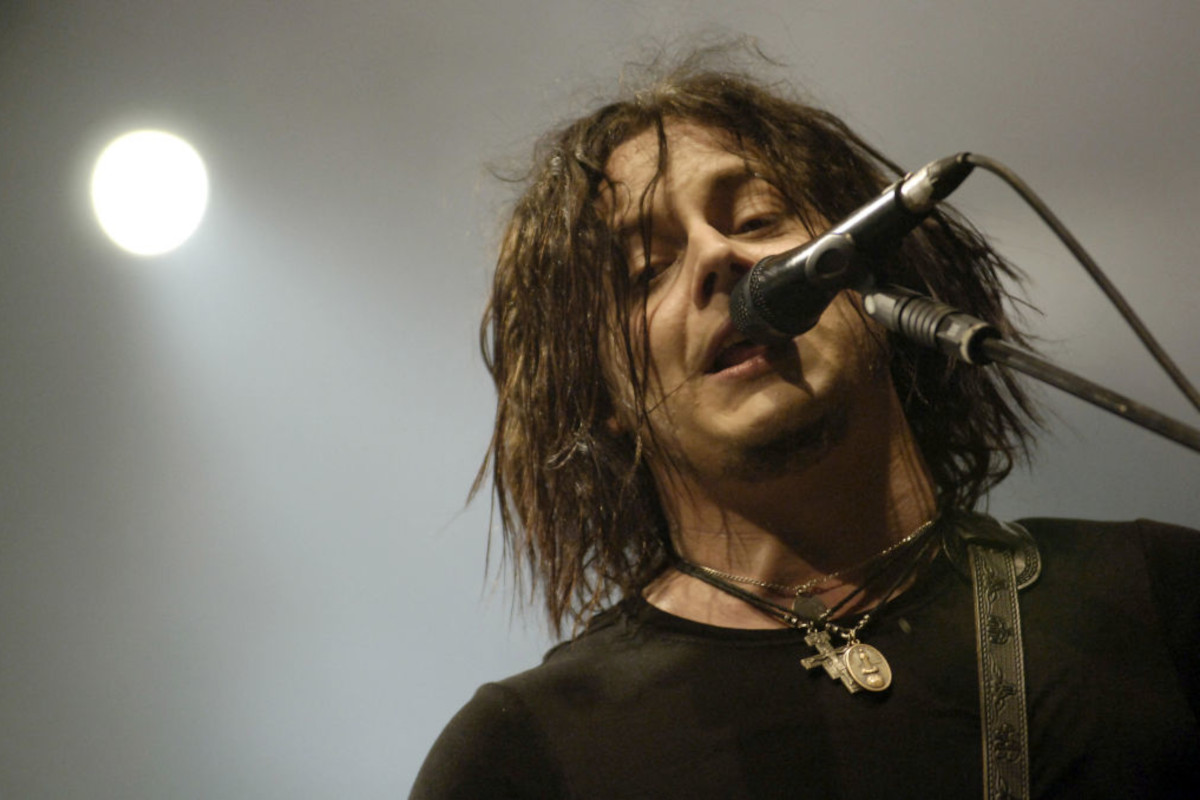
Before hitting it big, Jack White was paying his dues in a number of bands on the Detroit garage-punk scene. The sonic delights of Goober and The Peas, Two-Star Tabernacle and The Upholsterers may be consigned to the dank basement of rock music history, but the experience paved the way for the success of The White Stripes.
Alt-rockers The Raconteurs, featuring Brendon Benson and various members of The Greenhornes were the next band off the block for White with early single ‘Steady, As She Goes’ a big hit. Completing the hat trick for White was garage rock supergroup The Dead Weather featuring Alison Mosshart of The Kills on vocals. For now White seems content with his solo career, but the time for a Goober and The Peas revival must surely nigh.
Peak of powers: 'Steady, As She Goes' from The Raconteurs' Broken Boy Soldiers' (2006)
8. Bernard Sumner
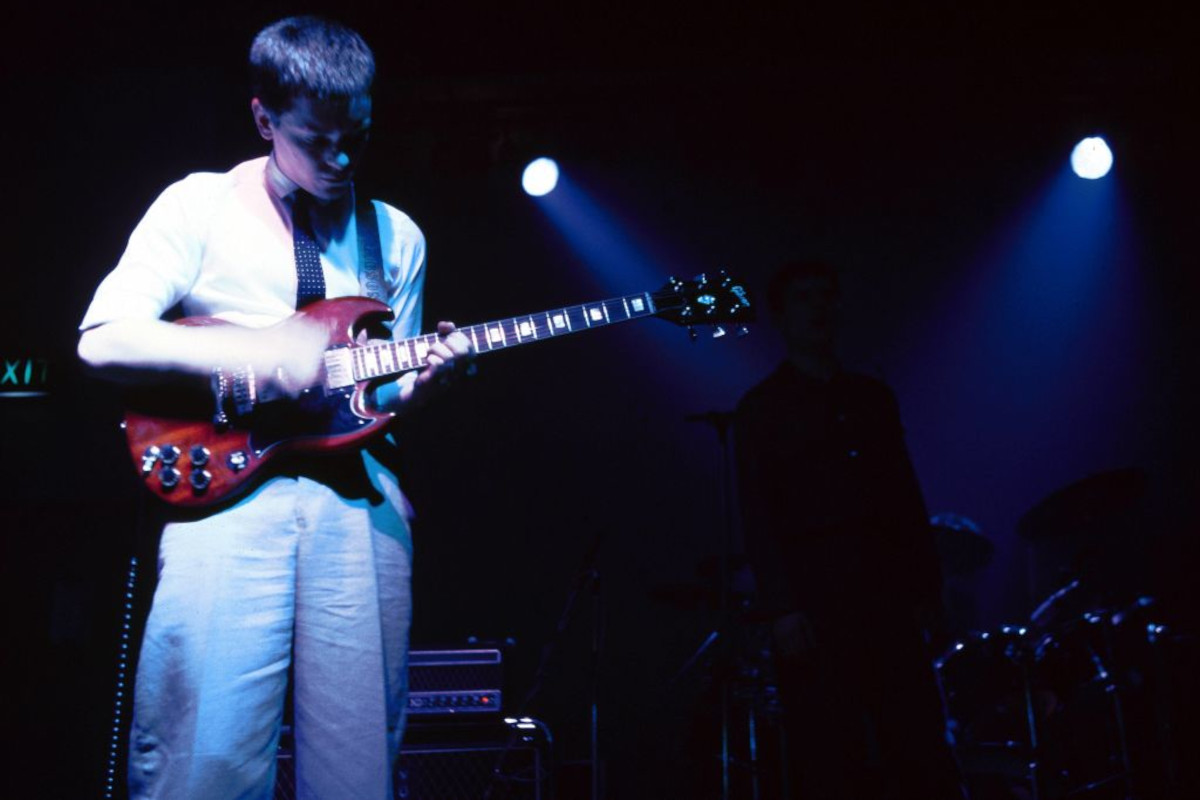
The Manchester musician can confidently boast membership of three prominent bands in the shape of Joy Division, New Order and Electronic. Sumner kicked off his career playing guitar and keyboards in one of post-punk’s most legendary bands Joy Division. The tragic occasion of frontman Ian Curtis’ suicide lead to the formation of New Order, with Sumner taking over the responsibility of lead vocals.
With New Order in hiatus after a prolonged spell of critical and commercial success, he formed Electronic with former Smiths’ guitarist Johnny Marr in the late 1980s. Debut single ‘Getting Away With It’ was a big hit on the indie charts and even dented the US charts (albeit at number 38). Sumner was also involved in a band called Bad Lieutenant, which we hesitate to embolden due to a lack of any real commercial success.
Peak of powers: 'Temptation', New Order, single only (1982)
7. Jeff Lynne
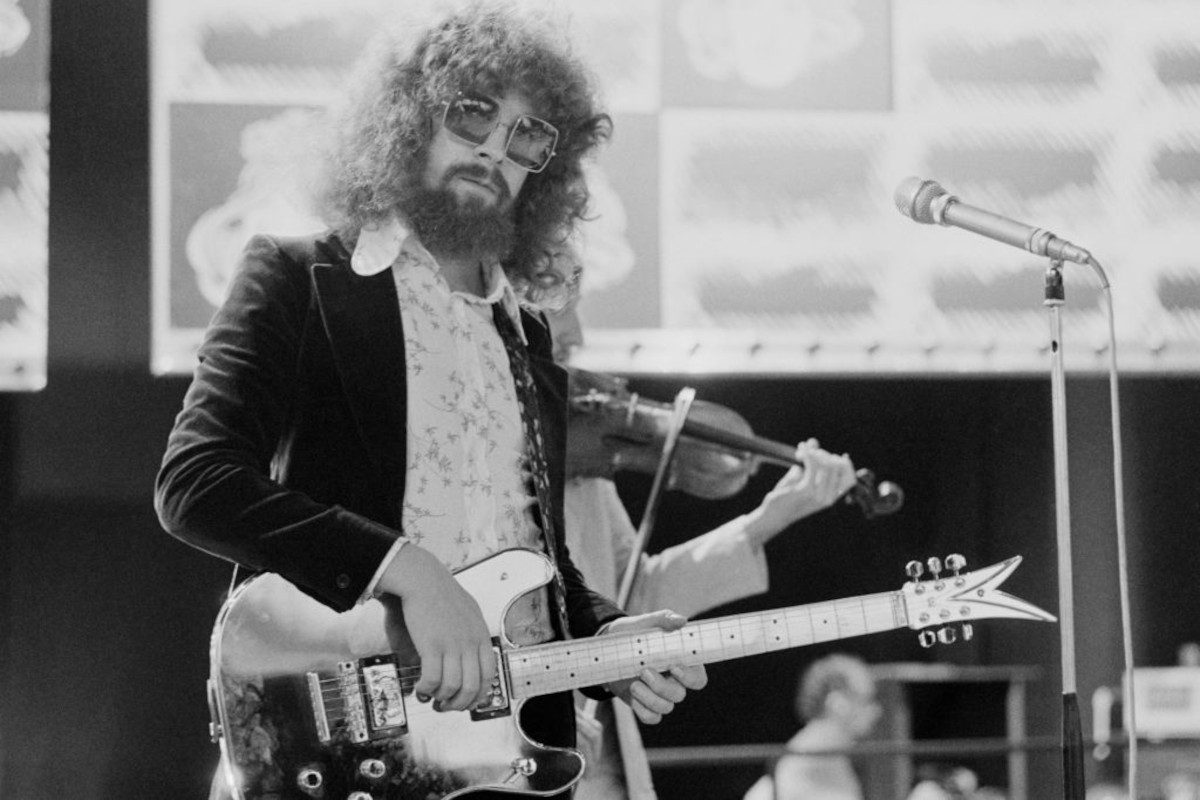
The Birmingham-born songwriter is best known as the bespectacled guiding force behind The Electric Light Orchestra, a band he co-founded with Roy Wood and Bev Bevan. ELO have been prolific hitmakers on both sides of the Atlantic, and are the band with the most US Top 40 hit singles (20) without ever making it to number one.
Before finding global fame with ELO, Lynne was a member of two influential bands in the 60s. The Idle Race were a psychedelic pop band with a cult following who never struck it as big as they deserved. Now categorised as ‘Freakbeat’, the band’s early 45s are worth their weight in gold.
At Wood’s behest, Lynne joined The Move and contributed a number of songs to the much-loved band’s final albums. Throughout his career, Lynne is a well-documented disciple of The Beatles, and his final band credit is as a member of The Traveling Wilburys alongside George Harrison.
Peak of powers: ‘Telephone Line’ from ELO's A New World Record (1976)
6. Bill Bruford
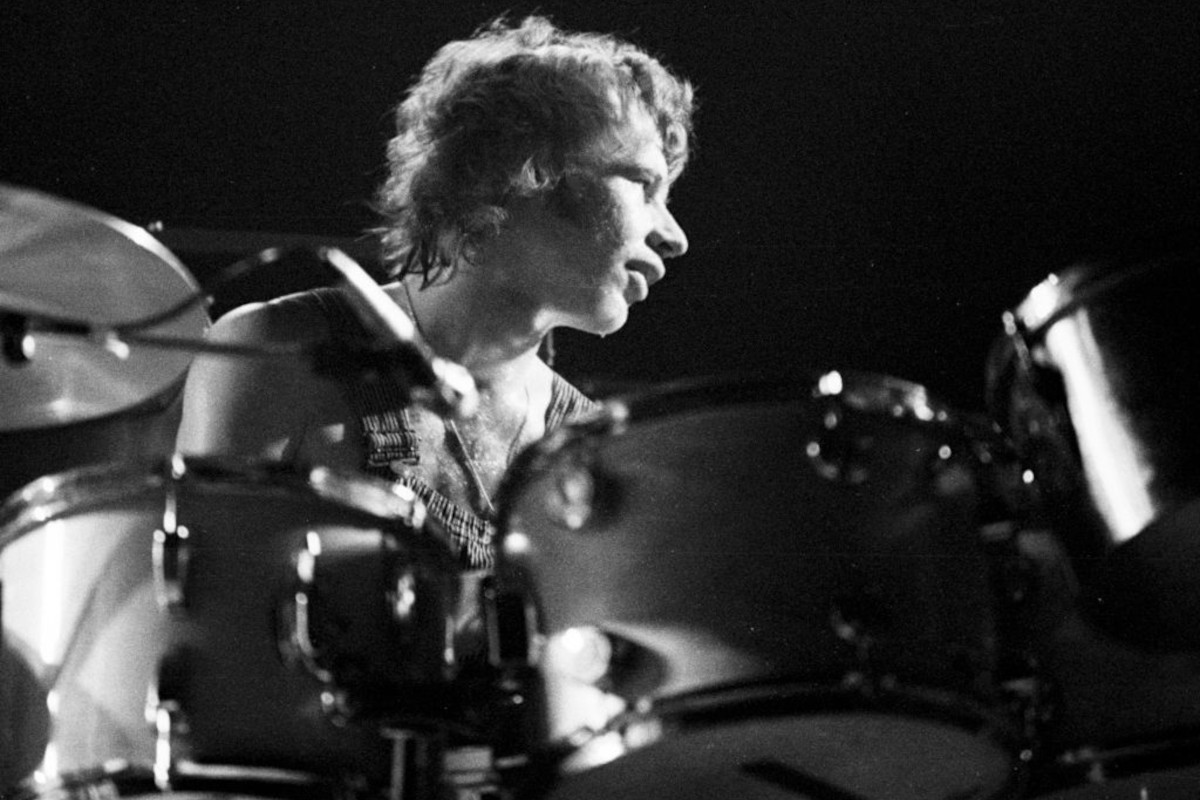
Bill Bruford has a strong claim to being progressive rock’s greatest ever drummer. With strong affiliations to Yes, King Crimson and Genesis, his CV confidently backs up that assumption.
He was a founding member of Yes, playing on the band’s five five studio albums. Personality clashes caused him to jump ship to King Crimson. He later explained that Robert Fripp’s outfit were one of the few prog bands he could join and still stay in decent hotels.
- The 15 best solo albums by rock drummers, ranked (sorry Ringo, not this time...)
- We ranked the 33 greatest drummers in rock history (and the top two are Brits)
Bruford’s relationship with King Crimson was a complicated one and he found himself behind the kit of three different iterations of the band. In 1976 he toured with Genesis on the ‘Trick Of The Tail’ tour allowing Phil Collins to step up to the mic to perform his vocal duties.
After a number of false starts and collaborations, including a brief spell in Gong, Bruford formed his own electric jazz band called Earthworks, who recorded half a dozen albums before disbanding.
Peak of powers: 'Starless' from King Crimson's Red (1974)
5. John McGeoch
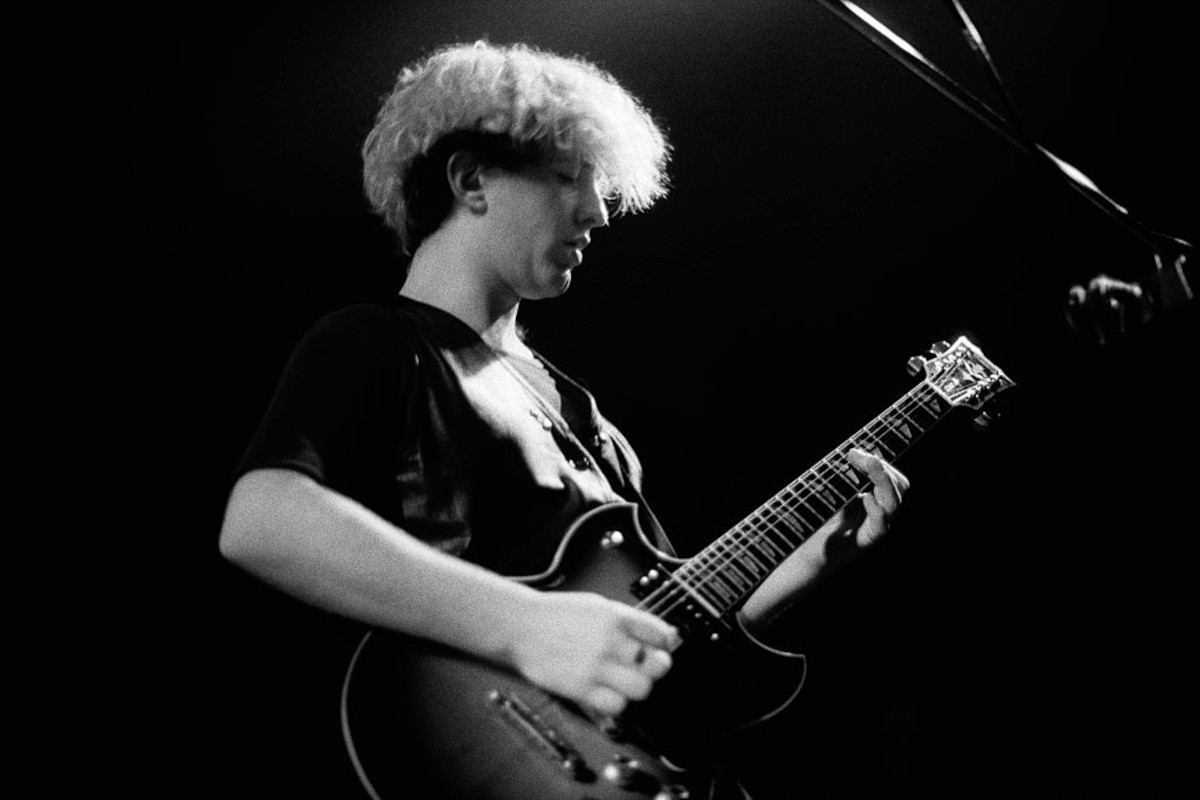
John McGeoch’s influence on a generation of guitarists that followed him was immense, with the likes of Johnny Marr, Steve Albini, Jonny Greenwood and the Edge among his legions of admirers. McGeoch sadly died aged 48 in 2004, but had racked up the bands during a relatively short playing career.
He was a member of no less than five successful bands, namely Magazine (1977-80), Siouxsie and The Banshees (1980-82), Visage (1979-80), the Armoury Show (1983-86) and Public Image Ltd (1986-92).
McGeoch’s work with post-punk pioneers Magazine and the Banshees may be his most acclaimed, but his biggest payday came as a member of synth-pop band Visage, whose hit single ‘Fade To Grey’ was a Top 10 hit across Europe.
Peak of powers: 'Spellbound' from Siouxsie and The Banshees' Juju (1981)
4. Ronnie Wood
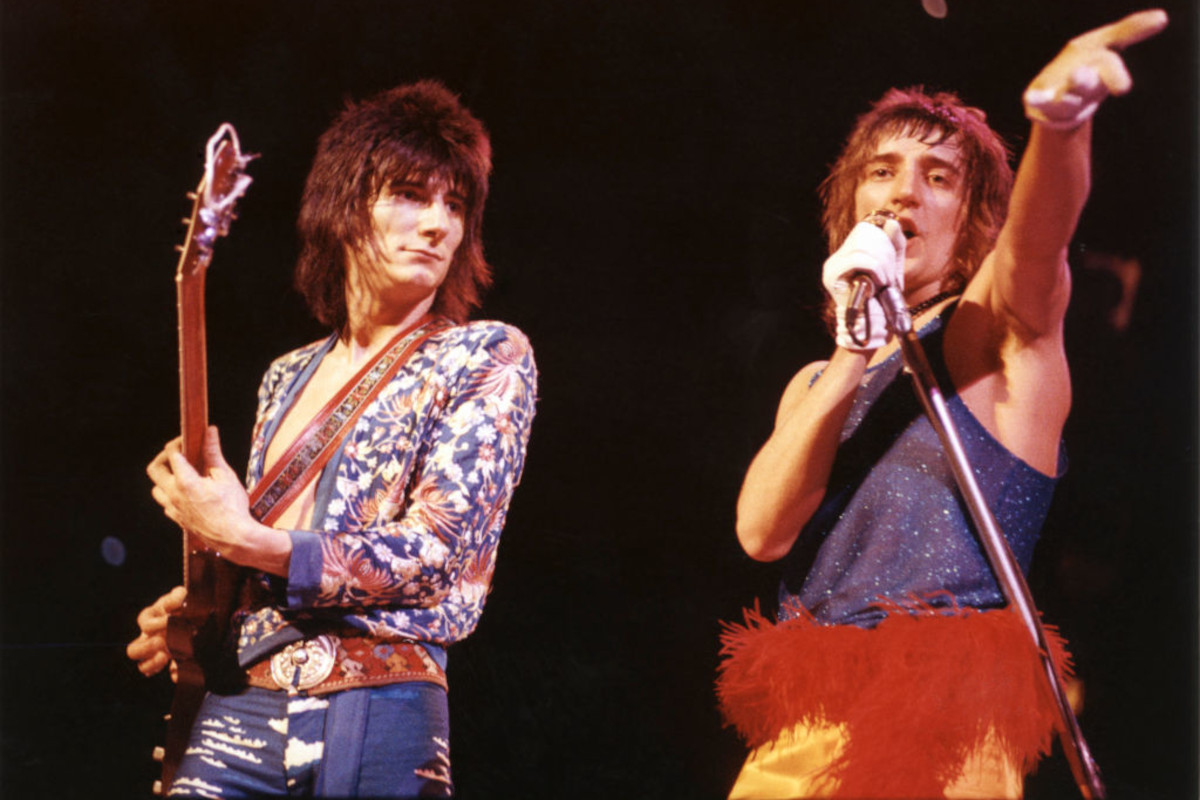
He may have been a member of The Rolling Stones since 1975, but Ronnie Wood’s employment record goes back a lot further. He first plugged in his guitar in 1964 with mod band The Birds, who released four highly collectable 45s, followed by a stint in the fabulous and groovy The Creation. For a couple of years Ronnie switched to playing bass in the Jeff Beck Group alongside Rod Stewart.
After a spell with his brother Art in the short-lived Quiet Melon, Ronnie and Rod teamed up with the remaining Small Faces after Steve Marriot’s sudden departure. For the first half of the 70s The Faces were one of the UK’s greatest live acts. With Mick Taylor leaving the Stones unexpectedly in 1974, Ronnie was finally on the brink of finally nailing down a proper job.
Peak of powers: 'Stay With Me' from Faces' A Nod Is As Good As A Wink... To A Blind Horse (1971)
3. Ronnie James Dio
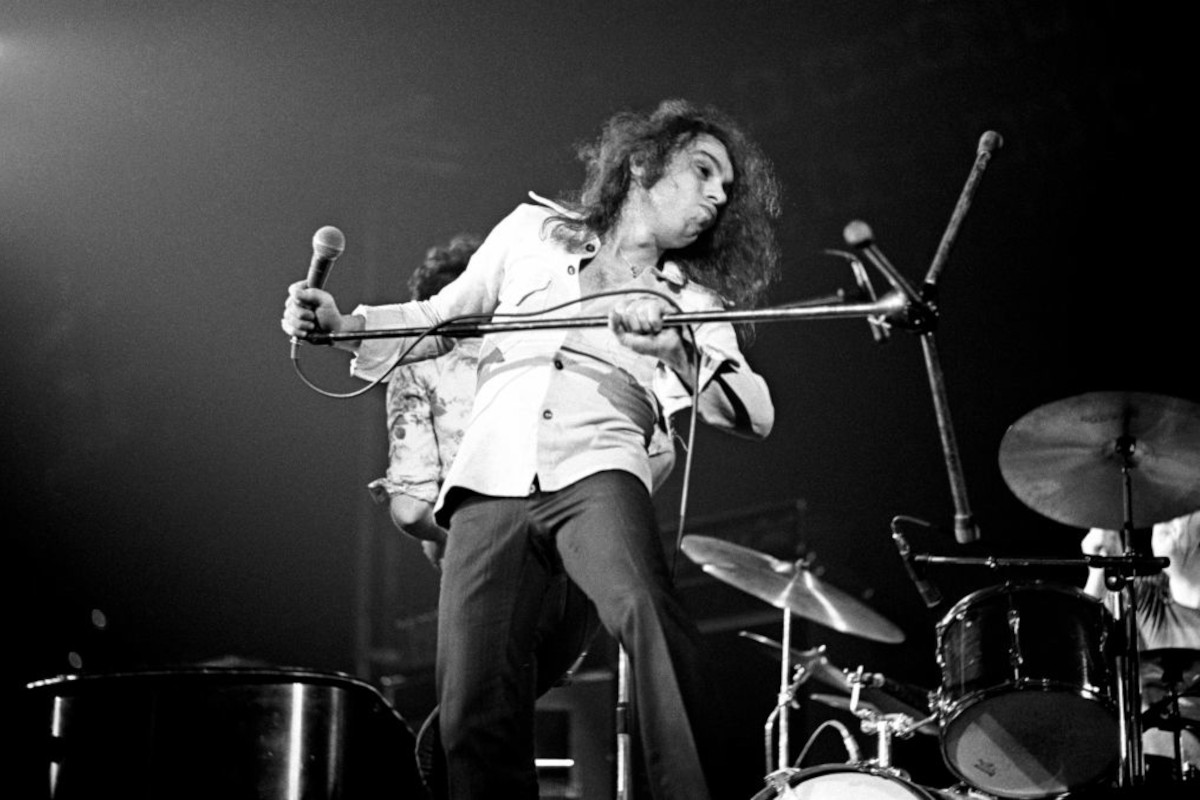
Known for introducing the ‘devil horns’ hand gesture into the culture, pocket rocket Ronnie James Dio is one of heavy metal’s greatest vocalists. His first band Elf released three albums before running their course. Dio, along with other members of the band, was then invited by former Deep Purple man Richie Blackmore to join the newly established Rainbow.
After a successful period in the band, where he further cemented his reputation as a frontman he left to join Black Sabbath. Clearly replacing Ozzy Osbourne was no easy task. Dio’s time in Sabbath came to an abrupt end when he was kicked out by Tony Iommi for remixing 1982’s Live Evil without the band’s consent.
He subsequently formed his own band Dio, where he could remix whatever he wanted whenever he wanted without consequence. A reunion with Iommi and Geezer Butler came in the shape of supergroup Heaven & Hell, who were active until his death in 2010.
Peak of powers: 'Stargazer' from Rainbow's Rainbow Rising (1976)
2. Chris Hillman
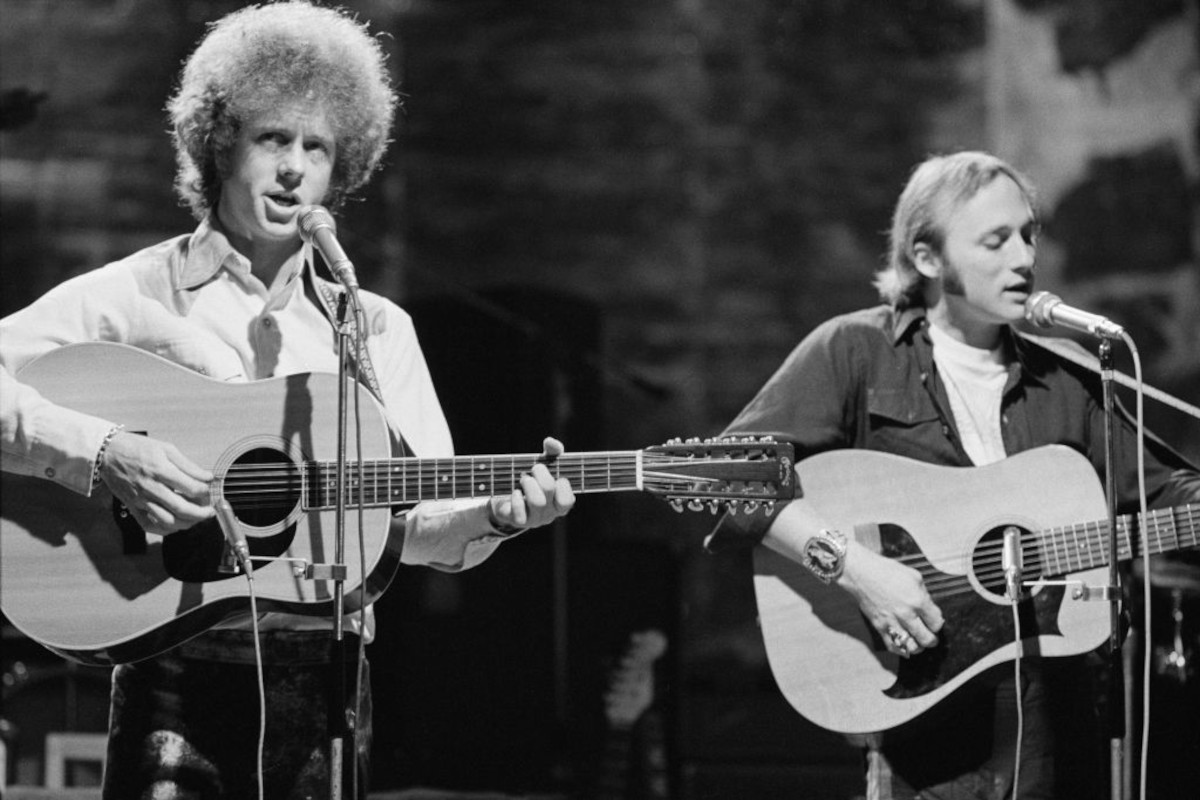
One of Chris Hillman’s earliest experiences of playing in a band was with The Scottsville Squirrel Barkers. As much as we’d love to own a band t-shirt SSB don’t qualify for bold letters.
Hillman’s first big break came in 1964 playing bass for The Byrds, this was initially regarded as a left-field move as he didn’t know how to play the instrument. Despite a regular raft of line-up changes, Hillman stayed in the group long enough to play with Gram Parsons on The Byrds’ seminal country rock album Sweetheart Of The Rodeo.
After exiting The Byrds’ orbit, Hillman once again teamed up with Parsons to form the quintessential country rock ensemble The Flying Burrito Brothers. He went on to become a valued member of Stephen Stills’ band Manassas, before kindly lending his surname to form short-lived country rock supergroup, Souther-Hillman-Furay.
Peak of powers: 'So You Want To Be A Rock 'N' Roll Star' from The Byrds' Younger Than Yesterday (1967)
1. Eric Clapton
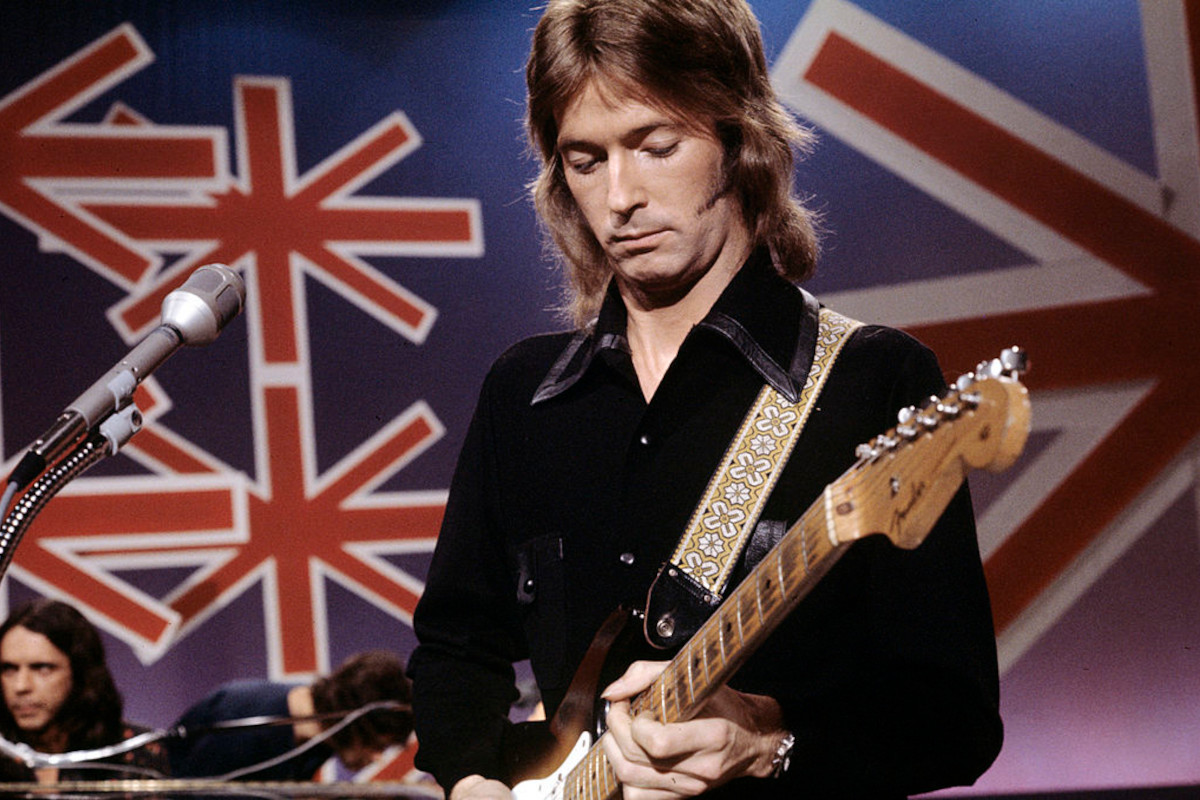
The legendary blues guitarist has been active in the music business for well over 60 years, so it’s no real surprise to reveal that he’s been in his fair share of bands. Eric Clapton’s first big break came as a member of The Yardbirds. The album Five Live Yardbirds remains a fascinating date stamp of his time in the band.
A highly successful year-long stint in John Mayall and The Bluesbreakers was followed by the formation of Cream. The blues-based power trio was where Clapton hit it big on both sides of the Atlantic, but the band were brought down by incessant squabbling. Supergroup Blind Faith released one album before his wanderlust struck again.
Clapton toured with Delaney and Bonnie before forming the short-lived Derek and The Dominoes. From then on in Clapton has remained a solo artist. Thankfully his anti-lockdown collaboration with fellow charmer Van Morrison didn’t lead to anything more permanent.
Peak of powers: 'Layla' from Derek and The Dominos' Layla And Other Assorted Love Songs (1970)
All pics Getty Images. Top image Rolling Stones guitarist Ronnie Wood performing on stage, circa 1975


